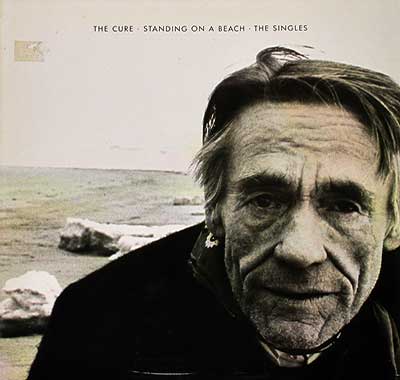
The Cure Band Description:
The Cure didn’t arrive like a grand announcement. They sort of seeped in. A small-town band from Crawley that learned early how to make a cheap amp sound like a weather system, and how to turn a simple guitar line into something that follows you home.
It started in 1976 as Easy Cure, school friends with big hair and bigger nerves, playing their way through Southern England until 1978, when the “Easy” got kicked out and the trio tightened into The Cure for real. Chris Parry’s Fiction label snapped them up fast, and suddenly the band name looked cleaner on a sleeve than it ever did on a pub poster.
The early stuff still has that clipped, bright post-punk bite. “Killing an Arab” drops in December 1978 like a match in dry paper, and yeah, the title was always going to cause trouble, even if it’s basically Camus with a guitar. Then the debut album “Three Imaginary Boys” lands in May 1979, all wiry angles and teenage impatience. I remember seeing that cover in a shop rack and thinking it looked like suburban boredom pretending not to be dangerous.
By 1982, they stop pretending anything is fine. “Pornography” isn’t “dark” in a cute eyeliner way; it’s the sound of someone pacing the room at 3 a.m., lights off, chewing the same thought down to the bone. If you wanted comfort, you were in the wrong building. And that’s kind of the point.
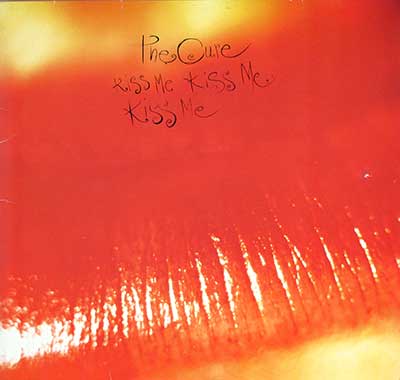
Then they do the thing that separates real bands from cosplay: they pivot without apologizing. Mid-’80s Cure can snap into pop without losing the strange glow underneath it. “The Head on the Door” (1985) and “Kiss Me, Kiss Me, Kiss Me” (1987) don’t “blend moods” like a press release says; they lunge between them. One minute you’re grinning, next minute you’re staring at the ceiling like it owes you money.
The late ’80s and early ’90s is where the sound opens up and starts breathing in big rooms. “Disintegration” (1989) feels endless in the best way, like the songs are too heavy to end on schedule, and “Wish” (1992) still knows how to punch even when it’s being pretty about it. They make atmosphere you can lean on, then they pull it away just to watch you wobble.
And they’re not just a nostalgia act doing victory laps: “Songs of a Lost World” finally showed up on 1 November 2024, new material after a long silence, and it sounds like a band that’s lived through its own legend and didn’t get gentler. The Cure still does what they’ve always done best: make romance feel dangerous, make sadness feel weirdly stylish, and make you wonder why anyone ever asked music to be “uplifting” in the first place.