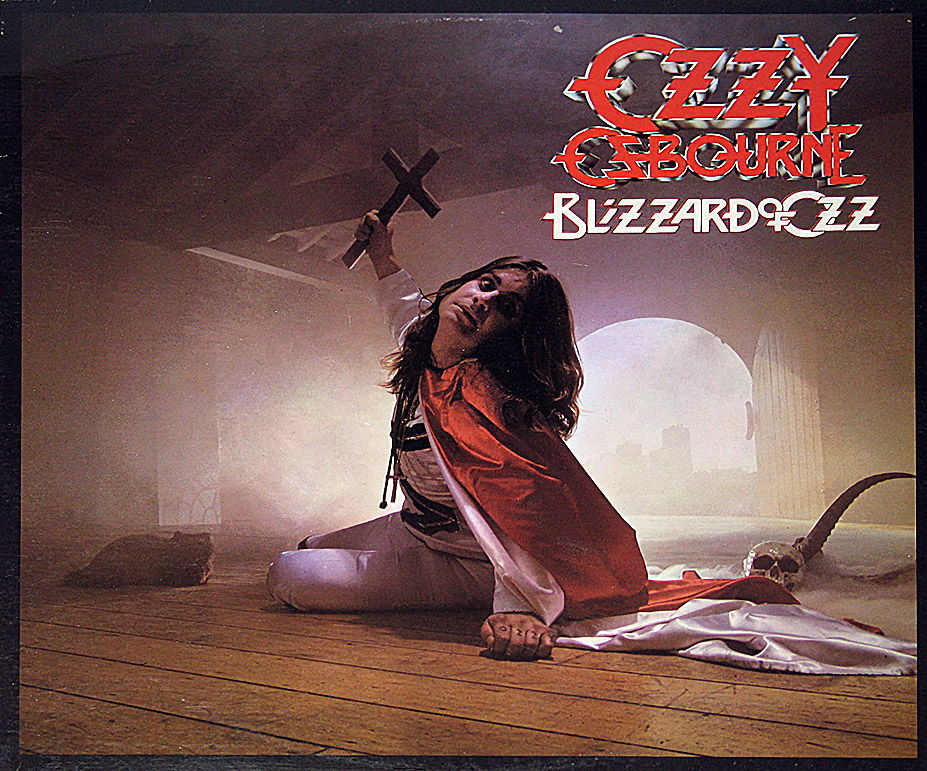
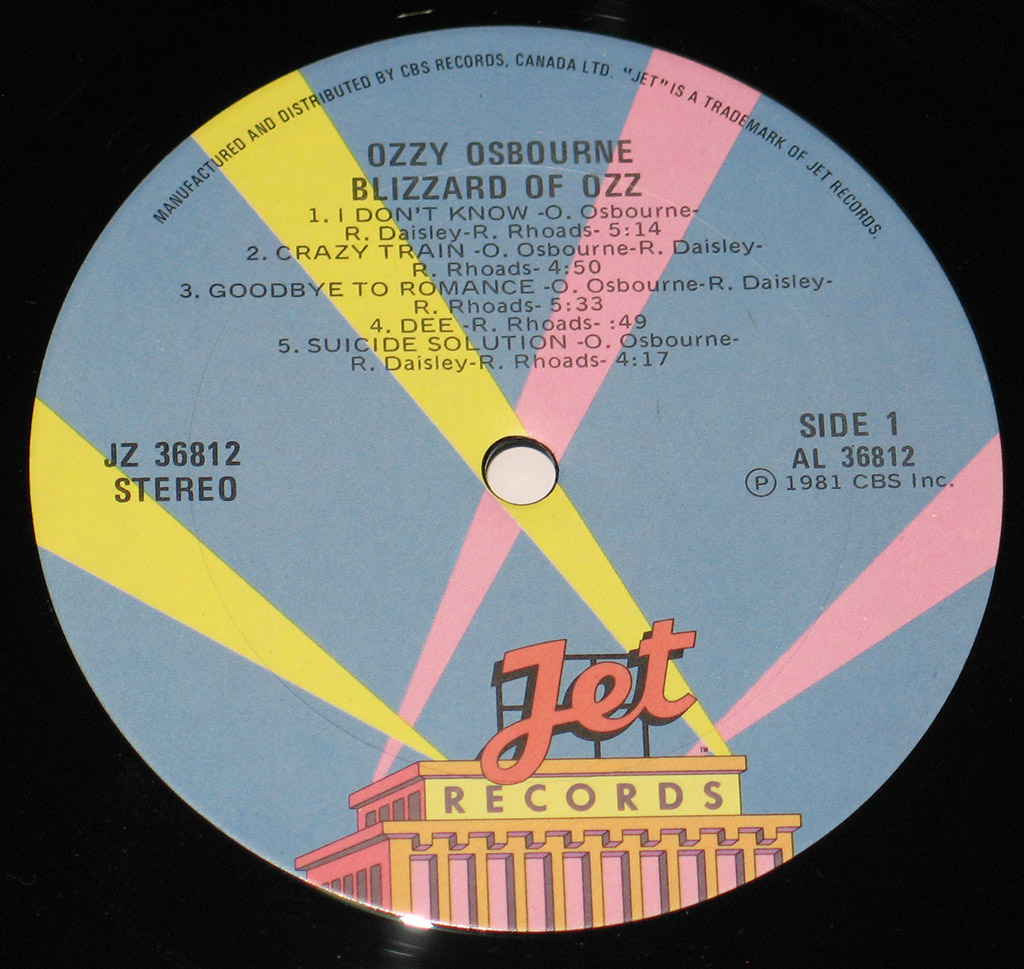
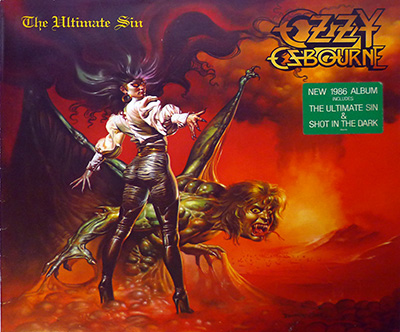
Just months after his controversial departure from Black Sabbath, Ozzy Osbourne defiantly roared back into the musical landscape with his 1980 solo debut, "Blizzard of Ozz." Released in Canada in 1981 on JET Records, it would become a cornerstone of heavy metal.
Historical Context
The late 1970s and early 1980s marked a shift within heavy metal. Bands like Judas Priest and Iron Maiden were ushering in faster tempos, twin guitar leads, and a more aggressive aesthetic that would come to be known as the New Wave of British Heavy Metal. "Blizzard of Ozz" fit squarely within this evolution, pushing the sonic boundaries of the genre. It also served as a defiant statement – Osbourne wasn't fading away; he was just entering a new phase with something to prove.
Musical Exploration
"Blizzard of Ozz" marked a significant departure from the bluesy, doom-laden sound Osbourne cultivated in Black Sabbath. While still firmly rooted in heavy metal, the album incorporated a wider range of dynamics – from the frantic pace of "Crazy Train" to the haunting balladry of "Goodbye to Romance". Rhoads' guitar work was particularly revolutionary. His neoclassical flourishes and melodic sensibilities added dimensions previously unexplored in most metal of the era.
The Birth of a Legend
"Blizzard of Ozz" served as Ozzy's defiant statement of purpose after exiting Sabbath under a cloud of acrimony and substance abuse. This album marked not mere survival, but a stunning rebirth. Osbourne linked up with a fiery young guitarist named Randy Rhoads, whose incendiary playing would rewrite the vocabulary of heavy metal guitar. Together with bassist Bob Daisley and drummer Lee Kerslake, they forged a potent musical chemistry
Iconic Tracks
The album bursts open with the urgent riff of "I Don't Know," instantly establishing a more dynamic and mature sound than Osbourne's previous work. Yet, it was the unforgettable "Crazy Train" that truly cemented its place in rock history. The song's iconic intro riff, Rhoads' blistering solo, and Ozzy's trademark wail made it both a radio staple and a live anthem for decades to come.
The album also showcases Osbourne's dark humor and vulnerability. Tracks like "Goodbye to Romance" and the controversial "Suicide Solution" offer glimpses into his tortured psyche. The epic "Mr. Crowley," inspired by famed occultist Aleister Crowley, features an ominous keyboard intro by Don Airey and a masterful solo from Rhoads.
Randy Rhoads' Legacy
Tragically, Randy Rhoads died in a plane crash just a year after the release of this album, leaving an enduring void. "Blizzard of Ozz" stands as a primary testament to his genius. His classically-inspired compositions, lightning-fast fretwork, and taste for harmonic complexity elevated heavy metal guitar into an art form in itself.