KROKUS Band Description:
Krokus comes out of Solothurn, Switzerland, formed in 1975, and the funniest thing about that sentence is how harmless it sounds. Nothing about Krokus is harmless once the amps are up and the songs stop pretending they’re polite.
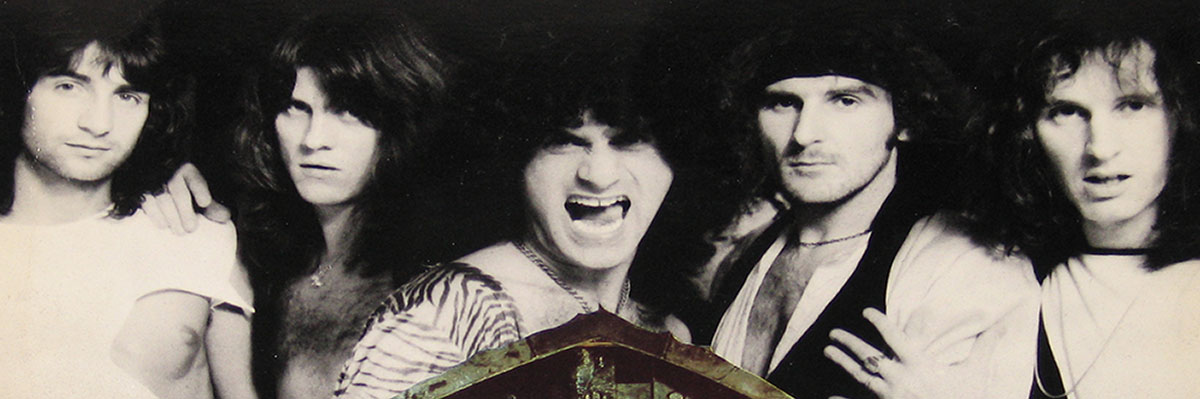
Chris von Rohr and guitarist Tommy Kiefer kicked it off after their earlier band days, and the early years weren’t some tidy “origin story,” more like a rehearsal room with a revolving door. Peter Richard was the first singer and then gone, and Kiefer even handled vocals on the debut before von Rohr shifted roles and the whole thing kept mutating until it finally resembled a hard rock band that could actually pick a lane and stay in it.
History:
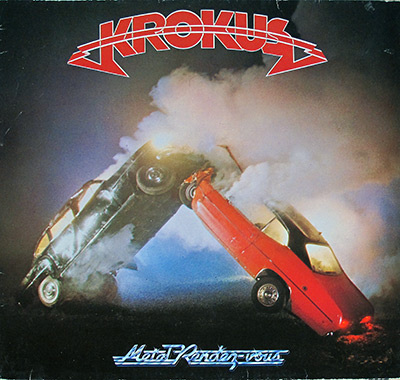
By the late ’70s the lineup had solidified enough to get traction at home, but the real pivot is the moment they saw AC/DC live and decided subtlety was overrated. The band hired Marc Storace in 1979, and suddenly the voice matched the intent. That’s the practical difference between “local success” and “international attention,” and it showed up loud on "Metal Rendez-vous" in 1980.
People love calling "Metal Rendez-vous" the start of “the classic era,” and sure, but what sticks is the attitude: the record sounds like a band that learned how to hit cleanly. The songs aren’t trying to be clever. They’re trying to land. The famous AC/DC comparisons didn’t come out of nowhere either, and it’s always been the cheapest compliment and the laziest insult at the same time.
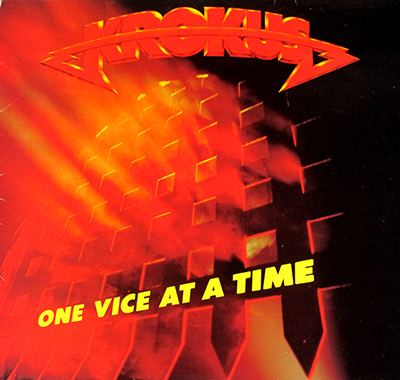
Early ’80s Krokus is where the arena-sized habits start to harden. "One Vice at a Time" (1982) leans into that barroom swagger, and then "Headhunter" (1983) shows up and does what bands dream about: it breaks in North America, hits the Billboard 200, and goes Gold in the United States. “Screaming in the Night” gets heavy MTV rotation, and that’s the kind of exposure that either turns you into a cartoon or forces you to sharpen your hook-writing. Krokus chose hooks and muscle, not irony.
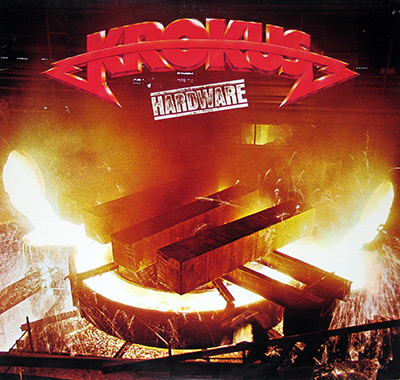
There’s a messier underbelly too, because of course there is. Tommy Kiefer had to leave early in the "Hardware" (1981) touring cycle because heroin wasn’t a hobby, it was a wrecking ball. Mandy Meyer steps in, the lineup keeps shifting, and the band keeps working anyway—sometimes that “survival instinct” is more real than any lyric about freedom.
Musical Style and Achievements:
Here’s what matters: the riffs are built to move bodies, not impress guitar teachers. Drums stay blunt and forward, choruses are designed for shouting, and Storace’s voice has that scratchy, urgent edge that makes even the simpler lines feel like they’re being pushed out of the chest, not floated into a microphone. Blues and classic rock are in there if you listen, but they’re not offered up like a history lesson—more like fuel in the mix.
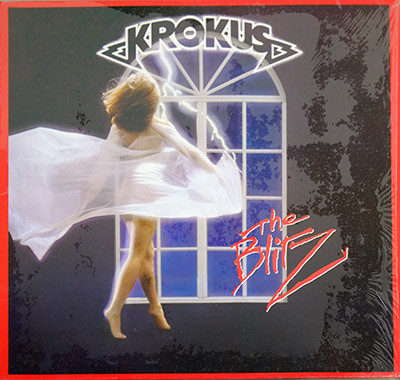
Late ’80s and beyond gets complicated, because the scene changed and Krokus didn’t always guess the weather correctly. "The Blitz" kept them in the conversation, and later records tried different angles, some cleaner, some tougher, some just… trying. The point is they never became a “heritage act” in their own heads, even when the market wanted them to play the hits and smile on cue.
One small memory that still fits: a dusty record shop bin where Krokus sat one divider away from AC/DC, and a clerk who rolled his eyes like it was an argument he’d had a hundred times already. That’s Krokus in the real world—always close enough to the giants to be compared, stubborn enough to keep swinging anyway.