Krokus - Metal Rendez-Vous (1980, Netherlands) 12" Vinyl LP Album

- The Crash That Announced Krokus Had Finally Arrived in Heavy Metal

Album Front cover Photo of Krokus - Metal Rendez-Vous (1980, Netherlands) 12" Vinyl LP Album https://vinyl-records.nl/

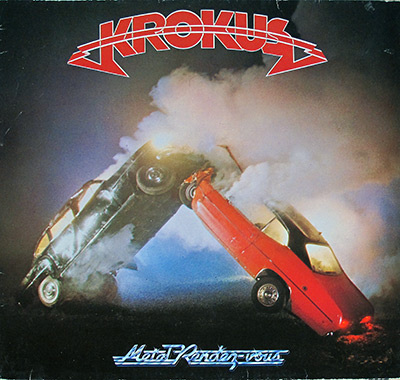
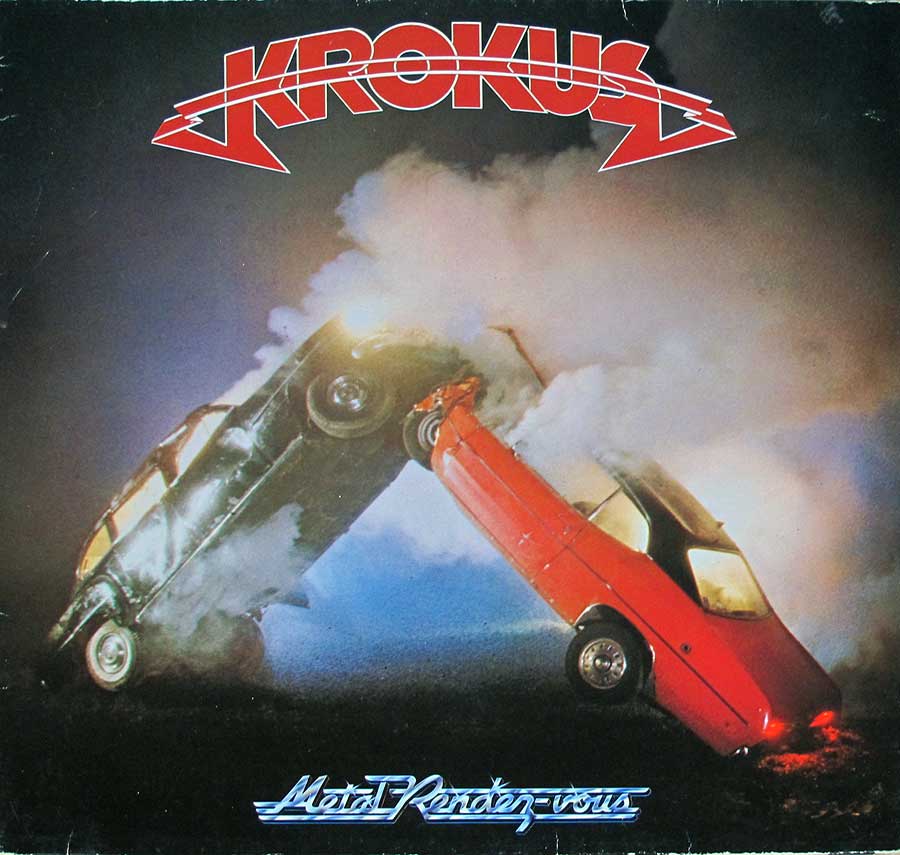
Against a pitch-black backdrop, two wrecked cars ram upward into each other through clouds of white smoke, frozen mid-impact like a staged metal collision. The huge red Krokus logo hangs above the chaos, while the chrome-blue album title glows below like a neon badge on twisted steel.

Krokus hit their real stride with "Metal Rendez-Vous", the 1980 album that shoved the band out of the local hard rock corner and into the front rank of early European heavy metal. You can hear the change straight away: the songs bite harder, the choruses land faster, and Marc Storace’s arrival gives the whole record a rough, hungry swagger that does not ask permission. "Heatstrokes" kicks like a bar fight in tight leather, "Bedside Radio" has that shameless hook metal bands always pretend to be above, and "Streamer" adds a darker pull beneath the racket. Even this Dutch 12" vinyl LP pressing has that honest, no-frills collector charm—because sometimes the record does the talking, and the sleeve just wisely stays out of its way.

"Metal Rendez-Vous" (1980) Album Description:

By the time "Metal Rendez-Vous" landed in 1980, Krokus had stopped circling the runway and finally shoved the throttle forward. You can hear the exact point where the old progressive clutter gets kicked out of the room and the band starts dealing in bite, shove, and hook. This was the first Krokus album with Marc Storace up front, and that change was not cosmetic. It was the whole verdammte difference between a band with ideas and a band that could actually start a fight in a record shop.

What makes the album interesting, though, is not some tidy triumph story. It still wobbles in places. There is a tension running through it: part Swiss discipline, part bar-room recklessness, part band learning how much pressure the new line-up can take before the bolts come loose. That is where the fun starts. Open the sleeve, drop the needle, and you can almost hear them deciding in real time how metal they really want to be.

Switzerland in 1980 was not exactly throwing heavy metal at the world by the truckload. You had hard and heavy names around the edges, some pub-rock grit, some punk agitation, older outfits like Toad still hanging in the air, and TEA already proving that Swiss bands could reach beyond the local beer hall. But the scene was not a factory yet. Krokus were the group that broke the polite furniture and made the room louder, and "Metal Rendez-Vous" is where that shift becomes obvious.

The cause-and-effect is plain enough. Krokus had started in 1975 with more of a progressive lean, then Chris von Rohr handled lead vocals into the late 1970s. After the band saw AC/DC live, the direction hardened, simplified, and got meaner; the trouble was that the new attack needed a frontman who could really carry it. So Storace came in from TEA and Eazy Money, von Rohr moved back to bass, and suddenly the whole machine stopped coughing and started biting. Sauber? Not really. Effective? Absolutely.

Musically, this record lives on pressure. "Heatstrokes" kicks the door first: clipped riffing, no fat on it, drums that move like a boot to the ribs, and a chorus built to survive cigarette smoke and cheap lager. "Bedside Radio" is looser, cheekier, nearly grinning at you. "Streamer" drags more mood into the room, while "Tokyo Nights" takes a left turn with that odd reggae lilt halfway through, which should be silly and somehow is not. That sort of move can collapse into huere nonsense. Here it merely sounds like a band refusing to stay in one lane.

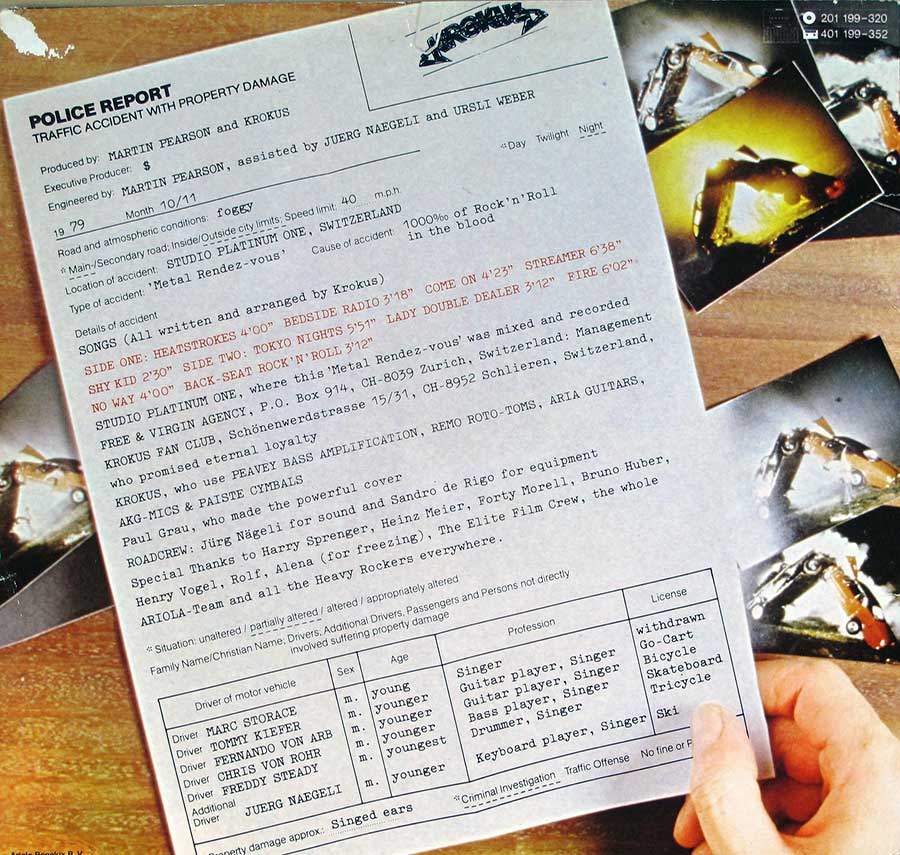
Fernando von Arb is one of the keys to why the album still works. He does not play like a man auditioning for a guitar magazine centerfold. He plays like somebody tightening steel. The riffs are the point, the solos are there to keep the blood moving, and the songs stay built for impact instead of vanity. Tommy Kiefer gives the record extra grain and push, Freddy Steady keeps the chassis from rattling apart, and Jurg Naegeli's fingerprints are all over the writing and the studio mechanics. Martin Pearson and the band, working at Studio Platinum One in late 1979, gave the whole thing enough edge without sanding it into sterile showroom metal.

Set it beside peers from the same year and the character gets clearer. Judas Priest were sharper and more surgical. Scorpions had more glide and expensive perfume in the choruses. Accept were more brutal in the jawline. Saxon carried more denim-and-asphalt momentum. AC/DC, obviously, are the comparison everybody reaches for after two beers and one lazy thought. Krokus do borrow some of that blunt-force economy, no point pretending otherwise, but this album is not just Swiss carbon paper. It is rowdier in spots, moodier in others, and more willing to let a song get a bit scruffy.

That lazy "Swiss AC/DC" tag became the record's main non-controversy, and it still follows the band around like a drunk who will not leave the bar. There was no grand scandal attached to "Metal Rendez-Vous", no moral panic, no sleeve outrage, no censor with cold hands hovering over the artwork. The real argument was narrower and, frankly, duller: were Krokus copyists, or were they simply smart enough to strip the fat off their sound at exactly the right moment? I know where I land. Borrowing a knife is not the same thing as borrowing the hand that swings it.

The Dutch Ariola pressing on this page adds its own quiet pleasures. No absurd gimmicks, no coloured-vinyl circus tricks trying to distract from weak music. Just a solid 12-inch Holland issue, light-blue Ariola label, straightforward sleeve, and the kind of practical presentation collectors often underrate because it does not scream for attention. Which is usually how the good stuff slips past the tourists.

I like this album most late at night, when the room has gone still and the sleeve catches a bit of lamp-glow across the laminate. The front cover looks harder than clever, which is exactly right, and the label shot has that plain early-80s utility I trust more than any deluxe reissue designer trying to look "authentic."

In the end, "Metal Rendez-Vous" matters because it sounds like a band choosing force over fuss and getting away with it. Not every track lands with the same weight, and I would never claim this is some flawless alpine scripture handed down from the mountain. But it is the record where Krokus stopped sounding like a possibility and started sounding like a problem. Gruezi, here come the riffs.

References

Music Genre:

 Swiss Heavy Metal Switzerland

Album Production information:

The album: "Metal Rendez-Vous " was produced by: Martin Pearson and Krokus

Martin Pearson a Swiss Music Producer and Sound engineer, he has produced/engineered several heavy metal bands during the late 1970s until the mid-1980s. Some of the bands he has worked with are: Black Angels, Krokus, Mass, Witchcraft.


Recorded October/November 1979, Studio Platinum One, Switzerland

Juerg Naegeli - Sound Engineer, Bass, Keyboarda, Sound Engineer

Ursli Weber - Sound Engineer

Paul Grau - Photography

Record Label & Catalognr:

 Ariola 201 199 (201199)

Media Format:

 12" Vinyl LP  Gramophone Record
Album weight: 210 gram  
Year & Country 1980 Made in Holland
Band Members and Musicians on: Krokus Metal Rendez-Vous
    Band-members, Musicians and Performers
  • Marc Storace - Vocals
  • Marc Storace - Vocals

    He sings like the mic owes him money: rasp, bite, and choruses that stick to your brain like tape.

    Marc Storace, Swiss-Maltese and sharp as a broken bottle, turned Krokus from local thunder into export-grade hard rock. I first clocked him when he joined TEA (late 1971-1977), then jumped to London to form Eazy Money (1977-1979) before landing in Krokus in 1979 and singing them into the big leagues on 1980's "Metal Rendez-vous". His prime Krokus run hits 1980-1988, then he came back for the long second life (1994-2016), still sounding like gravel with a grin. He sells hooks like beer: fast, loud, and without apology, and that rasp is all over "Bedside Radio", "Heatstrokes", and "Screaming in the Night". He never sounded polite, and thank heaven for small mercies.

  • Fernando Von Arb - Lead guitar
  • Fernando Von Arb - Lead Guitar

    Riff-first lead guitarist: tight hooks, lean solos, and a drummer-proof sense of timing.

    Fernando Von Arb, Krokus' riff-foreman, plays like he's tightening bolts on an arena stage: no wasted motion, just grip and momentum. He came in via the local trio Montezuma, then joined Krokus in 1976 and rode the classic climb through 1988. After the breakup he rebuilt the band and kept returning in chapters: 1990-1991 (even switching to bass), 1994-1995, 1999-2005, and again from 2008 onward. In 2005 tendonitis forced him out for a while, which is the universe's dumbest way of saying "stop." Hard rock, heavy metal, whatever tag you slap on it: his solos stay lean, his rhythm work is the hook, and his writing is built to make the chorus land like a door slam.

  • Chris Von Rohr - Bass guitar
  • Christoph "Chris" von Rohr – Swiss music producer, musician (bass/vocals)

    Christoph "Chris" von Rohr is the Swiss rock ringmaster I keep bumping into whenever Krokus sounds larger-than-life on wax.

    Christoph "Chris" von Rohr is one of those rare names that shows up both in the liner notes and in the DNA of a whole scene — and as a collector, I love that kind of fingerprint. I know him best as a founding force in Krokus: active through their rise from 1975–1983, back for a short return in 1987–1989, and then in the comeback era from 2008 onward (because rock bands, like horror villains, are never truly gone). Outside the band, he shaped Swiss hard rock from the control room too — most famously as Gotthard’s producer and songwriter from 1991–2002 — basically the guy turning raw riffs into stadium-sized results without sanding off the attitude. If you want the clean timeline without my romantic vinyl fog, here’s the official rabbit hole:

  • Freddy Steady - Drums
  • Tommy Kiefer - Rhythm guitar
Complete Track Listing of: "Metal Rendez-Vous "

The Song/tracks on "Metal Rendez-Vous " are

  • Heatstrokes - 4:00
  • Bedside Radio - 3:22
  • Come On - 4:29
  • Streamer - 6:44
  • Shy Kid - 2:33
  • Tokyo Nights - 5:54
  • Lady Double Dealer - 3:13
  • Fire - 6:07
  • No Way - 4:02
  • Back-Seat Rock & Roll - 3:15

First thing you notice flipping this one out of the shelf is the wear—it almost always shows up on the corners before anything else, like these sleeves were handled a bit too enthusiastically back in the day. The front has that glossy-but-not-quite finish, catching light unevenly, while the blacks tend to fade just enough to give it that slightly tired, lived-in look. Turn it over and the typography feels very late-70s European: functional, slightly cramped, no room wasted. The Ariola label on the record itself is the real tell—light blue ink, clean print, no nonsense layout. Look closer and you start spotting the small differences: ink density, pressing rings, those tiny variations that separate copies. That’s where it gets interesting.

Album Front Cover Photo
Krokus - Metal Rendez-Vous (1980, Netherlands) 12" Vinyl LP Album front cover photo

The sleeve surface shows slight edge wear, especially along the top border where the black background tends to dull first. The red Krokus logo remains sharp, though, printed thick enough to survive handling. You can spot minor laminate stress marks near the corners—nothing dramatic, just honest aging.

Album Back Cover Photo
Krokus - Metal Rendez-Vous (1980, Netherlands) 12" Vinyl LP Album back cover photo

The back cover leans more utilitarian—track listing, credits, all packed in without much breathing space. Print alignment is slightly off if you look closely, especially around the edges. Paper stock feels thinner than you might expect, which explains why these backs often show ringwear first.

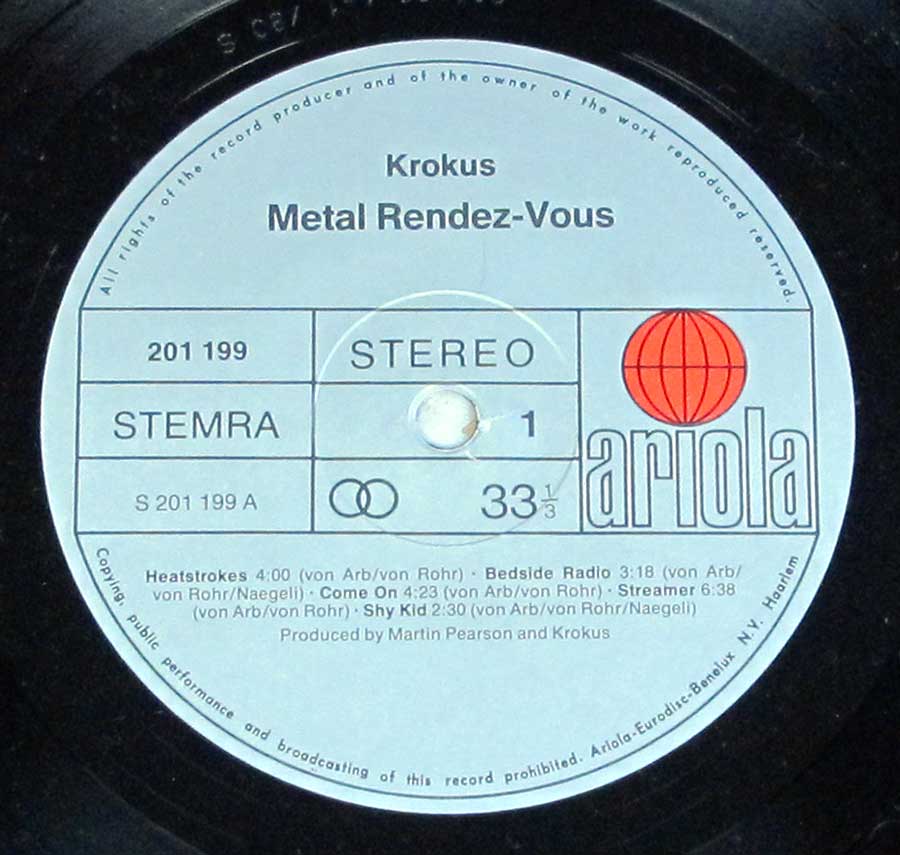
Close up of Side One record’s label
Close up of Side One label for Krokus - Metal Rendez-Vous

Classic Ariola light blue label—clean, almost clinical layout. The print is crisp, with solid blacks and no bleeding, and the pressing ring is clearly visible around the center. Small text remains sharp, which usually means a decent early pressing rather than a later, softer reissue.

All images on this site are photographed directly from the original vinyl LP covers and record labels in my collection. Earlier blank sleeves were not archived due to past storage limits, and Side Two labels are often omitted when they contain no collector-relevant details. Photo quality varies because the images were taken over several decades with different cameras. You may use these images for personal or non-commercial purposes if you include a link to this site; commercial use requires my permission. Text on covers and labels has been transcribed using a free online OCR service.

Headbanging through the Years: The Vinyl Discography of Krokus

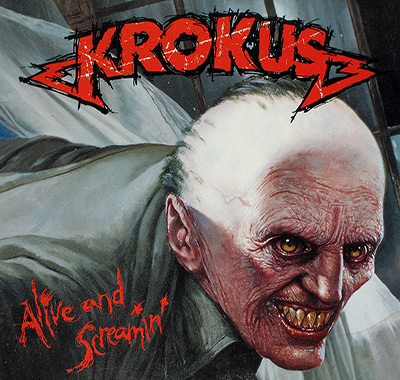
KROKUS - Alive and Screamin'
KROKUS - Alive and Screamin' album front cover vinyl record

This album arrived at a crossroads in Krokus' career. While they had enjoyed considerable success in the early 80s with hits like "Heatstrokes" and "Bedside Radio," the mid-80s saw a shift in the musical landscape. Hair metal was on the rise, challenging traditional hard rock bands to adapt or fade away.

Alive and Screamin' 12" Vinyl LP
KROKUS - Change of Address
KROKUS - Change of Address album front cover vinyl record

Founded in 1975, Krokus swiftly ascended the ranks of the music scene, blending the grit of hard rock with the ferocity of heavy metal. The Swiss outfit, consisting of seasoned musicians, carved a niche for themselves with their energetic performances and unapologetic sound.

Change of Address 12" Vinyl LP
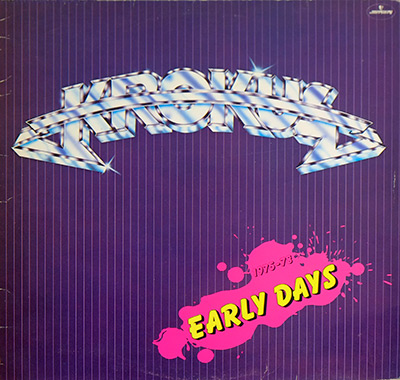
KROKUS - Early Days 12" Vinyl LP
KROKUS - Early Days album front cover vinyl record

The year 1975 marked the inception of Krokus, and it was a time when the global rock scene was undergoing dynamic shifts. As the echoes of the psychedelic era faded away, a new wave of hard-hitting rock emerged, drawing inspiration from blues, metal, and a rebellious spirit.

Early Days 12" Vinyl LP
KROKUS - Hardware (Multiple International Versions)
KROKUS - Hardware (Multiple International Versions)  album front cover vinyl record

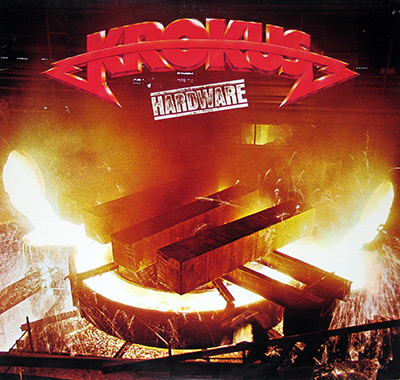
In 1981, Krokus, the Swiss heavy metal force, released "Hardware," their eighth album. Produced in collaboration with Ariola Canada, the vinyl LP encapsulates the raw energy of the era's heavy metal scene. Marking a pivotal moment in the genre's evolution, the album's tracks showcase Krokus's musical prowess.

- Hardware (1981, Canada) - Hardware (1981, France) - Hardware (1981, Holland) - Hardware Swiss Pressing (1981, Switzerland)
KROKUS - Headhunter
KROKUS - Headhunter album front cover vinyl record

Headhunter is the seventh album by Krokus and was released in 1983. It achieved Gold status in the United States. The track "Screaming in the Night" was the band's biggest hit to date, and is still played on classic rock radio stations. Headhunter is the only Krokus album to feature "Steve Pace" on drums

Headhunter 12" Vinyl LP
KROKUS - Heart Attack
KROKUS - Heart Attack album front cover vinyl record

By the time "Heart Attack" was released, Krokus had already established themselves as a prominent force in the hard rock and heavy metal scene. However, internal conflicts and commercial challenges had taken a toll on the band, leading them to the brink of dissolution.

Heart Attack 12" Vinyl LP
KROKUS - Metal Rendez-Vous
KROKUS - Metal Rendez-Vous album front cover vinyl record

By the time Krokus released "Metal Rendez-Vous", the band had clearly decided subtlety was overrated. The 12" vinyl LP landed right in the early-80s moment when European metal was sharpening its teeth, and Krokus suddenly sounded bigger, louder, and far more confident than before. The riffs hit harder, the choruses felt built for packed clubs, and the whole record carries that slightly reckless energy bands sometimes catch when everything finally clicks. Pull the sleeve from the rack today and it still feels like a record that wants to be played loud.

Metal Rendez-Vous 12" Vinyl LP
KROKUS - One Vice at a Time (European and Swiss Releases) 12" Vinyl LP
KROKUS - One Vice at a Time (European and Swiss Releases) album front cover vinyl record

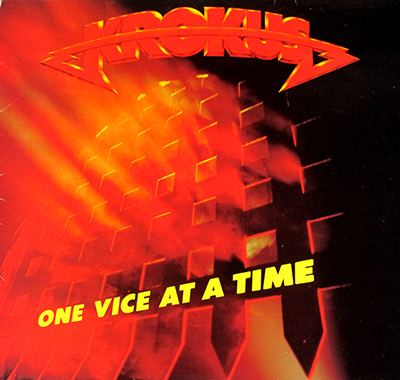
In 1983, the Swiss rock band Krokus unveiled their iconic album "One Vice at a Time" through an original Swiss pressing on a 12" LP vinyl. Distinguished by the +ML+ mark on the record label, this release captures the essence of its time period, encapsulating the fervor of the 1980s rock scene.

- One Vice at a Time (1982, Europe) - One Vice at a Time (1982, Switzerland)
KROKUS - Painkiller
KROKUS - Painkiller album front cover vinyl record

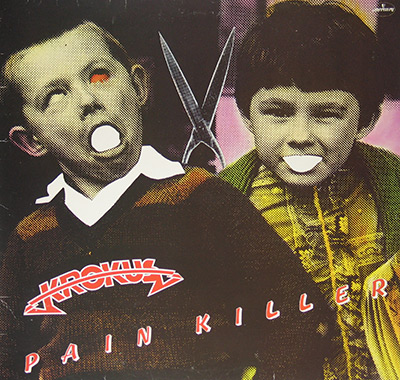
The emergence of Krokus and their influential hard rock sound during the late 1970s and early 1980s marked a significant chapter in Swiss music history. The Swiss hard rock scene, while not as widely recognized as those of the United States or the United Kingdom, produced notable acts such as Krokus

Painkiller 12" Vinyl LP
KROKUS - Pay It In Metal
KROKUS - Pay It In Metal album front cover vinyl record

Swiss heavy metal band Krokus made a significant impact on the metal scene with their third full-length album, "Pay It In Metal". Released in 1978, this album showcased the band's raw power and established them as a force to be reckoned with in the world of heavy metal. With its memorable riffs

Pay It In Metal 12" Vinyl LP
KROKUS - The Blitz (German and USA Releases)
KROKUS - The Blitz (German and USA Releases) album front cover vinyl record

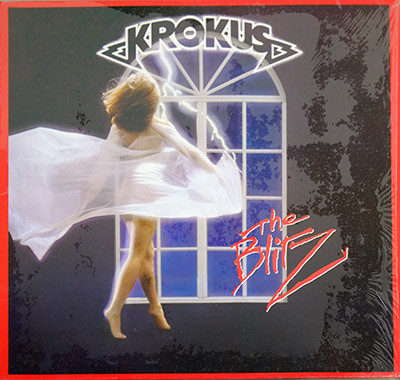
Released in 1984, "The Blitz" is Krokus' seventh studio album and a milestone in Swiss heavy metal. Featuring the hit "Midnite Maniac"—the first Swiss song to enter the Billboard Hot 100—it blends slick, arena-ready sound with driving riffs and catchy hooks. This LP marks Krokus’ peak in U.S. popularity and radio-friendly appeal.

- The Blitz (1984, Germany) - The Blitz (1984, USA)