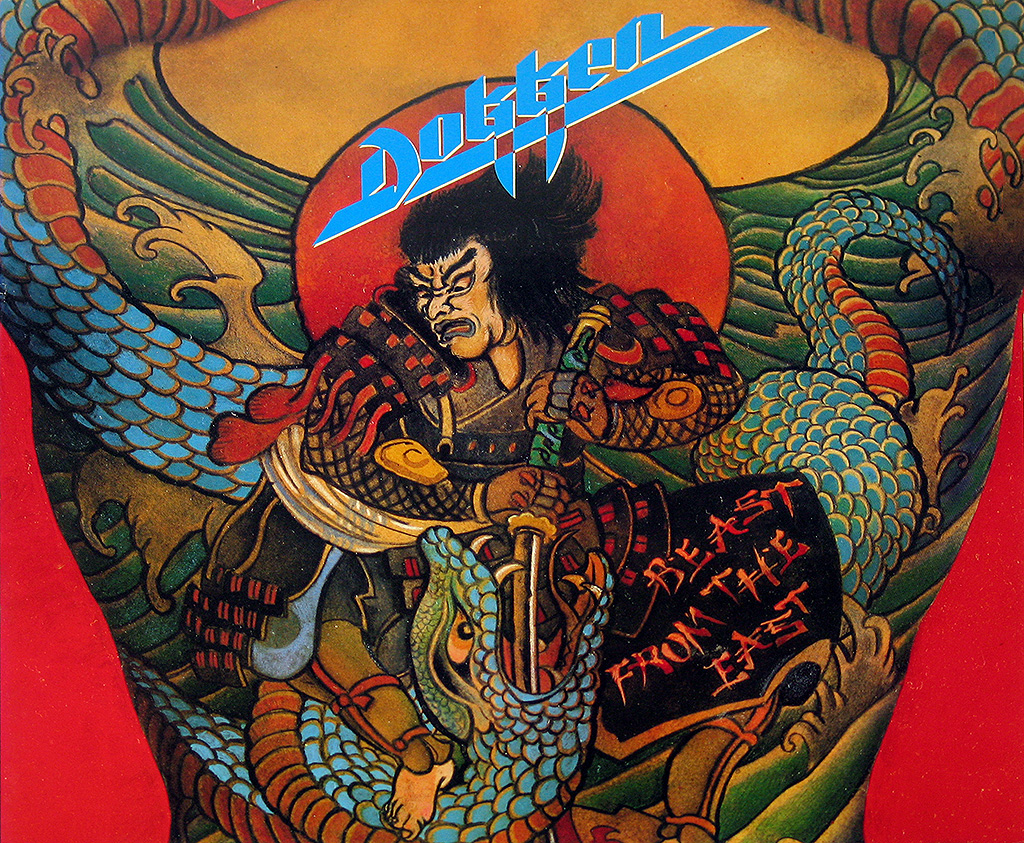
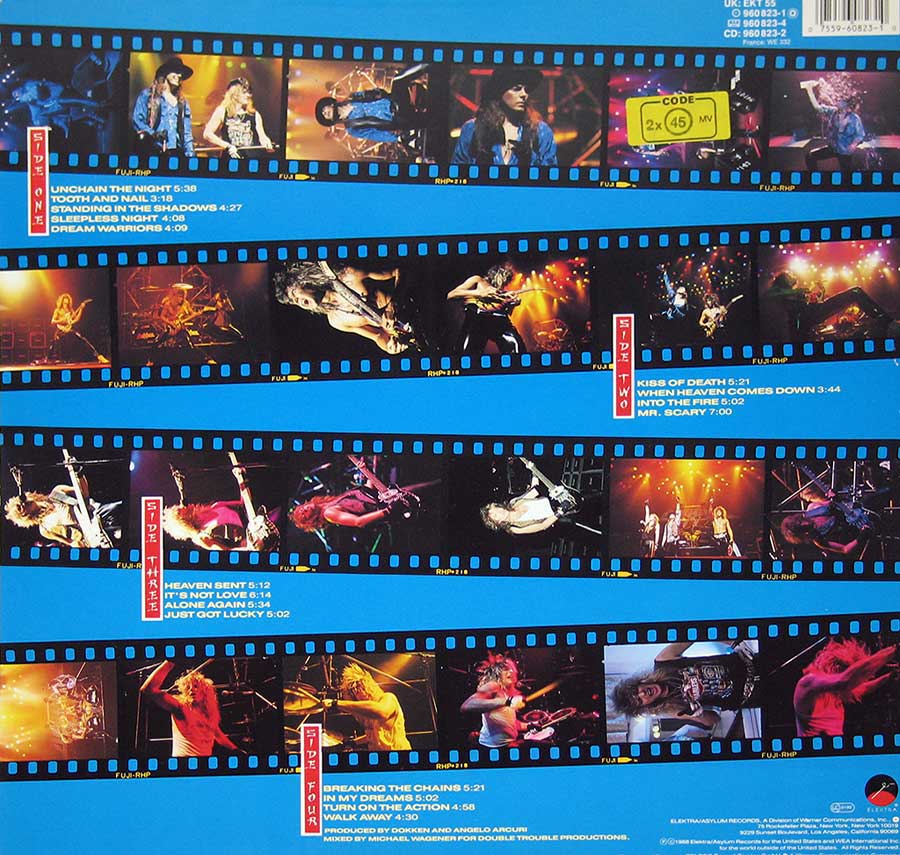
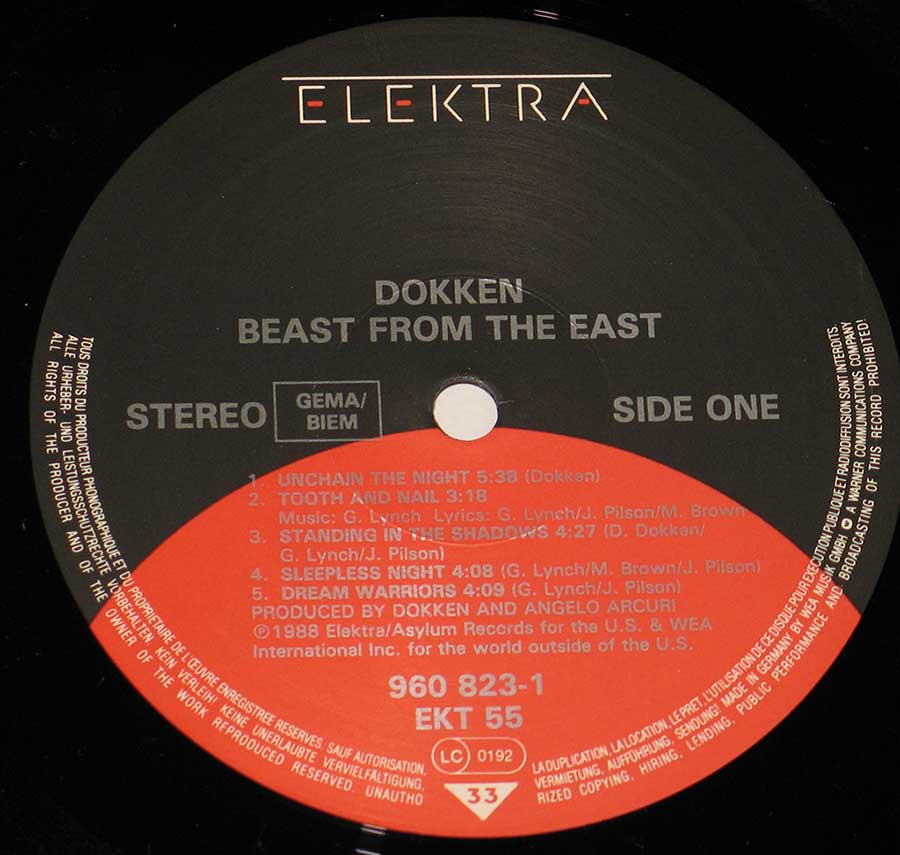
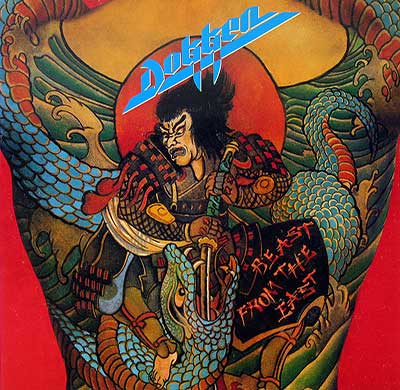
"Beast from the East" (1988) Album Description:
“Beast from the East” catches Dokken at the peak of their powers and the edge of their patience. It’s a live album that feels like a farewell letter written onstage, loud enough to drown out whatever arguments were happening backstage. Japan adored them in ’88, and this record immortalizes that brief, electric moment before everything cracked.
Historical and Cultural Context
By 1988, the American heavy metal scene was oversaturated with hairspray, neon, and labels racing to sign anything that could shred. Japan, meanwhile, wasn’t just watching the metal explosion — they were curating it like fine art. Bands who played mid-tier venues in the States were treated like royalty in Tokyo, where fans devoured every high note and guitar squeal as if it were scripture.
Dokken arrived in this landscape as ambassadors of the more melodic side of heavy metal: big choruses, dramatic riffs, and a polished production style that stood apart from both glam and thrash. “Beast from the East” captured this era right as the winds were about to shift toward grunge, but in 1988 the party still roared like it would last forever.
How the Band Came to Record This Album
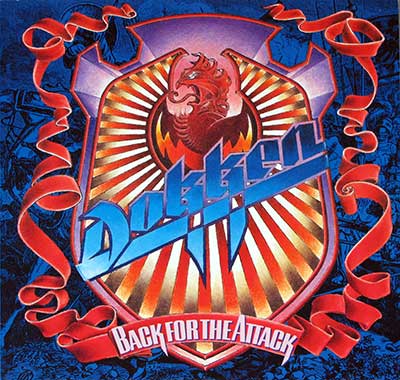
The band was deep into the “Back for the Attack” tour, already stretched thin from years of grinding schedules and internal tension. Japan was one of the few places where Dokken felt universally celebrated, so recording a live album there made perfect sense. It was also the last chance to document the classic lineup before the unavoidable implosion.
You can almost hear the unspoken truce: Don Dokken on one side of the stage, George Lynch on the other, each pouring their best into the crowd rather than into each other. For one brief run of shows, it all held together — just long enough to get this beast on tape.
The Sound, Songs, and Musical Direction
The album sounds like four musicians sprinting toward a finish line they know they won’t cross together. George Lynch tears through solos with a ferocity that borders on competitive — part performance, part declaration of independence. Don Dokken leans into the soaring choruses, stretching each line with that slightly cracked, emotional edge that made him so distinctive live.
Tracks like “Dream Warriors,” “Into the Fire,” and the always-emotional “Alone Again” hit with extra weight here because the crowd energy is volcanic. Even instrumental moments like “Mr. Scary” land like a gauntlet thrown across the stage floor. And then there’s “Walk Away,” the final studio track — a bittersweet curtain-closer disguised as a power ballad.
Comparison to Other Albums in the Genre/Year
While 1988 gave us polished metal landmarks like Queensrÿche’s “Operation: Mindcrime” and the commercial sheen of Def Leppard’s “Hysteria,” Dokken’s live release carved out its own lane. It wasn’t a concept album, and it wasn’t a radio-obsessed studio project. It was a snapshot of a band running hot, running loud, and running out of time.
In contrast to the studio perfectionism dominating late-80s metal, “Beast from the East” leaned into the raw thrill of performance — the sweat, the crowd, the real-time chemistry that couldn’t be faked. It’s heavier in spirit than many polished contemporaries because it’s built on adrenaline instead of airbrush.
Controversies or Public Reactions
Calling it a controversy might be dramatic, but fans definitely noticed the irony: Dokken released their biggest live album right as the band was falling apart internally. Rumors of the Dokken–Lynch deadlock circulated for months, and the album only fueled speculation. Some listeners treated it as a breakup album, even though it wasn’t labeled that way.
Instead of brushing off the tension, the record seemed to embrace it — the performances are sharp partly because everyone was playing like they had something to prove. A live album that doubles as therapy session isn’t exactly common in heavy metal, and that gave this release an unexpected emotional bite.
Band Dynamics and Creative Tensions
Don Dokken and George Lynch had one of the most productive-but-combustible partnerships in 80s metal. When they clicked, the songs soared; when they didn’t, you could practically feel the frost from the front row. Onstage in Japan, the rivalry almost becomes a feature: Lynch’s shredding pushes Don to stretch every vocal line, while the rhythm section holds everything together like diplomatic negotiators.
The album captures a strange magic — the sound of a band that works brilliantly together right up until the moment they don’t. If you listen closely, it’s less a live performance and more the final page of a chapter.
Critical Reception and Legacy
Critics at the time praised the performance quality but danced around the obvious cracks in the lineup. Fans, however, embraced it like a victory lap, celebrating the band’s peak era with a double LP that felt both triumphant and strangely final. It quickly became a must-own for collectors because it represented the last great spark of the original Dokken lineup.
Decades later, the album remains a fan favorite — a live record that sounds alive, not rehearsed. The energy hasn’t faded; if anything, the tension gives it extra flavor, like a good bourbon with a little bite.
>