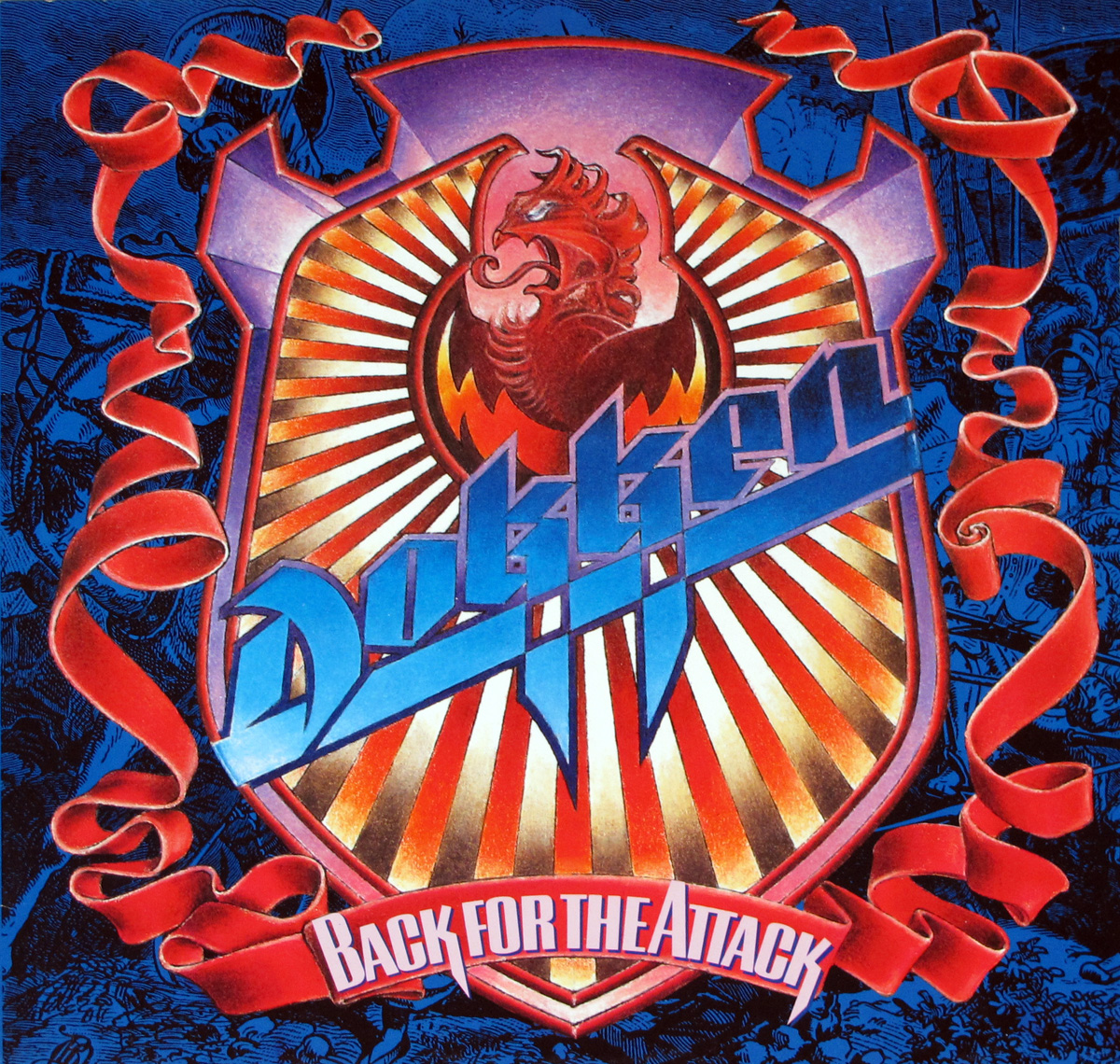
"Back for the Attack" (1987) Album Description:
Introduction on the band and the album
Back for the Attack is Dokken hitting 1987 like they own the building: big hooks, sharp suits, sharper riffs, and that “we’re not here to be subtle” confidence that made arena metal feel inevitable. This is their fourth studio album, and it plays like a victory lap that somehow still sweats. Call it heavy metal, call it hard rock, call it loud therapy with hairspray — it’s a fan-favorite for a reason.
Historical and cultural context
1987 was peak glossy aggression: MTV on full blast, guitar heroes everywhere, and bands fighting for attention like it was a contact sport. The scene wanted choruses you could yell from the cheap seats, and Dokken showed up with melodies that stick and riffs that bite. The vibe is Hollywood-nighttime tough, but polished enough to pass the bouncer.
How the band came to record this album
In this release, the classic lineup hits that familiar crossroads: staying hungry while the spotlight gets brighter and the expectations get louder. Don Dokken’s vocals sit front-and-center, George Lynch’s guitar work keeps flashing teeth, and the whole band sounds like they’re trying to outdo their own reputation without admitting it. The result feels ambitious, a little restless, and very “don’t blink or you’ll miss the hook.”
The sound, songs, and musical direction
On this album, everything is bright steel and late-night neon: crunchy rhythm guitars, melodic leads that glide and then slash, and choruses engineered to live rent-free in your head. Kiss of Death comes out swinging with real weight, Heaven Sent brings the softer glow without going syrupy, and Dream Warriors turns the whole thing into a pop-culture moment with fangs. Even the heavier cuts keep that Dokken trick intact: danger, but make it sing.
Comparison to other albums in the same genre/year
Here, the record sits in the sweet spot between radio muscle and street-level bite. Compared with the year’s big, glossy hitters, Dokken sounds less like a brand launch and more like a band that still enjoys the fight.
- Same era, different swagger: Whitesnake (Whitesnake, 1987)
- Max polish arena-pop metal: Hysteria (Def Leppard, 1987)
- Dangerously hungry hard rock: Appetite for Destruction (Guns N’ Roses, 1987)
Band dynamics and creative tensions
In this release, the music tells on them a little, in the best way: tension can be fuel, and these performances feel like everyone is pushing for the front edge of the mix. The hooks are too sharp to be accidental, and the guitar work is too vivid to be polite. Nobody sounds like they’re phoning it in — which, in 1987, is basically a miracle.
Critical reception and legacy
On this album, the “strongest release” reputation makes sense because it still feels alive, not museum-still. The big cultural stamp is Dream Warriors, tied to A Nightmare on Elm Street 3: Dream Warriors, which helped push the album into wider view without sanding off the edge. Decades later, it’s still a go-to when someone asks what “catchy but heavy” is supposed to mean.
The album cover
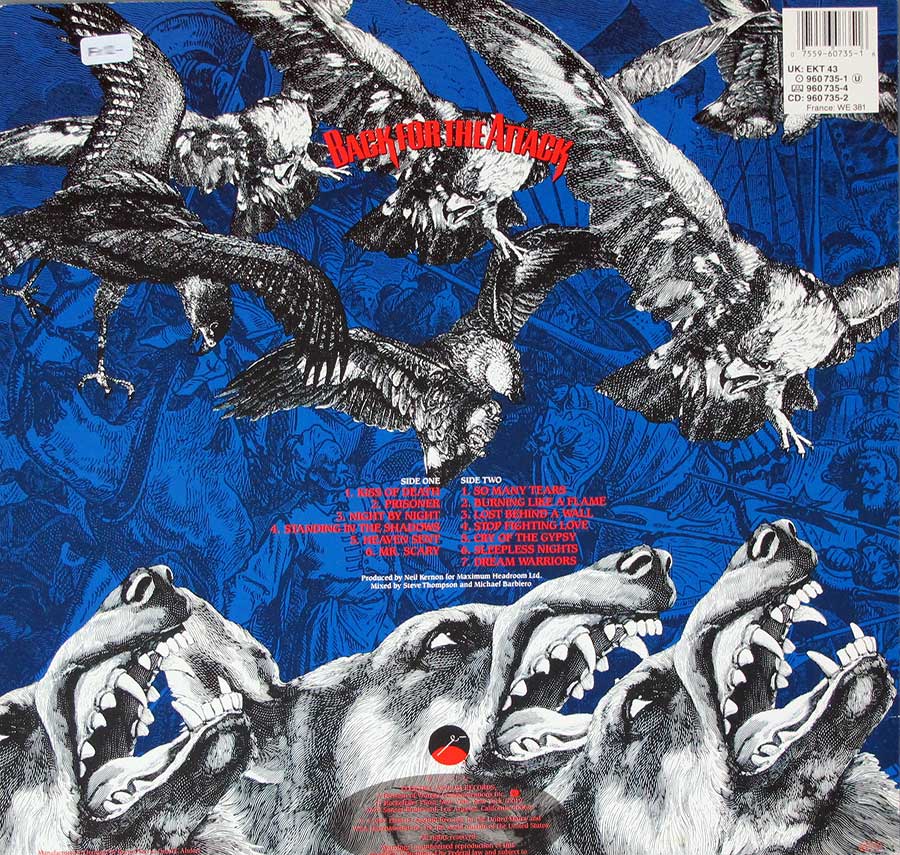
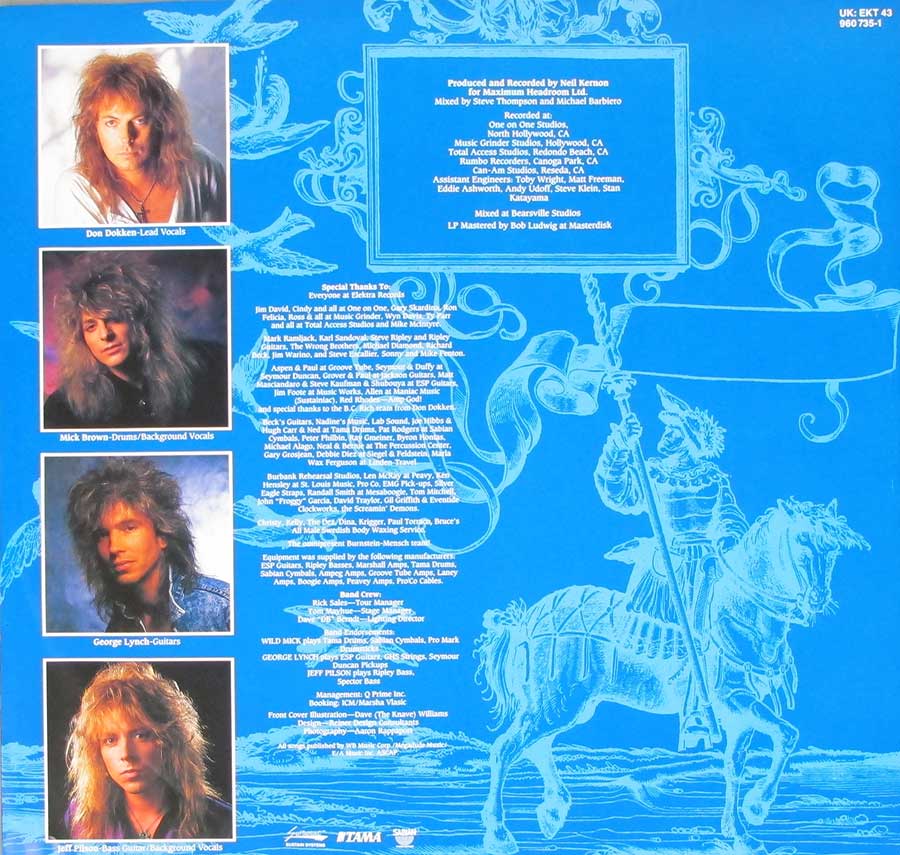
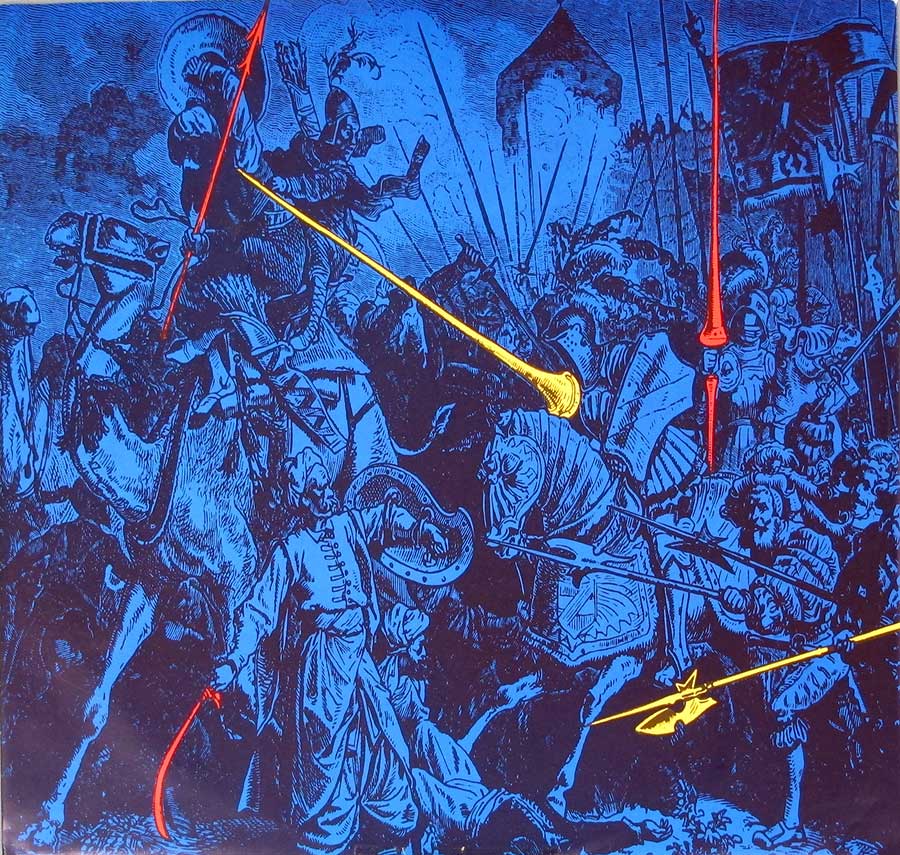
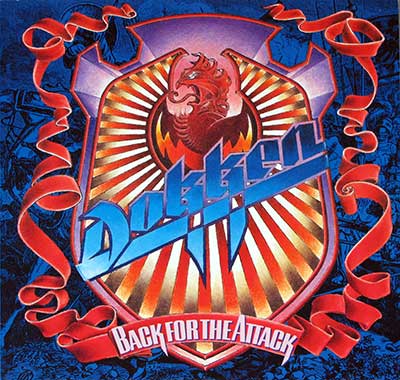
The cover art (credited here to Dave “The Knave” Williams) fits the record’s mood: bold, dramatic, and made to grab your eyes from three bins away. The collector bonus is real but not obnoxious: this copy includes the original custom inner sleeve with album details, complete lyrics, and artwork/photos, which is exactly the kind of paper treasure that makes a record feel like an artifact, not just audio.
Reflective closing
Dropping the needle on Back for the Attack still feels like stepping into a lit-up night where everything is slightly too loud and nobody’s apologizing. The riffs have that clean punch, the choruses still hit, and the whole thing carries the smug glow of a band that knew the era was theirs — no cap. Some records age; this one keeps its leather jacket.