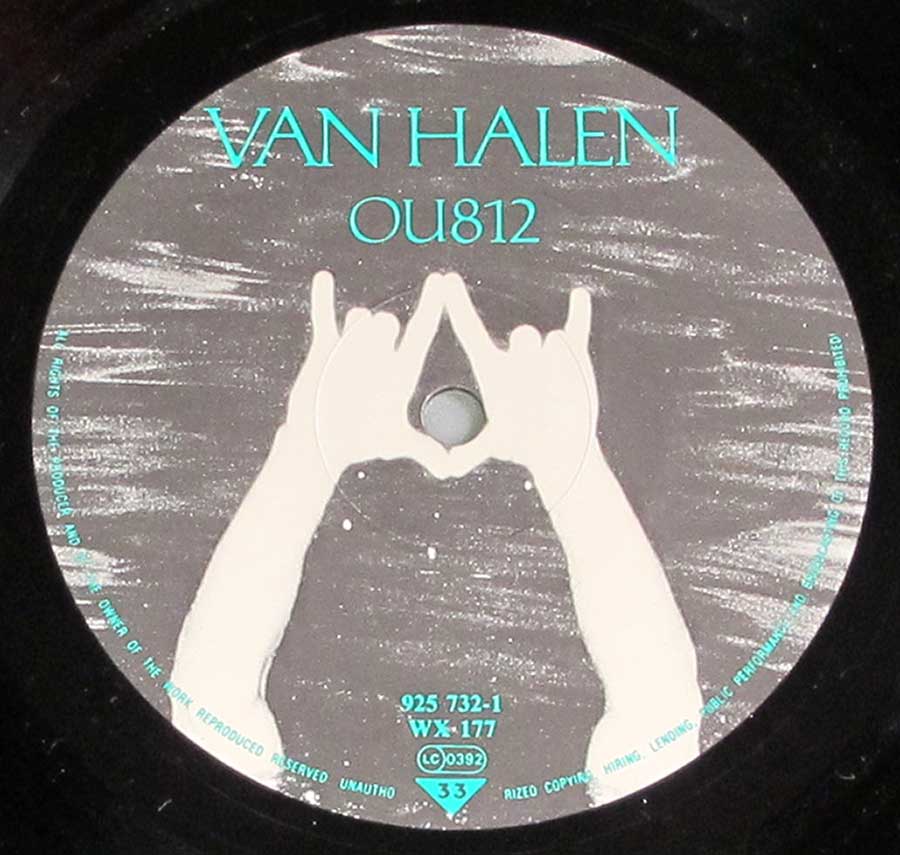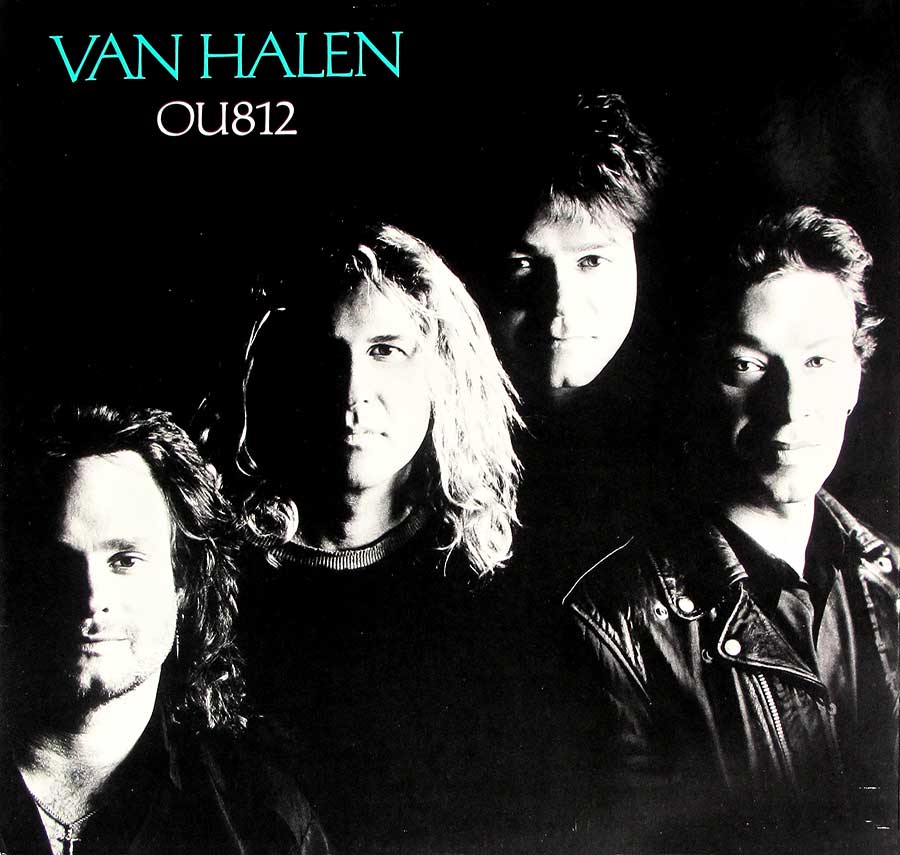
"OU812" (1988) Album Description:
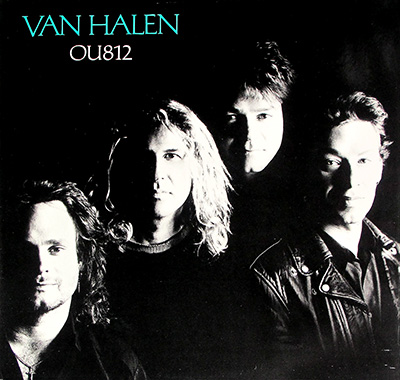
OU812 is Van Halen hitting that late-80s sweet spot where the riffs still bite, the choruses still grin, and the whole thing feels built for big rooms and bigger moods. This is their eighth studio album, and it sounds to me like a band that already knows how to win the crowd, but still wants to surprise them while they’re cheering.
Introduction on the band and the album
Van Halen in 1988 is not a “new band energy” situation; it’s a “we’ve lived inside amplifiers for a decade” situation. OU812 plays like a confident chapter in that story: hard rock muscles, heavy metal edge, and melody that keeps sneaking in like it owns the place.
Historical and cultural context
1988 was deep in the era where hard rock got shinier, hooks got louder, and a lot of bands chased polish without earning it. Van Halen had the advantage of being Van Halen: even when the sound goes sleek, the swagger is still human, still sweaty, still a little dangerous if you stand too close.
How the band came to record this album
By the time a group reaches album number eight, the real challenge isn’t “can we play?”—it’s “can we still feel alive doing this?” OU812 answers with songs that lean into craft without losing personality, like the band’s saying: yeah, we know the machine, but we’re still driving.
The sound, songs, and musical direction
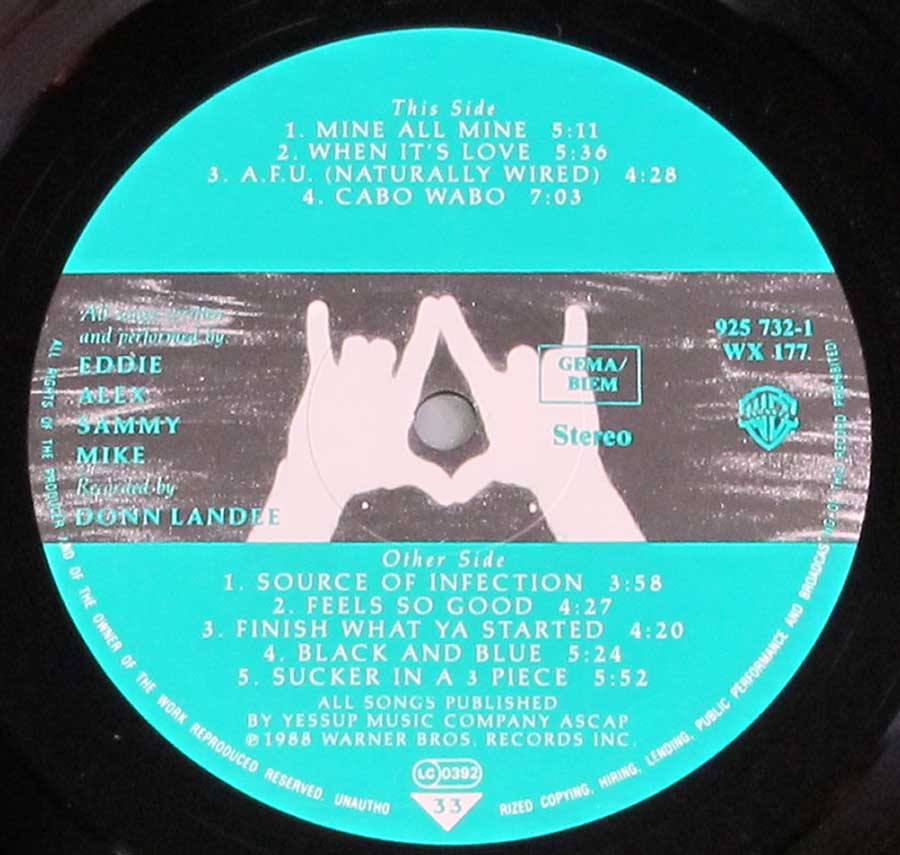
The album’s sound is that classic late-80s blend: bright, tight, and built to move fast without smearing into noise. Mine All Mine opens with that “strap in” momentum, while When It’s Love leans into pure melodic lift—big chorus, big feelings, zero apology.
Then it turns playful and punchy: Cabo Wabo has that party-on-the-edge vibe, like the band’s laughing while the speakers sweat. Finish What Ya Started is the sly one—groove-first, shoulder-roll rhythm, the kind of track that makes a living room feel like a stage for three minutes.
Comparison to other albums in the same genre/year
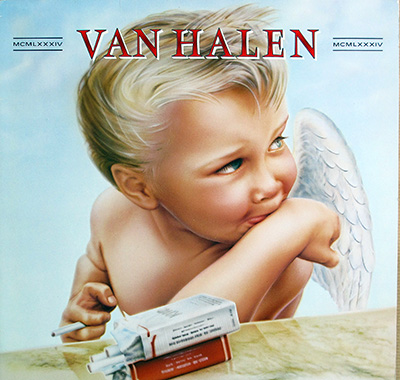
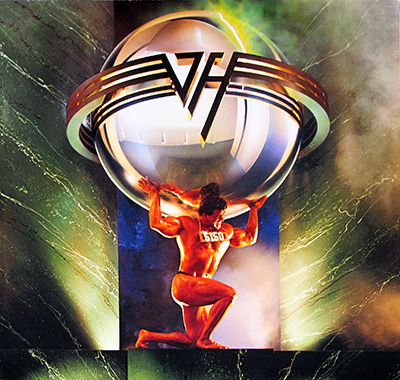
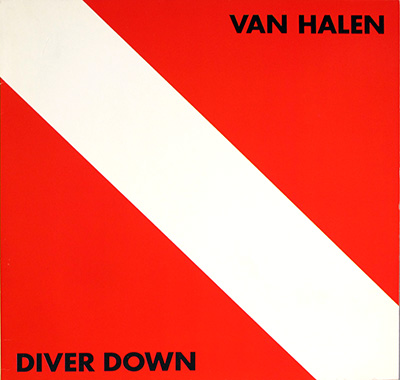
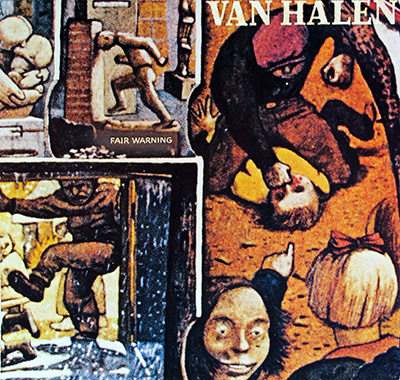
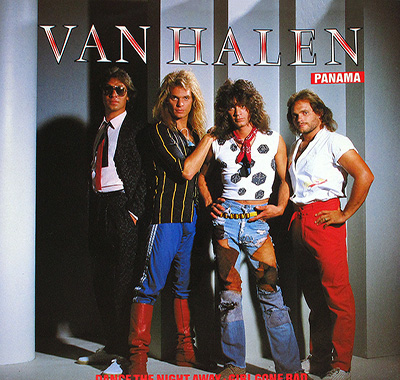
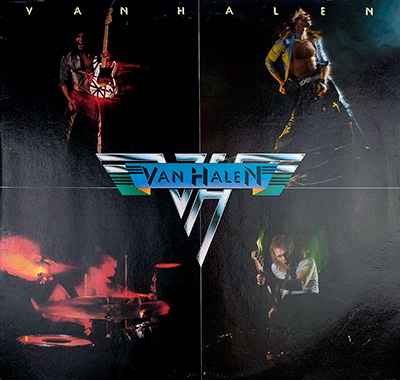
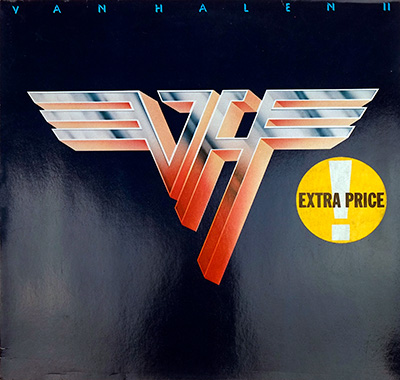
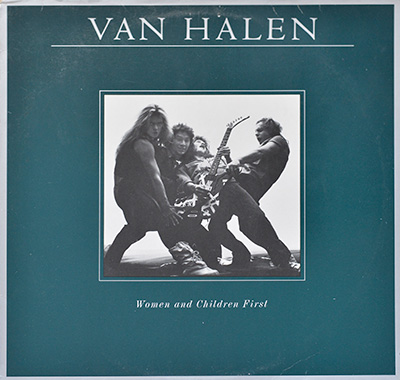
In the Van Halen universe shown right on this page, OU812 sits between the big-shadow eras: the earlier thunder of 1984, and the glossy, confident punch associated here with 5150. Where 1984 feels like a cultural firework, and 5150 reads like a locked-in reboot, OU812 comes off as the band refining the recipe—less shock-and-awe, more momentum and melody, but still with teeth.
Band dynamics and creative tensions
Nothing on this page sells drama, so no fake soap opera here. Still, the record feels like the natural friction of a big band in a big decade: the push to stay heavy, the pull to stay catchy, and the balancing act of making something that works both for the die-hards and the people who only show up when the chorus hits.
Critical reception and legacy
The funny thing about albums like OU812 is how they age: the “polish” that some folks side-eye becomes part of the time capsule, and the songwriting is what keeps it alive. Decades later, the best moments still land because the band wasn’t chasing trends so much as bending them into a Van Halen shape.
Collector notes from the sleeve
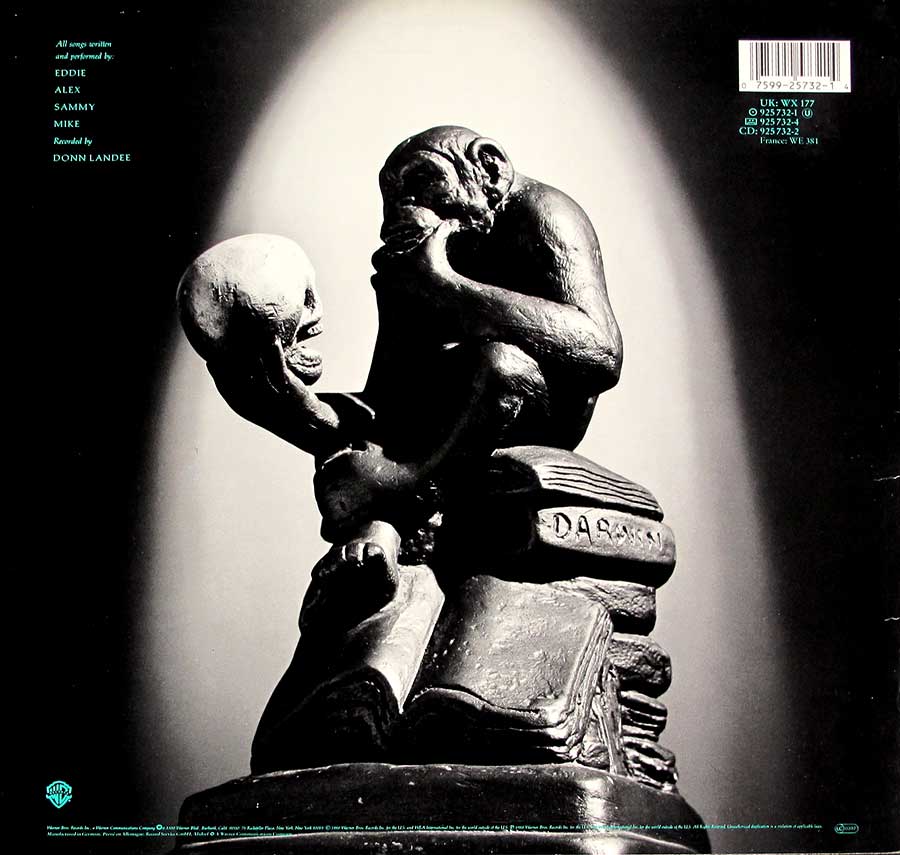
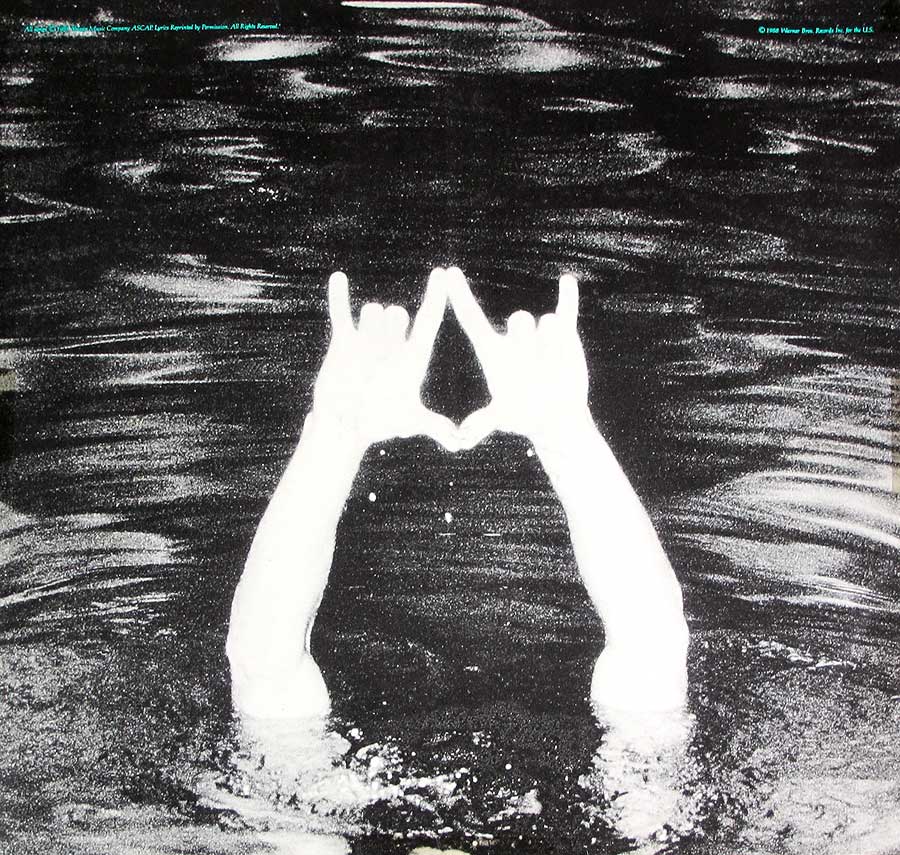
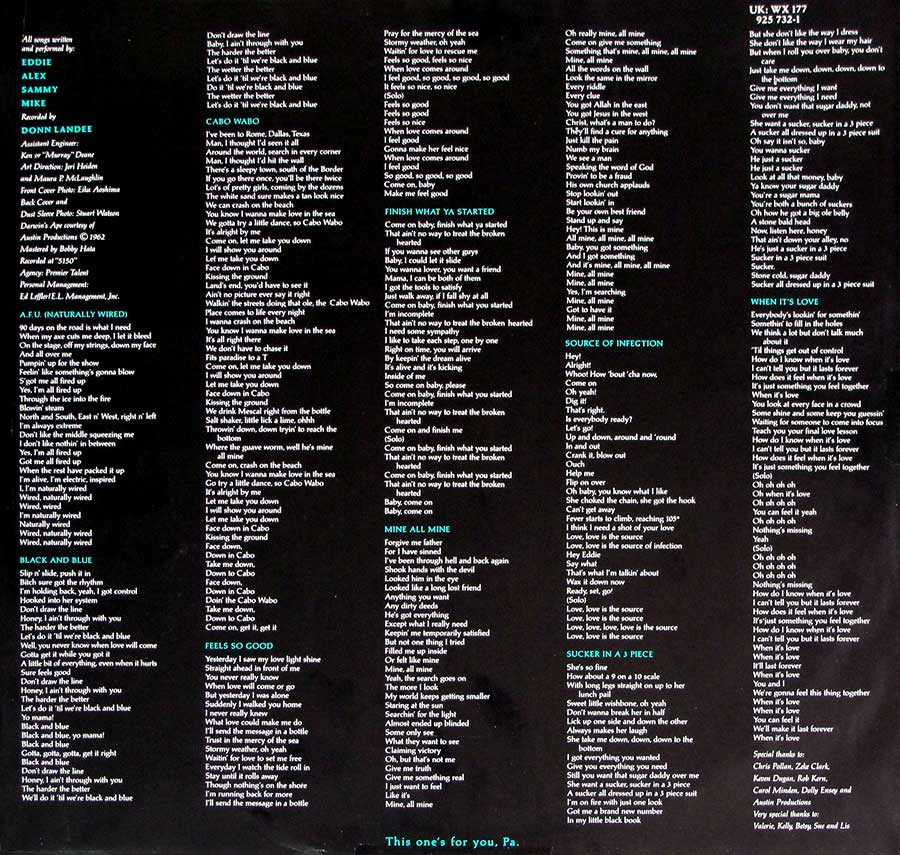
This vinyl copy comes with the original custom inner sleeve—album details, full lyrics, and artwork/photos—aka the good stuff you actually want in your hands when the needle drops. Credit where it matters: the engineering and mastering names are there for the curious, and the cover design and photography team give the whole package that era-specific glow without making it feel disposable.
Reflective closing paragraph
The title OU812 is Van Halen doing what they always did best: turning a simple phrase into a sly grin. Say it out loud and it lands as “Oh, you ate one too?”—a goofy little inside-joke vibe that fits the era’s cocktail of polish, confidence, and mischief. That wink matters, because the album moves the same way: big hooks, bright production, and a band that sounds like it’s enjoying the ride instead of posing for the brochure. Sliding OU812 back into the jacket still feels like closing a well-worn diary that smells faintly of ink, loud amps, and late-night confidence.