T.Rex Band Description:
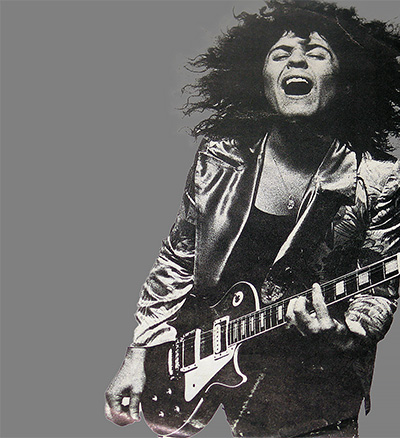
T. Rex, originally known as Tyrannosaurus Rex and later shortened to T. Rex, was an English rock band formed in London in 1967 by singer-songwriter and guitarist Marc Bolan. The band became famous for Bolan’s hook-heavy songwriting, his unmistakable voice, and a sound that jumped from mystical acid-folk into swaggering electric rock with glitter in its hair.
In the early Tyrannosaurus Rex years, the core line-up was Bolan with percussionist Steve Peregrin Took (not a standard “drummer” in the rock sense). Took left in 1969 and was replaced by percussionist Mickey Finn, and by 1970 Bolan shortened the name to T. Rex as the music shifted into a louder, more electric, pop-smart direction that helped define early glam rock.
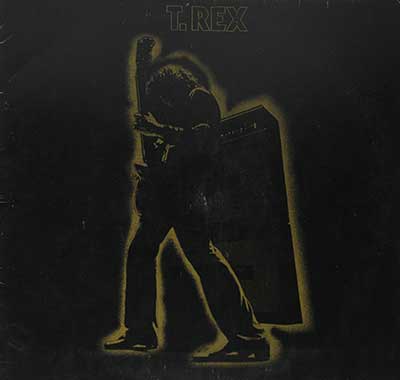
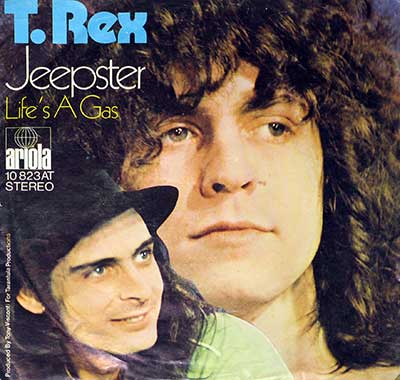
The 1971 album "Electric Warrior" was the breakthrough that turned the whole thing into “T. Rextasy,” powered by hits like "Get It On (Bang a Gong)" and "Jeepster". It hit #1 on the UK Albums Chart, and suddenly Bolan wasn’t just writing songs — he was basically writing the rulebook for glam’s shiny, riffy, teenage rocket fuel.
T. Rex became a cult band because the story is permanently frozen at maximum mythology: a brief, blazing peak, a style that feels like a whole era in two minutes, and then Bolan’s fatal car crash on 16 September 1977. That kind of trajectory doesn’t “fade out” — it gets worshipped. Add the way later generations kept borrowing the attitude (from punk to indie to metal), and you get a fanbase that treats the catalog like sacred text with better choruses.
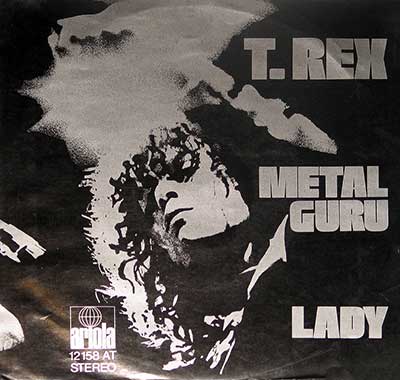
Their records are so collectable for the exact reason your shelves keep “mysteriously” filling up: high demand, iconic artwork, and a pressing history full of desirable originals and variations (especially UK-era issues on labels like Fly and earlier releases tied to the Tyrannosaurus Rex period). Condition matters a lot with these, too — glam-era sleeves lived hard — so clean originals get hunted like vintage treasure.
References
T. Rex's music was a major influence on the
glam rock movement
of the 1970s and Bolan's fashion sense and stage presence were also an influence on many other artists. The band’s run effectively ended after Bolan's death in a car accident on September 16, 1977.
MARC BOLAN Biography:
Marc Bolan, born Mark Feld on 30 September 1947 in Homerton, London, England, became one of rock’s defining glam-era voices and a key architect of early 1970s glitter-and-riff culture. His magnetic stage presence, distinctive vocal style, and bold persona pulled audiences in and helped turn glam rock into a full-on phenomenon rather than just a look.
Bolan’s passion for music showed early: he gravitated toward rock and roll and developed a sharp, catchy songwriting instinct long before the charts came calling. In the mid-1960s he worked his way through London’s scene and spent time in the band John’s Children, a useful crash-course in pop aggression, stage chaos, and how to write hooks that don’t politely ask permission.
In 1967, Bolan formed Tyrannosaurus Rex (later shortened to T. Rex), and the first version of the band leaned into psychedelic folk and mystical lyric imagery. The debut album, "My People Were Fair and Had Sky in Their Hair... But Now They're Content to Wear Stars on Their Brows" (1968), announced his unusual writing voice and set the foundation for what would soon become a far louder, more electric identity.
As the 1970s dawned, Bolan transformed the sound and the image, pushing Tyrannosaurus Rex into the streamlined, amplified world of T. Rex. The breakthrough came in 1971 with "Electric Warrior", which spawned major hits like "Get It On (Bang a Gong)" and "Jeepster" and reached #1 on the UK Albums Chart. His glitter, platform boots, and feathered bravado didn’t just match the era—it helped define it.
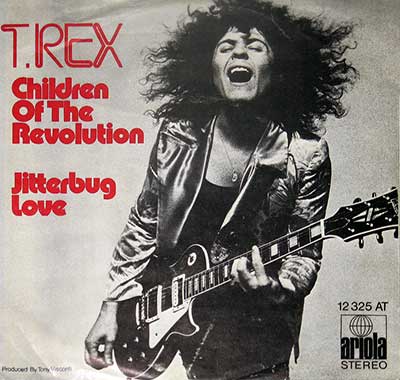
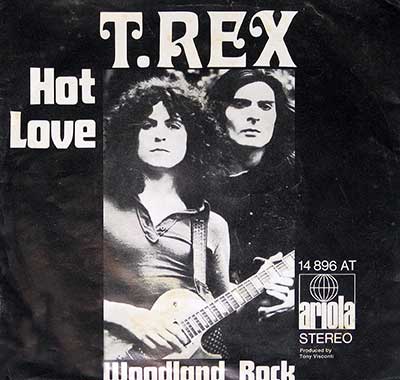
Bolan’s music fused sticky melodies, punchy riffs, and poetic wordplay into a sound that could feel both street-smart and slightly cosmic. Singles like "Hot Love", "Telegram Sam", and "Children of the Revolution" cemented his chart dominance and made T. Rex one of Britain’s biggest acts of the early 1970s.
Tragically, Bolan’s life was cut short at 29 when he died in a car accident on 16 September 1977 in Barnes, London. His death shocked the music world and froze his story at peak brightness—no slow fade-out, no quiet retirement, just a sudden full stop.
Bolan’s legacy extends well beyond his own hits: his blend of swagger, fantasy, and pop-perfect riff craft helped open doors for glam rock’s explosion and echoed forward into later rock movements. He didn’t just ride the glam wave—he helped build the surfboard, right alongside other early-70s British trailblazers.
Marc Bolan’s star burned fast, loud, and impossibly shiny, and that’s exactly why it still feels alive. The songs remain immediate, the persona remains larger than life, and the whole Bolan universe still sells the idea that rock can be dangerous, romantic, and ridiculous in the best possible way.