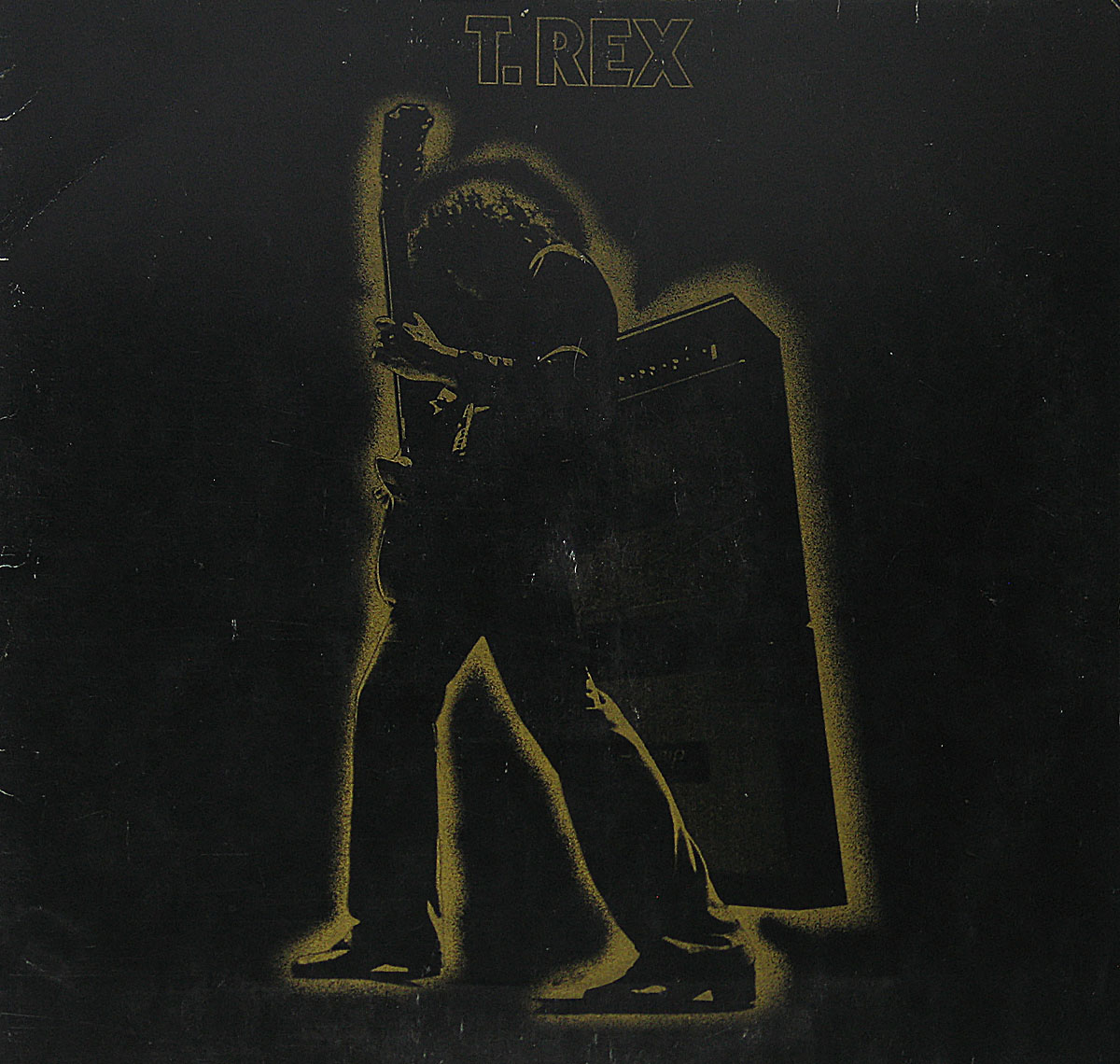
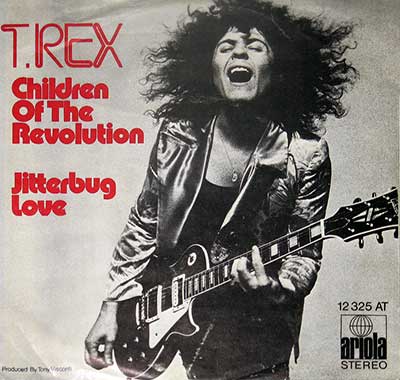
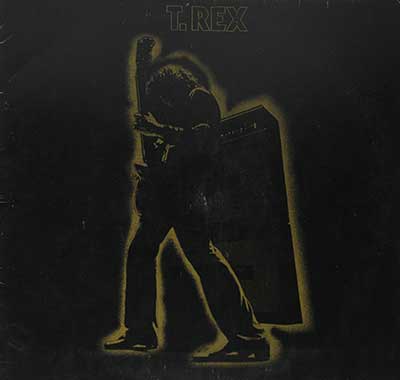
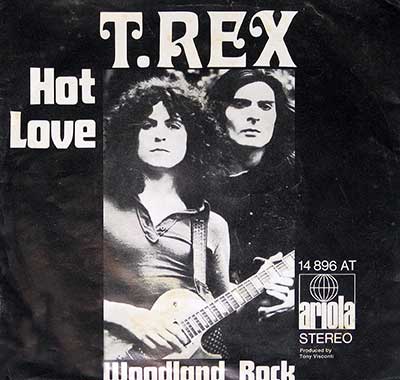
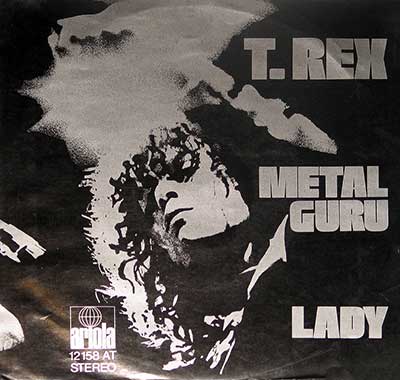
Picture this: It's 1971, and the airwaves are thick with the dying gasps of psychedelic rock. Out of the ashes of this fading scene, a creature emerges, shimmering with glitter, clad in satin, and wielding an electric guitar like a weapon. This creature is Marc Bolan, the androgynous frontman of T.Rex, and the album he's unleashed is Electric Warrior - a sonic orgy of glam rock that will forever alter the landscape of popular music.
Bolan, once a folkie troubadour, had undergone a metamorphosis. He'd traded in his acoustic guitar for an electric Les Paul, his Tolkien-inspired lyrics for tales of cosmic dancers and planet queens, and his humble demeanor for a swaggering stage presence that dripped with sexuality and rebellion.
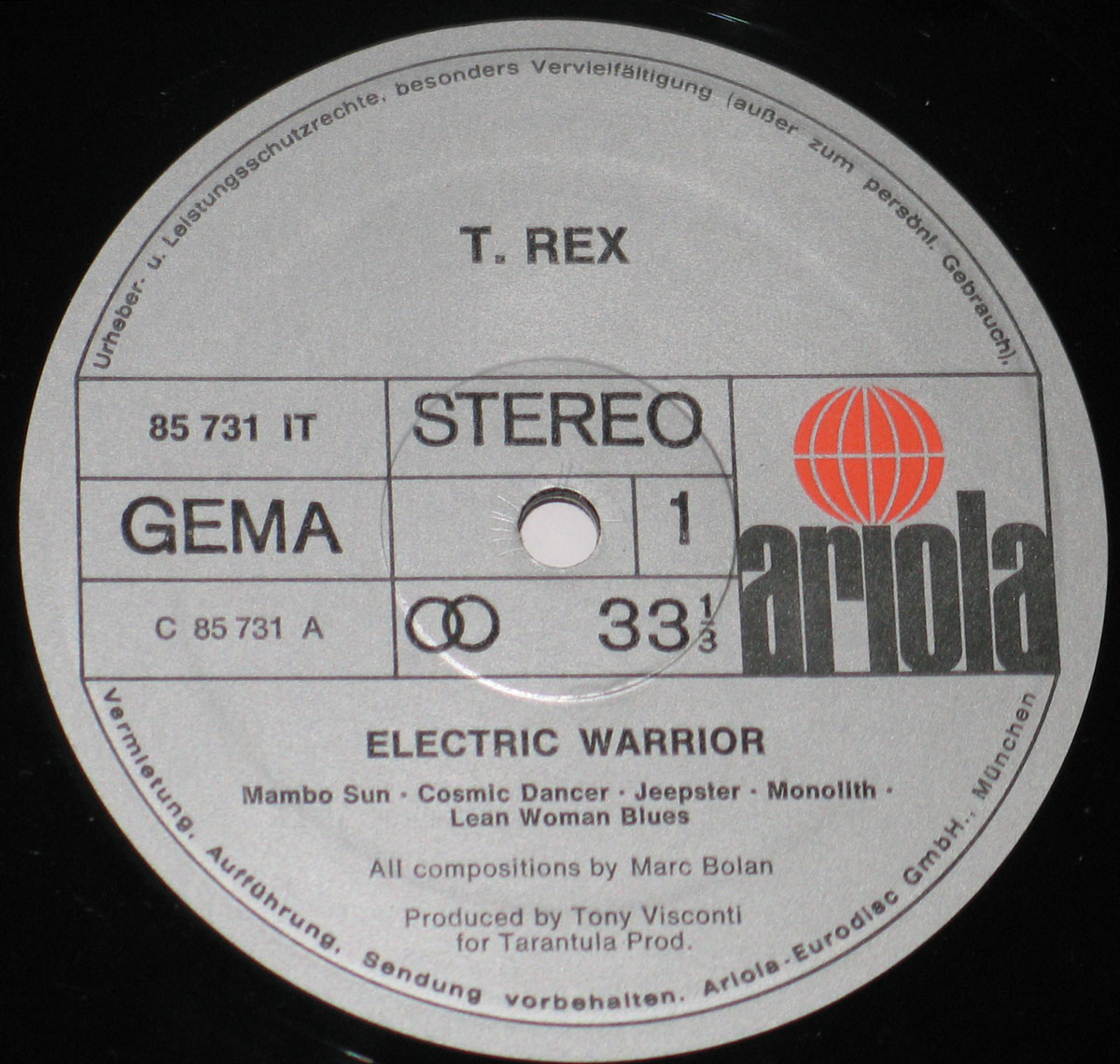
Electric Warrior was a culmination of this transformation. It was a raw, primal, and unapologetically glamorous record that captured the essence of the burgeoning glam rock movement. Produced by Tony Visconti, the album was recorded at Trident Studios and Advision Studios, and it featured a tight-knit band that included Mickey Finn on percussion, Steve Currie on bass, and Bill Legend on drums.
From the opening chords of "Mambo Sun," it was clear that T.Rex was a force to be reckoned with. Bolan's vocals, a mix of snarling bravado and seductive crooning, were the perfect complement to the band's driving rhythms and infectious melodies. "Cosmic Dancer," a ballad of cosmic proportions, showcased Bolan's poetic sensibilities and his ability to craft songs that were both ethereal and grounded.
The album's centerpiece, "Bang a Gong (Get It On)," was a glam rock anthem that exploded onto the charts with the force of a supernova. It was a song that demanded to be played at maximum volume, a call to arms for a generation that was hungry for something new, something exciting, something that would shake them to their core.
But Electric Warrior wasn't just about bombast and spectacle. It also had its quieter moments, like the melancholic "Monolith" and the bluesy "Lean Woman Blues." These songs revealed Bolan's vulnerability and his ability to convey a range of emotions, from joy to despair.
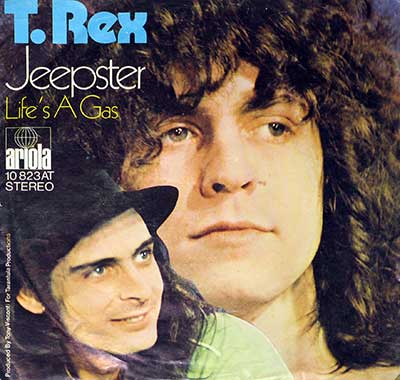
"Jeepster," a swaggering ode to a rock and roll rebel, and "Girl," a tender love song, showcased Bolan's versatility as a songwriter. He could pen anthems that would ignite stadiums and ballads that would tug at heartstrings.
"The Motivator" and "Life's a Gas" were infused with a sense of youthful exuberance and a carefree spirit that captured the zeitgeist of the early 1970s. The album's closing track, "Rip Off," was a defiant declaration of independence, a middle finger to the establishment, and a reminder that T.Rex was a band that played by its own rules.
Electric Warrior was not without its controversies. Bolan's androgynous image and flamboyant stage persona challenged traditional notions of masculinity, and his lyrics, often laced with sexual innuendo, raised eyebrows among the more conservative elements of society.
But these controversies only served to fuel T.Rex's popularity. The band's music was a celebration of individuality, a call to embrace one's true self, and a rejection of conformity. It was a message that resonated with a generation that was ready to break free from the constraints of the past.
Electric Warrior was a landmark album that cemented T.Rex's place in rock and roll history. It was a record that defined an era, a sonic testament to the power of glam rock, and a reminder that music can be a catalyst for change. Bolan's untimely death in 1977 cut short his career, but his legacy lives on through the music he created. Electric Warrior remains a timeless classic, a testament to the enduring power of rock and roll.