Supermax - World of Today (1977): A Sonic Exploration
Historical Context: The Dawn of Acid Disco
The late 1970s marked a seismic shift in music, a time when the cosmic and the carnal collided on the dancefloor. Disco, already a dominant force, was evolvingÑits slick commercial sheen giving way to a darker, funkier underbelly. Supermax, helmed by the enigmatic Kurt Hauenstein, stood at this intersection, crafting a sound that was equal parts hypnotic groove and psychedelic space-funk.
It was also an era of political tension, social unrest, and shifting cultural landscapes. Germany, where World of Today was conceived, was in the midst of Cold War anxieties, a country split in two yet surging with artistic expression. The album reflects this moodÑfuturistic yet anxious, groovy yet otherworldly, a perfect sonic backdrop to late-night cityscapes illuminated by neon dreams.
Musical Exploration: Fusing Disco, Funk, and Dub
World of Today isnÕt just a disco recordÑitÕs a revelation. While the pulsing basslines and hypnotic four-on-the-floor beats are unmistakably dance-oriented, thereÕs something deeper at play here. Hauenstein, a master bassist and vocalist, injects elements of dub, reggae, space rock, and a deep, moody psychedelia into the mix.
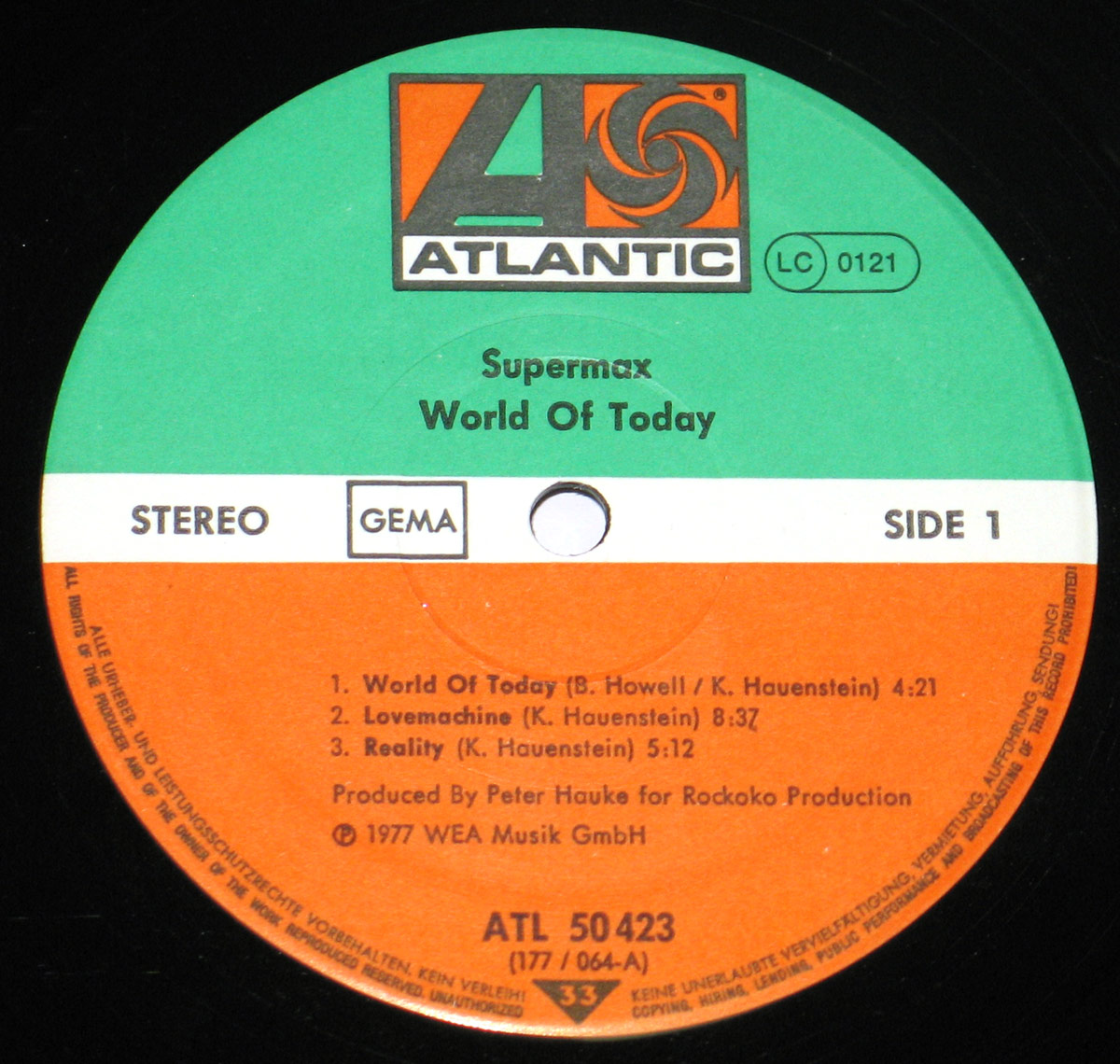
The albumÕs most iconic track, "Lovemachine", is a nearly nine-minute odyssey, its rolling bassline and eerie synth washes creating a trance-like atmosphere. The slow-burning title track, "World of Today", is both introspective and groovy, pulling the listener into a shimmering, dreamlike haze. Meanwhile, tracks like "Reality" and "I Wanna Be Free" bridge the gap between tight funk arrangements and sprawling cosmic jams.
Unlike the bombastic, polished productions of American disco acts, SupermaxÕs sound is gritty, raw, and tinged with a rebellious energy. ThereÕs a feeling of restraint, a hypnotic repetition that owes more to Jamaican dub pioneers than to Studio 54.
Genre: Acid Psych Disco Meets Space Funk
SupermaxÕs music defies easy classification. World of Today sits at the crossroads of several genres:
- Acid Disco: Unlike mainstream disco, this strain incorporates a darker, more psychedelic aesthetic.
- Space Funk: A blend of pulsating bass, spaced-out synths, and reverb-drenched vocals.
- Dub Influence: Echoing drum patterns and a deep bass presence that owe much to Jamaican studio techniques.
HauensteinÕs deep, almost ghostly vocal delivery only adds to the mystique, giving the music an ethereal, almost post-apocalyptic feel.
Production and Recording Studios
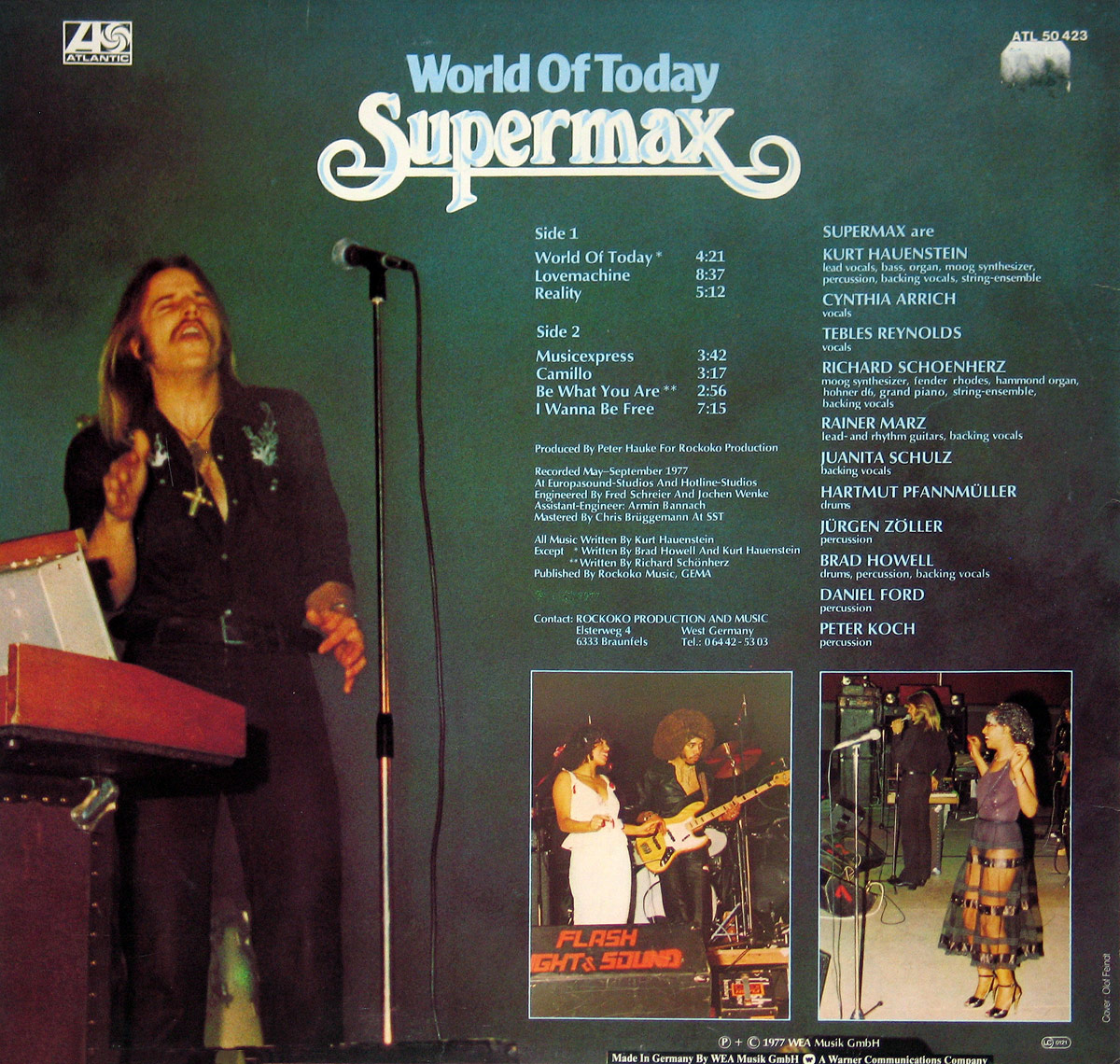
Produced by the legendary Peter Hauke for Rockoko Productions, the album was recorded between May and September 1977 at Europa Sound Studios and Hotline Studios. These studios, known for their innovative sound engineering, provided the perfect environment for SupermaxÕs unique fusion of styles.
The engineering team, led by Fred Schreier and Jochen Wenke, created a mix that emphasized deep bass frequencies and atmospheric textures. Armin Bannach served as the assistant engineer, while final mastering was handled by Chris BrŸggemann at SST Studio.
The production choices were unconventional for a disco album, favoring a more organic, live feel over the polished, orchestrated sound of American counterparts. The use of analog synthesizers, deep reverbs, and spacey delay effects further pushed the record into psychedelic territory.
Controversies and Challenges
SupermaxÕs music, while widely embraced in underground clubs and European circles, was not without its controversies. Hauenstein, an Austrian musician working in Germany, was one of the first white European artists to incorporate elements of reggae and dub into his workÑa move that, at times, drew both admiration and criticism.
Additionally, the bandÕs lineup featured Black and female vocalists, which was uncommon in European rock and disco acts at the time. SupermaxÕs multicultural approach made them stand out, yet it also led to difficulties in securing mainstream radio play in some countries.
Differences Between Releases
While the core of the album remained the same, there were slight differences in various pressings:
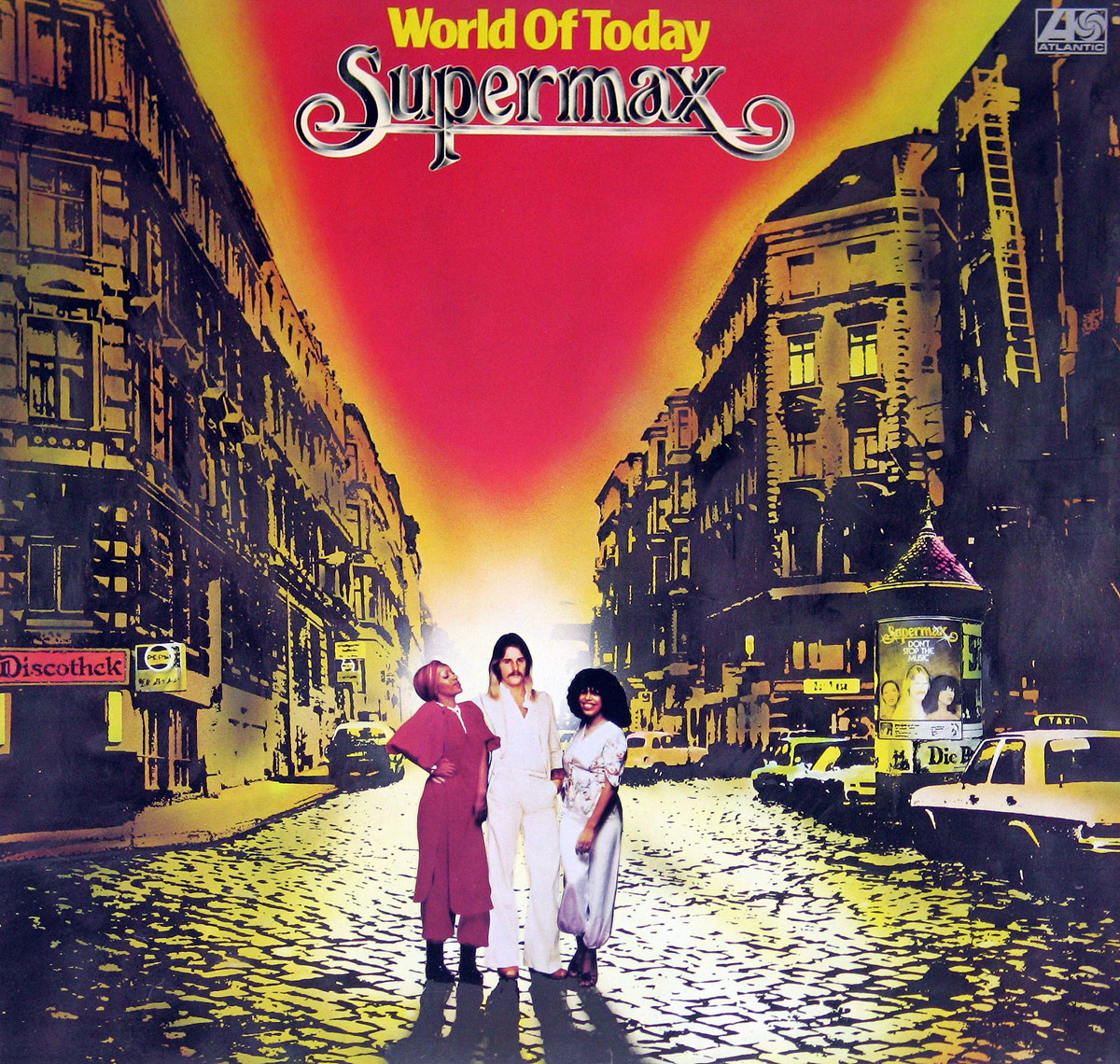
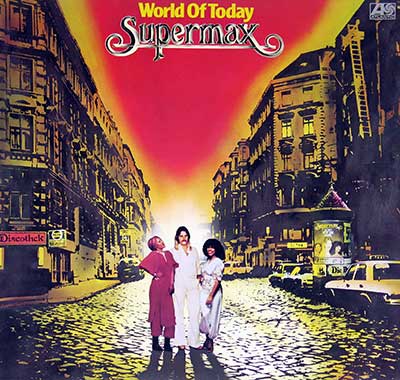
- German and European pressings: These featured the iconic neon-hued cityscape cover with Hauenstein and his vocalists standing in the foreground.
- U.S. Pressing: Atlantic Records briefly distributed the album in the U.S., though it received limited promotion.
- Alternate Mixes: Some later reissues featured slightly different mastering, with more pronounced bass frequencies.