Brian Slagel is widely regarded as one of the key architects of modern heavy metal. In 1982, he founded Metal Blade Records, initially as a passion project to document the rising underground scene. The label quickly became a launchpad for bands such as Metallica, Slayer, Mercyful Fate, and Trouble, helping transform tape-trading obscurities into global forces. Alongside his role as a label head, Slagel also worked as a producer with acts like Flotsam and Jetsam, Exciter, and Trouble, leaving a lasting imprint on the sound and infrastructure of 1980s metal.
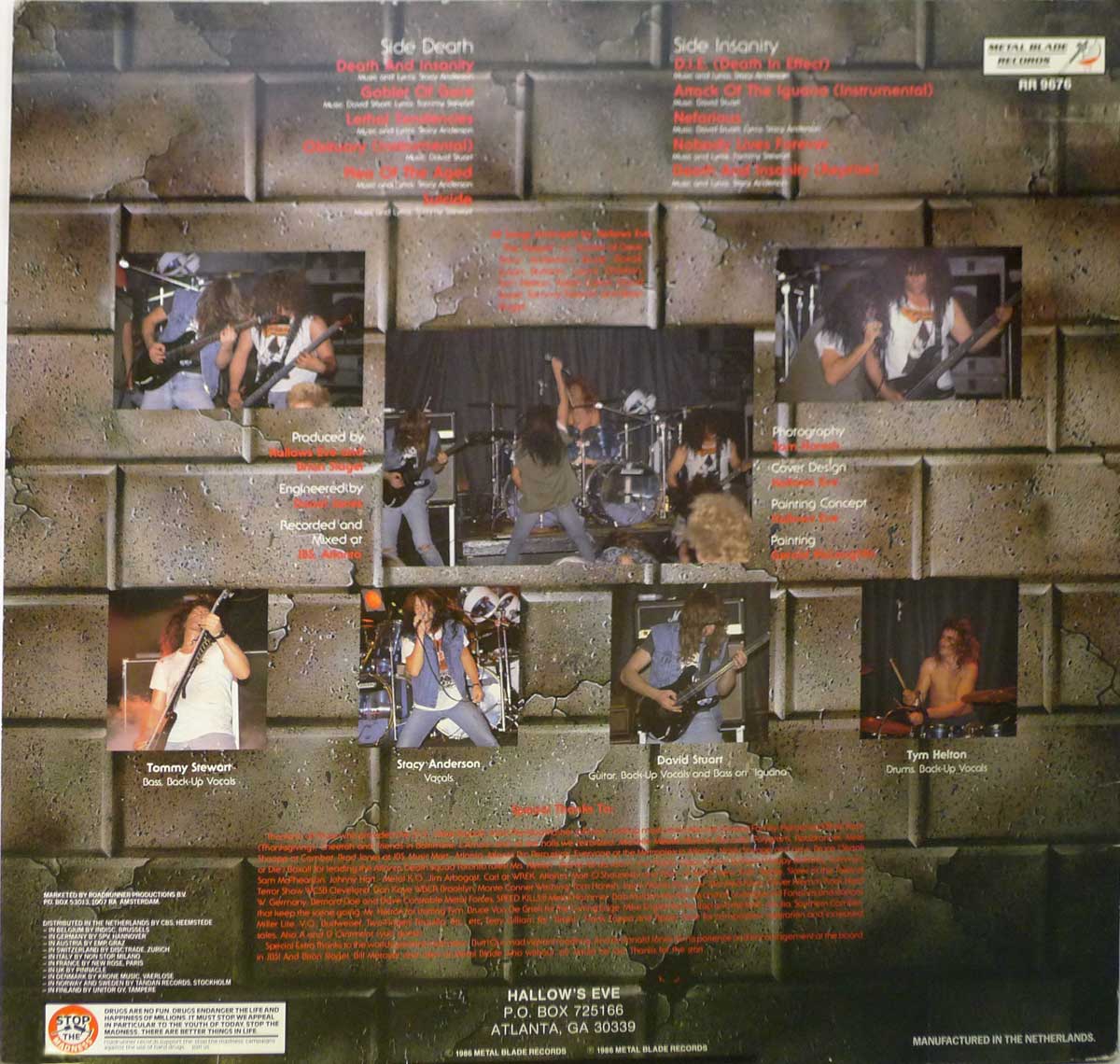
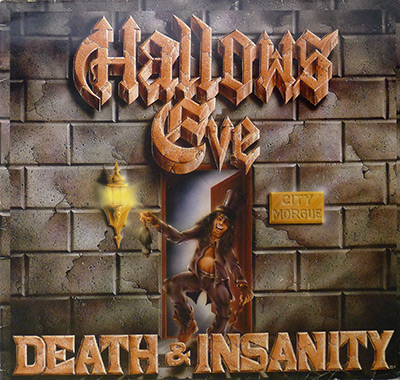
Hallows Eve - Death & Insanity 12" Vinyl LP Album
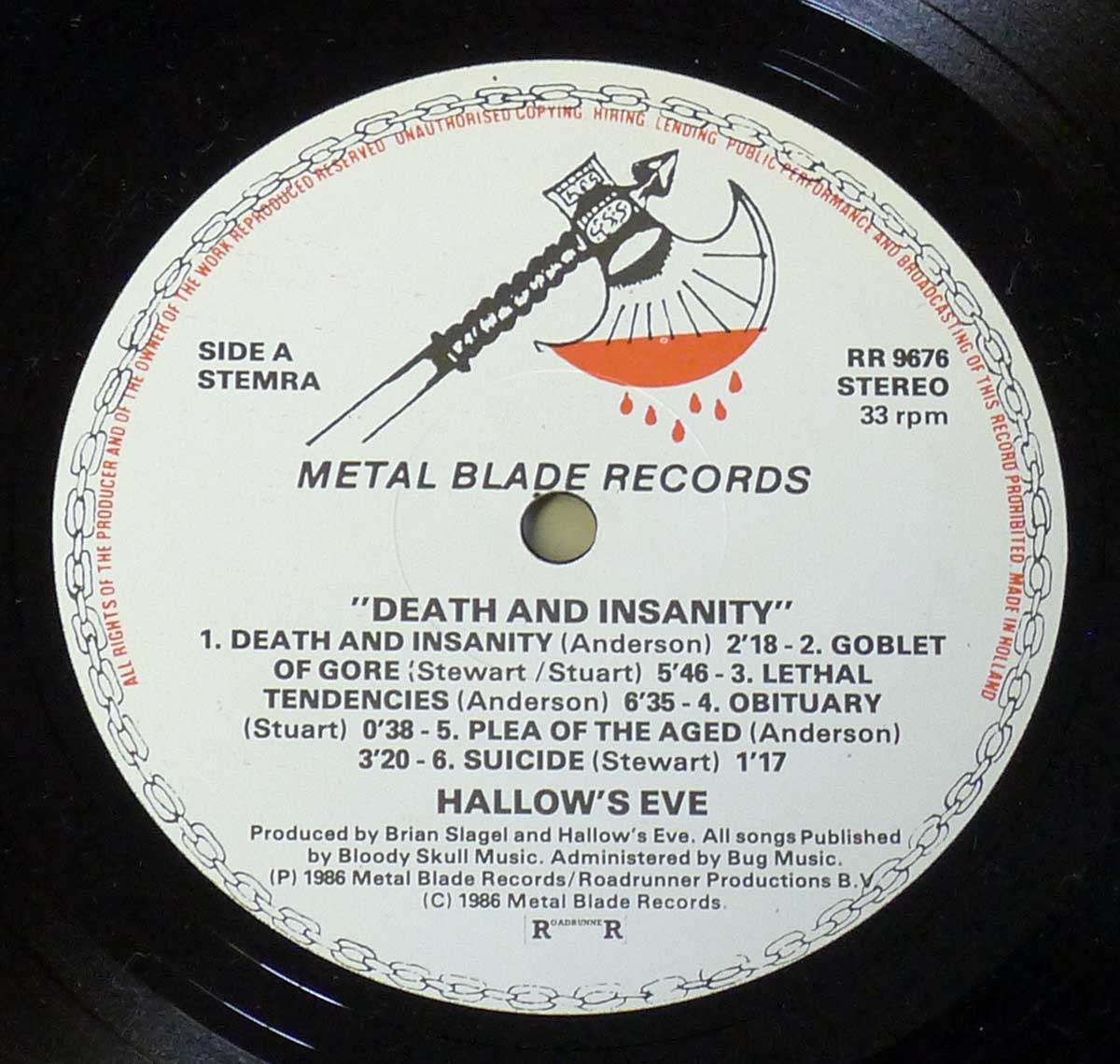
- Metal Blade Records Release with Blood Dripping Axe on Record Label, see photos below
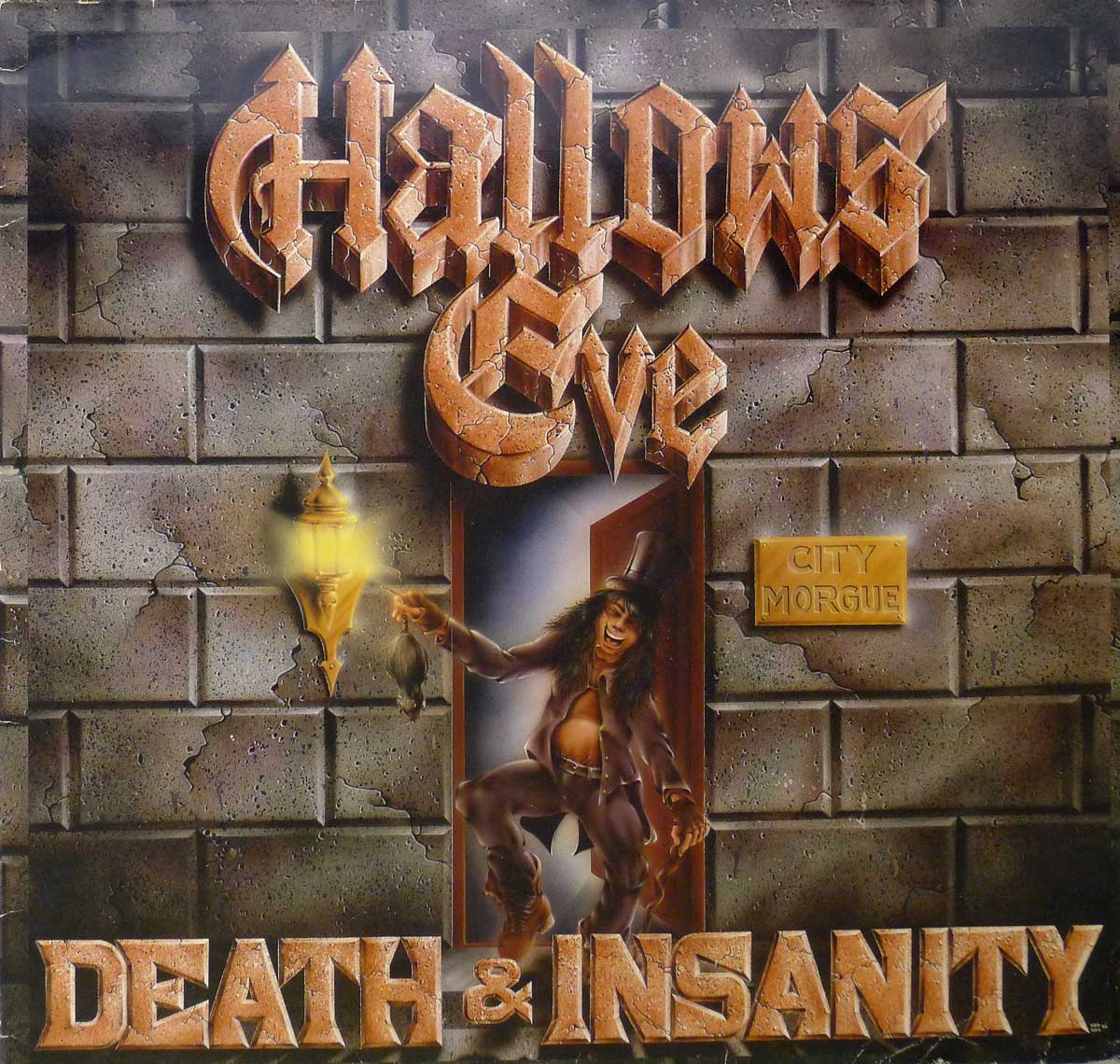
"Death & Insanity," the second studio masterpiece by the American Speed/Thrash Metal juggernaut Hallow's Eve, roars to life on a 12" Vinyl LP Album. Released in 1986, this album stands as a cornerstone in the band's discography, showcasing their prowess in the speed and thrash metal realms. With a visceral blend of aggression and musical innovation, "Death & Insanity" solidifies Hallow's Eve's impact on the thriving metal scene during this dynamic period. is the second studio album by the American Speed/Thrash Metal band "Hallow's Eve" and was released in 1986.