Destruction is a German thrash metal band born in 1982 in Weil am Rhein, right on the edge of the map where borders, noise, and bad ideas meet. Early on they even went by Knight of Demon, which tells you everything about the era: big names, bigger amps, and absolutely no interest in being subtle.
The easy version is “fast and aggressive.” The real version is more physical: riffs that bite down and don’t let go, drums that push like a crowd surge, and Schmier’s bark riding it all like a warning siren. Stick around for the part people always argue about—the mid-career identity crisis—and why the band still sounds like it’s trying to kick a dent into the nearest metal door.
West Germany in the early ’80s: pressure in the walls
West Germany in 1982 wasn’t exactly a spa retreat. Cold War anxiety hung in the background, youth culture ran on cheap beer and cheaper rehearsal rooms, and the metal underground moved through tape-trading, flyers, and word-of-mouth like it was passing contraband. Destruction came out of that climate with one clear message: louder, faster, meaner—no polite handshake required.
How they actually started moving
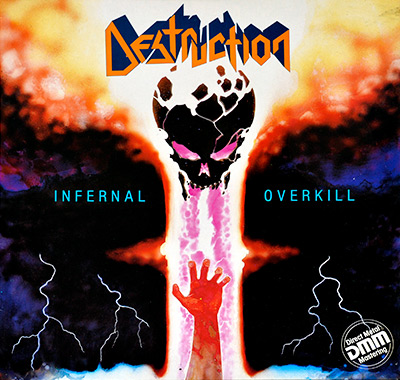
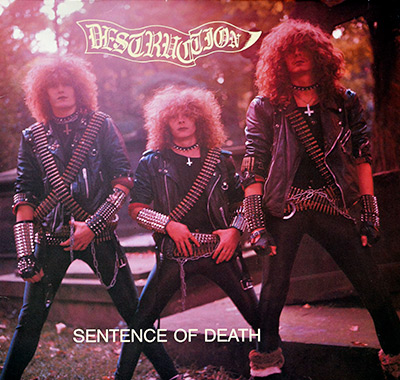
The origin story isn’t romantic; it’s practical. Teenage stubbornness, local scene momentum, and a lineup built around Mike Sifringer’s slicing guitar and Marcel “Schmier” Schirmer’s bass-and-vocals command. By 1984 they’d fired off the "Sentence of Death" EP, and by 1985 the first full-length "Infernal Overkill" arrived like a thrown brick—no padding, no apologies.
Teutonic thrash context: who they were elbowing next to
Put them in the same year and the same country as Kreator, Sodom, and Tankard, and you get that classic German thrash split-personality: precision and chaos, humor and violence, all in the same jacket. Across the ocean you had bands like Slayer, Exodus, and Testament sprinting in parallel lanes—Destruction didn’t copy that; they punched a different wall, with a colder grin.
The sound: rust, speed, and intent
Destruction’s best stuff doesn’t “showcase technicality.” It lunges. The guitars scrape and carve, the bass isn’t background furniture, and the tempos feel like they’re trying to outrun the room. Even when they toss in a wink—because they do—that wink is delivered with a boot still on the gas.
The messy era (and why people still argue about it)
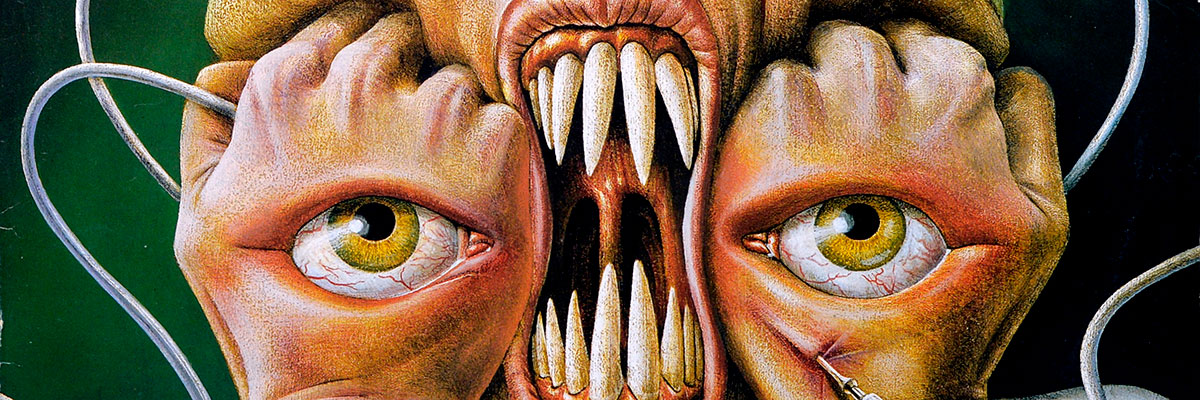
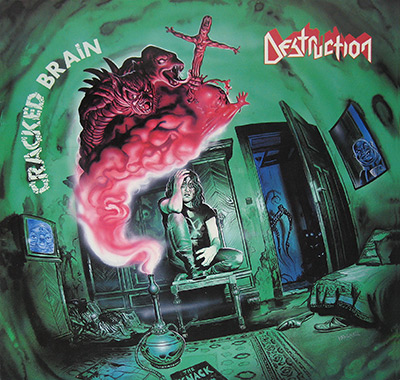
In 1989, Schmier was out during the "Cracked Brain" sessions, and André Grieder handled vocals on the 1990 album. That period is where opinions get loud: some fans treat it like a detour, others defend it like a wounded dog. Either way, it wasn’t “creative evolution” in a tidy textbook sense—it was band chemistry changing under stress, and the results sound like it.
The comeback: fewer excuses, sharper edges
The big reset came in 1999 when Schmier returned and the band snapped back into a tougher, more direct shape. New drummer, renewed pace, and a clear goal: make the riffs hit again, not “reinterpret the brand.” It wasn’t nostalgia; it was course-correction.
Controversies and misconceptions
There isn’t some legendary scandal attached to Destruction that everyone can agree on—no single headline that defines them. The real controversy is smaller and more typical: fans fighting over lineup eras, especially the Schmier-less years, and outsiders lazily labeling them “political activists” because the lyrics sometimes stare at war and corruption instead of dragons. Thrash can do both, thanks.
One quiet personal anchor
Destruction always felt like the band you’d find in the record shop bin when you’d already bought the obvious titles and still wanted something harsher. Late afternoon, fluorescent lights, cheap headphones, and that first riff hitting like a bad mood you didn’t know you needed.
References
Destruction isn’t a “legacy act” when they’re on. It’s more like a machine that still hates silence—sometimes refined, sometimes rough, but never politely decorative. If that annoys someone, good. Metal isn’t supposed to behave.