"Into the Pandemonium" (1987) Album Description:
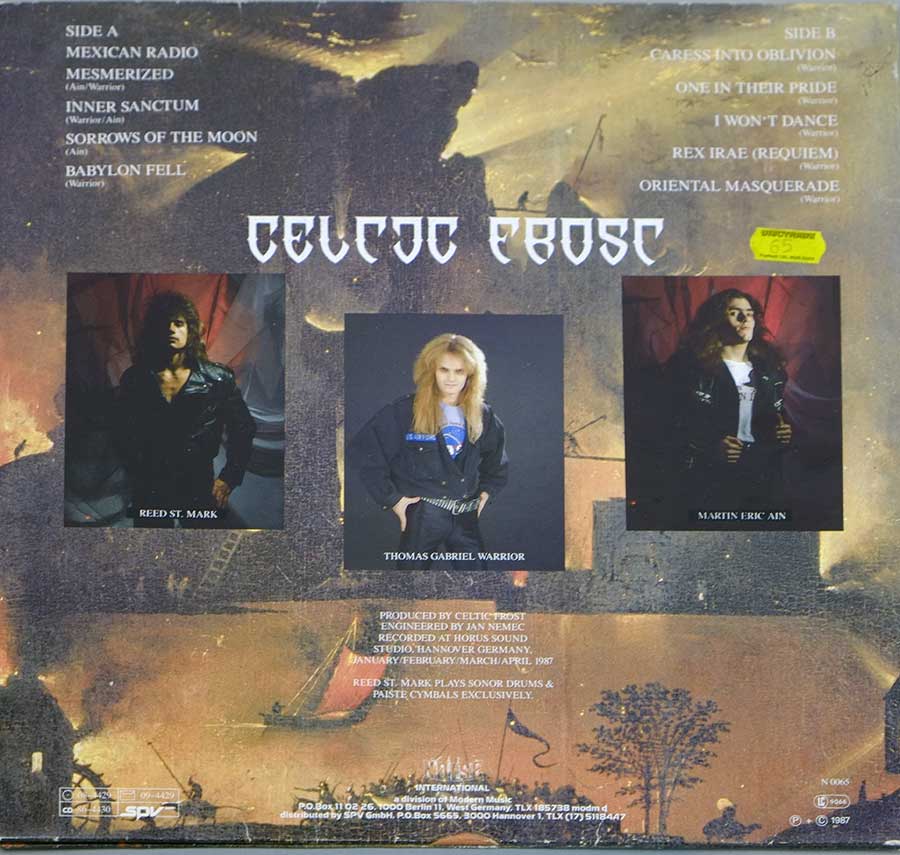
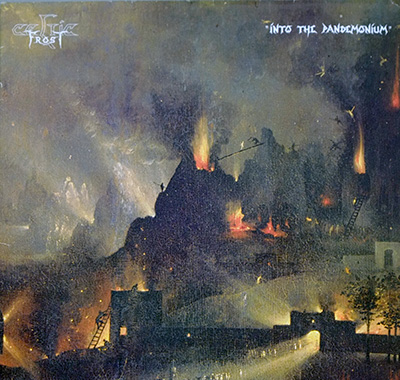
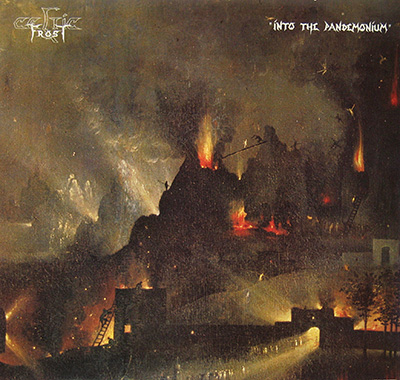
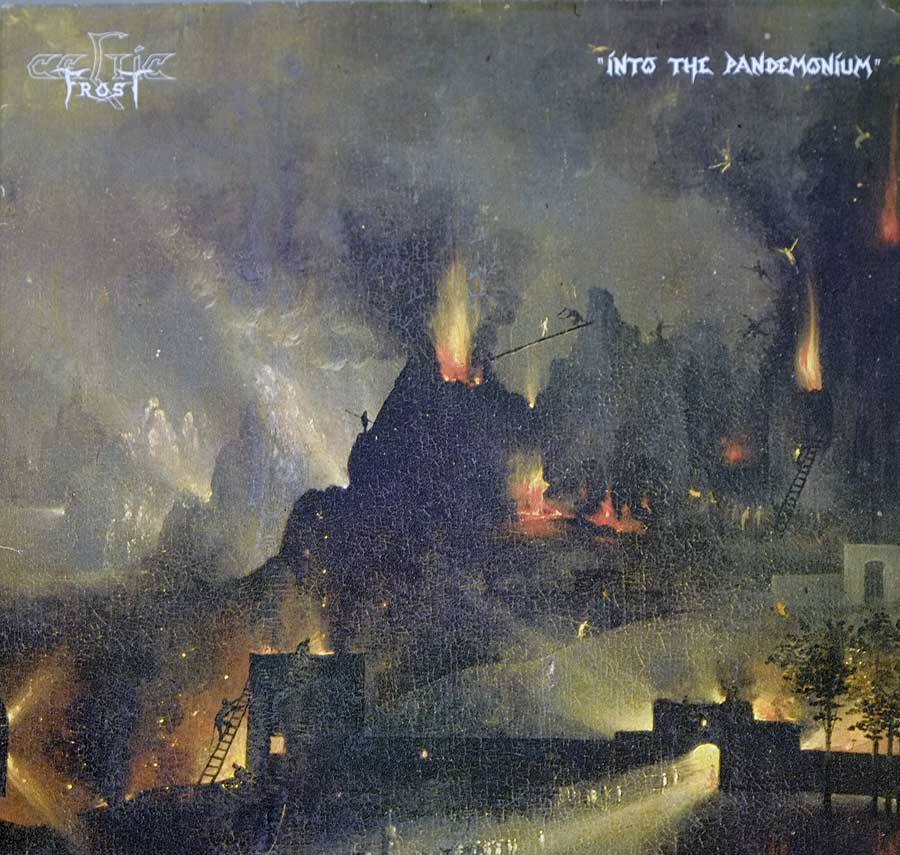
Gatefold spread out under a cheap lamp, the Bosch hell-panel crawling with tiny punishments while the turntable warms up like an engine. NOISE N 0065 on the sleeve. Germany. A record that looks like trouble before it even sounds like it.
Celtic Frost didn’t make "Into the Pandemonium" to be liked. It landed in 1987 as a full-on studio statement, and it still feels like Tom G. Warrior took the “rules of metal” and used them as kindling. Collectors call this pressing “coveted.” Fair. More honest would be: it’s the one people argue about at the kitchen table when the beer is gone and the needle still isn’t.
That first drop is the tell. Riffs don’t simply charge; they swerve. The band drags in textures that were basically illegal in “proper” extreme metal at the time: strange rhythms, odd vocal colors, and choices that feel like someone reaching across the room to grab a different record mid-song.
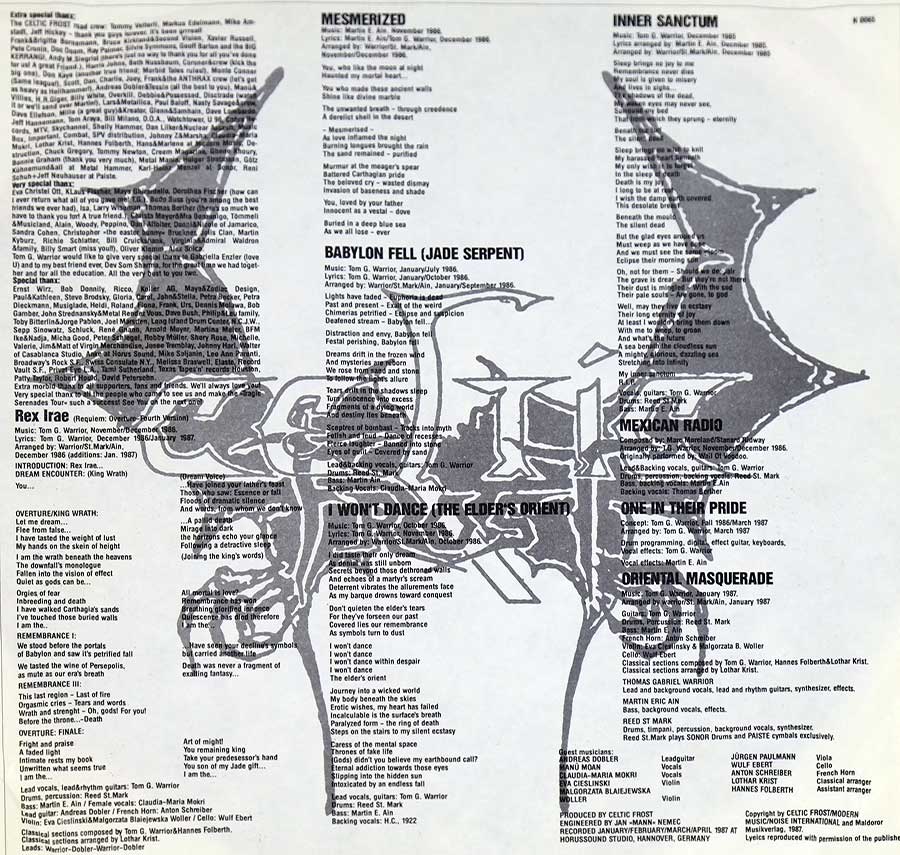
The wildest flex is how casually they do it. A cover of Wall of Voodoo’s "Mexican Radio" shows up like a grin you can’t trust. "One in Their Pride" leans into drum-machine pulse and sampling (yeah, that kind of sampling), and it still sounds like it’s daring you to call it “not metal” out loud.
Recorded January to April 1987 at Horus Sound Studio in Hannover, the album has that European, late-night studio feel: controlled, a little clinical on the surface, then suddenly filthy when the arrangement turns its head. Not chaos as sloppiness. Chaos as intention.
Fans split, obviously. Some heard betrayal. Others heard the point. Preference lands on the second camp here: the so-called “divisive” parts are the reason this record still matters. Safe records age like milk. This one ages like smoke in a leather jacket.
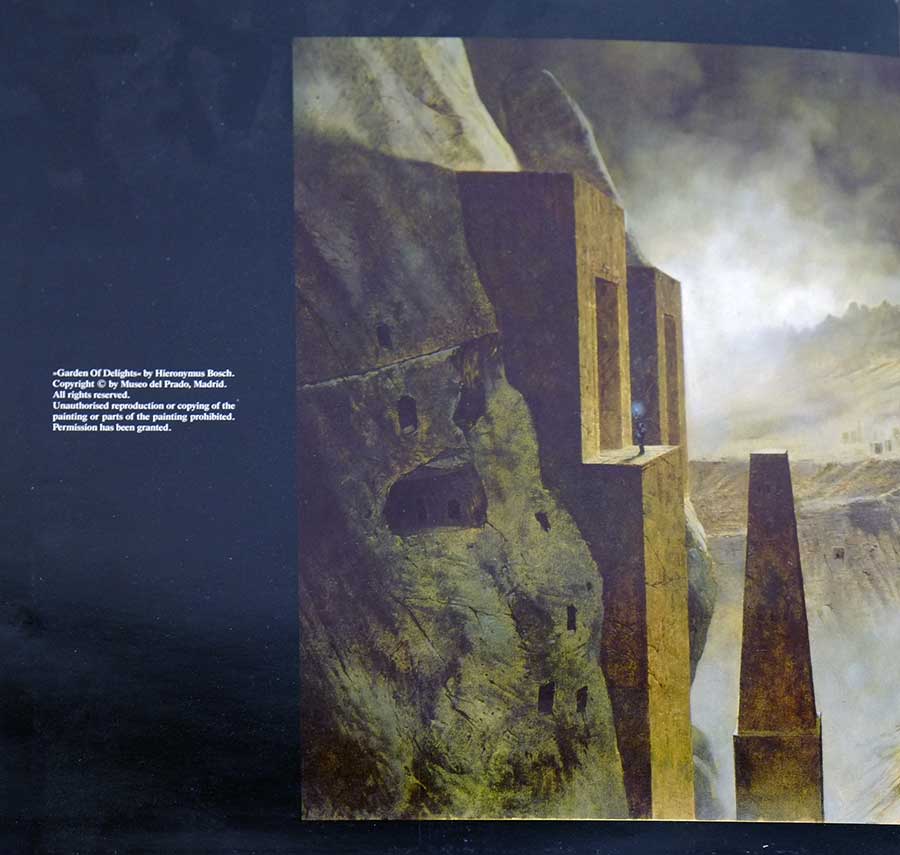
That cover isn’t decoration either. The image used is a detail from the right (Hell) panel of Hieronymus Bosch’s triptych "The Garden of Earthly Delights" (Prado collection). Cities burning in the distance, grotesque punishments up close, the whole scene cramped and merciless. Same energy as the album: beauty, disgust, and fascination shoved into the same frame until you stop pretending they’re separate.
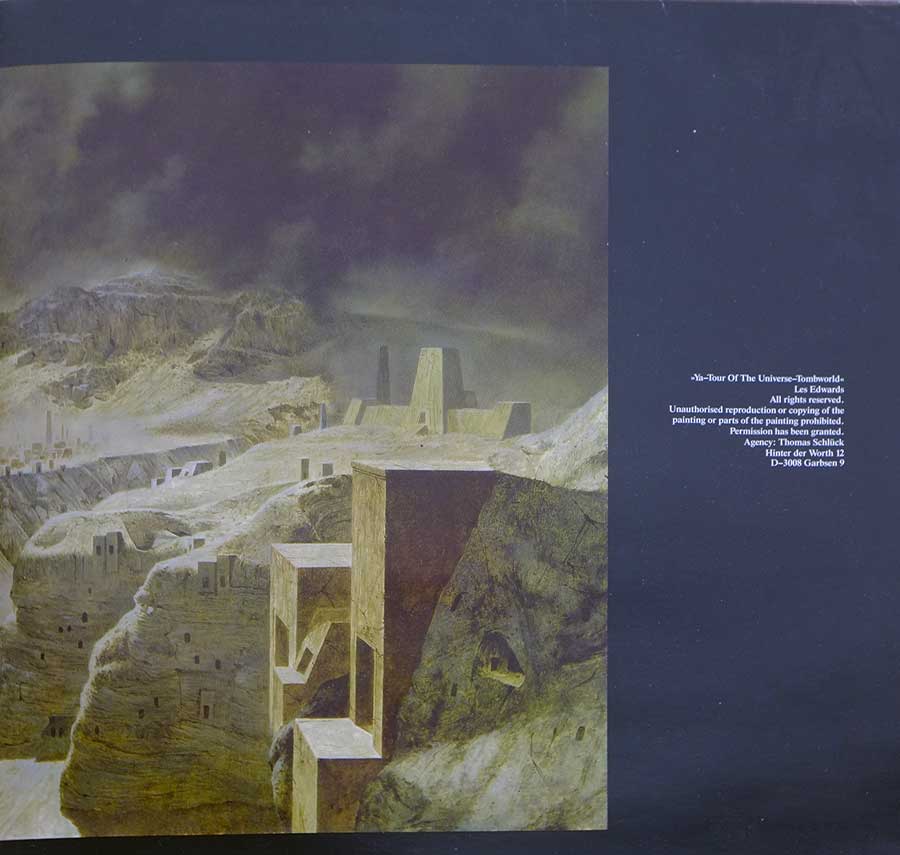
The gatefold format makes it worse (in the best way). Hands literally open the thing up, and suddenly the room is full of Bosch. Then the music does the same trick: it opens into spaces you didn’t ask for, and you’re either thrilled or irritated. Sometimes both. That’s the correct reaction.
Anyone calling "Into the Pandemonium" “seminal” is technically right and emotionally boring. This is a record that stares back. Needle lifts, the hell panel still grinning, and the argument is still sitting there on the table, waiting for someone to start it again.