Robert Plant rose to global fame as the voice of Led Zeppelin, shaping the sound of 1970s rock with his dynamic range and blues-infused power. After the band disbanded in 1980, he built a remarkably diverse solo career, exploring blues, folk, world music, and Americana. His willingness to evolve artistically rather than repeat past glories has secured his reputation as a restless innovator and enduring rock pioneer.
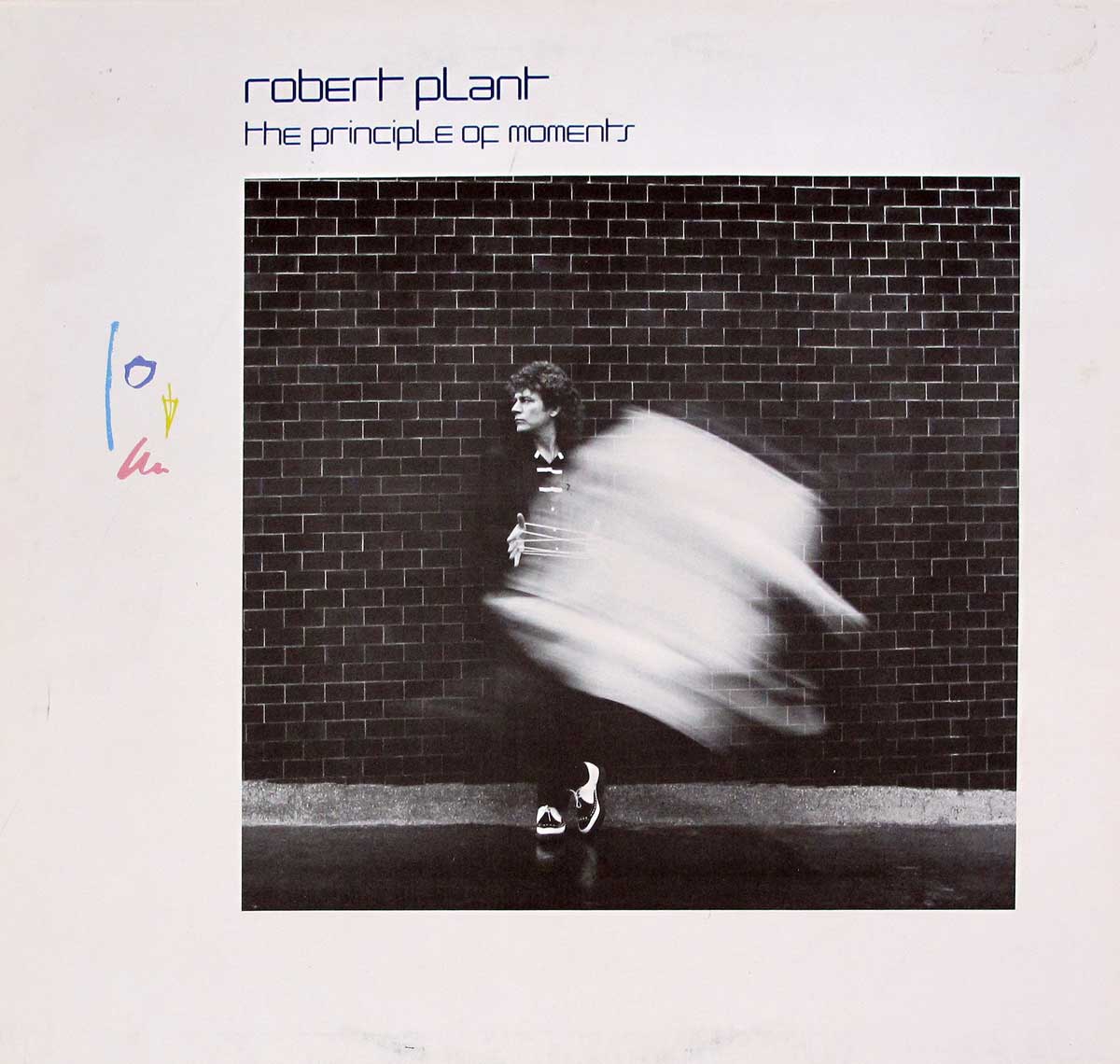
ROBERT PLANT - PRINCIPLE OF MOMENTS 12" Vinyl LP Album
- - 1982 French Release
Robert Plant's "Principle of Moments" marked a stylistic departure from Led Zeppelin, featuring synth-pop and introspective lyrics. It was a controversial move, with some embracing its experimentation and others missing his signature hard rock sound. The album showcased Plant's increased production control and themes of personal reflection. While polarizing at the time, "Principle of Moments" highlights Plant's artistic evolution and willingness to break away from his iconic past.