In the vibrant tapestry of Southern Rock, the 1983 album "Siogo" by Blackfoot stands as a testament to the band's evolution and musical exploration. Released during a period of transition for the genre, the album found the band venturing into new sonic territories while retaining their signature hard-hitting sound.
Historical Context and Musical Exploration
Following their successful run in the late 1970s and early 1980s with hits like "Train, Train" and "Highway Song," Blackfoot faced the challenge of adapting to a changing musical landscape. Southern Rock was gradually losing its mainstream appeal, and many bands were experimenting with new sounds to stay relevant. "Siogo" reflects this spirit of experimentation, incorporating elements of hard rock and even a touch of new wave into their established Southern Rock formula.
Musical Genre
While rooted in Southern Rock, "Siogo" expands the genre's boundaries. The album boasts powerful guitar riffs, soulful vocals, and driving rhythms that are characteristic of Southern Rock. However, the addition of keyboards and synthesizers, along with a more polished production style, gives the album a modern edge that distinguishes it from their earlier work.
Production Team and Recording Studios
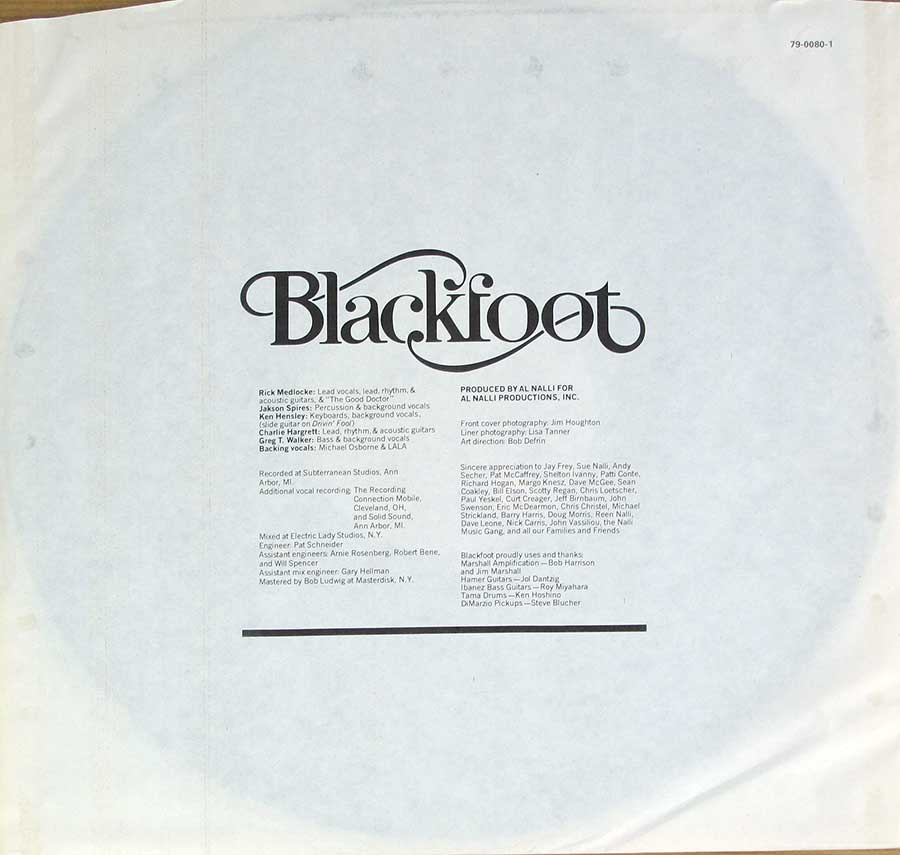
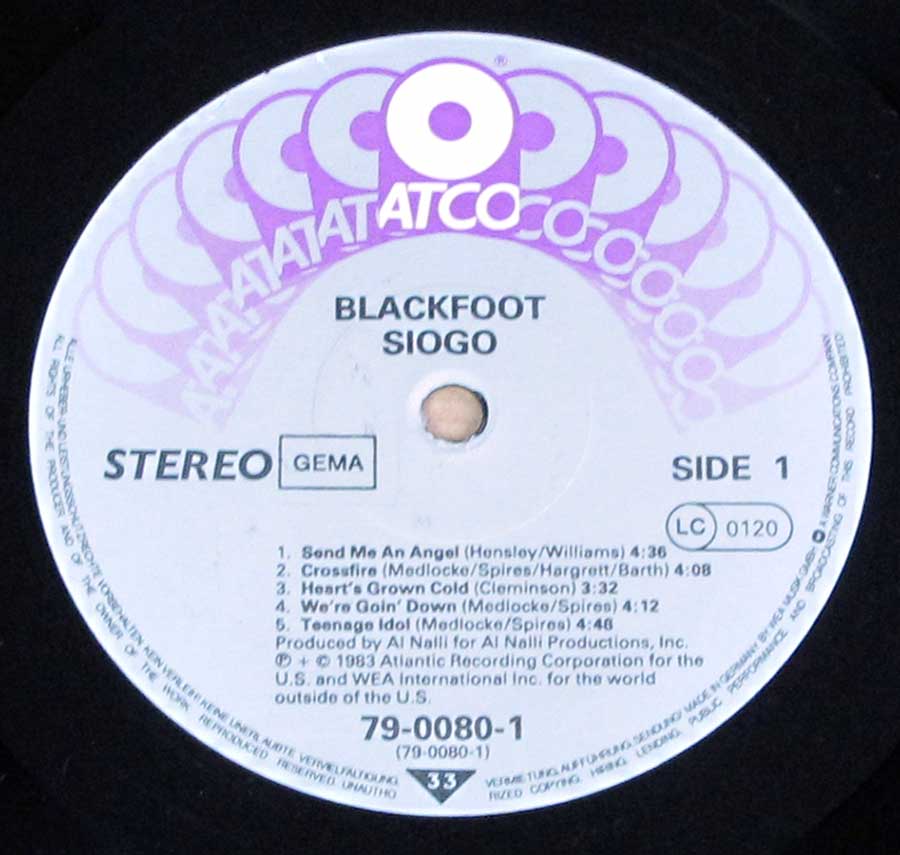
The album was produced by Al Nalli, who had previously worked with the band on their "Marauder" album. Nalli's production brings a refined sonic quality to "Siogo," highlighting the band's musicality while retaining their raw energy. The album was recorded at various studios, including Subterranean Studios and Solid Sound in Ann Arbor, Michigan, and The Recording Connection Mobile in Cleveland, Ohio. This multi-studio approach allowed the band to capture different sonic textures and experiment with diverse recording techniques.
Mastering and Album Cover Design
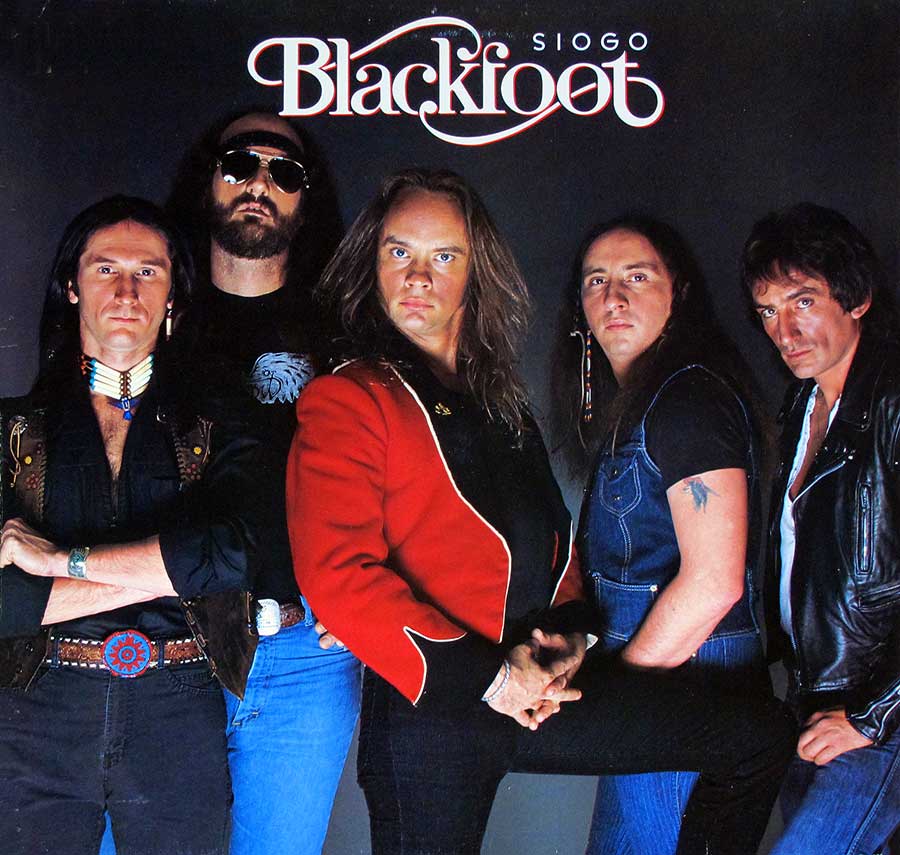
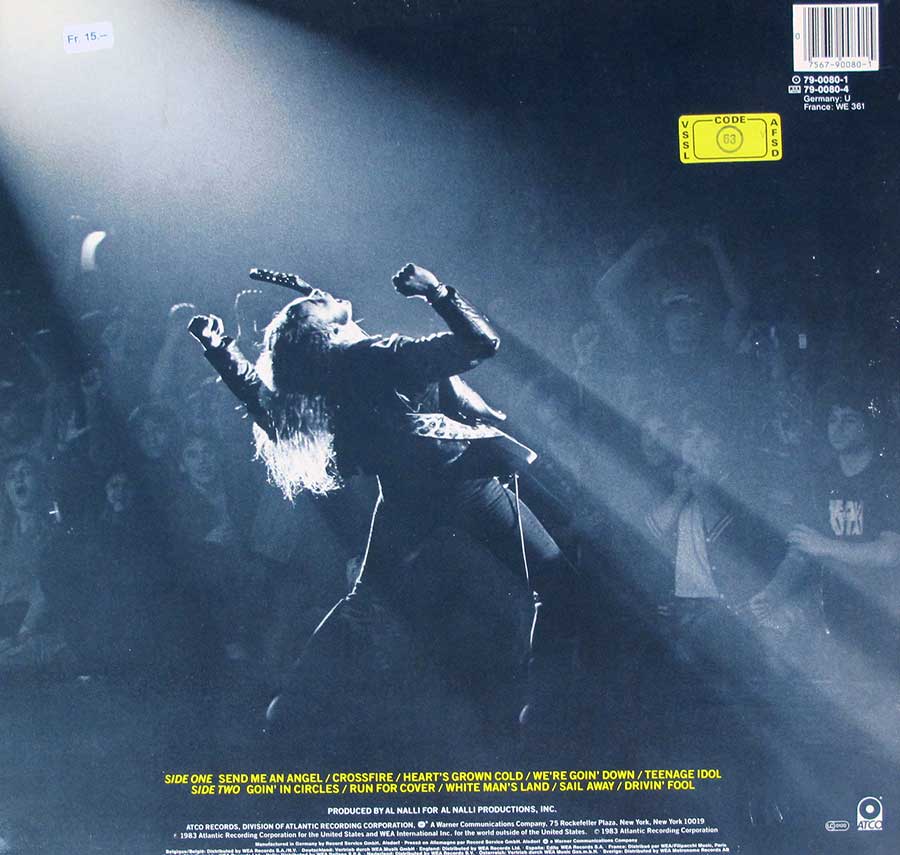
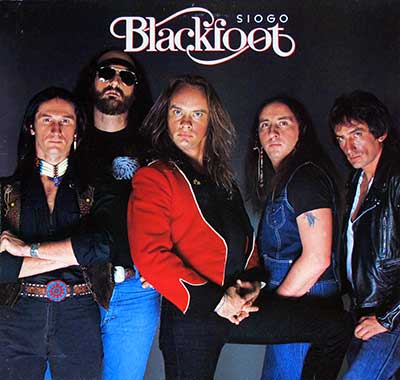
The final touch was added by the renowned mastering engineer Bob Ludwig at Masterdisk in New York. Ludwig's expertise ensured that the album's sonic landscape was optimized for vinyl playback, resulting in a rich and dynamic listening experience. The album cover, designed by Bob Defrin and featuring photography by Jim Houghton and Lisa Tanner, captures the band's intensity and rock 'n' roll spirit.