"London Calling" (1979) Album Description:
The Clash didn’t just make "London Calling" — they kicked a door off its hinges and then politely asked punk, rock, and everything adjacent to step outside. Released on 14 December 1979, this is the moment the band stopped being “just” a punk group and became a whole moving city: restless, loud, wired on urgency, and somehow still catchy enough to hum while the world burns.
Late 1979 is one of those end-of-decade pressure-cooker moments where everything feels slightly apocalyptic and strangely alive at the same time. Punk had already made its point — raw, fast, and furious — but the scene was mutating into something broader and sharper-edged. New Wave was grabbing the neon, post-punk was getting clever, and the old rock rules were being laughed out of the room. "London Calling" lands right on that fault line and decides to dance on it.
By the time they hit Wessex Studios, Joe Strummer, Mick Jones, Paul Simonon, and Topper Headon sounded like a band that had been living on touring fumes and big ideas. You can feel the ambition under every groove: not “let’s polish it,” but “let’s make it bigger without losing the bite.” Guy Stevens producing is a perfect choice here — the kind of name that suggests momentum, mess, and a refusal to sit still, which is basically the album’s whole personality.
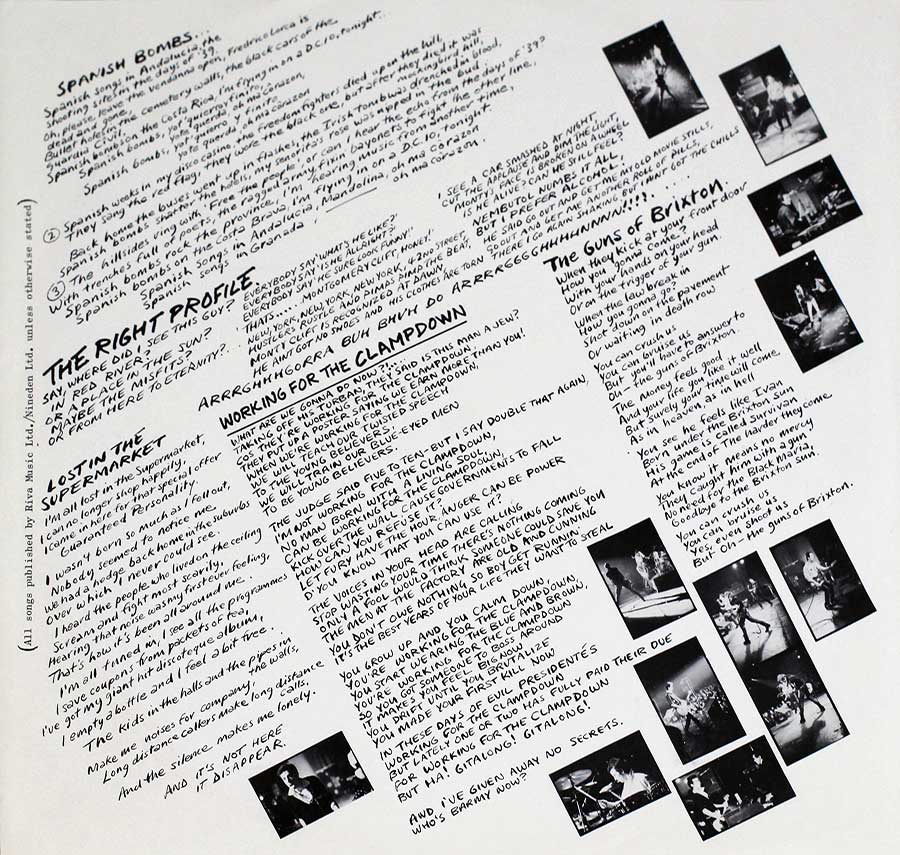
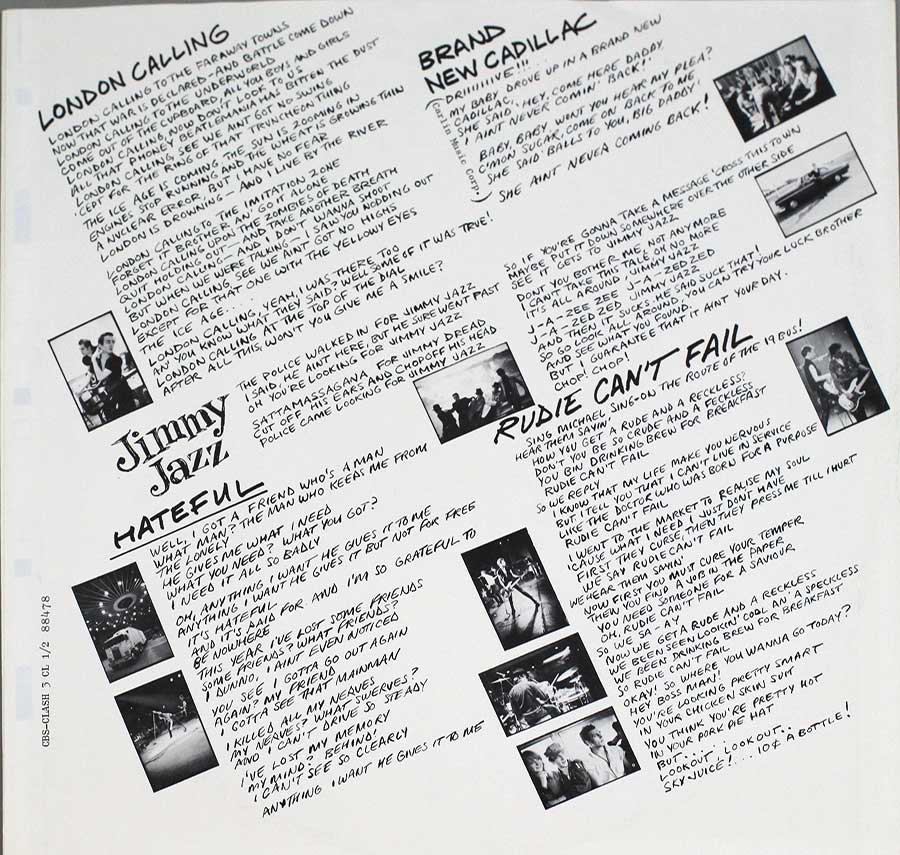
The miracle is how wide this thing spreads without turning into a confused mixtape. The page calls it out plainly: punk, sure — but also ska, reggae, rockabilly, soul, pop, even jazz-flavored corners. That variety isn’t decoration; it’s the band acting like a radio dial, spinning through styles while keeping the same tense, streetlit heartbeat. "Rudie Cant Fail" struts with swagger, "Lost in the Supermarket" stares into the fluorescent void, and "The Guns of Brixton" hits with that bass-led menace that feels like trouble walking toward you in slow motion.
In the broader 1979 neighborhood, it sits comfortably next to other rule-breakers like Gang of Four’s "Entertainment!", Public Image Ltd’s "Metal Box", and the Buzzcocks sharpening pop-punk into something smarter and sharper on "A Different Kind of Tension".
The difference is that "London Calling" doesn’t just experiment — it builds a whole bilingual dictionary between punk aggression and classic songwriting, then shouts it through a battered amp.
“Controversy” here isn’t one neat scandal; it’s the kind of argument that happens in record shops and after gigs: some people hear the genre-hopping and mutter the dreaded word “sellout,” while others hear a band refusing to fossilize. The Clash basically answered by turning it louder and making it undeniable. If you want punk purity, you can find it — but it’s living inside a bigger beast now, and it’s not asking permission.
Band dynamics? You can practically hear them negotiating in real time. Two strong writers up front — Strummer with the burn-it-down conviction, Jones with the melodic brain and studio curiosity — and a rhythm section that refuses to be background furniture. Topper Headon swings like a drummer who understands that groove is a weapon, while Simonon brings the kind of bass presence that makes songs feel like they have shoulders.
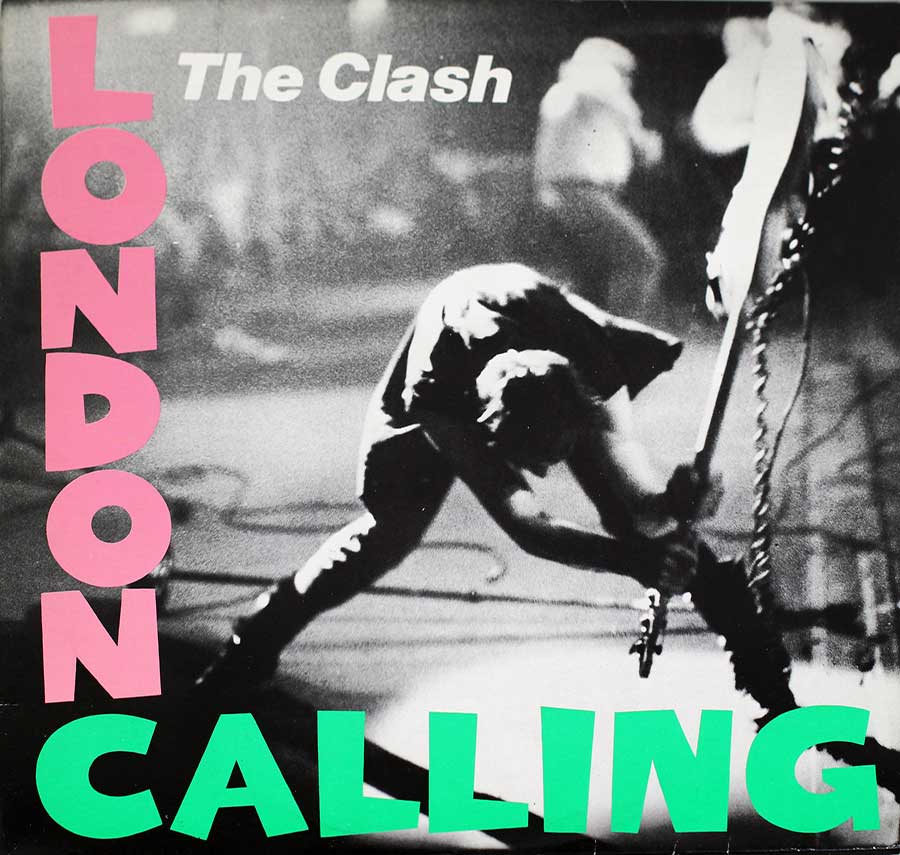
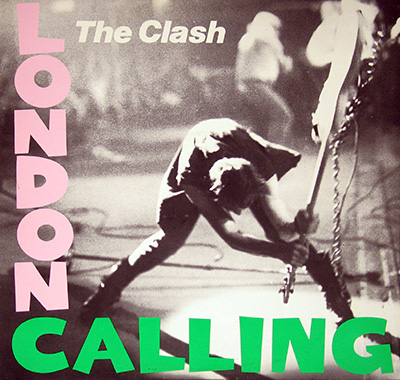
The legacy part is almost unfair, because this record aged like it was designed to outlive trends. Critics and fans have treated it as a landmark for decades, and it’s easy to see why: it’s a double album that doesn’t feel padded, a stylistic grab-bag that still sounds coherent, and a statement that somehow stays human. Even the visuals matter — Ray Lowry on cover design and Pennie Smith behind the cover photo give it that iconic “caught in motion” energy, like the band is mid-impact and the camera just barely survived.
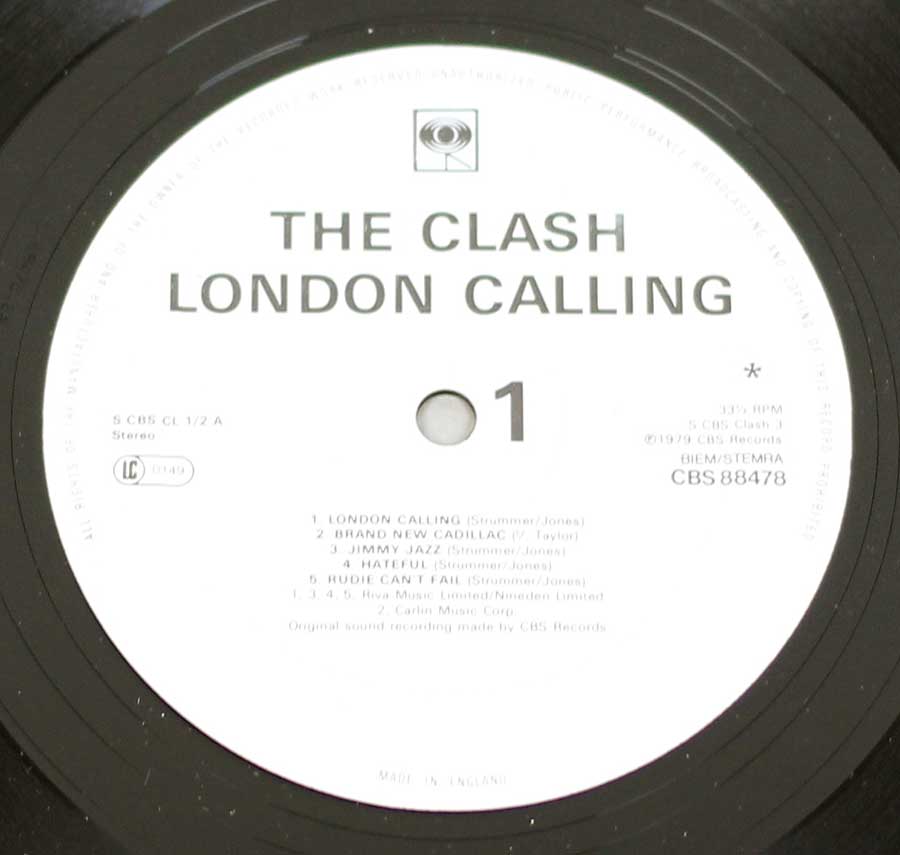
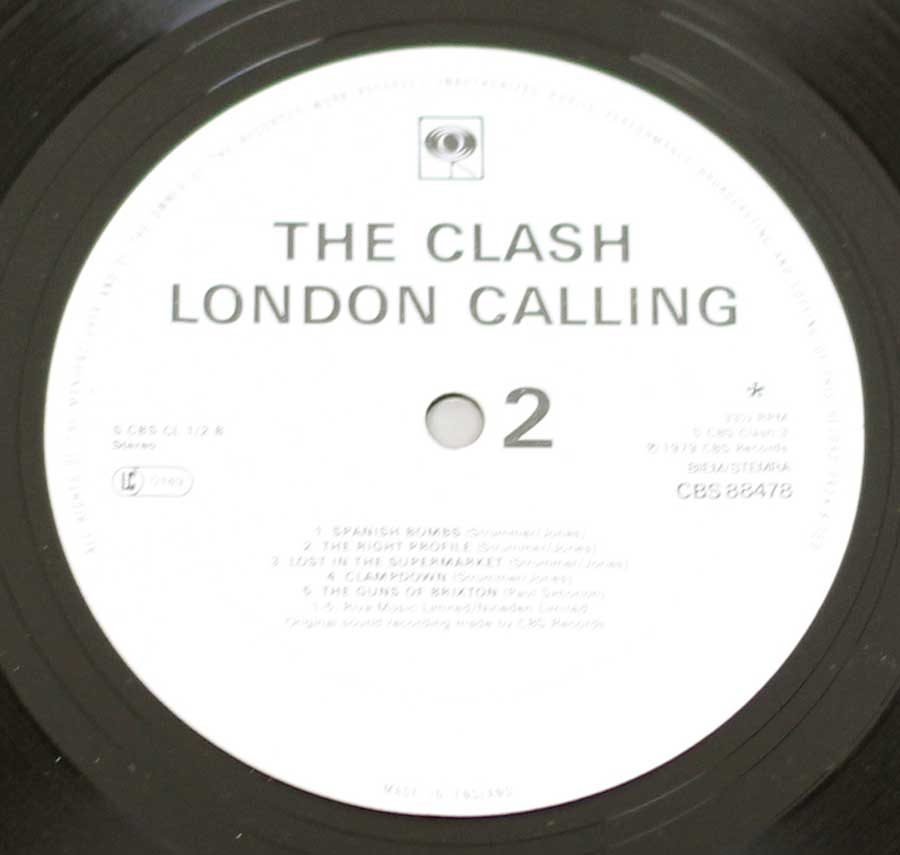
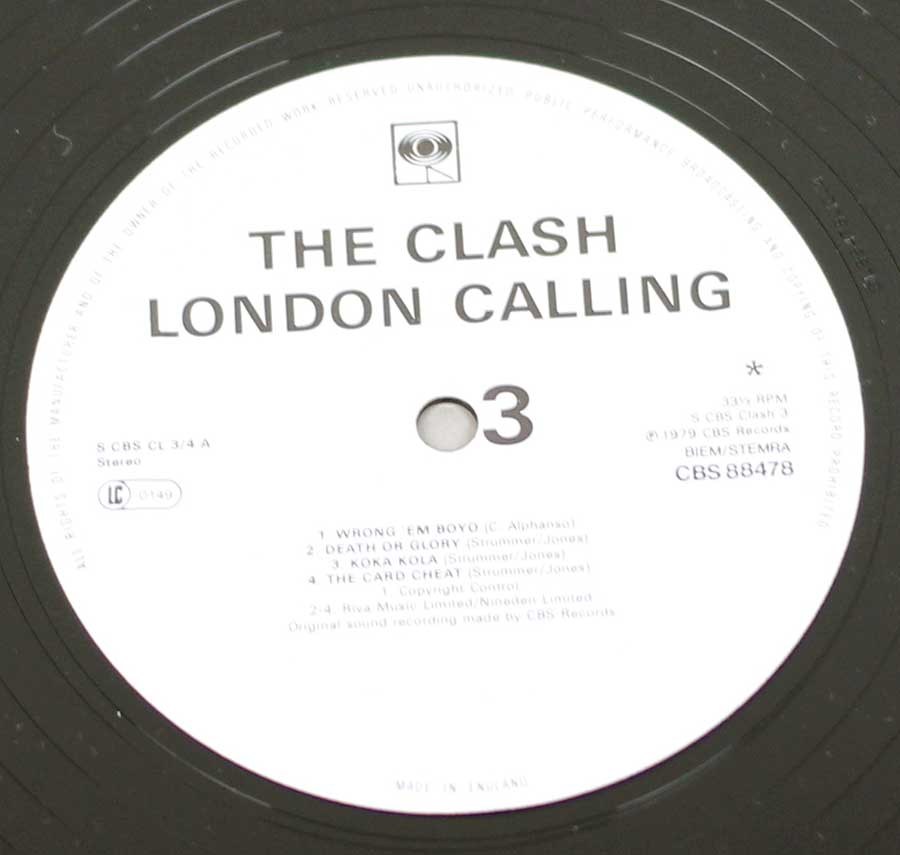
And yeah — my copy being Made in Holland with CBS 88478 has its own collector charm: the same landmark record, pressed into a physical object that’s traveled decades to land in your hands. You listen to it and it’s instantly there: tension, humor, dread, adrenaline — the whole messy end-of-’70s soup, served hot. Decades later, the riffs still smell faintly of beer, sweat, and misplaced optimism.