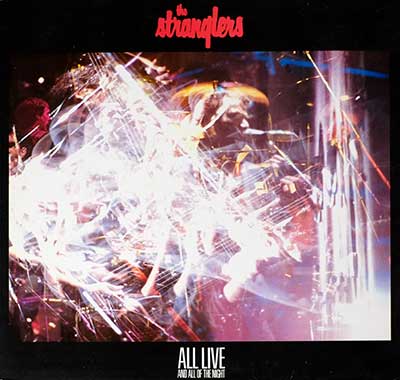
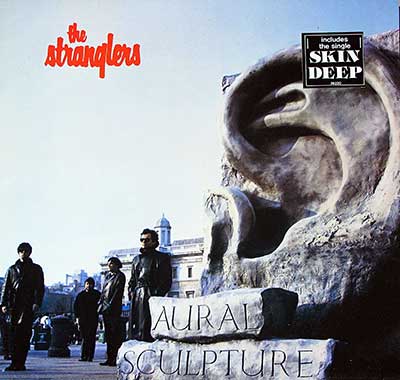
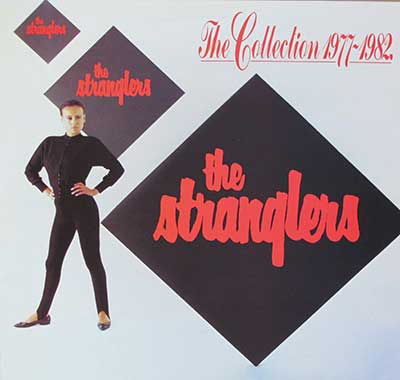
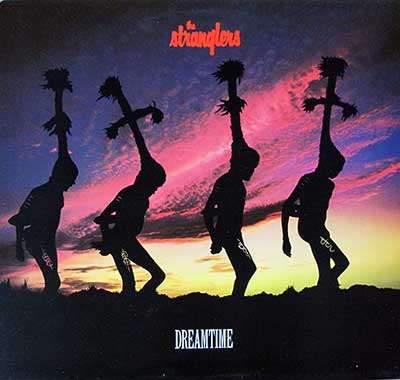
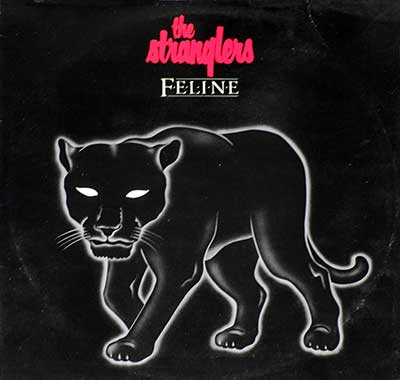
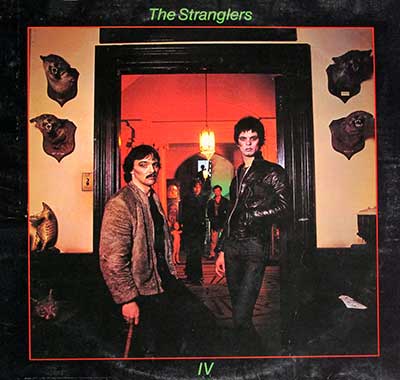
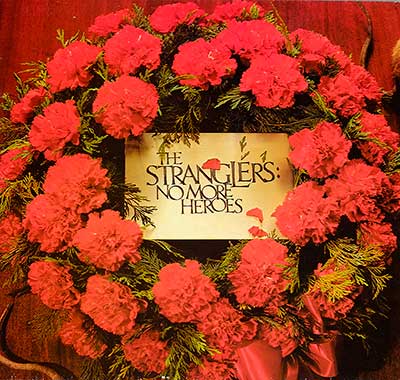
"THE STRANGLERS" Band Description:
The first time "Peaches" hit my ears, it didn't sound like punk so much as punk getting mugged in an alley by a bassist with a grin and a plan. It was rude, yes, but also weirdly musical. Proper keys. Proper groove. The kind of band that could scare off the safety-pin tourists and still walk away with the best hook of the night. No slogans. Just attitude you could actually trip over.
They started in Guildford in 1974, and you can feel that origin in the early stuff: pub backrooms, stale beer, cheap amps, and that stubborn insistence on doing it their way. Jet Black drove the whole thing forward, Hugh Cornwell sang like he meant it, Jean-Jacques Burnel played bass like it was a blunt instrument, and the early keyboard seat began with Hans Warmling before Dave Greenfield slid in and made the organ lines feel like a second lead guitar. It wasn't fashion. It was a job. And they showed up for work.
My mental picture of early Stranglers history isn't a glossy documentary. It's a cold street outside a venue and somebody inside arguing about whether they even count as punk. Meanwhile the band just keeps playing. The name gets registered in 1974, but the real ignition happens in places like The Star Inn in Guildford, where they first stepped out in front of a crowd and made that particular kind of noise that tells you: this lot is not here to be liked.
They land the United Artists deal at the end of 1976, and the timing matters. They weren't arriving late to punk; they were arriving with muscle. The first single is "(Get A) Grip (On Yourself)" and it already has that classic Stranglers sneer: tight, urgent, and not remotely interested in your approval. Then "Peaches" follows and the pearl-clutching begins, because of course it does. The debut album "Rattus Norvegicus" (1977) isn't some delicate manifesto. It's a slab of sound that moves like a rat through a wall: quick, dirty, and somehow cleverer than it has any right to be.
The late 70s run is ridiculous in hindsight. "No More Heroes" isn't a polite title, it's a warning label. "Black and White" feels like they recorded it with their elbows out, shoving past anyone trying to tell them what a "proper" band should be. They could slam a song into place, then swivel and drop into something almost jazzy, or reggae-leaning, or just plain nasty. It's not genre tourism. It's theft. The good kind.
The lyrics never did anybody any favours, including the band. They poke, leer, complain, and occasionally throw a punch at the listener. Some songs feel like a grimy postcard from a city that doesn't sleep so much as it passes out. That's partly why they lasted: they weren't trying to be lovable. They were trying to be real. If you want polite, there are other aisles in the record shop.
And then there's "Golden Brown"—the moment the Stranglers accidentally proved they could stroll into the charts wearing velvet slippers and still look dangerous. Harpsichord. Strange swing. A melody that sounds like it was smuggled out of a smoky bar at 2 a.m. People argued for years about what it's "about". The band didn't tidy up the mystery, and thank God for that.
The 80s polish arrives, as it always does, like a new suit that fits but doesn't breathe. "Skin Deep" is slicker, sharper, and annoyingly effective. "Always the Sun" is basically them proving they can do bright without going soft. Some fans act betrayed whenever a band learns how to use a studio. I'm not one of them. I just file the eras separately in my head: early Stranglers for the grime under the fingernails; mid-period Stranglers for the hooks that refuse to die.
Decades later, they're still an ongoing concern, not a nostalgia act in a glass case. The catalogue keeps growing (yes, there are eighteen studio albums now), and the band kept moving even after losses that would have ended lesser groups. That's the part people forget: longevity isn't glamour. It's repetition, travel, soundchecks, stubbornness, and somehow finding a reason to walk back onstage.
The Stranglers never really belonged to the punk crowd, or the new wave crowd, or the rock crowd. They just raided all three and left with the good silver. If you need your heroes neatly labelled, "No More Heroes" already told you how that story ends.
References
- Vinyl-Records.nl (high resolution album cover photos archive)
- The Stranglers (official site): About the band
- The Stranglers (official site): Signing details (December 1976)
- PRS for Music: Heritage Award for The Star Inn (first gig)
- Official Charts: "Golden Brown"
- Wikipedia: The Stranglers (timeline & discography overview)