Vic Maile — British producer and sound engineer, the sort of studio man I trust because he understood noise before trying to tidy it up. He began at Pye Studios in the mid-1960s, worked the mobile recording truck by the late 1960s, and had his fingerprints on rough, living rock rather than showroom polish. In the 1970s he engineered and produced for The Who, Dr. Feelgood, Eddie and the Hot Rods, The Pirates and other hard-working pub-rock bruisers. Then came the heavy-metal years: Motörhead's "Ace of Spades" in 1980 and "No Sleep 'til Hammersmith" in 1981, Girlschool's early Bronze-era punch in 1980-1981, and Twisted Sister's "Under the Blade" in 1982. He made bands sound awake, dangerous, and properly unwilling to behave.
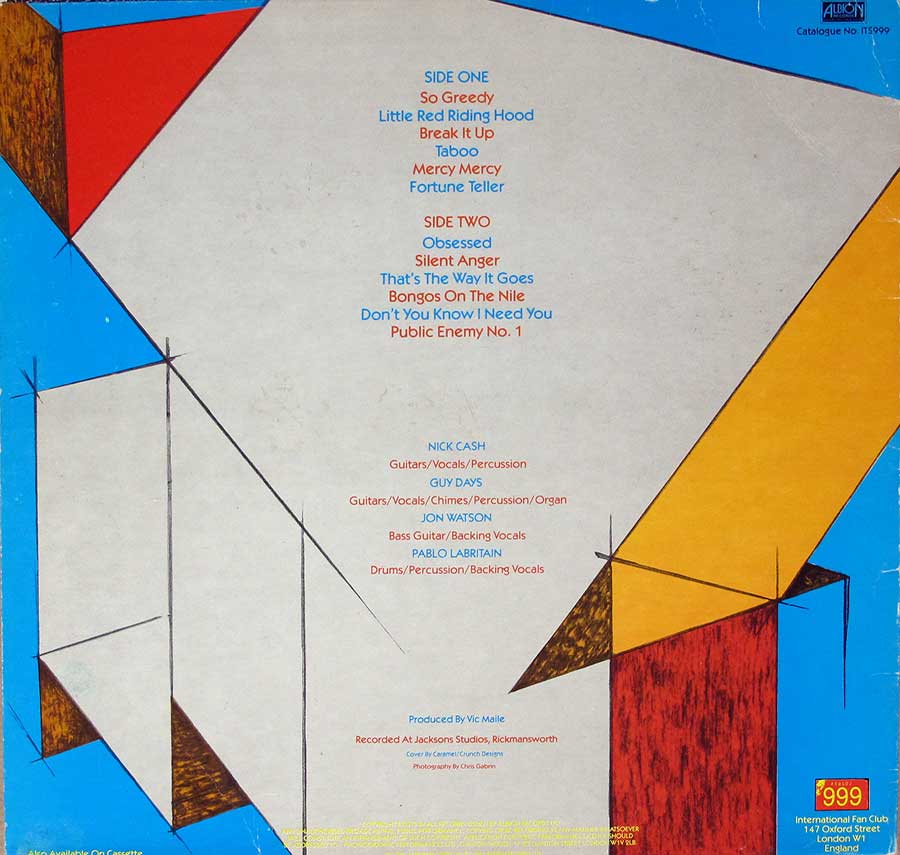
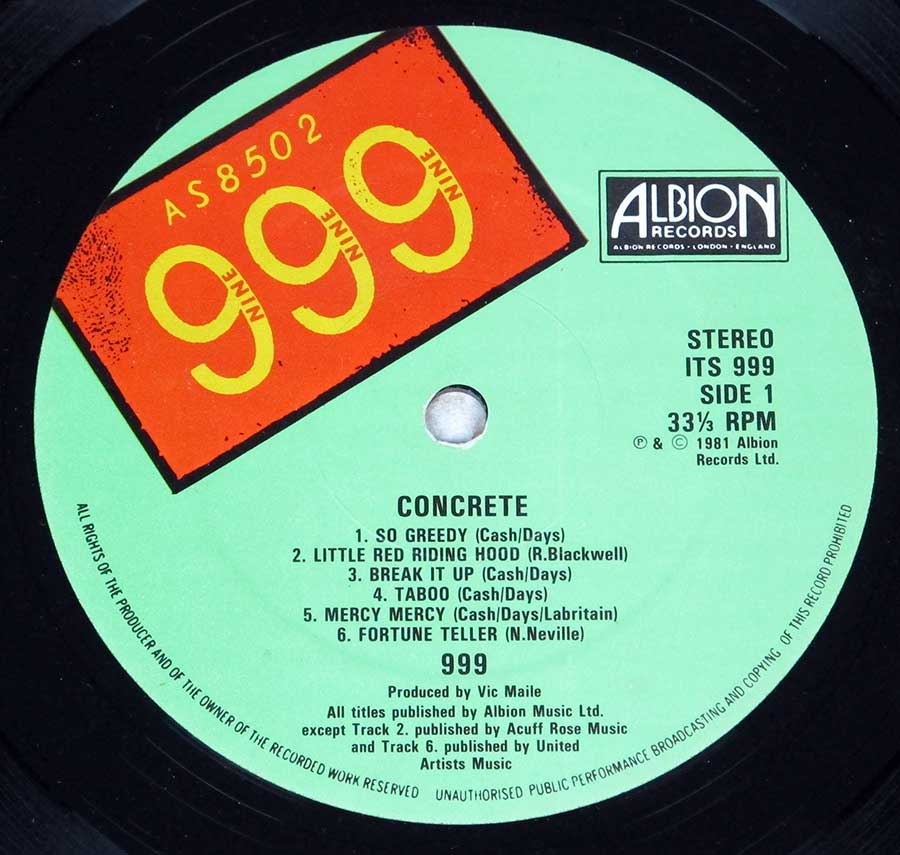
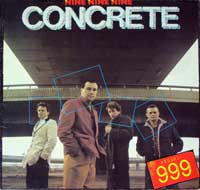
999 – Concrete 12" Vinyl LP Album
- Recorded in 1981 at Jacksons Studios, produced by Vic Maile
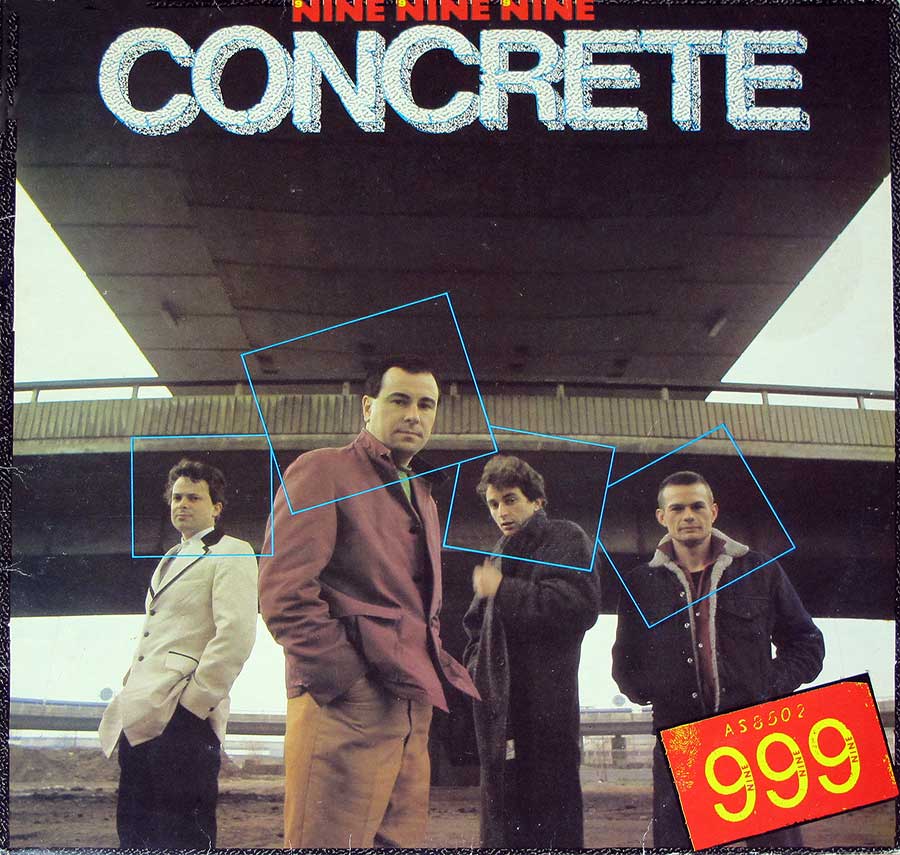
Concrete is the moment when 999 stopped chasing the chaos of first-wave punk and leaned into weight, tension, and experience. Recorded in 1981 at Jacksons Studios, Rickmansworth and shaped by producer Vic Maile, this album sounds tougher, denser, and more grounded than their earlier work. Tracks like “So Greedy” and “Obsessed” trade sneer for grit, pushing sharp riffs and locked-in rhythms that flirt with hard rock without losing punk nerve. The stark sleeve by Caramel Crunch Design mirrors that shift perfectly. As a UK Albion Records pressing (ITS 999), it remains a sleeper favorite for collectors who like their punk seasoned with muscle and mileage.