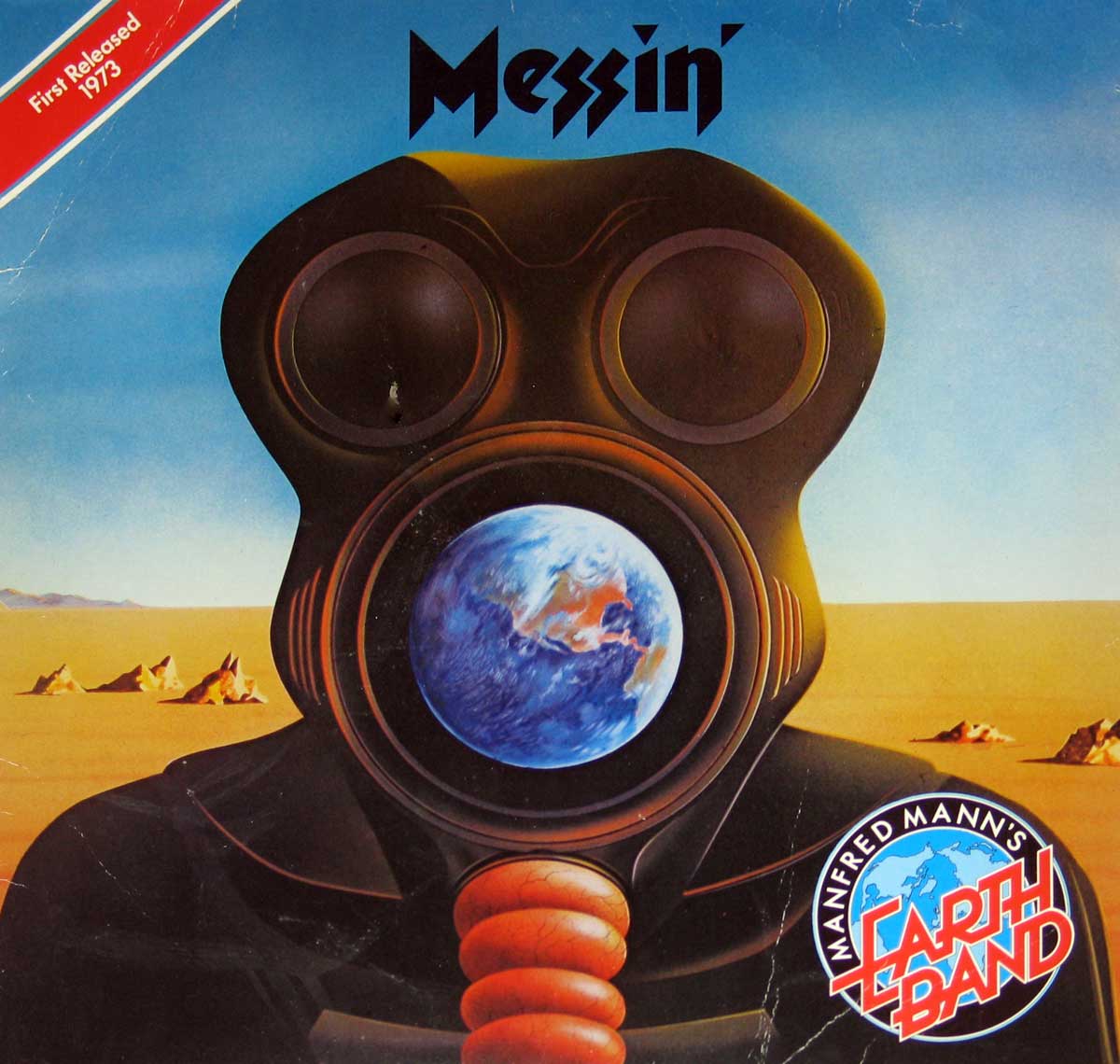
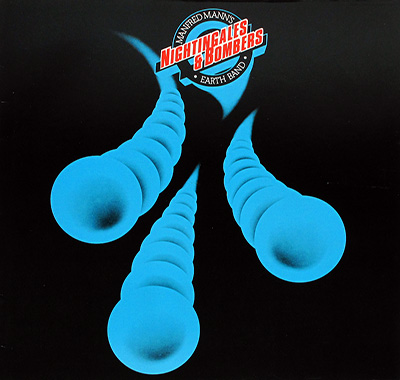
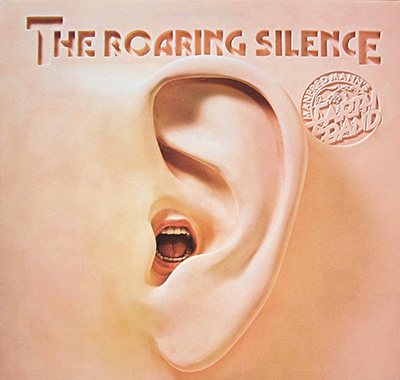
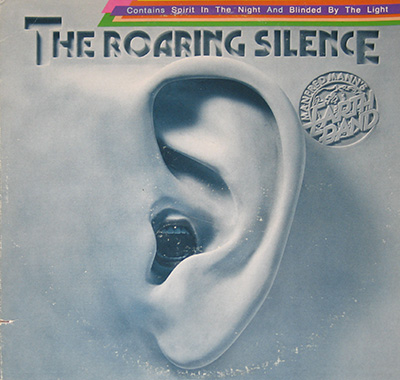
"Messin'" (1973) Album Description:
"Messin'" is Manfred Mann's Earth Band catching fire mid-stride: a heavy, keyboard-led progressive rock record that refuses to behave like a neat “prog album” and keeps swerving into blues-rock muscle, oddball textures, and dark grooves. The title track alone sets the terms—long-form, restless, and built for a band that wants both improvisational sprawl and hard-edged punch, sometimes in the same breath.
Britain, 1973: loud music in a loud country
Britain in 1973 is jittery and tense—industrial unrest, an economy coughing smoke, and a cultural mood that’s starting to turn sour even while the music gets more ambitious. Progressive rock is at full stretch now: the big bands are pushing suites, concepts, and virtuoso arrangements, and the smaller acts are trying to sound huge without drowning in their own ideas.
In that climate, Manfred Mann’s Earth Band lands in a useful sweet spot: smart enough for the prog audience, direct enough for rock crowds who don’t want a lecture. "Messin'" feels like a London studio document of a band choosing impact over polish—more street-level grit than symphonic grandeur.
The genre: prog rock with hard-rock teeth
Call it progressive rock, sure, but this is prog that lifts weights: thick organ lines, early synth color, and riffs that don’t apologize for being riffs. While 1973 is packed with ornate, high-concept releases across the scene, Mann’s crew keeps a foot in the barroom—blues phrasing and rock momentum—then uses keyboards as the steering wheel.
The result is a hybrid that makes sense for the era: adventurous enough to sit near the year’s major prog statements, but grounded enough to dodge the “fantasy-pageant” trap. It’s less about showing you the band’s IQ and more about showing you their aim.
"Messin'" doesn’t float above the crowd—this one walks right through it, boots first.
Musical exploration: what the band is actually doing
The band stretches time instead of just stacking notes: grooves expand, sections pivot, and the keyboards keep reshaping the room. Manfred Mann’s playing is the record’s organizing force—he’s not merely decorating the guitars, he’s redirecting them, pulling the music into darker corners and brighter bursts.
Mick Rogers brings the rough edge that keeps the whole thing from turning academic, and the rhythm section stays locked even when the songs try to wander off. When the record is at its best, it feels like controlled risk: a band improvising without losing the plot.
Tracks: long shadows, quick jolts
The opener "Messin'" is the manifesto—long, shifting, and confident enough to take its time, with that 1973 impulse to treat the studio like a stage. "Buddah" and "Cloudy Eyes" lean into atmosphere and shape, balancing melodic pull with a slightly haunted sheen.
Side Two tightens the screws: a Bob Dylan cover ("Get Your Rocks Off") comes off as a blunt jolt of rock ’n’ roll attitude, and the closing run keeps the album from settling into a single mood. The pacing matters here—this isn’t a “one texture for forty minutes” prog record; it keeps changing its shirt mid-song.
Key people: the room, the hands, the decisions
The album is produced by Manfred Mann, and that matters: the record sounds like the band’s intention, not a producer’s rescue mission. Engineering by John Edwardes at Maximum Sound Studios in London gives the performances presence—weighty keys, solid drums, and enough air to let the longer pieces breathe.
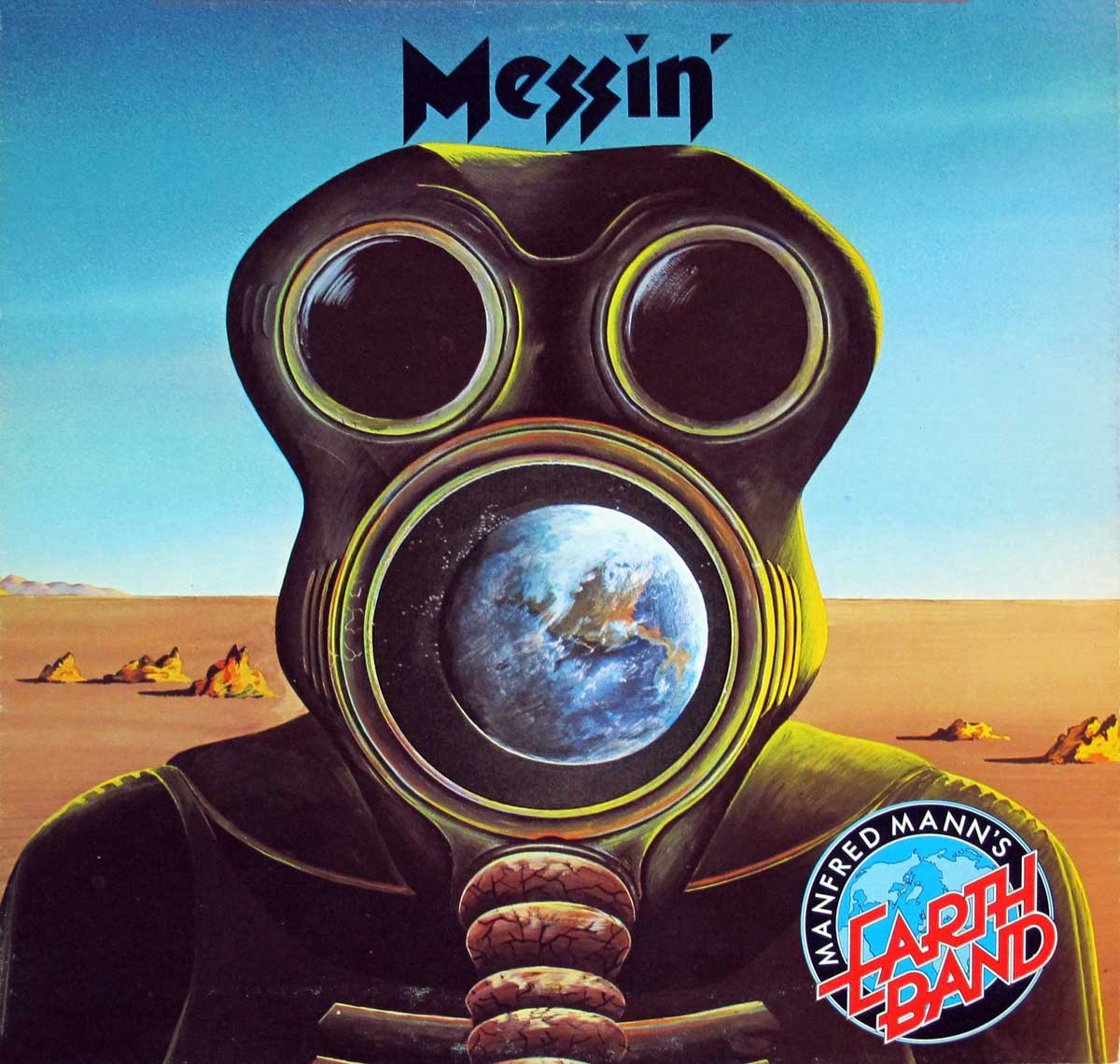
Tape operator Laurence Latham sits in the background of the operation, but in 1973 that role can be the difference between “great take” and “gone forever.” Visually, the cover credits—Peter Hignett, William Stone, and illustrator Peter Goodfellow—match the music’s slightly surreal, cut-through-the-cardboard vibe.
Studio snapshot
- Produced by: Manfred Mann
- Engineered by: John Edwardes
- Tape operator: Laurence Latham
- Recorded at: Maximum Sound Studios, London (1973)
- Cover design: Peter Hignett; William Stone
- Illustration: Peter Goodfellow
Band arc and line-up: a stable core with a clear mission
By "Messin'", the Earth Band is still in its early, stable-identity stretch: Manfred Mann (keys), Mick Rogers (guitar/vocals), Colin Pattenden (bass), and Chris Slade (drums). The group forms in 1971 after Mann moves beyond the constraints of Chapter Three and builds a tighter rock unit that can absorb outside material and still sound like one organism.
That stability shows on record: nobody sounds like they’re auditioning, and nobody is getting politely shoved out of the mix. The backing vocals and extra textures are used like seasoning—enough to widen the frame without turning the band into a choir project.
Controversies and friction: not scandal, but plenty of arguments
The first argument is aesthetic: prog listeners in 1973 could be picky, and "Messin'" sometimes dodges the “proper prog” rulebook by hitting harder and simpler when it feels like it. The Dylan cover is another pressure point—covers can read as savvy or lazy depending on who’s complaining that week, and this one arrives with a deliberate, stomping bluntness.
Then there’s the release-side weirdness: in the U.S., the album is retitled "Get Your Rocks Off" and the track lineup gets altered, which is the kind of label move that makes fans feel like they’re being dared to keep up. It’s not a tabloid controversy—it’s the more annoying kind, where the music stays strong but the packaging and marketing try to start a fight in your living room.
Bottom line
"Messin'" works because it sounds like a band making choices in real time: ambitious, gritty, and not especially interested in being “tasteful.” It’s progressive rock that remembers rock is supposed to move, and it keeps its weirdness on a short leash—just long enough to bite.
References
- Wikipedia: "Messin'" (album overview, credits, track context)
- Wikipedia: Manfred Mann's Earth Band (formation and early line-up)
- Discogs: "Messin'" master (release variations and U.S. retitle notes)
- Discogs: "Get Your Rocks Off" (U.S. configuration details)
- Wikipedia: Three-Day Week (UK energy/industrial context around 1973–74)
- Progwereld review (genre blend and reception perspective)
- Backseat Mafia retrospective (album assessment and critique)