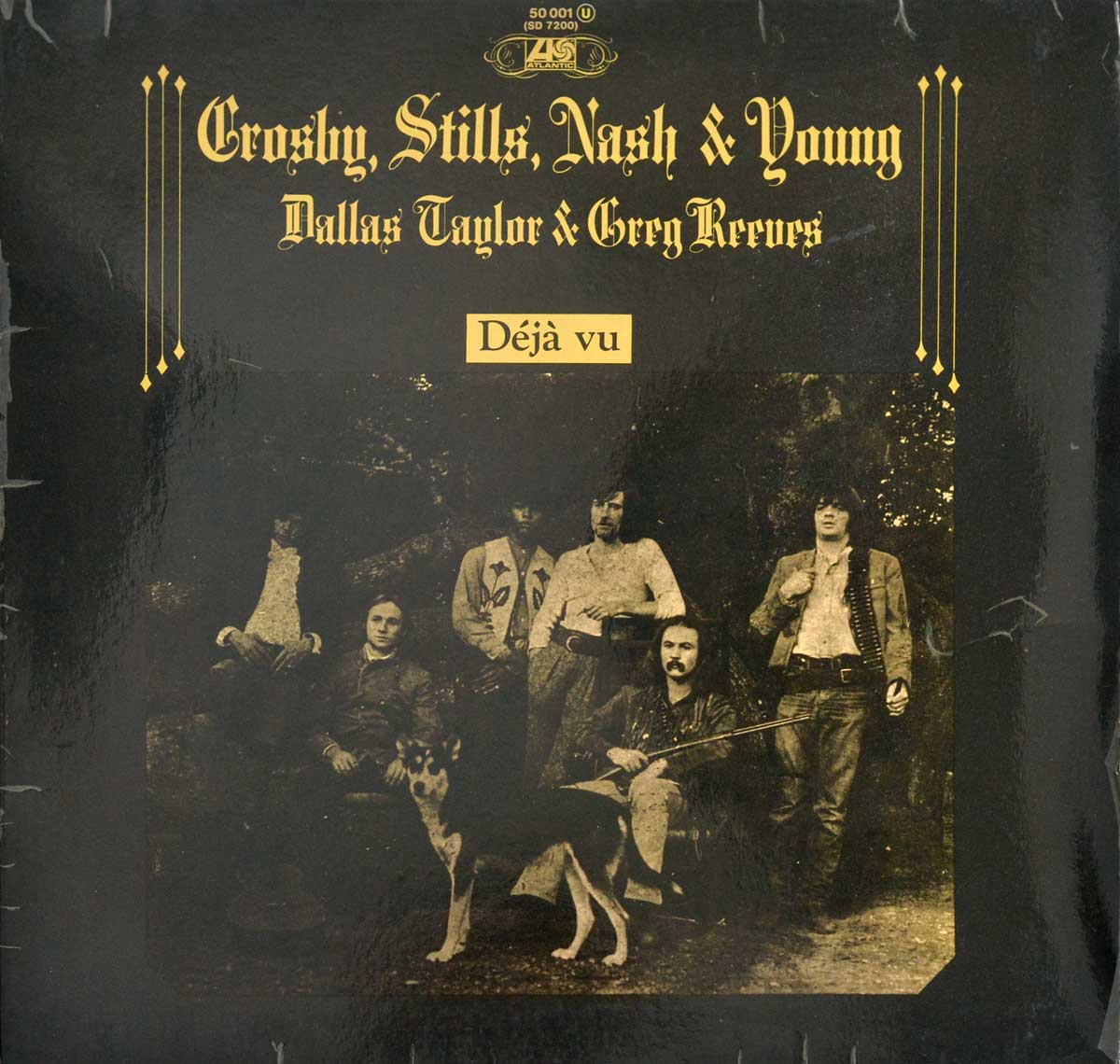
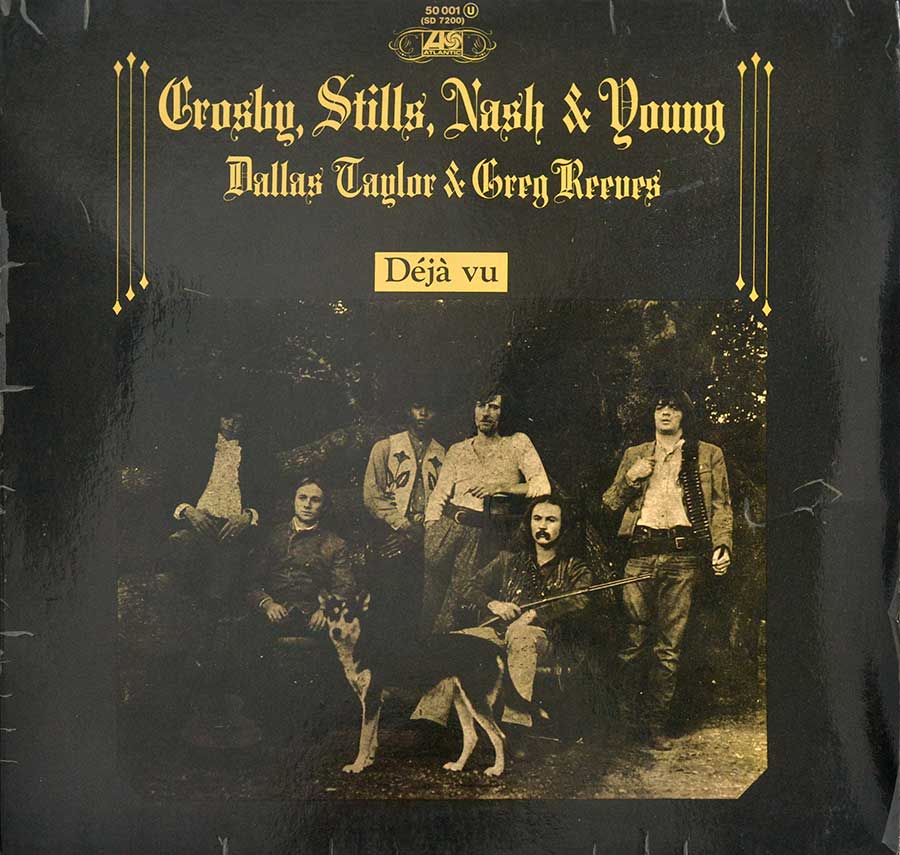
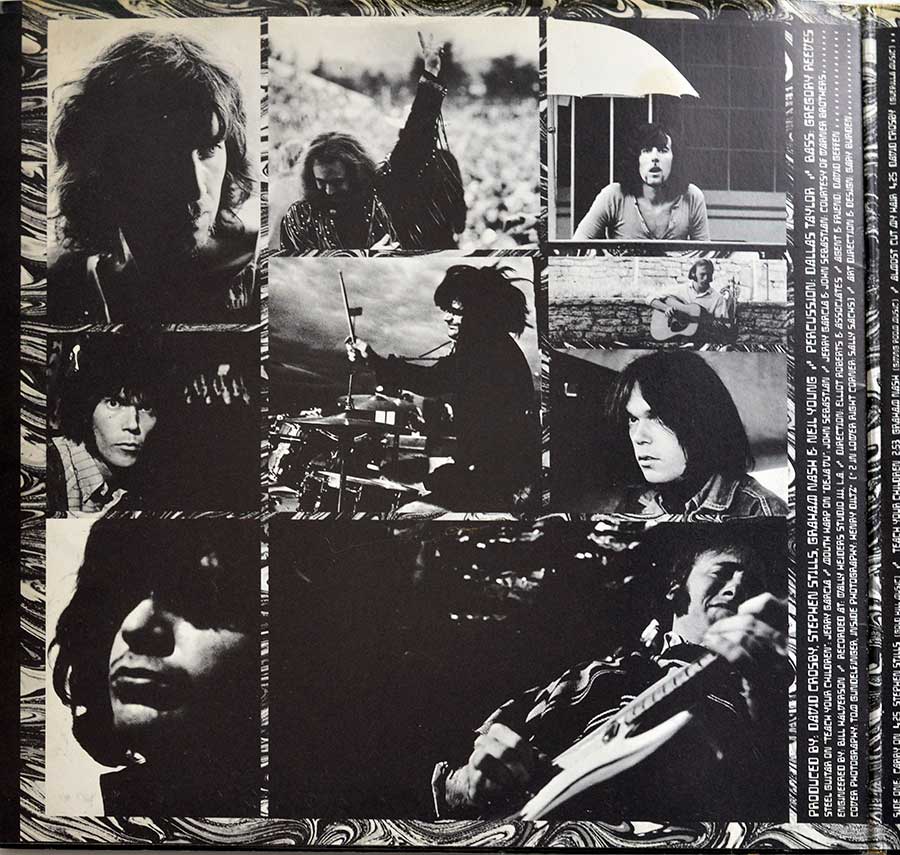
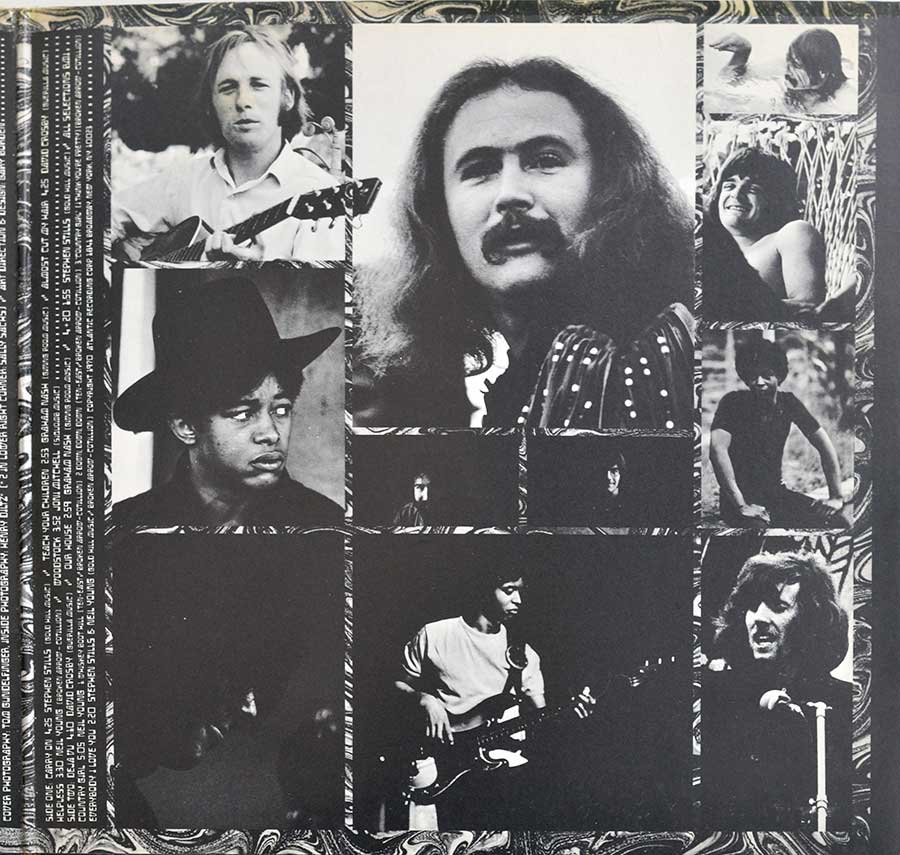
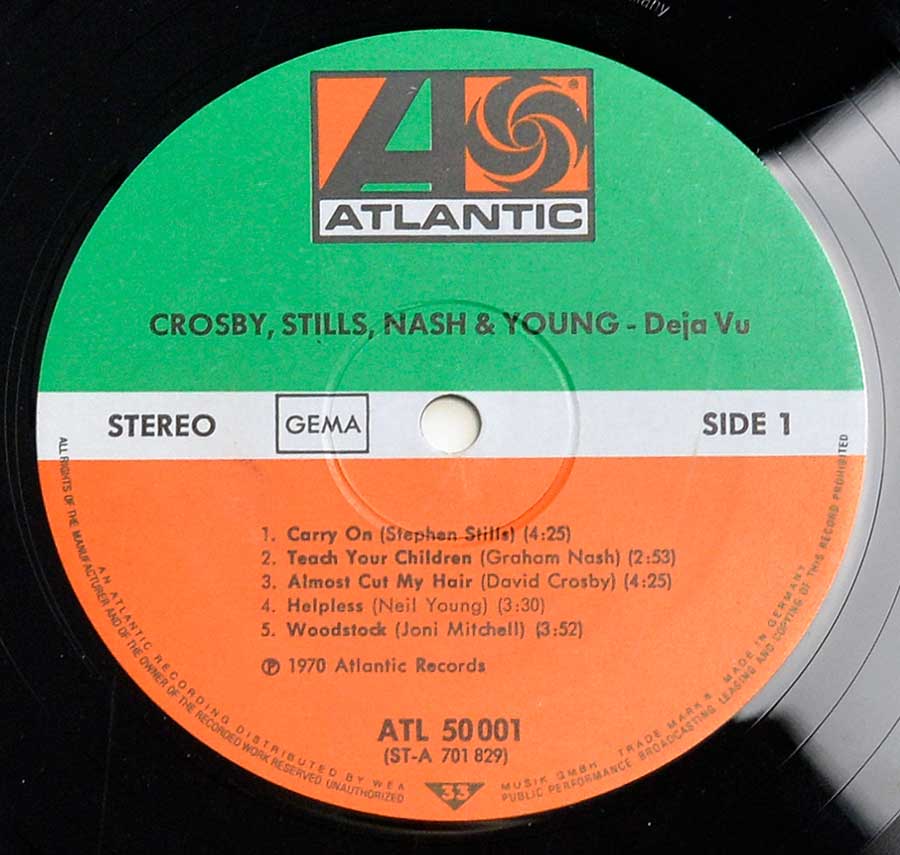
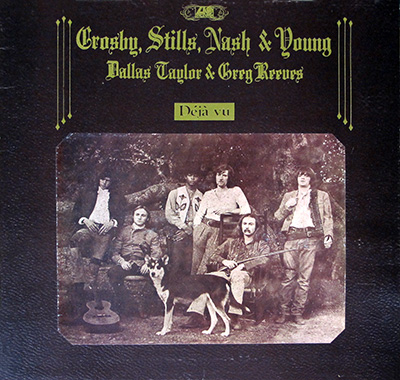
In 1970, the world was a powder keg ready to blow. Vietnam War protests raged, the counterculture movement was in full swing, and a generation was grappling with disillusionment and a yearning for change. Amidst this turbulent backdrop, Crosby, Stills, Nash & Young (CSNY) unleashed their sonic earthquake, "Deja Vu," a genuine German release on 12" vinyl LP that would forever alter the landscape of rock music.
Let's get one thing straight: "Deja Vu" wasn't just another album. It was a sonic tapestry woven with threads of folk, rock, country, and blues, a kaleidoscopic journey through the minds of four musical virtuosos who dared to push boundaries and challenge the status quo. From the opening strains of "Carry On," with its soaring harmonies and intricate guitar work, to the hauntingly beautiful "Helpless," penned by Neil Young, the album was a masterclass in musical exploration.
These weren't your typical pop stars. Crosby, Stills, Nash, and Young were seasoned veterans, each with their own unique musical identities. David Crosby, the enigmatic wordsmith, brought a poetic sensibility to his lyrics, while Stephen Stills, the guitar wizard, unleashed blistering solos that could melt your face off. Graham Nash, the melodic craftsman, infused the songs with his signature harmonies, and Neil Young, the enigmatic troubadour, added a raw, visceral energy that was both electrifying and unsettling.
"Deja Vu" was recorded at the legendary Wally Heider's Studio III in Los Angeles, a haven for musical experimentation where the boundaries between genres were blurred. The album's production team, led by the band themselves, captured the raw, unfiltered essence of their performances, with each instrument and vocal track meticulously layered to create a rich, multi-dimensional soundscape.
The album wasn't without its controversies. The lyrics of "Almost Cut My Hair," penned by Crosby, were seen as a direct challenge to the establishment, while the politically charged "Woodstock," written by Joni Mitchell but immortalized by CSNY, became an anthem for a generation seeking peace and love in a world torn apart by conflict.
The musical chemistry between the four members was undeniable. They were a volatile mix of personalities, often clashing egos and creative differences, but when they came together to make music, the results were nothing short of magical. Their harmonies were so tight, you could barely slip a razor blade between them, and their instrumental interplay was a masterclass in improvisation and spontaneity.
"Deja Vu" wasn't just an album; it was a cultural phenomenon. It topped the charts, spawned hit singles like "Teach Your Children" and "Our House," and became a soundtrack for a generation grappling with the complexities of the world around them. It was a sonic time capsule, capturing the hopes, fears, and dreams of a generation in flux.