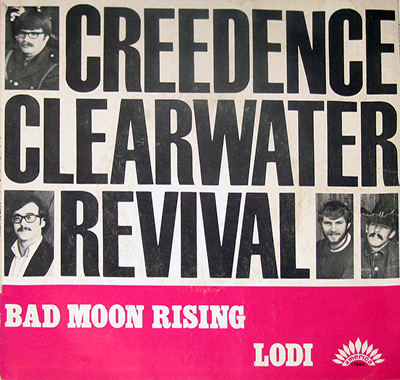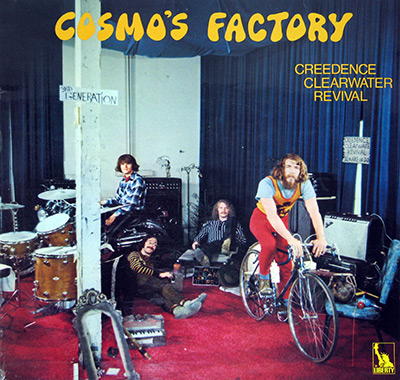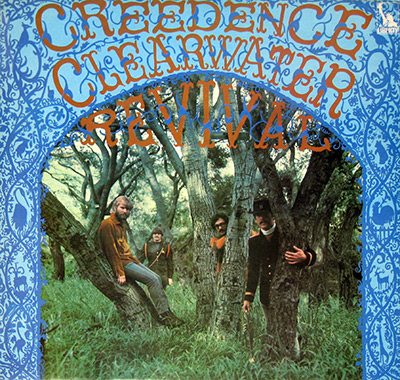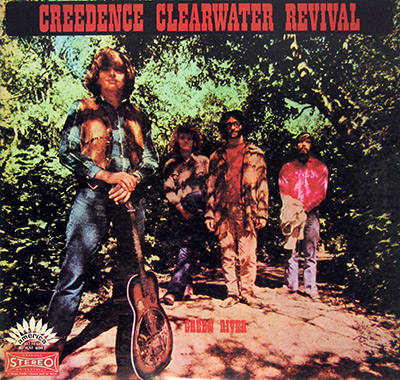
Creedence Clearwater Revival Band Description:
Creedence Clearwater Revival — CCR, because nobody has time to say it out loud every time — always sounds like a band that crawled out of a humid Southern backroad. Which is funny, because they didn’t. They came from El Cerrito, California. The swamp was imagined, not inherited. John Fogerty just sang it into existence, gravel in his throat, urgency in every syllable.
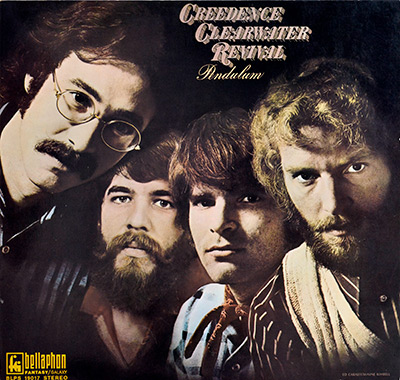
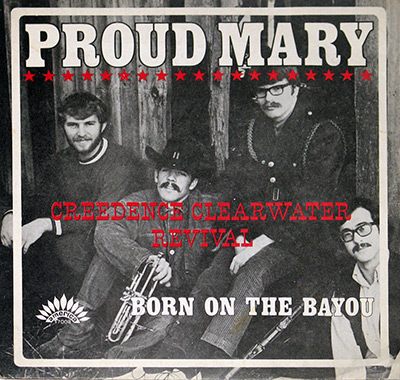
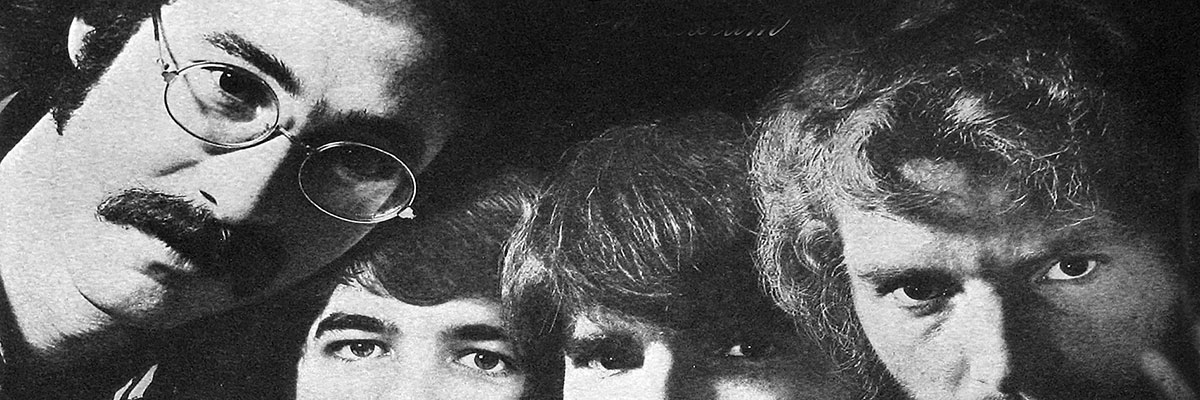
I still picture them as four working musicians who hated nonsense: John Fogerty on vocals and lead guitar, his brother Tom Fogerty on rhythm, Stu Cook on bass, and Doug “Cosmo” Clifford behind the drums. They’d already burned years under other band names, but in January 1968 they settled on Creedence Clearwater Revival. That wasn’t branding. It sounded more like a decision: this is it, no more drifting.
The debut album, "Creedence Clearwater Revival" (1968), doesn’t explain itself. It just starts moving. "Suzie Q" — a cover, not a Fogerty original — stretches out and hypnotizes, the kind of groove that makes you forget how long the needle’s been down. It’s already clear this band isn’t chasing trends. They’re locking into a lane and flooring it.
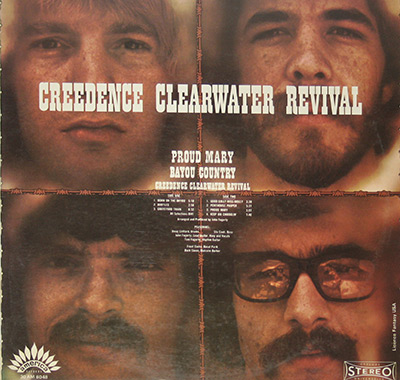
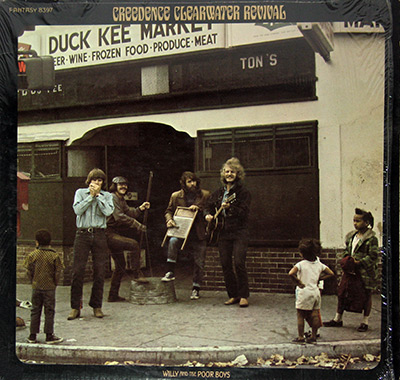
Then comes the run that makes collectors argue with themselves: "Bayou Country", "Green River", "Willy and the Poor Boys". The hits are everywhere, but what sticks with me is the engine room. Cook and Clifford don’t decorate the songs — they drive them. Fogerty barks and pleads on top, half warning, half confession.
The politics are there — Vietnam, class, unease — but never as a lecture. It feels more like someone sick of the evening news, turning the amp up instead. CCR songs work while you’re doing ordinary things: washing dishes, driving nowhere in particular, suddenly singing along without realizing when it started.
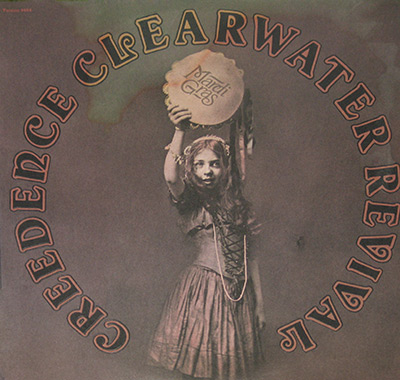
The cracks show early in the ’70s. Tom Fogerty leaves in 1971. By 1972, the band is done. The final album, "Mardi Gras" (released April 11, 1972), is infamous because you can hear the strain. Not heartbreak — exhaustion. A band finishing because it has nothing left to say to itself.
Even the name tells you something. “Creedence” came from a friend, Credence Newball. “Clearwater” was lifted from an Olympia Brewing TV commercial about clean water. “Revival” wasn’t hype. It was internal. A reset. A quiet admission that they were starting over and meant it this time.
References / citations
- Encyclopaedia Britannica – Creedence Clearwater Revival
- Rock & Roll Hall of Fame – CCR
- AllMusic – Artist Biography
- Wikipedia – Band history & name origin
- Wikipedia – "Mardi Gras" album
- Wikipedia – "Suzie Q"
- Pitchfork – CCR and Vietnam-era associations
CCR still feels like proof that you don’t need excess to last. Just a riff that won’t let go, a drummer who never blinks, and a voice willing to say things without tidying them up afterward.