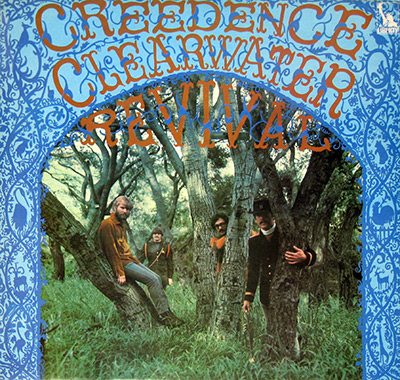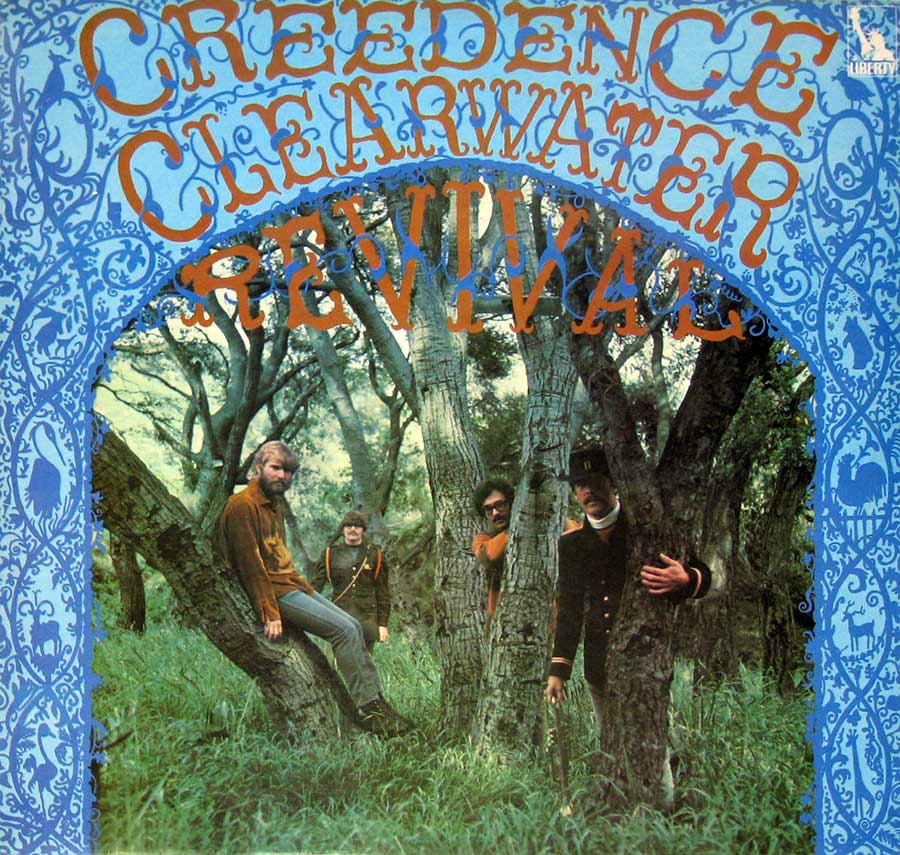
Creedence Clearwater Revival - S/T Self-titled Album Description:
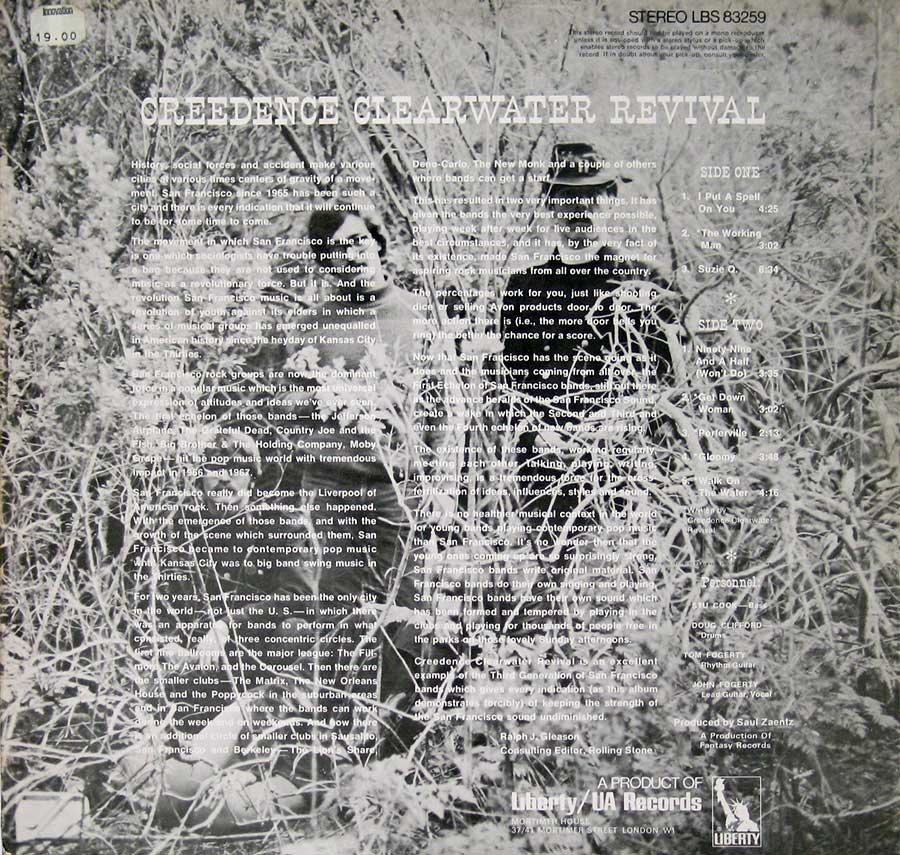
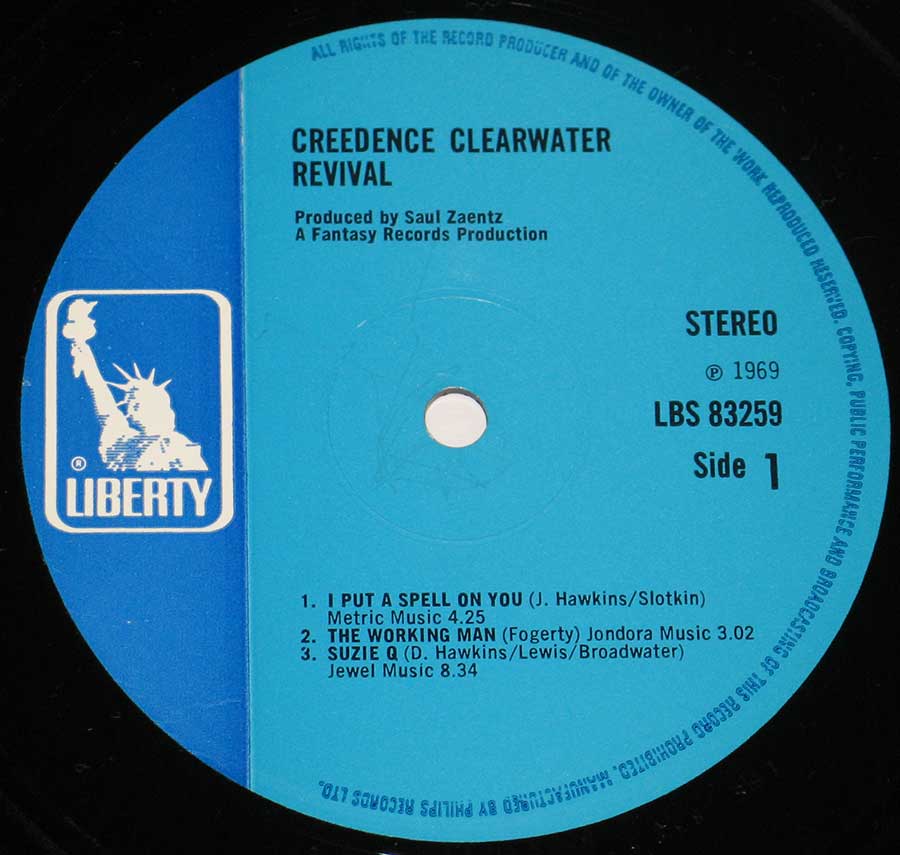
This is CCR before the legend hardened into cliché. You drop the needle and they kick the door in with "I Put a Spell on You"—not their song, but absolutely their attitude. Fogerty doesn’t “showcase” anything. He leans into the mic like he’s trying to bend it, and the band keeps the floorboards from lifting. No incense. No flower-crown nonsense. Just a tight little machine learning how to snarl.
"The Working Man" comes next and it doesn’t mess around. Short. Blue-collar. It stomps more than it “features” anything. This is the kind of track that makes your room feel smaller—in a good way—like you’ve dragged a rehearsal amp into the living room and now everyone has to live with it.
Then "Susie Q"—yes, a cover, and that’s the point. They slow it down, thicken it up, and stretch it until it turns hypnotic and a bit menacing. On the LP it runs for over eight minutes, which feels like a deliberate act of stubbornness in 1968: the band daring radio to cope. The single edit ("Suzie Q. (Part 1)") climbed to #11 on the US Billboard Hot 100, and that was the first real “who are these guys?” flare in the sky.
People love to write this album up like it arrived as a complete blueprint. It didn’t. It arrived as a band with good taste, sharp timing, and a singer-songwriter already trying to grab the steering wheel. The album itself reached #52 on the US Billboard 200—no instant empire, but enough to wedge the door open and keep it from closing again.
And the “all tracks written by John Fogerty” line? Nope. The original LP has 8 tracks, not 11. There are multiple covers ("I Put a Spell on You", "Susie Q", "Ninety-Nine and a Half (Won’t Do)", "Good Golly Miss Molly"), and "Walk on the Water" is co-written with Tom Fogerty. John is clearly the main engine here, but it’s not a one-man credits spreadsheet yet. Honestly, that’s part of the charm—this one still sounds like a band, not a brand.