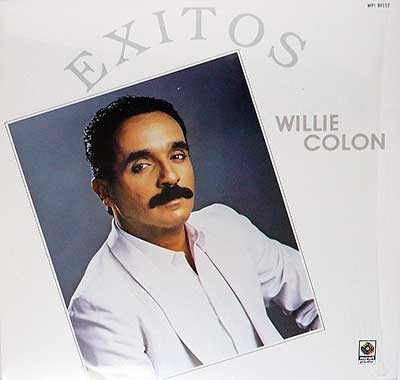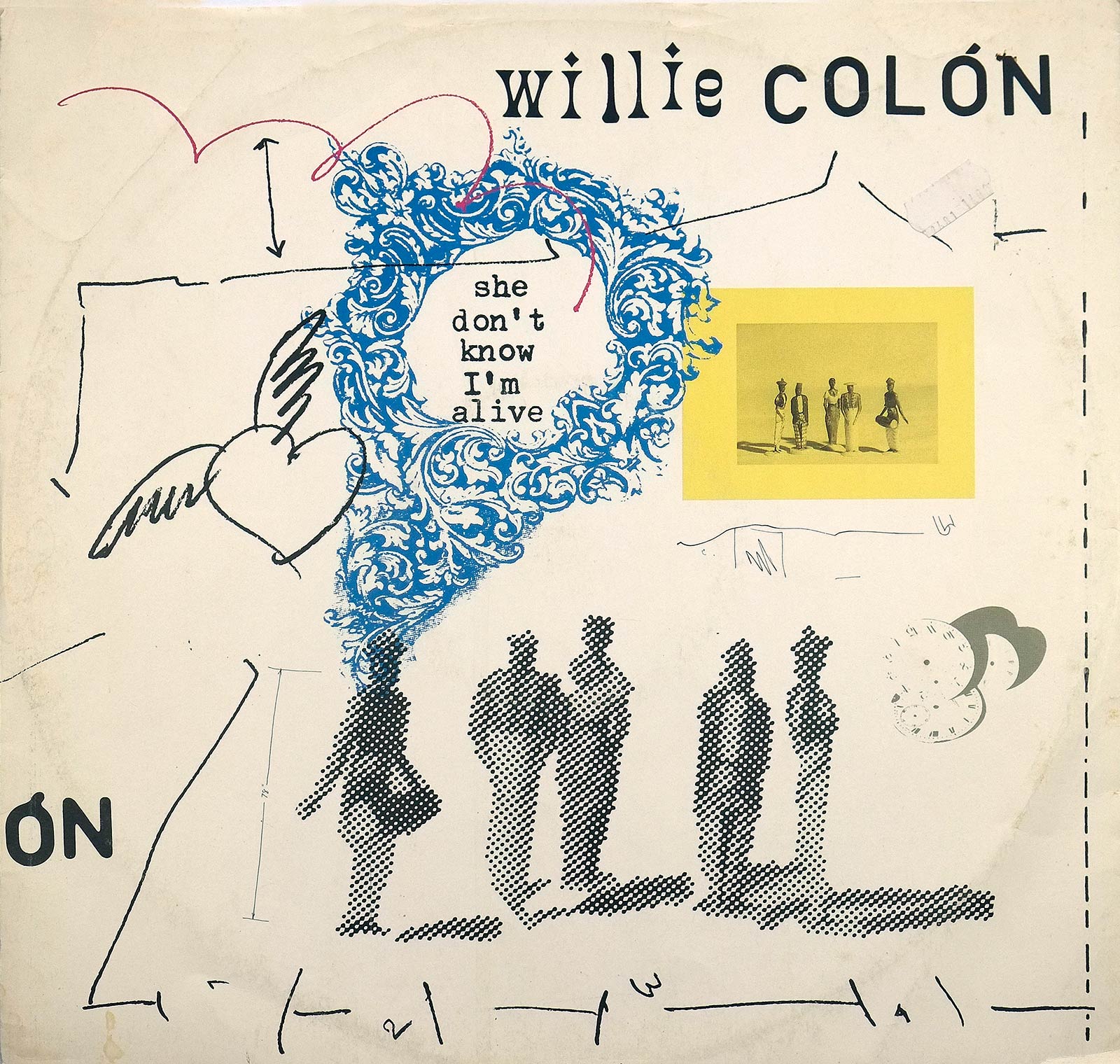
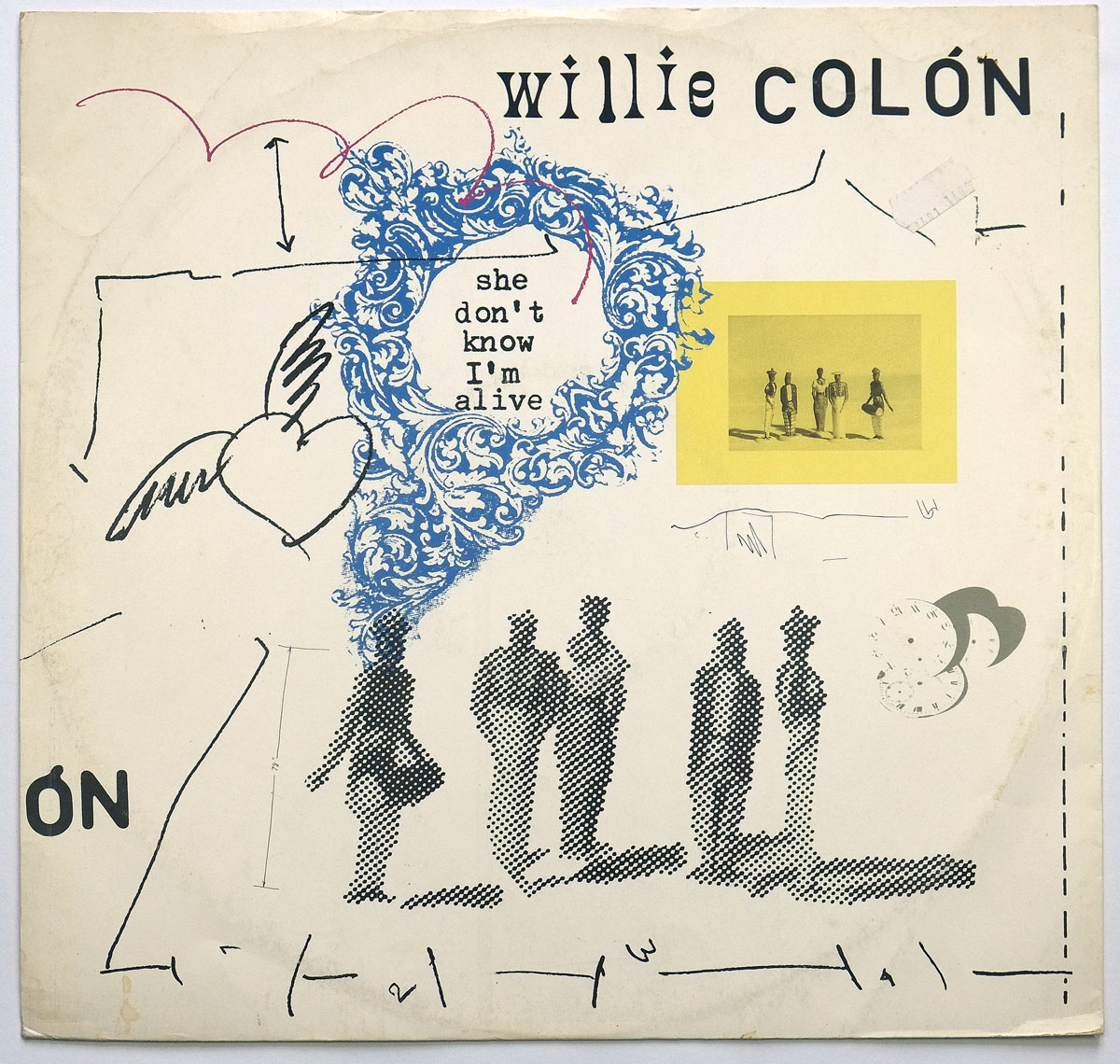
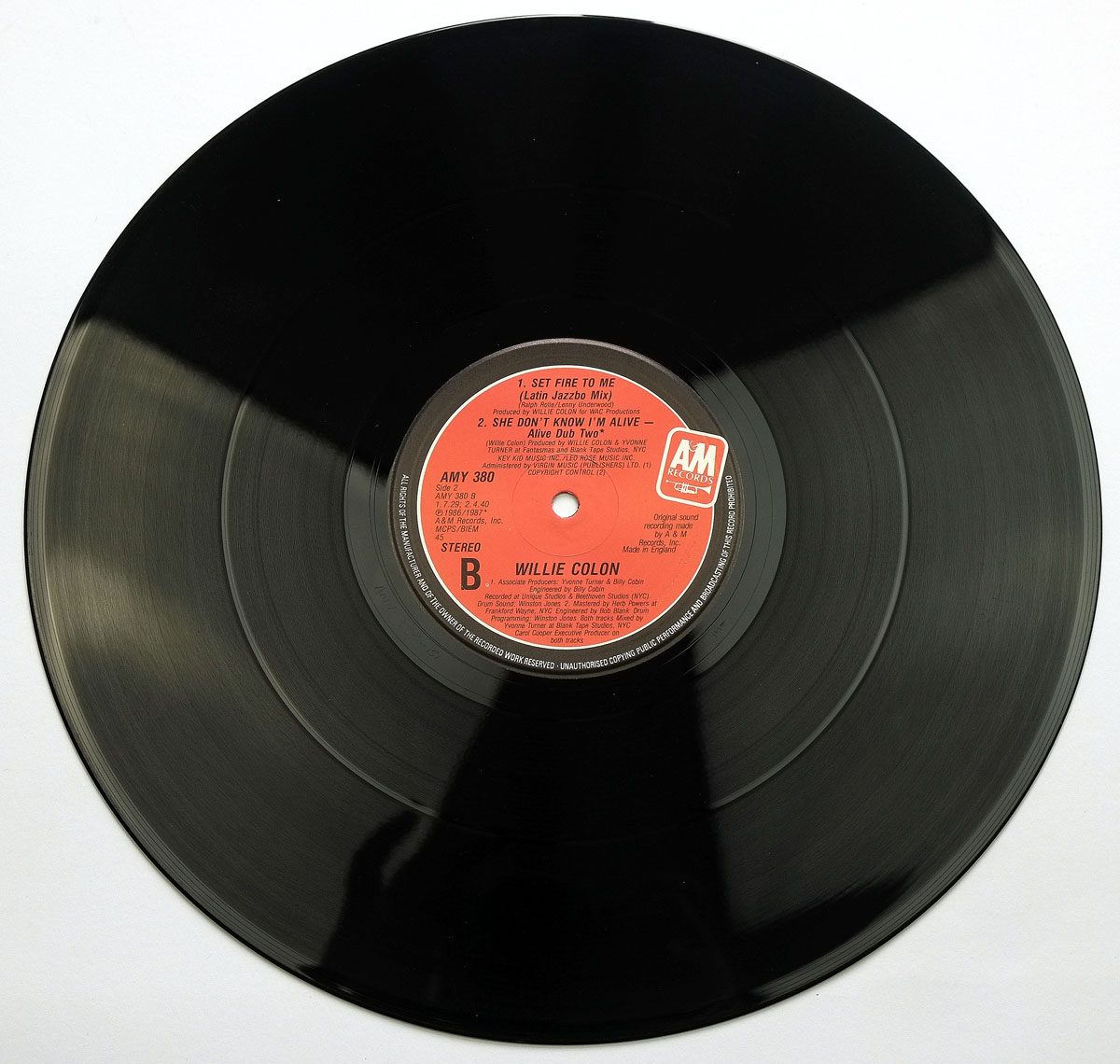
Willie Colón never sounded polite, and that is half the point. Born in the South Bronx in 1950 to Puerto Rican parents, he came up young enough that his mother had to sign his first contract, then started shoving that raw trombone tone into New York salsa before most bandleaders had figured out what to do with the street. The sound had brass stabs, barrio smoke, and very little interest in behaving.
People who only know the name from a greatest-hits shelf miss the real jolt. The teenage partnership with Héctor Lavoe was not some tidy career step; it was a shove. "El Malo," "Che Che Colé," and "La Murga" did not glide into the room, they crowded it, all elbow, tumbao, and grin, with Lavoe's sly voice riding over Colón's arrangements like somebody enjoying the trouble a little too much.
What still gets me is the balance. He could make a band hit like a bus and still leave enough air for the hook to stick. The brass charts had weight, the percussion snapped with clave bite, and the storytelling never felt sterilized for polite company. A lot of Latin records get praised for "energy" by people who mean color. Colón's best sides had heat, pressure, and a bit of asphalt under the nails.
Later he pushed further, not softer. His work with Rubén Blades dragged salsa toward sharper social writing without draining the sweat from it, which is harder than the culture-industry bores like to admit. Outside the studio he also moved into civic and political work in New York, because some musicians wear conscience like a stage costume and some carry it into the street where it can actually get scuffed.
I still think the easiest way to understand him is to put on an old side when the room is too quiet. Coffee cooling, light low, sleeve half out of the jacket. One trombone phrase and you know it is him. Not because the sound is "important." Because it shoves the air around.
Even after his death in February 2026, that stamp still hangs over salsa dura, Latin jazz, and the hip-hop habit of stealing a horn line when a producer wants instant attitude. Plenty of artists leave catalogs. Colón left a smell of brass, sweat, descarga, and New York stubbornness that still clings to the needle. Good. It should.
References
- Fania artist profile for Willie Colón
- Fania history on Colón's early recording start and Héctor Lavoe
- Fania notes on "Cosa Nuestra" and "Che Che Colé"
- Fania overview of the Willie Colón and Rubén Blades partnership
- Britannica biography of Willie Colón
- Encyclopedia.com note on Colón's political activity
- Vinyl Records Gallery for high-resolution album cover photos