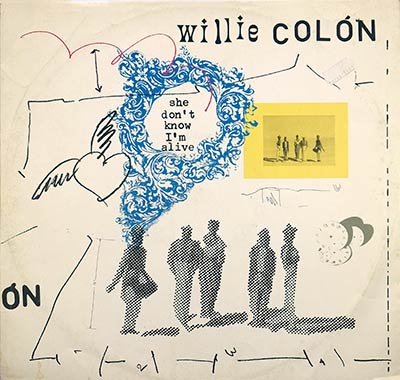
"Willie Colón y Rubén Blades" (1987) Album Description:
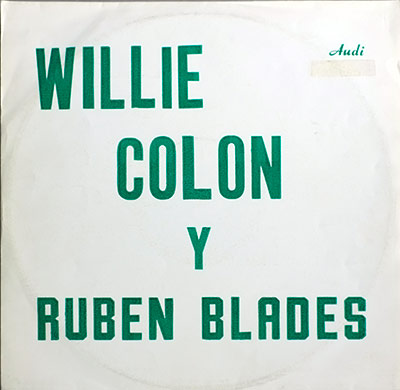
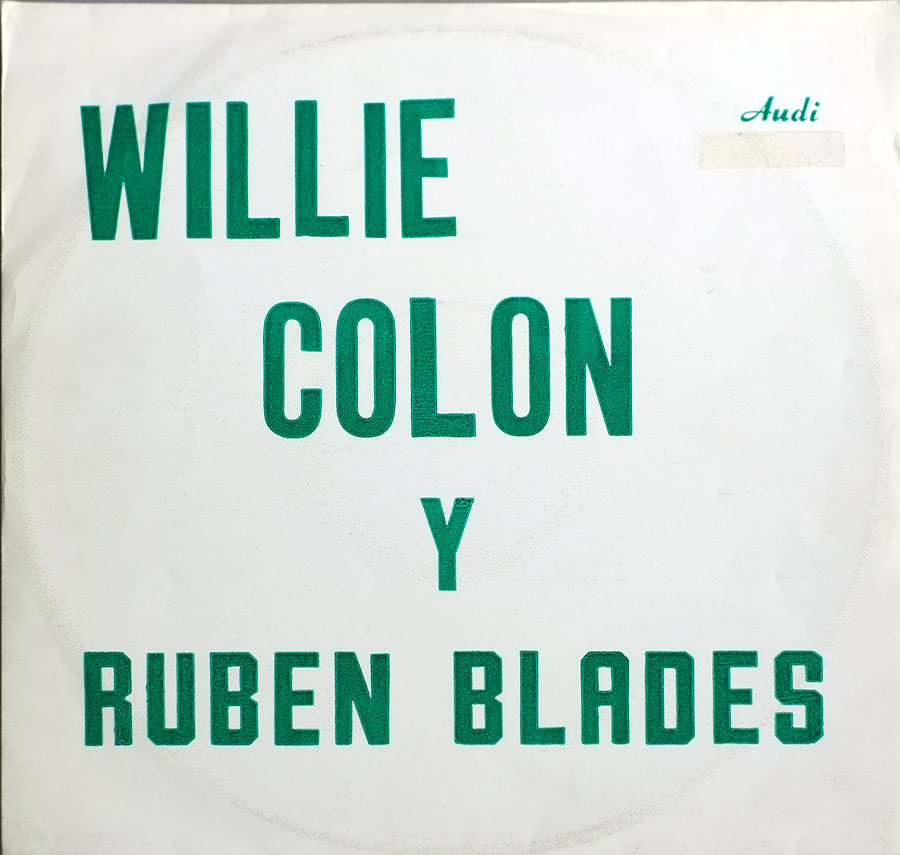
Calling this a self-titled album is a little too tidy. This Cuban AUDI pressing from 1987 plays less like a fresh studio statement and more like a hard-edged dossier on the Willie Colón and Rubén Blades alliance: sharp songs, blue-label austerity, and a lot of barrio voltage packed into one LP. What you get is not polish for polish's sake, thank God, but the sound of two men who knew salsa could carry more than romance and nightclub perfume.
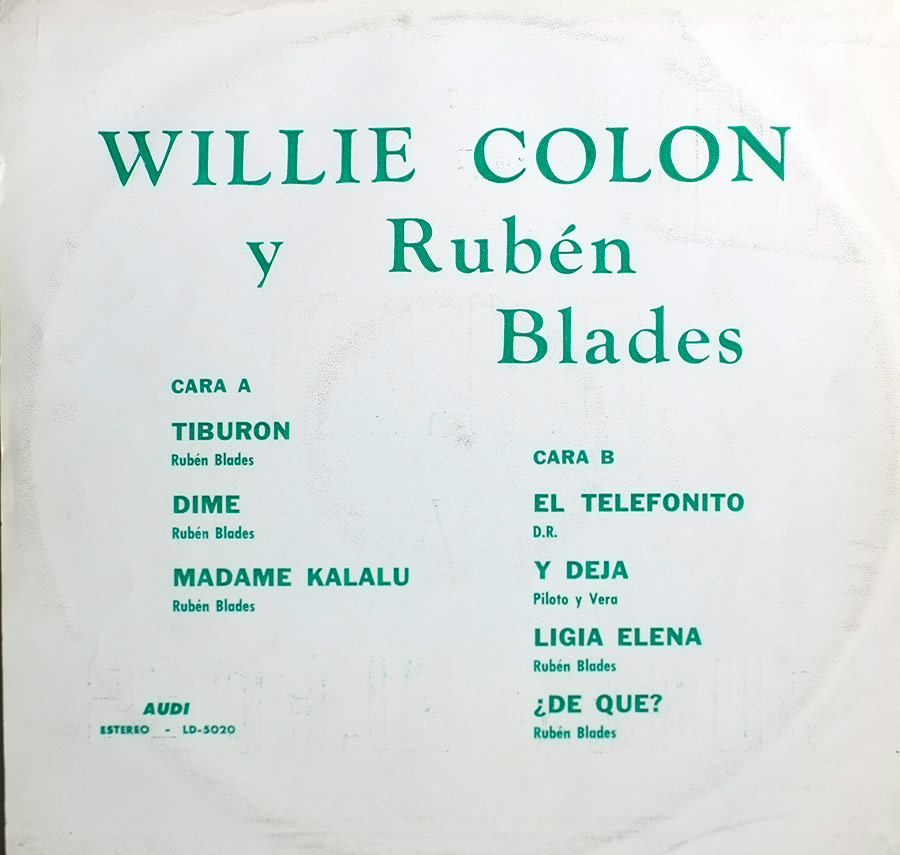
And that is exactly why this record gets more interesting the longer you stare at it. The sleeve looks plain, almost businesslike, yet the grooves jump from satire to menace to street gossip with barely a pause, and the track selection quietly gives away that this is a puzzle-box of the duo's best years rather than one neat recording session. Open the hidden section and the whole little scam reveals itself in the best possible way.
By 1987, the air around salsa had shifted. The late-1980s market was already leaning toward smoother, softer salsa romántica, the kind of stuff that could glide across radio without stepping on anybody's shoes, while this Cuban LP drags the listener back toward the tougher city logic of salsa dura. Set beside the satin moods of Frankie Ruiz or Eddie Santiago, or even next to the broader dance-floor reach of El Gran Combo, Sonora Ponceña, and Grupo Niche, this record feels like the rude newspaper on the table after breakfast.
The partnership worked because Colón and Blades were not bringing the same weapon to the fight. Colón had already come through the Héctor Lavoe years with his trombone style intact: hard brass, sharp arrangement sense, and the old Bronx instinct for making a band sound like pressure. Blades brought the pen, the sideways smile, the eye for social theater, and suddenly the music was not just moving bodies but needling minds too. Not respectable. Just more dangerous.
The track list tells the story better than any sales pitch ever could. "Tiburón" has bite and political teeth, "El Telefonito" moves with sly momentum, "Ligia Elena" still lands with that cruel little grin, and "Madame Kalalú" adds more character than most full albums manage in forty minutes. The arrangements push forward with brass attack, tumbao, and percussion heat, but there is space inside the rhythm, enough room for Blades to phrase a line like a man slipping a razor into a handshake.
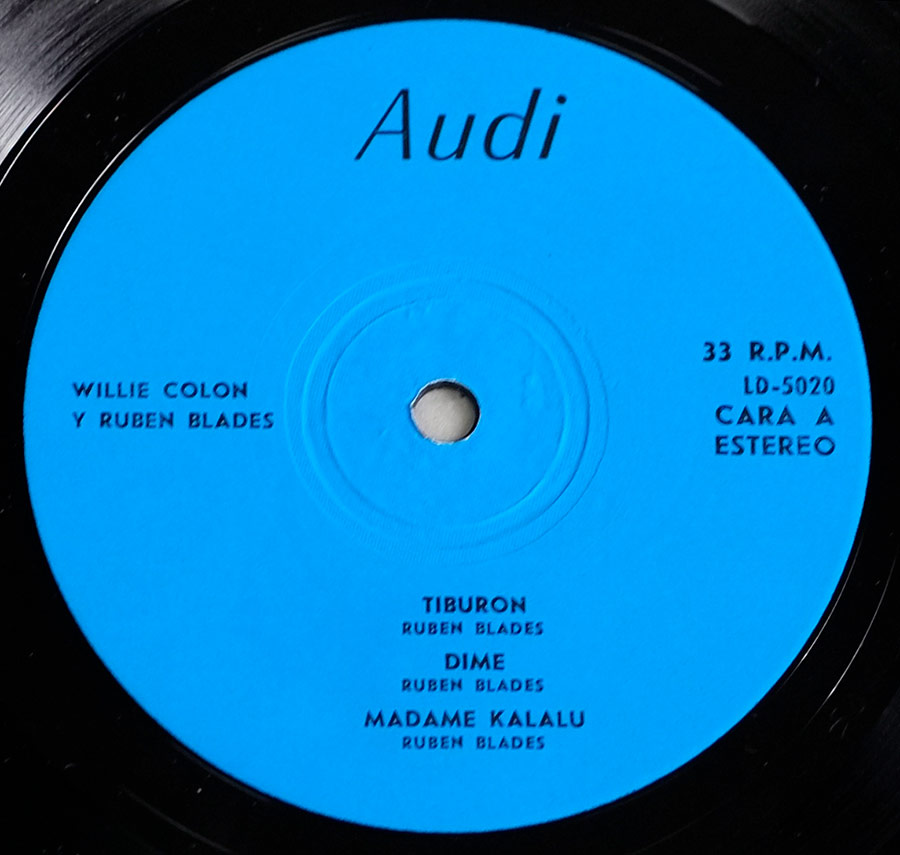
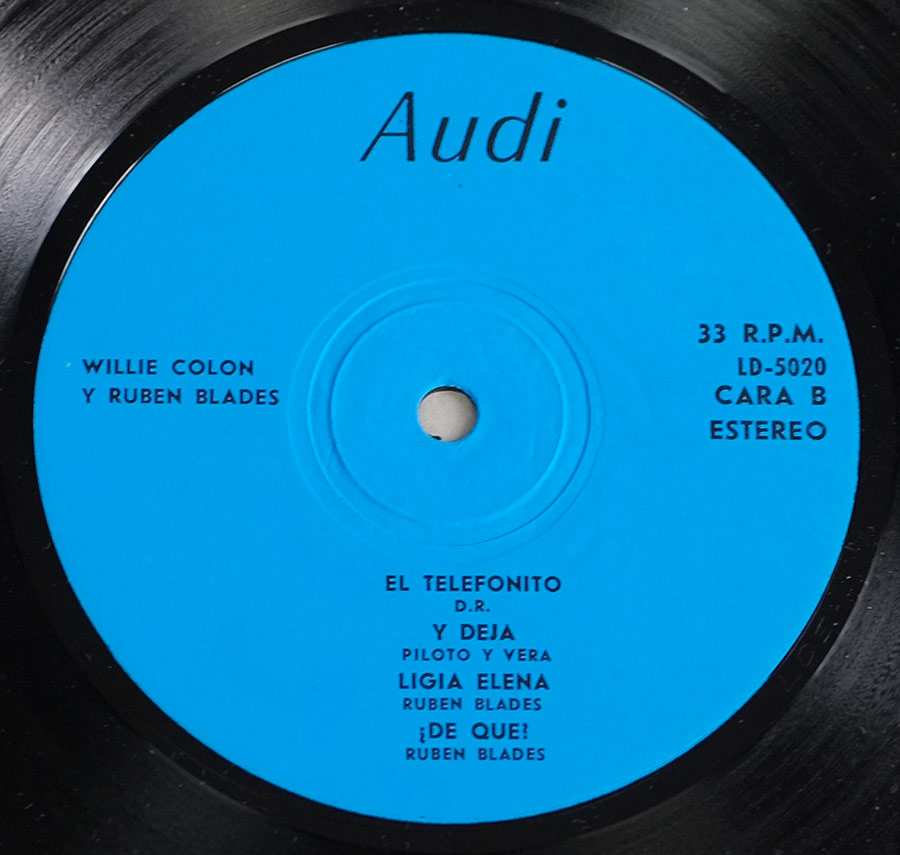
That is the part collectors understand and casual buyers usually miss. This Cuban AUDI issue matters not because it is dressed up like a luxury artifact, but because it is not. The sleeve and the solid blue LD-5020 labels look practical, even slightly stern, which suits the music better than glossy nostalgia ever could. Late at night, with a lamp on and the room quiet, it is exactly the kind of pressing you keep in your hands for ten seconds longer than necessary.
There was no grand scandal attached to this particular Cuban release, and anyone claiming otherwise is probably marinating the story for effect. The real misconception is simpler and more common: people see the self-titled name and assume a unified studio album from one moment in time. It is not that. It is a 1987 Cuban compilation, and that actually helps, because the record ends up showing the range of the Colón-Blades partnership without the dead air and padding that ruin so many catalog repackages.
By the time this LP appeared in Cuba, the classic Colón-Blades run was already something listeners could look back on rather than live inside. That distance gives the record its aftertaste. It plays like a dispatch from the years when salsa still had elbows, opinions, and a taste for trouble, before too much of the business learned how to soften the edges and call it progress. This pressing never bothers pretending to be elegant. It just gets on with the job.