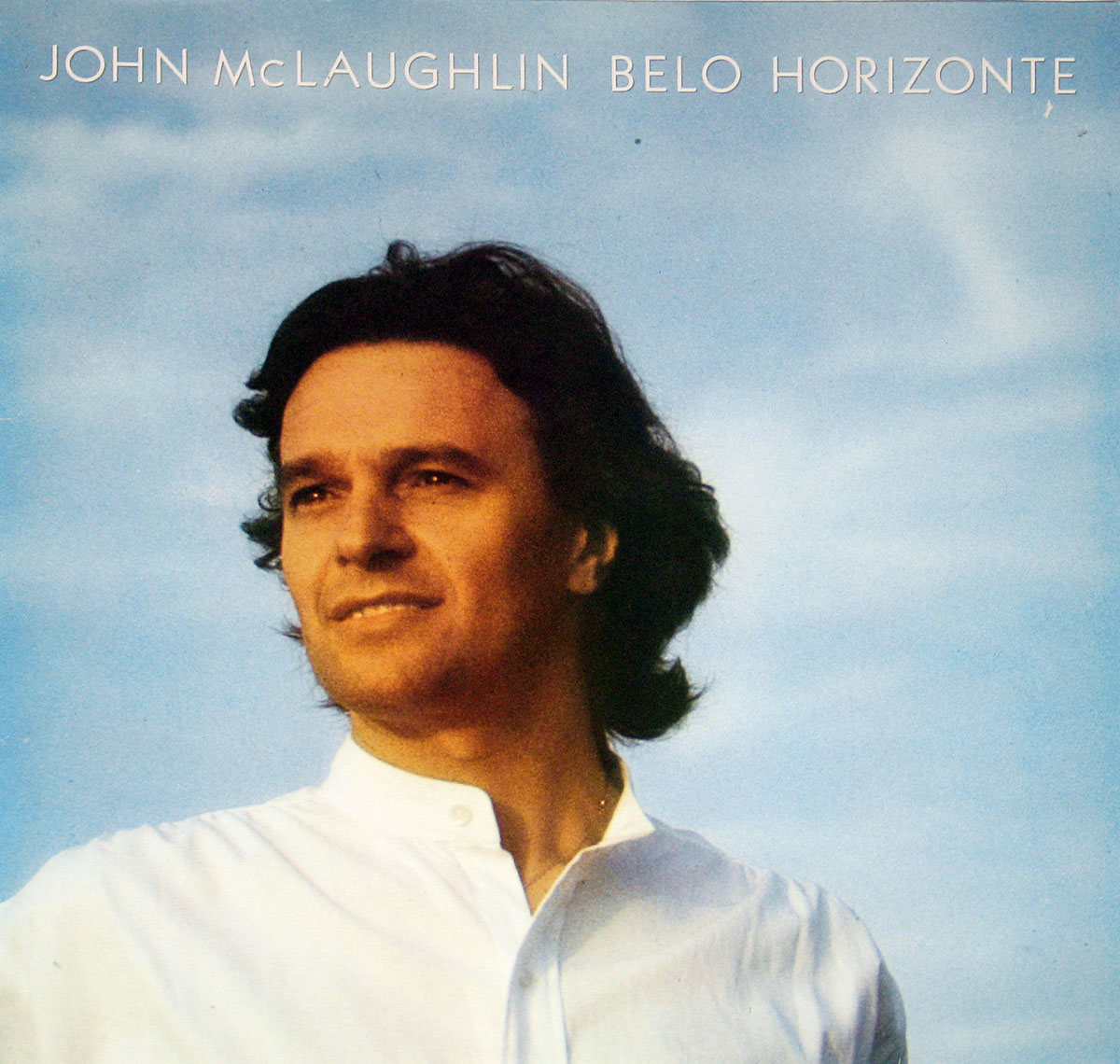
"Belo Horizonte" (1981) Album Description:
"Belo Horizonte" is what happens when John McLaughlin stops trying to win the room by force and starts tightening the screws another way. By 1981 the old fusion thunder had cooled, punk had already kicked a hole in a lot of guitar grandiosity, and McLaughlin answered by going leaner, sharper, more acoustic, but not softer. This record does not strut. It glides in, sits down, and then quietly starts bending the furniture.
That matters, because the usual sales pitch on this album is wrong. People see Paco de Lucia's name, hear the title, and expect a nonstop flamenco showdown with sparks flying off both fretboards. Not quite. Paco turns up late and beautifully, but most of "Belo Horizonte" belongs to a different kind of ensemble - one foot in jazz, one in chamber texture, one in the afterglow of Shakti, which is already three feet and a good sign that the record does not care about tidy geometry.
The year, the weather, the turn
McLaughlin was in a transitional mood then, and you can hear it before you know it. The electric blizzard of Mahavishnu is no longer the headline act; the acoustic guitar moves to the front, but the band around it stays wired, brushed with keyboards, percussion, and wind instruments that keep the air shimmering. He had already been through the One Truth Band and the guitar-trio excitement. Here he sounds like a man narrowing his beam, not dimming it.
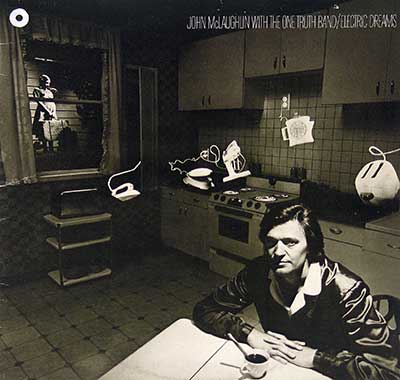
Put this beside Weather Report, Return to Forever, late-70s Mahavishnu leftovers, Santana's more devotional stretches, or even McLaughlin's own "Electric Dreams," and the contrast is immediate. Those records often announce themselves. "Belo Horizonte" slips under the door. It has less theatrical muscle, more contour, more sideways movement, more of that strange feeling that the rhythm is relaxed right up until it isn't.
What the band actually does
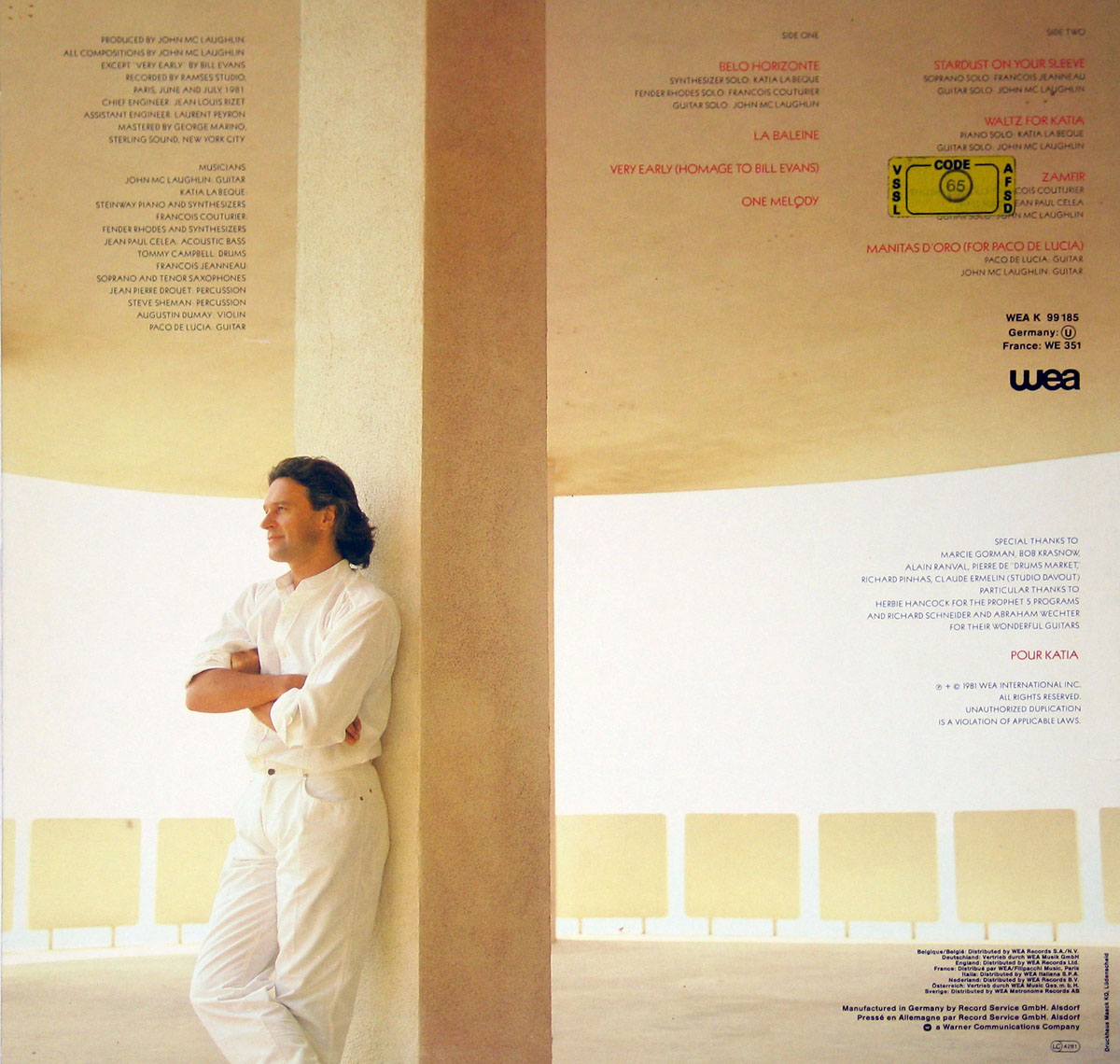
The personnel matter here because this record is built like a careful argument. Katia Labeque and Francois Couturier do not just pad the harmony; they mist the whole room with piano, Rhodes, and synthesizer colors that keep McLaughlin's acoustic lines from ever sitting still. Jean-Paul Celea gives the music a deep, unshowy center. Tommy Campbell keeps the pulse firm without bullying it. Jean-Pierre Drouet and Steve Sheman shake extra light into the corners, and when Francois Jeanneau appears on saxophones, the album suddenly opens a window.
Then there is Augustin Dumay on "Waltz for Katia," which is one of those titles that sounds delicate until the record tells you otherwise. The track does not float so much as lean. It has poise, yes, but also a faint ache, like somebody smiling while still keeping one eye on the door.
How it moves, not what it means
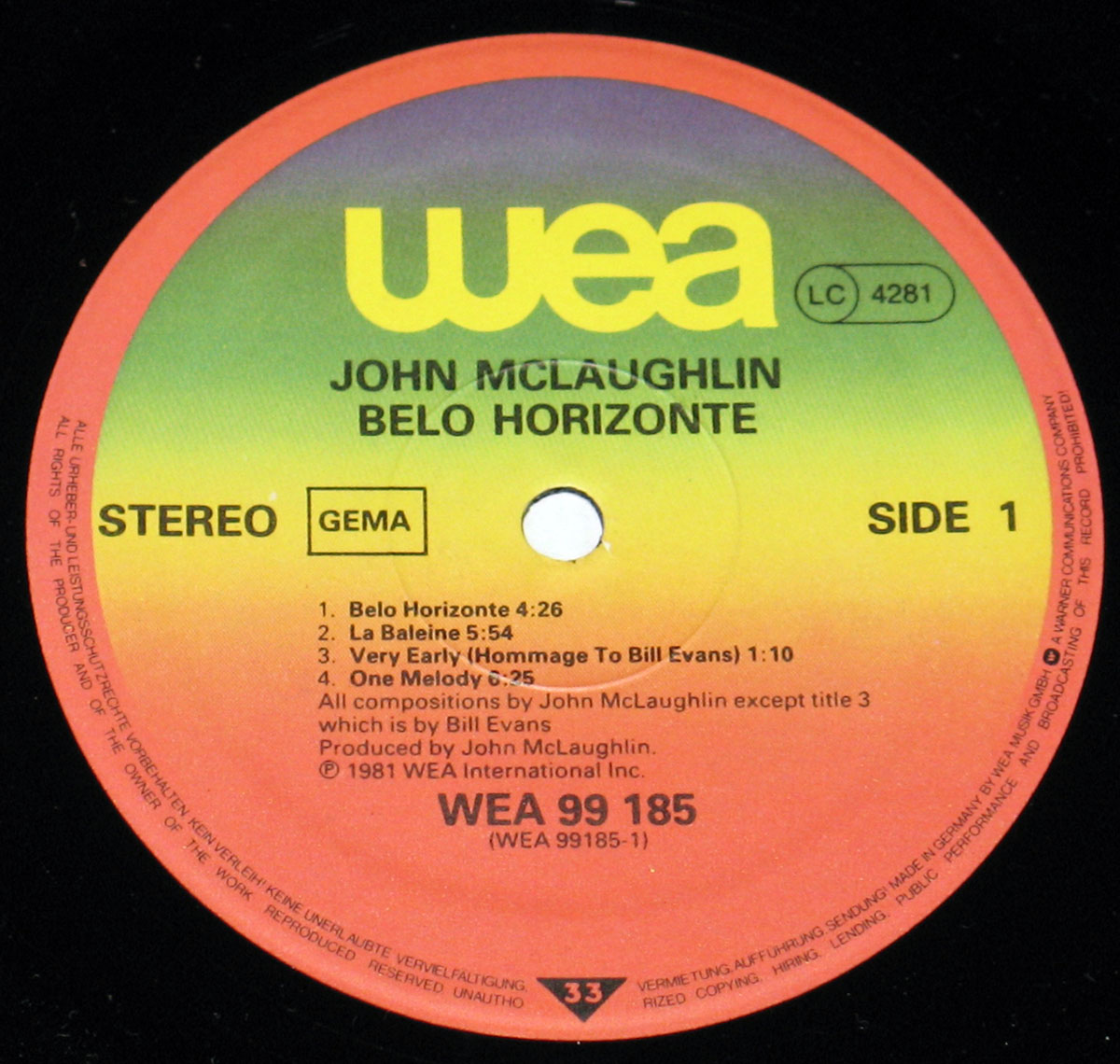
The title track comes in warm and loose, with that Brazilian hint in the air, but McLaughlin's phrasing keeps it from becoming postcard music. "La Baleine" sways rather than marches. "Very Early (Homage to Bill Evans)" is brief enough to feel like a thought passing through the room. And "One Melody" - not "One Word," despite what the bad copy says - is where the album starts revealing its real trick: tension without bluster, intricacy without showing off like a peacock in mirrored sunglasses.
This is the kind of record that can fool people on first listen. It seems gentler than it is. Listen again and the detail starts crawling out of the speakers: the clipped attack of the guitar, the way the keyboards widen the horizon without turning syrupy, the little rhythmic nudges that keep the music moving forward even when it looks like it is standing still. Nothing is lazy on this album. Not one damn inch.
The Paco question, because everybody asks it
No, this is not a full McLaughlin-de Lucia duet record. That is the common myth, probably helped along by bad blurbs and wishful thinking. Paco de Lucia appears on "Manitas D'Oro (for Paco DeLucia)," and when he arrives the record changes temperature at once. The piece does not turn into a circus trick. Better than that. It becomes a meeting of touch, attack, pride, and restraint, two players circling the same fire without trying to shove each other into it.
I have always liked that about the album. It does not overplay the guest spot. Lesser records would have built a neon arch around it and sold the whole thing as an international guitar cage match. McLaughlin was too smart for that, or maybe too stubborn. Same difference.
Paris, late hour, low light
Recorded in Paris during a period when McLaughlin was reshaping his sound, "Belo Horizonte" has that after-midnight European studio feel: precise but breathable, elegant but never perfumed to death. I can picture this one exactly where it belongs - half ignored in a record-shop bin because the sleeve looks too tasteful, then taken home by somebody who puts it on near midnight and realizes ten minutes later the room has changed shape.
No scandal, just bad assumptions
There was no grand scandal hanging off this record, and frankly that is fine. Not every album needs a food fight attached to it. The real confusion was simpler: some listeners wanted old Mahavishnu voltage, others wanted a full flamenco-jazz summit, and "Belo Horizonte" refused to be either one. It sits in between, which is often where the interesting records live.
That is why the album still nags at people. It is too lyrical for the speed freaks, too disciplined for the dreamers, too sly for anybody who needs genre labels printed in block capitals. Good. Let it stay a little slippery. Music this alert should never feel completely housebroken.