Nile Rodgers is the kind of guitarist who doesn’t just play grooves—he builds them. I first clocked him in the late ’70s with Chic, where between 1977 and 1980 he helped turn disco into something sharper, leaner, almost mechanical in its precision. Then the ’80s hit, and suddenly his fingerprints were everywhere: early ’80s work with David Bowie on "Let’s Dance", Debbie Harry’s "KooKoo", and mid-decade cuts with Cyndi Lauper. The thing is, Rodgers never overplays—he trims, tightens, locks everything into place. You hear it once, and after that, you can’t unhear it.
Album Description: "Change of Heart"
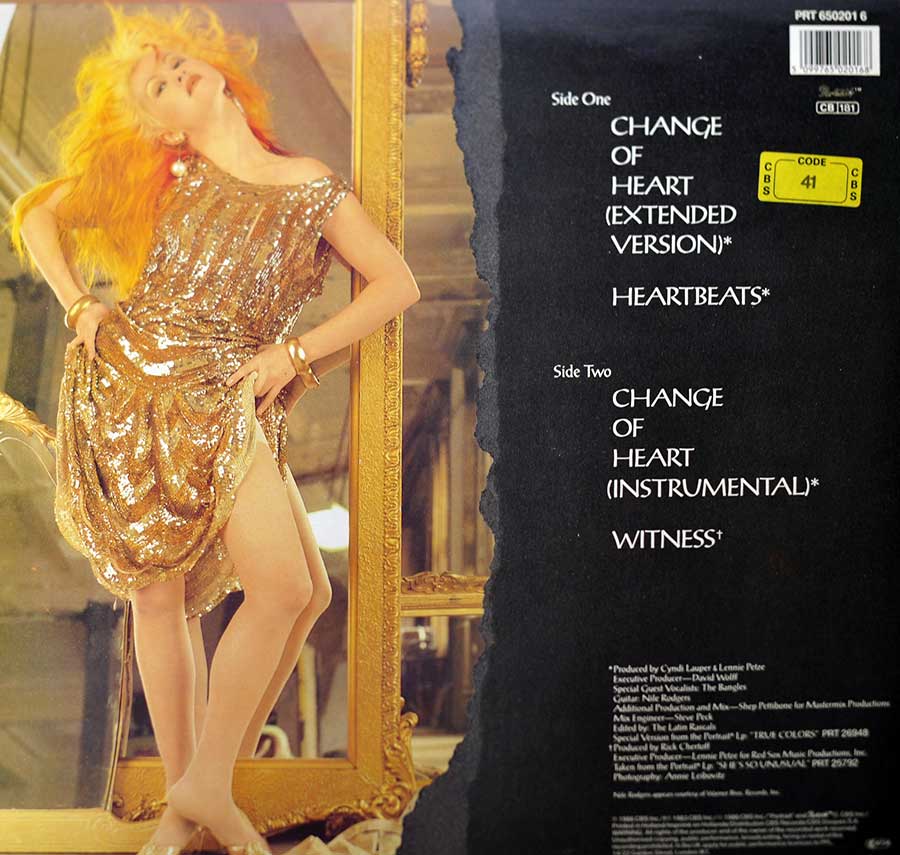
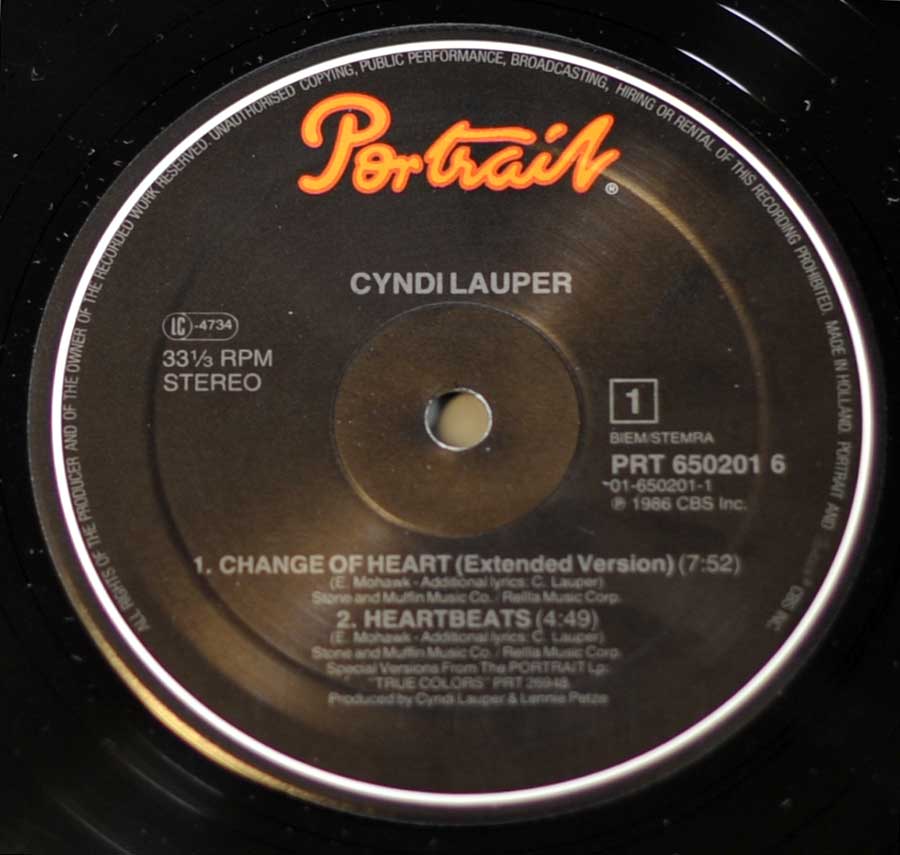
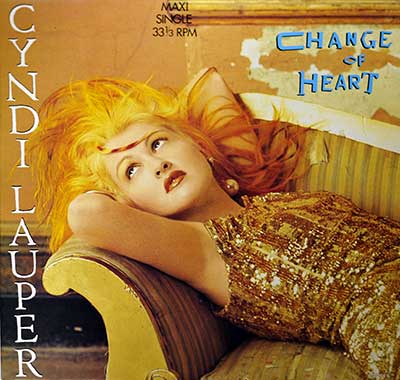
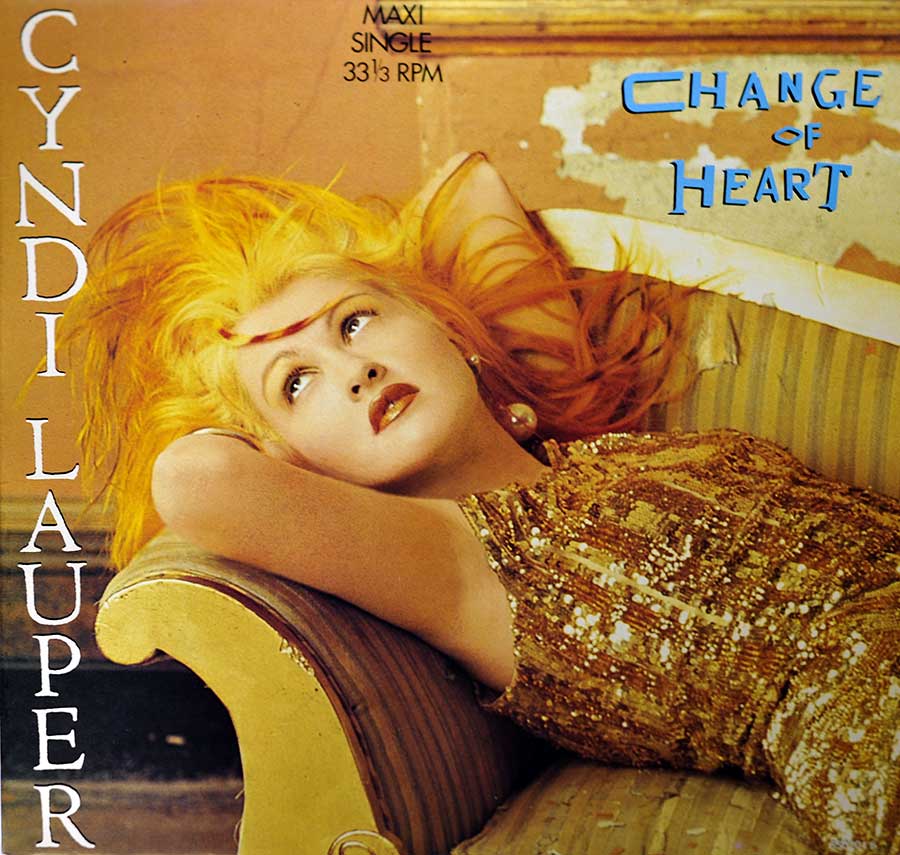
```Cyndi Lauper – "Change of Heart" 12" Maxi-Single (1986, Made in Holland Ñ Portrait PRT 650201)
Context & Moment
In 1986, with True Colors still warm on the charts, Cyndi Lauper doubled down on pop clarity and club muscle. As the second single from that album, "Change of Heart" arrived purpose-built for dancefloors and radio alikeÑbright, aerodynamic, and fearless. The 12-inch format wasn't just packaging; it was a stage where Lauper's hook-craft could stretch its legs and breathe.
Sound & Studio
Produced by Cyndi Lauper with Lennie Petze and David Wolff, and mixed by Steve Peck with Shep Pettibone for Mastermix Productions, this maxi-single bears the hallmarks of mid-'80s New Wave meeting precision pop. Pettibone's extended architecture favors long arcs and spotlighted breaks; synths shimmer, percussion snaps, and the bassline gets room to strut. The result is sleek without losing human heatÑLauper's voice rides high, conversational one moment, skybound the next.
Songs & Arrangements
The Extended Version of "Change of Heart" doesn't merely elongateÑit reveals. Structural pivots, instrumental spotlights, and tension-and-release passages underscore how rhythm drives the song's emotional urgency. The instrumental version functions like a blueprint: melody and groove laid bare, showing how each keyboard figure and drum accent carries narrative weight.
The companion tracks widen the single's frame. Heartbeats leans into romantic pulse and late-night glow, a counterweight to the A-side's kinetic push. Witness brings grit and snap, reminding you that Lauper's pop instincts were always informed by street-level energyÑconcise, catchy, and a touch combative.
Performance & Personality
Lauper's signature is emotional agility: she can sound playful, urgent, and resolute in a single phrase. Here, layered harmonies and ad-lib sparks give the track its lift. The production keeps her at the centerÑchoruses bloom around her, not over herÑso the song's message lands with a dancer's confidence and a storyteller's clarity.
Why the 12-Inch Matters
In the mid-'80s, the 12" single was a proving ground where pop songs earned after-hours credibility. "Change of Heart" thrives in that space. The arrangement invites DJs to ride the groove and listeners to live inside it. It's New Wave streamlined for modern pop, but with enough negative space and rhythmic torque to keep a floor moving.
Place in Lauper's Story
As a follow-up to the reflective title track of True Colors, this single showed Lauper's rangeÑbig-hearted pop that could still sprint. It became a fan favorite for good reason: memorable chorus, restless motion, and a performance that makes conviction sound effortless. Decades on, "Change of Heart" still feels like forward motion captured on vinyl.