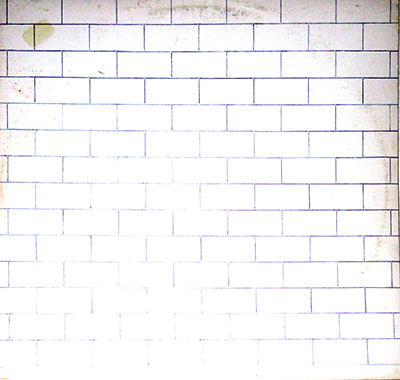
"The Wall" Album Description:
Pink Floyd's "The Wall" stands as a monumental masterpiece in the realm of Progressive Rock, and its 12" Vinyl 2LP release in Switzerland adds a unique chapter to its storied history. Released in the context of the late 1970s, "The Wall" reflected the socio-political landscape and cultural zeitgeist of the time.
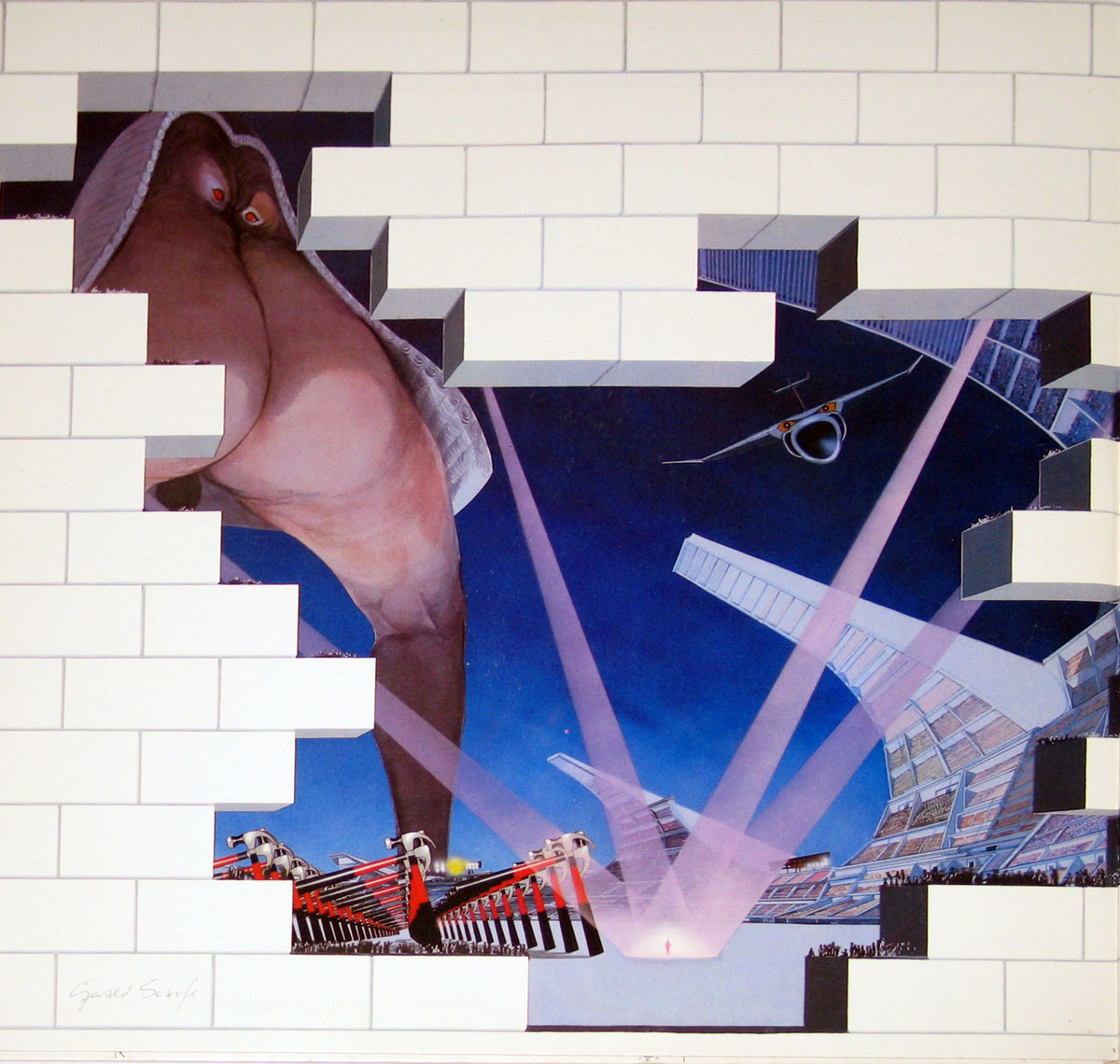
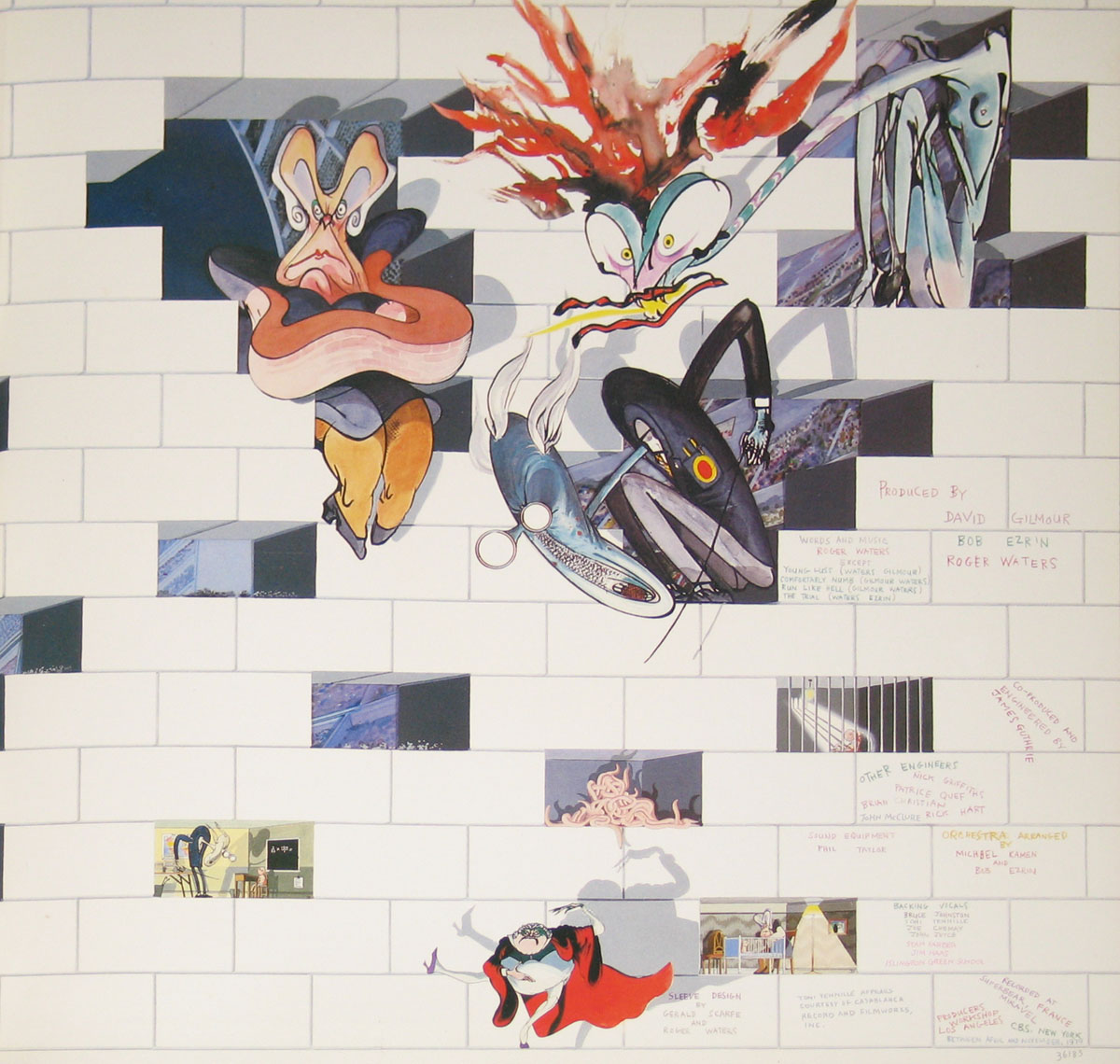
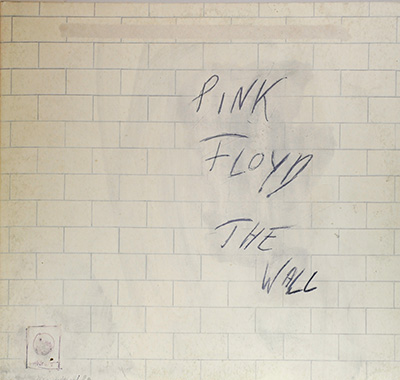
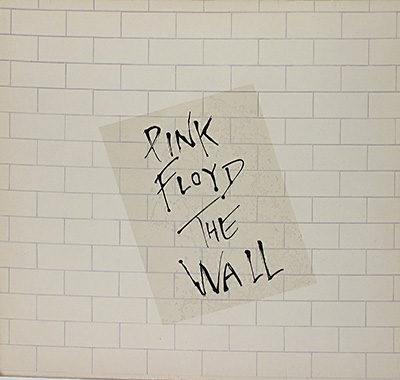
The Gatefold/FOC (Fold Open Cover) Album Cover Design of the album is not merely a protective shell for the vinyl within; rather, it serves as a visual gateway into the thematic depths of the music. The cover art, designed by Gerald Scarfe, presents a striking portrayal of the wall itself, adorned with symbols and images that encapsulate the album's narrative. The visual aesthetic enhances the overall experience for the listener, setting the tone for the auditory journey that awaits within.
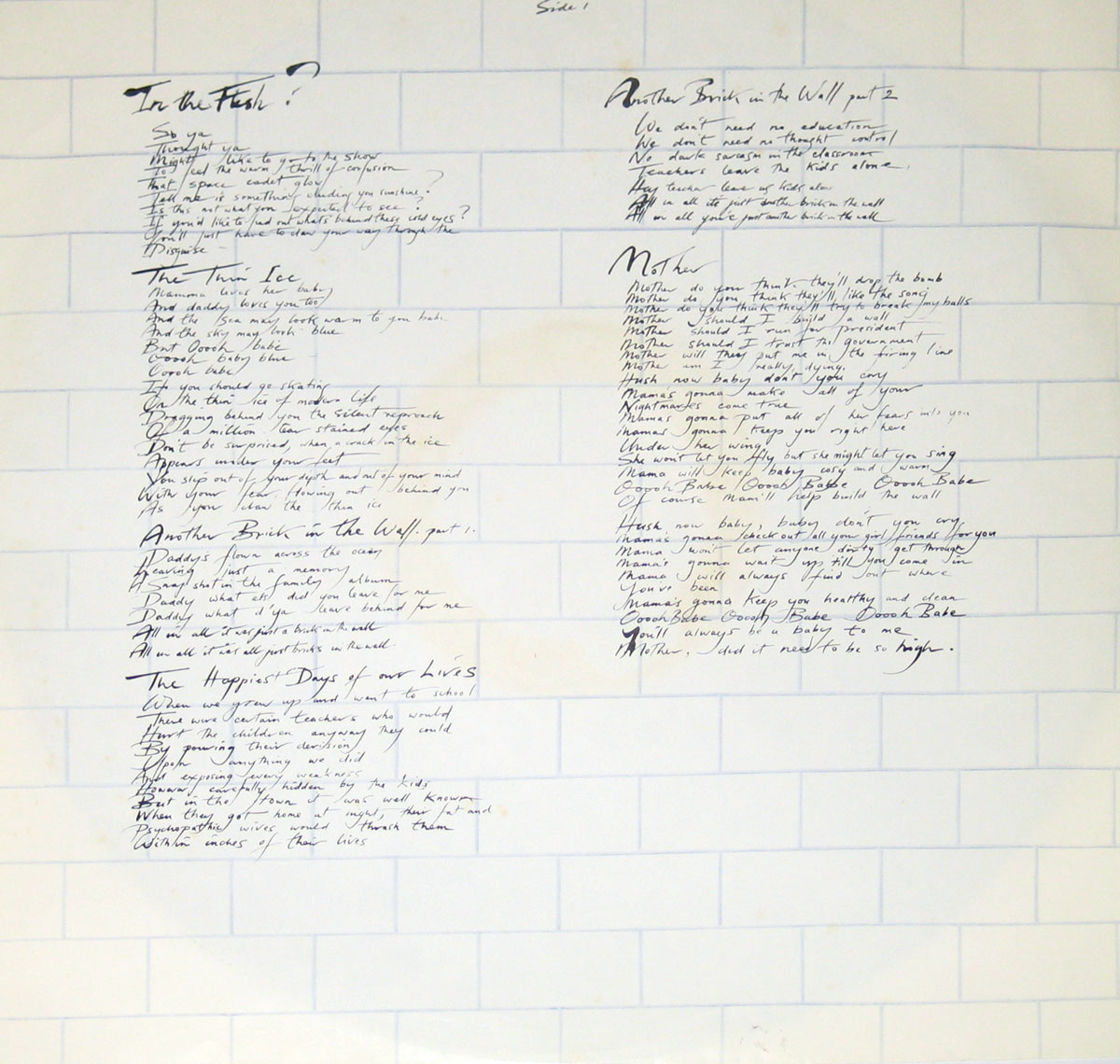
Accompanying the vinyl are the original custom inner sleeves featuring lyrics. In an era where vinyl records were not only a medium for music but also a canvas for artistic expression, these inner sleeves provide a tangible connection between the listener and the lyrical content of the songs. Each lyric, meticulously printed, invites the audience to engage with the narrative on a more intimate level, fostering a deeper connection to the album's overarching concept.
"The Wall" was released during a period marked by societal upheavals, political tensions, and a sense of disillusionment. Against this backdrop, Pink Floyd's magnum opus served as a musical commentary on the alienation and isolation prevalent in contemporary society. The album's exploration of themes such as war, fame, and the human psyche resonated with a generation grappling with the consequences of their time.
In terms of production, the 2LP format allowed for a dynamic sequencing of tracks, enhancing the overall listening experience. The analog warmth inherent in vinyl recordings complemented the sonic intricacies of Pink Floyd's soundscapes. The deliberate pacing of the album, spanning four sides of vinyl, allowed for a more immersive immersion into the conceptual narrative of "The Wall."
Switzerland, with its rich cultural tapestry, became a unique backdrop for the release of this iconic album. The Swiss audience, known for its appreciation of artistic depth, found in "The Wall" a profound exploration of the human condition. The gatefold design and custom inner sleeves, coupled with the vinyl format, became a tangible artifact of this musical odyssey, cherished by collectors and enthusiasts alike.
Band Members and Musicians on:
|
Pink Floyd Band/Musicians
- Roger Waters
- Roger Waters – Bass, vocals, songwriter
Roger Waters is the guy I blame (politely) when a Pink Floyd song stops being “spacey vibes” and starts staring straight through you with lyrics that feel like a courtroom cross-examination. Read more... Roger Waters is, to my ears, Pink Floyd’s razor-edged storyteller: bassist, singer, and the main lyric engine who pushed the band from psychedelic drift into big, human-scale themes. His key band period is Pink Floyd (1965–1985), where he became the dominant writer through the 1970s and early 1980s, before leaving and launching a long solo career (1984–present). After years of public tension, he briefly reunited with Pink Floyd for a one-off performance at Live 8 in London on 2 July 2005—basically the musical equivalent of spotting a comet: rare, bright, and gone again. Since the late 1990s he’s toured extensively under his own name, staging huge concept-driven shows that revisit Floyd classics like "The Dark Side of the Moon" (notably on the 2006–2008 tour) and "The Wall" (2010–2013), because apparently subtlety is not the point when you’ve got something to say.
- David Gilmour
- David Gilmour – Guitar, vocals
David Gilmour is the voice-and-fingers combo I hear whenever Pink Floyd turns from “spacey” into straight-up cinematic: he joined in 1967 and basically helped define what “guitar tone with emotions” even means. Read more... David Gilmour is, for me, the calm center of Pink Floyd’s storm: an English guitarist, singer, and songwriter whose playing can feel gentle and devastating in the same bar. His earliest band period worth name-dropping is Jokers Wild (1964–1967), before he stepped into Pink Floyd in 1967 as Syd Barrett’s situation unraveled. From there his main performing era is Pink Floyd (1967–1995), including the post-Roger Waters years where the band continued under his leadership and released "A Momentary Lapse of Reason" (1987) and "The Division Bell" (1994), with a later studio coda in "The Endless River" (2014). Outside Floyd, he’s had a long solo run (1978–present) with albums ranging from "David Gilmour" (1978) to "Luck and Strange" (2024), and he even did a sharp side-quest in 1985 with Pete Townshend’s short-lived supergroup Deep End. And for one historic night, the classic lineup reunited at Live 8 in Hyde Park, London on 2 July 2005—one of those “you had to be there (or at least press play)” moments.
- Nick Mason
- Nick Mason – Drums, percussion
Nick Mason is the steady heartbeat I always come back to in Pink Floyd: the only constant member since the band formed in 1965, quietly holding the whole weird universe together while the rest of the planet argues about everything else. Read more... Nick Mason is Pink Floyd’s drummer, co-founder, and the one guy who never clocked out: his main performing period with Pink Floyd runs from 1965 to the present, and he’s the only member to appear across every Pink Floyd album. Outside the mothership, he’s had a very “I’m not done yet” second act: in 2018 he formed Nick Mason’s Saucerful of Secrets (2018–present) to bring the band’s early psychedelic years back to the stage. He’s also stepped out under his own name with projects like the solo album "Nick Mason’s Fictitious Sports" (released 1981), which is basically him taking a left turn into jazz-rock just to prove he can. And yes, he was part of that blink-and-you-miss-it full-band moment at Live 8 in London in 2005, when the classic lineup briefly reunited and reminded everyone why this band still haunts people.
- Richard Wright
- Richard Wright – Keyboards, vocals
Richard Wright is the secret atmosphere machine in Pink Floyd: the guy who can make one chord feel like a whole weather system, and then casually add a vocal harmony that makes it hit even harder. Read more... Richard Wright (born Richard William Wright) is, for me, the understated genius of Pink Floyd: co-founder, keyboardist, and occasional lead vocalist whose textures are basically baked into the band’s DNA. His main performing period with Pink Floyd runs from 1965 to 1981 (including the early albums through the massive arena years), then he returned as a full member again from 1987 to 1994 for the later era tours and albums. In between those chapters, he didn’t just vanish into a fog machine: he released a solo album, "Wet Dream" (1978), and later "Broken China" (1996), and he also had a proper side-project moment with Zee (1983–1984), which produced the album "Identity" (1984). He passed away in 2008, but his playing still feels like the part of Pink Floyd that makes the air shimmer.
|