"Meddle" (1971) Album Description:
"Meddle" doesn’t walk into the room like a manifesto. It drifts in. Damp hair, warm valves, that faint tape-room smell of cables and old coffee. Pink Floyd sounded like they were done pretending they had a plan, and that’s the point: this is a band feeling around in the dark and accidentally finding a door.
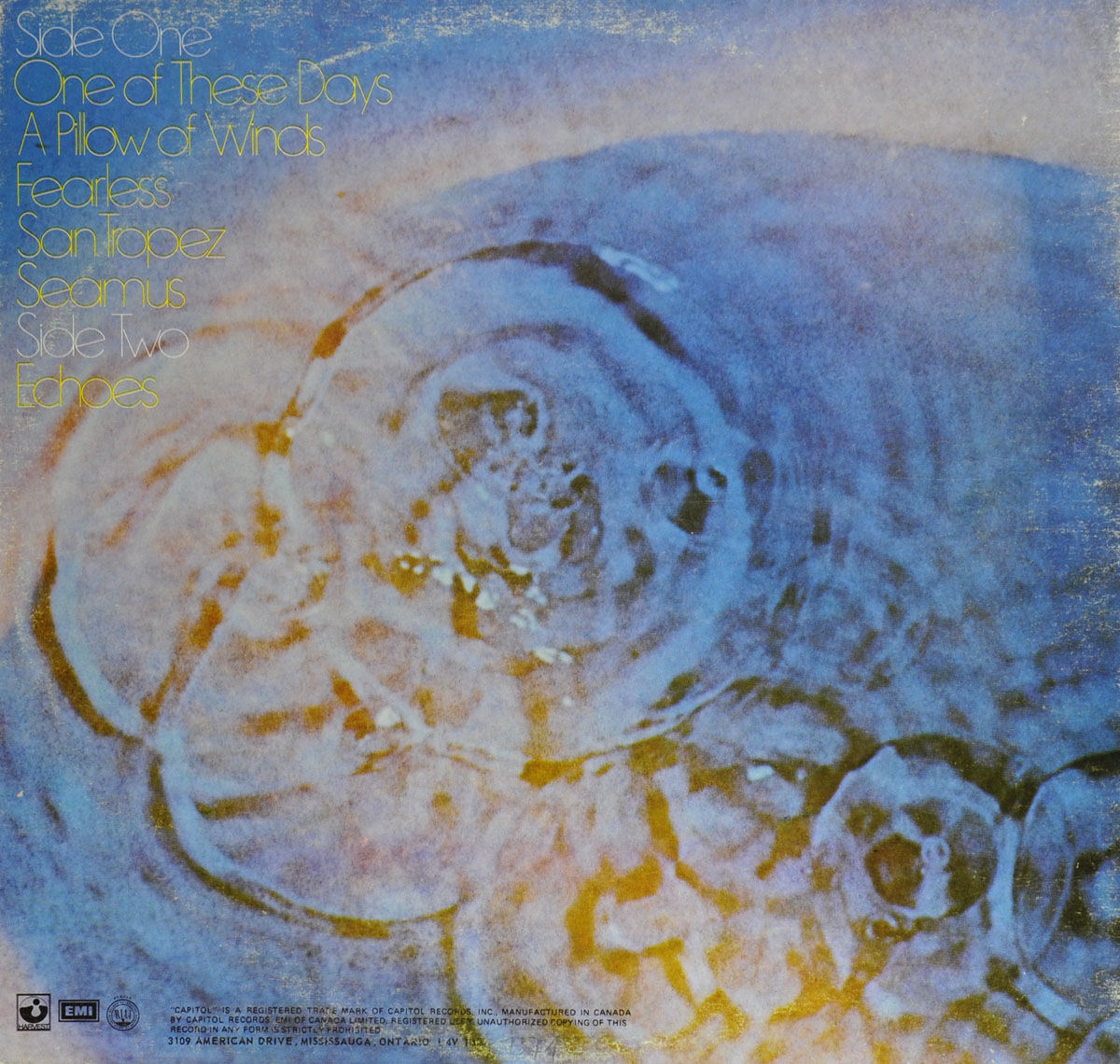
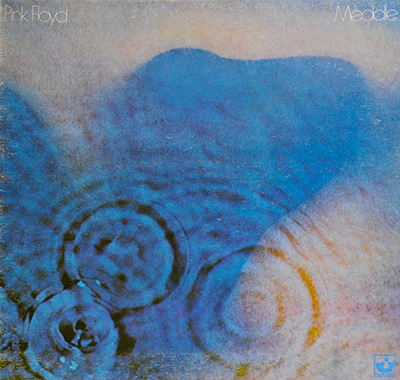
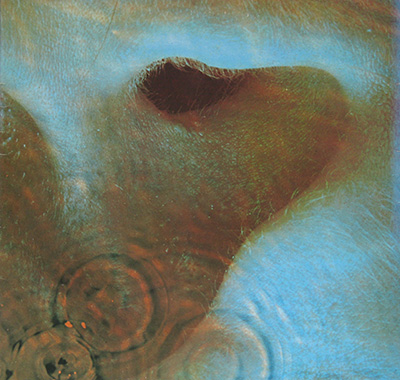
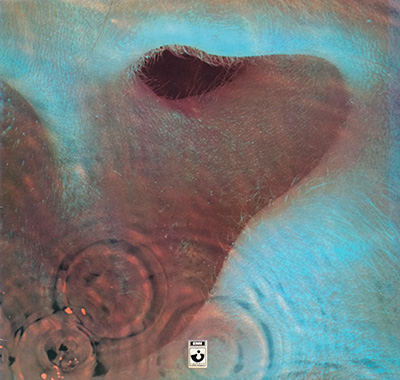
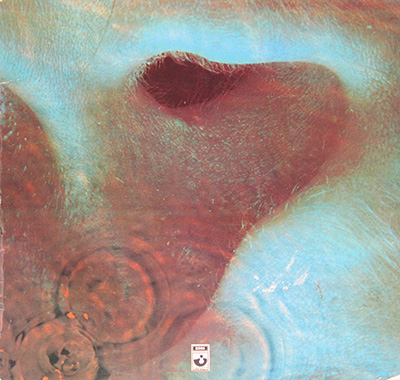
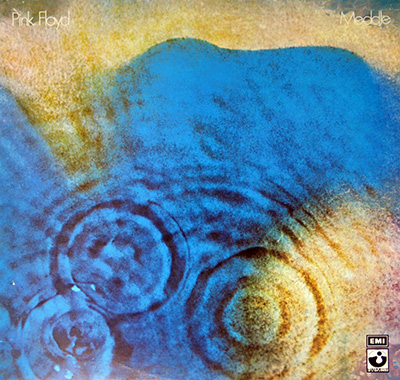
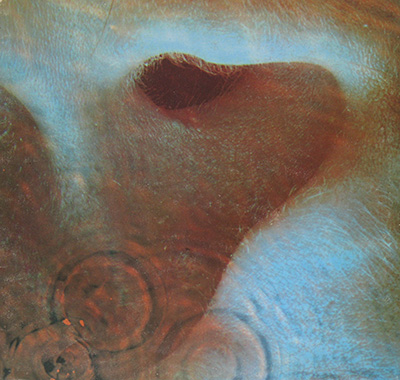
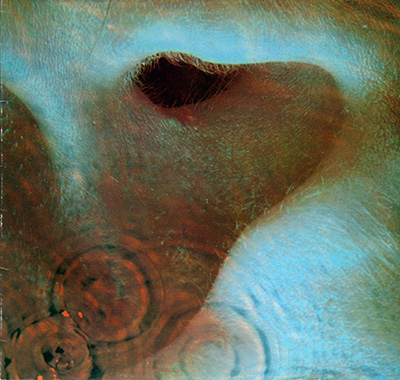
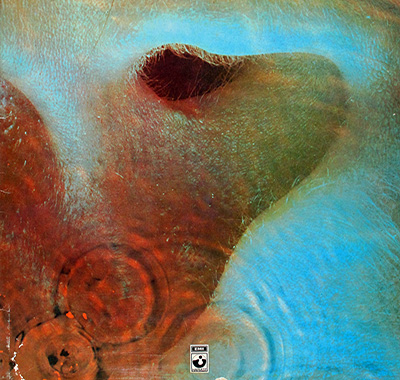
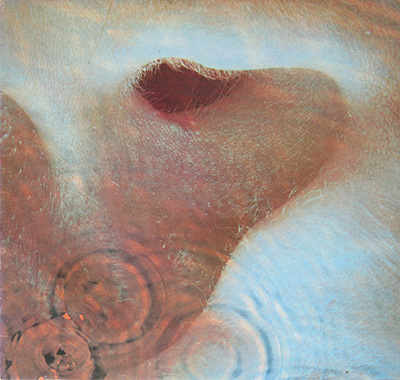
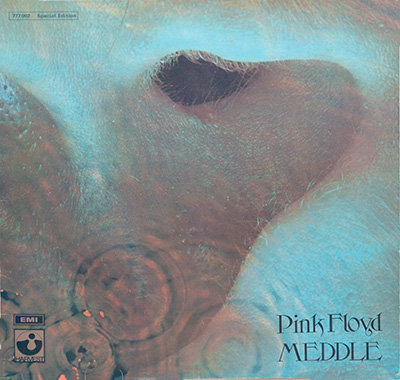
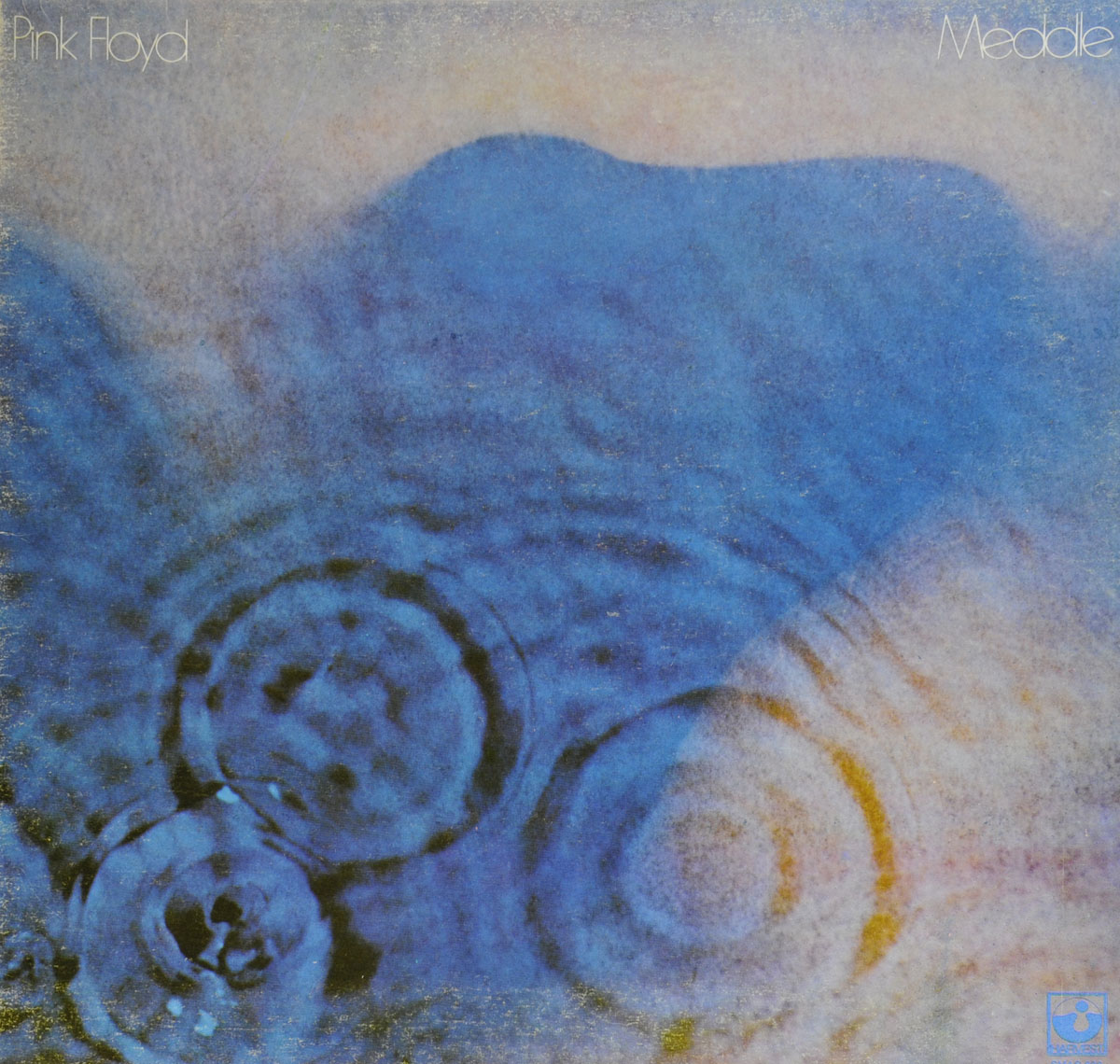
Side B is basically one long trip called "Echoes" and it dares you to stay put. The cover looks like an ear sunk underwater for a reason: everything on this record is about listening harder than you meant to. The good stuff is in the seams, and the seams are where the weird lives.
1971: What was in the air back home
Britain in ’71 had that tense, fluorescent feel: post-’60s optimism wearing a wrinkled shirt, rent due, amps getting bigger anyway. Rock wasn’t “saving the world” so much as building new rooms inside it. The scene behaved like a lab: longer songs, stranger structures, and a lot of bands trying to outrun the three-minute single without tripping over their own capes.
Genre neighbors they were elbowing that year
Put "Meddle" in the same smoky pile as Yes, Genesis, King Crimson, Jethro Tull, and the heavier end of the street where Led Zeppelin, Deep Purple, and Black Sabbath were turning riffs into architecture. Floyd’s difference is they don’t flex. They seep. They let silence do some of the work, then hit you with a sudden mechanical shove.
How it was built (no romance, just work)
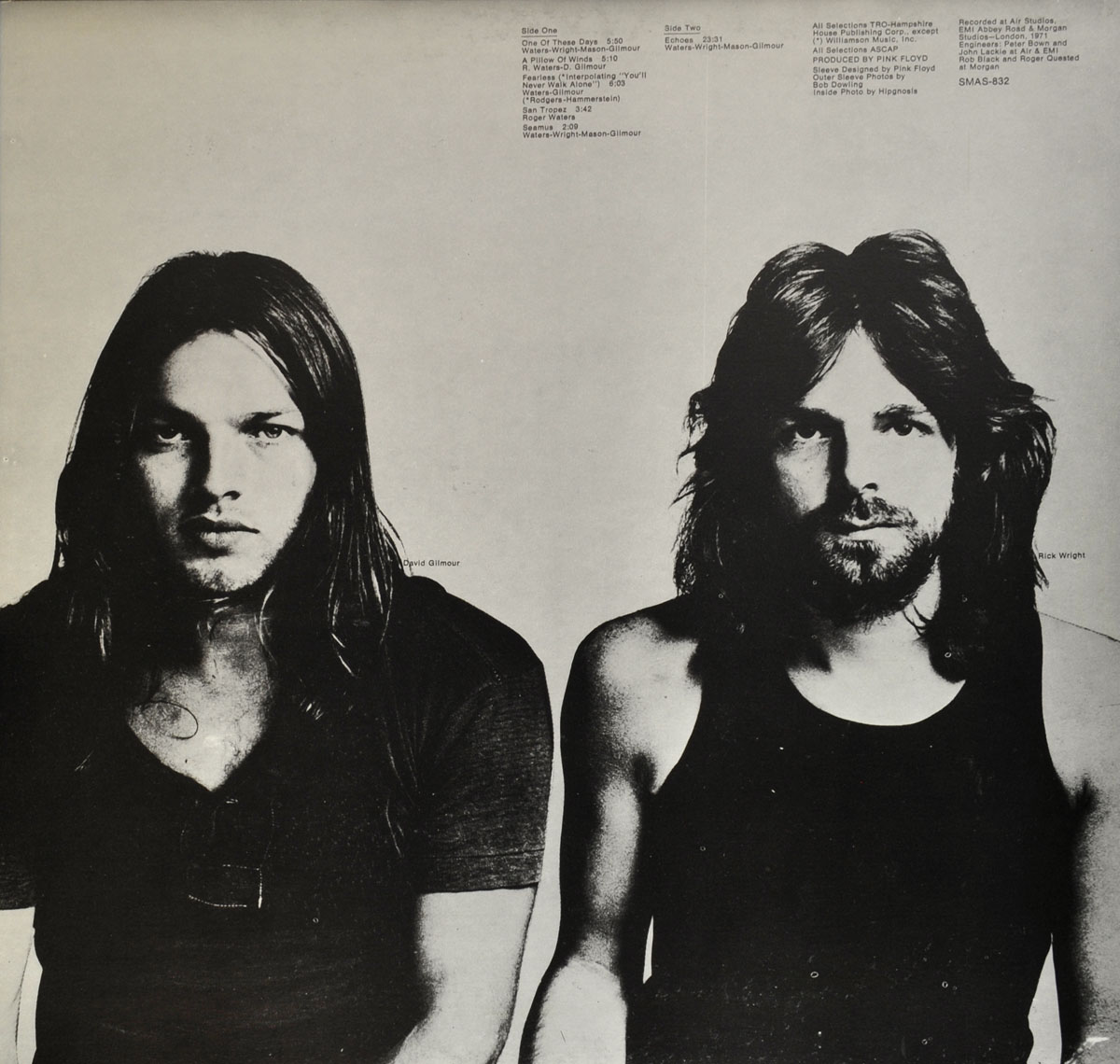
The band produced it themselves, which sounds heroic until you remember that “self-produced” often means four guys arguing in a control room while the clock eats money. Sessions moved around London: AIR, EMI Studios (Abbey Road), and Morgan. Engineers John Leckie and Peter Bown handled the main stretches; later bits involved Rob Black and Roger Quested. It’s not one studio mood, it’s several stitched together with nerve.
That stitch-job is the charm. "Meddle" feels like a band turning knobs because the knob-turning itself is the idea. Sometimes it lands perfectly. Sometimes it lands sideways. That’s the fun part.
Sound: attack, space, and the slow melt
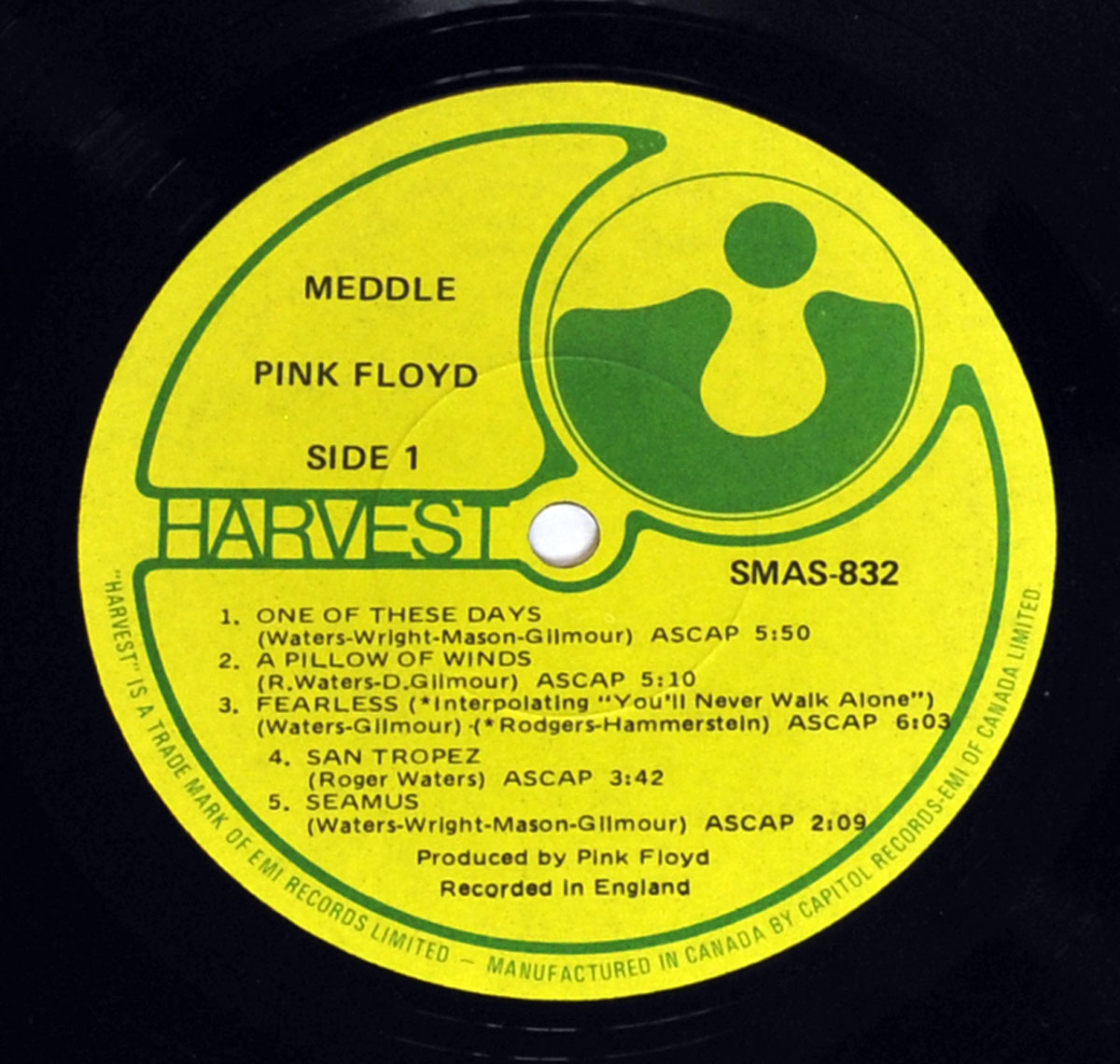
"One of These Days" opens like an engine starting in the next room, then the door gets kicked in. "A Pillow of Winds" is the opposite: soft edges, late-night exhale, the kind of track that makes a living room feel bigger than it is. "Fearless" keeps its chin up even when the chords wobble; "San Tropez" grins like it’s wearing sunglasses indoors.
"Seamus" is the scruffy corner of the record, and yeah, it’s got a dog. Some people treat that like a crime. I treat it like proof they weren’t polishing everything into museum glass yet.
Then "Echoes" happens. Not “epic.” Not “suite.” It’s a long hallway with lights flickering, and you keep walking because the air keeps changing. The organ tones hang like fog, the guitars cut through in bright slivers, and the middle section gets downright unneighborly before it finally finds its way back.
The sleeve: the ear, the water, the attitude
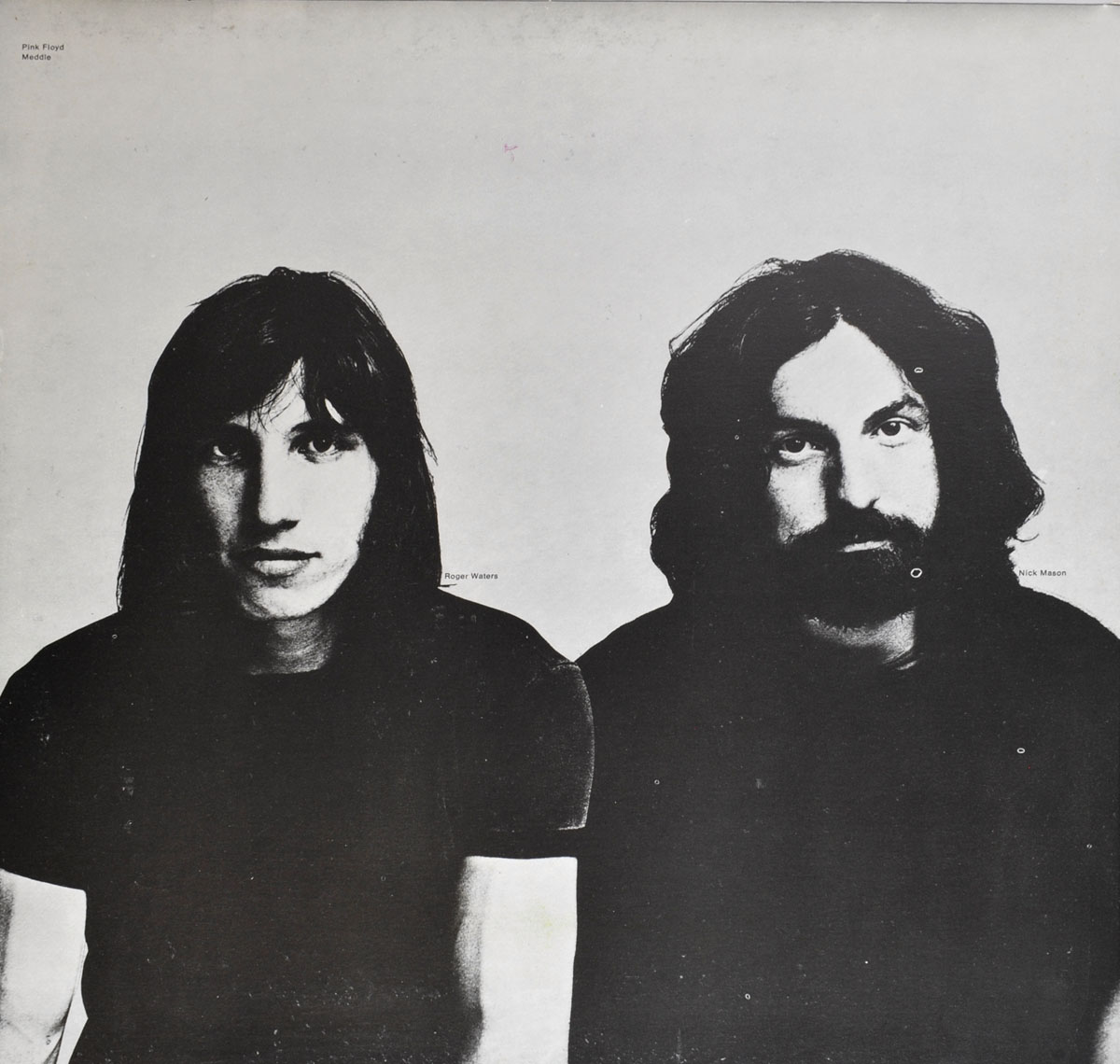
Official credit puts the artwork with Hipgnosis, and they aimed for something that felt like sound itself: an ear underwater, catching ripples. Bob Dowling photographed the outer sleeve image; the inner photography is credited to Hipgnosis. The gatefold gives you the band in human form, like a reminder that this strange noise is still made by actual people with schedules and headaches.
Controversy (or the lack of it)
No real scandal attached to "Meddle" unless you count the eternal misconception that it’s just “the one before the big concept albums.” That take is lazy. This record is what happens when a band stops reaching for a grand slogan and starts reaching for sound that feels physical.
One quiet personal anchor
Late-night radio, volume low, house asleep: "Echoes" is the kind of track that makes you stare at the ceiling and swear you saw it breathe. Two minutes later you’re wide awake, annoyed at yourself, and still not turning it off.
File it under “transitional” if you need a label. I file it under “turn the lights down and stop pretending you’re not listening.”
References
- Vinyl Records Gallery: "Meddle" international releases index (high resolution cover photos)
- Pink Floyd official album page: "Meddle" (producer, track list, artwork credit)
- Meddle (recording timeline, studios, engineering credits, cover background)
- Discogs release credits (photography: Bob Dowling / Hipgnosis)
- Pink Floyd social post mentioning cover photo by Bob Dowling