Pink Floyd Band/Musicians
- Roger Waters
- Roger Waters – Bass, vocals, songwriter
Roger Waters is the guy I blame (politely) when a Pink Floyd song stops being “spacey vibes” and starts staring straight through you with lyrics that feel like a courtroom cross-examination. Read more... Roger Waters is, to my ears, Pink Floyd’s razor-edged storyteller: bassist, singer, and the main lyric engine who pushed the band from psychedelic drift into big, human-scale themes. His key band period is Pink Floyd (1965–1985), where he became the dominant writer through the 1970s and early 1980s, before leaving and launching a long solo career (1984–present). After years of public tension, he briefly reunited with Pink Floyd for a one-off performance at Live 8 in London on 2 July 2005—basically the musical equivalent of spotting a comet: rare, bright, and gone again. Since the late 1990s he’s toured extensively under his own name, staging huge concept-driven shows that revisit Floyd classics like "The Dark Side of the Moon" (notably on the 2006–2008 tour) and "The Wall" (2010–2013), because apparently subtlety is not the point when you’ve got something to say.
- David Gilmour - Guitar, Vocals
- David Gilmour – Guitar, vocals
David Gilmour is the voice-and-fingers combo I hear whenever Pink Floyd turns from “spacey” into straight-up cinematic: he joined in 1967 and basically helped define what “guitar tone with emotions” even means. Read more... David Gilmour is, for me, the calm center of Pink Floyd’s storm: an English guitarist, singer, and songwriter whose playing can feel gentle and devastating in the same bar. His earliest band period worth name-dropping is Jokers Wild (1964–1967), before he stepped into Pink Floyd in 1967 as Syd Barrett’s situation unraveled. From there his main performing era is Pink Floyd (1967–1995), including the post-Roger Waters years where the band continued under his leadership and released "A Momentary Lapse of Reason" (1987) and "The Division Bell" (1994), with a later studio coda in "The Endless River" (2014). Outside Floyd, he’s had a long solo run (1978–present) with albums ranging from "David Gilmour" (1978) to "Luck and Strange" (2024), and he even did a sharp side-quest in 1985 with Pete Townshend’s short-lived supergroup Deep End. And for one historic night, the classic lineup reunited at Live 8 in Hyde Park, London on 2 July 2005—one of those “you had to be there (or at least press play)” moments.
- Nick Mason
- Nick Mason – Drums, percussion
Nick Mason is the steady heartbeat I always come back to in Pink Floyd: the only constant member since the band formed in 1965, quietly holding the whole weird universe together while the rest of the planet argues about everything else. Read more... Nick Mason is Pink Floyd’s drummer, co-founder, and the one guy who never clocked out: his main performing period with Pink Floyd runs from 1965 to the present, and he’s the only member to appear across every Pink Floyd album. Outside the mothership, he’s had a very “I’m not done yet” second act: in 2018 he formed Nick Mason’s Saucerful of Secrets (2018–present) to bring the band’s early psychedelic years back to the stage. He’s also stepped out under his own name with projects like the solo album "Nick Mason’s Fictitious Sports" (released 1981), which is basically him taking a left turn into jazz-rock just to prove he can. And yes, he was part of that blink-and-you-miss-it full-band moment at Live 8 in London in 2005, when the classic lineup briefly reunited and reminded everyone why this band still haunts people.
- Michael Kamen
- Michael Kamen – Composer, Conductor, Orchestral Arranger
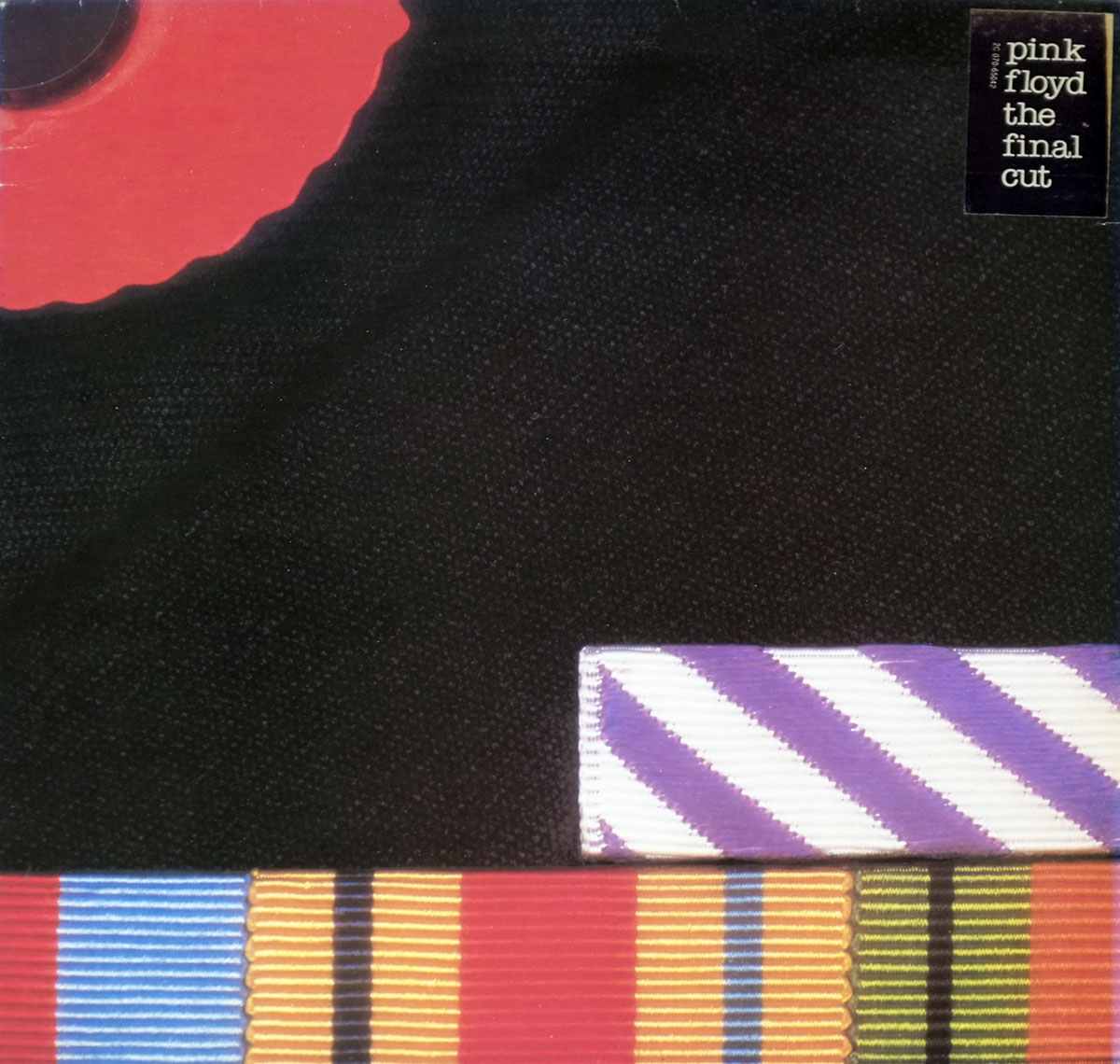
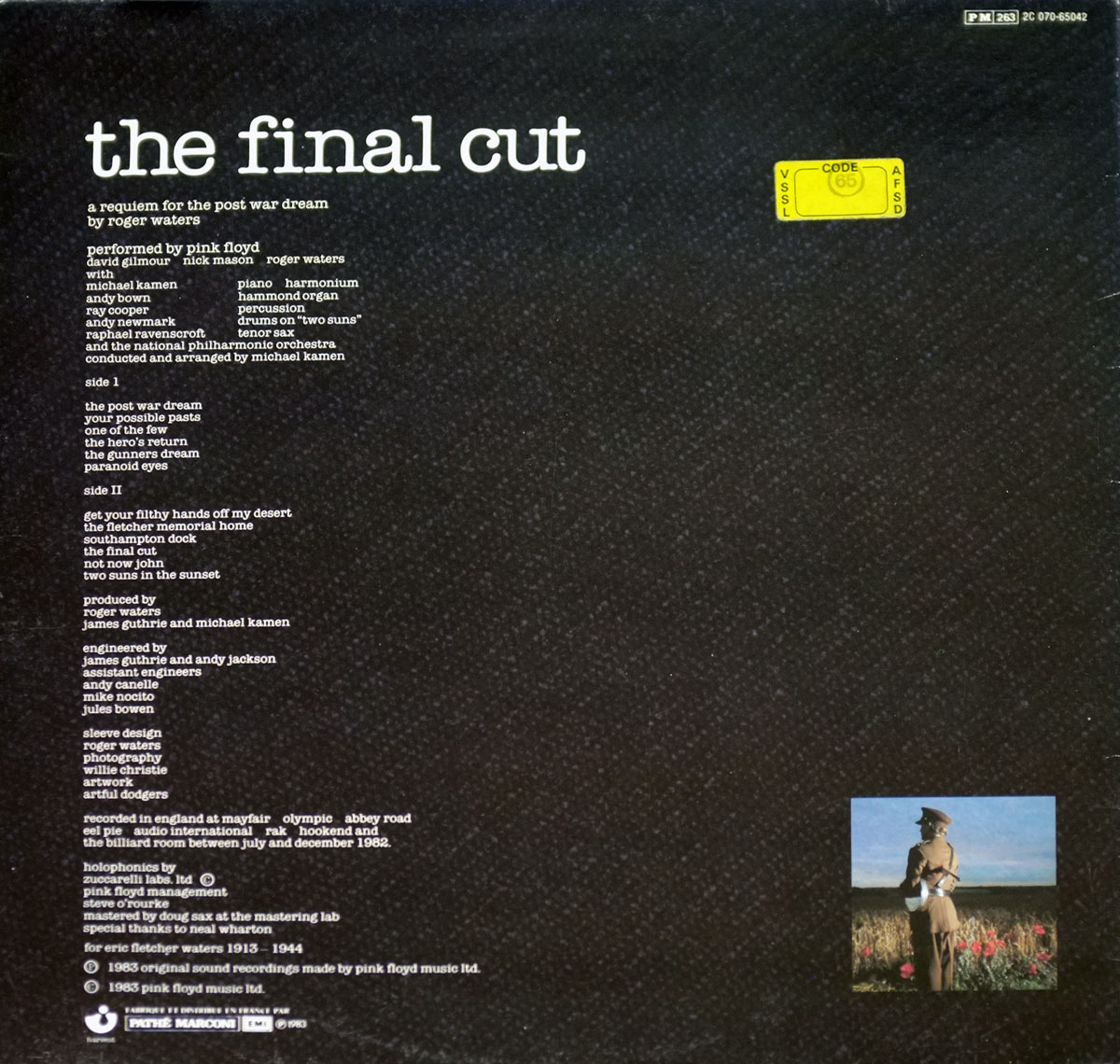
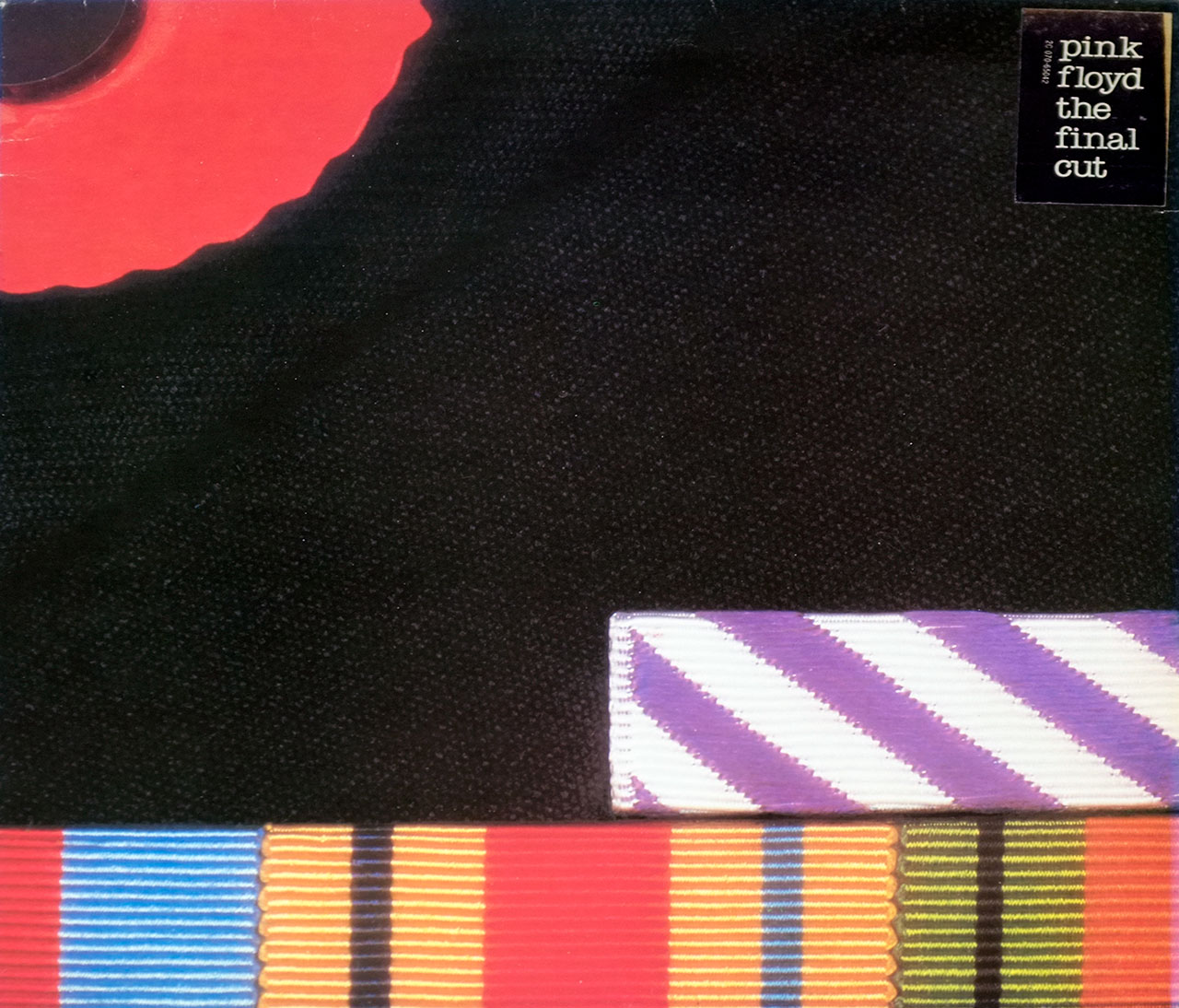
Michael Kamen brought proper orchestral muscle into rock and metal without turning it into polite wallpaper, thank heavens. Read more... Michael Kamen was an American composer, conductor and arranger who dragged the orchestra out of the velvet-seat concert hall and shoved it straight into the amplifier smoke. I hear his fingerprints all over Pink Floyd’s “The Wall” era from 1979 and “The Final Cut” in 1983, where strings added dread instead of sugar. With Queen he arranged for “Highlander” and “A Kind of Magic” in 1986, while his later work with Metallica on “S&M” in 1999 proved that heavy metal and symphony could brawl in the same room without anyone wearing a silly cape. He also worked with David Bowie, Eric Clapton, Roger Waters, Aerosmith and Guns N’ Roses, always making rock sound bigger, darker and more cinematic.
- Andy Bown
Andy Bown (Full-name: Andrew Steven Bown ) an English musician, singer, and songwriter who has been active in the music industry since the 1960s. He is known for his work as a keyboardist and rhythm guitarist for the band Status Quo, as well as for his solo work and collaborations with other artists. He has also written songs for other musicians and worked as a producer.
- Ray Cooper
Ray Cooper (Full-name: Raymond Cooper) an English percussionist and drummer who has worked with a wide range of artists in various genres of music. He is known for his work with Elton John, having played percussion on many of his albums and tours, as well as for his collaborations with other musicians such as George Harrison, Eric Clapton, and The Rolling Stones. Cooper has also released several solo albums and is known for his unique style of percussion, which often incorporates unconventional instruments and sounds.
- Andy Newmark
- Raphael Ravenscroft
- National Philharmonic Orchestra conducted by Michael Kamen
- Michael Kamen – Composer, Conductor, Orchestral Arranger
Michael Kamen brought proper orchestral muscle into rock and metal without turning it into polite wallpaper, thank heavens. Read more... Michael Kamen was an American composer, conductor and arranger who dragged the orchestra out of the velvet-seat concert hall and shoved it straight into the amplifier smoke. I hear his fingerprints all over Pink Floyd’s “The Wall” era from 1979 and “The Final Cut” in 1983, where strings added dread instead of sugar. With Queen he arranged for “Highlander” and “A Kind of Magic” in 1986, while his later work with Metallica on “S&M” in 1999 proved that heavy metal and symphony could brawl in the same room without anyone wearing a silly cape. He also worked with David Bowie, Eric Clapton, Roger Waters, Aerosmith and Guns N’ Roses, always making rock sound bigger, darker and more cinematic.
|