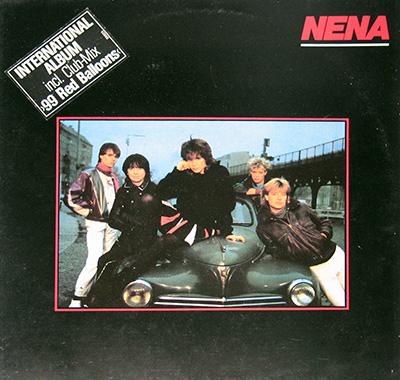
"Nena S/T Self-Titled 99 Red Balloons Club-Remix International Version" (1984) Album Description:
This 1984 international cut of Nena is the moment West Berlin’s Neue Deutsche Welle pop-punk spark got repackaged into export-grade neon, with “99 Red Balloons” stretched into a club mix and pushed in English like the label suddenly discovered the rest of the planet existed. It’s glossy, jumpy, and weirdly tense beneath the sugar, which is exactly why it worked: Cold War anxiety you can dance to, with synths snapping like camera flash and guitars poking holes in the bubblewrap. The result sits halfway between German New Wave bite and international radio polish, and it still sounds like a city with a wall running through its bloodstream.
Where It Lands in 1984
By 1984, West Germany’s pop pipeline was in full NDW mode: post-punk attitude, new wave electronics, and the rebellious decision to sing in German without apologizing for it. West Berlin wasn’t just a backdrop; it was a pressure cooker where youth culture, nightlife, and politics kept colliding, especially with the era’s missile debates and peace-protest mood hanging over everything. That tension made catchy music feel sharper, and it’s a big reason this material didn’t come off like disposable novelty, even when it was dressed for global radio.
A bright hook can carry a dark idea farther than any lecture. In 1984, that was practically a survival skill.
Neue Deutsche Welle, Explained Without the Academic Headache
NDW started as Germany’s answer to punk and new wave: lean songs, sharp angles, and keyboards used like flashbulbs rather than warm blankets. The best NDW kept the bite of post-punk while stealing pop’s talent for immediacy, which is why these records could sit next to British new wave and still feel unmistakably German. This album’s “international” framing is basically NDW in translation: keep the nervous energy, smooth the edges, aim for airplay.
In the same early-’80s neighborhood you had Trio’s minimalist charm, Ideal’s cool-sliced pop, Hubert Kah’s synth melodrama, and Peter Schilling’s space-age anxiety, all proving German-language pop could be stylish instead of provincial. Step outside Germany and the larger new wave ecosystem had similar instincts: synth textures, tight drums, and hooks built for both clubs and radio. Nena’s trick was making it sound like a party while smuggling in unease.
The Sound: Sugar, Static, and a Little Bit of Teeth
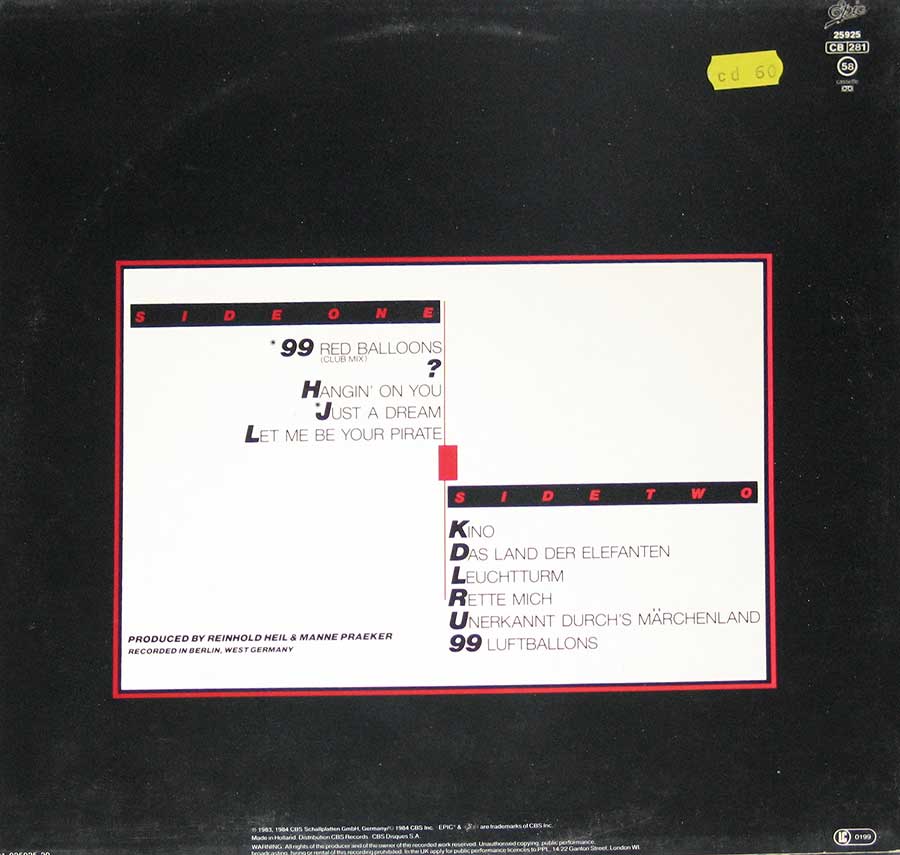
The club mix of “99 Red Balloons” doesn’t just extend the track; it amplifies the nervous system, giving the beat more runway and letting the synth lines nag at your ears like warning lights. “Hangin’ On You” and “Just a Dream” carry that restless bounce, bright on the surface but with a kind of late-night edge underneath. Then “Kino” slides in with a darker pulse, like the city’s streetlights dimmed and the mood turned watchful.
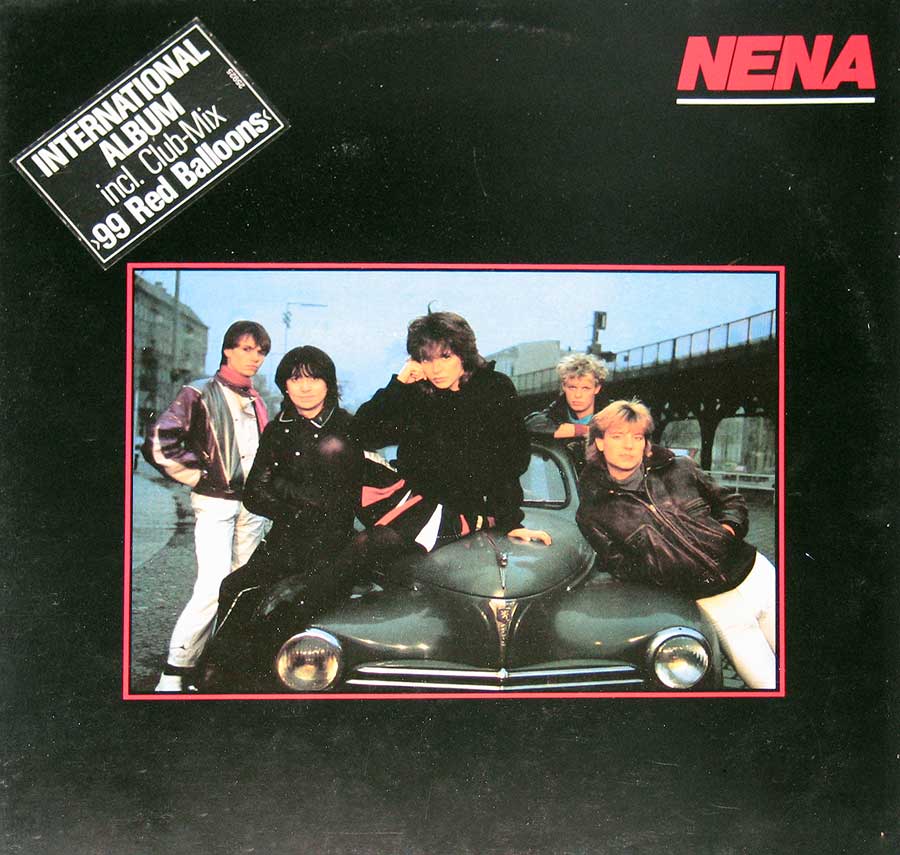
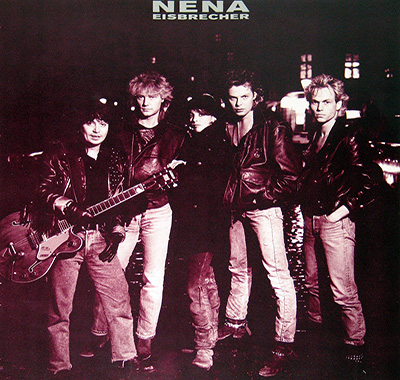
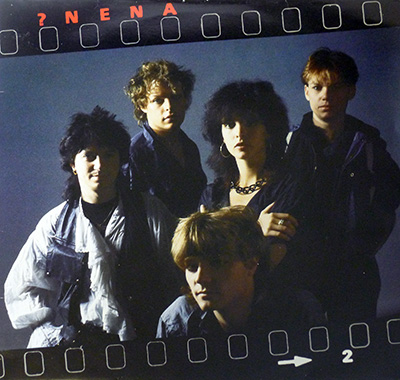
A cover that sells pop electricity, but the songs keep the wire exposed.
Why the English Shift Happened
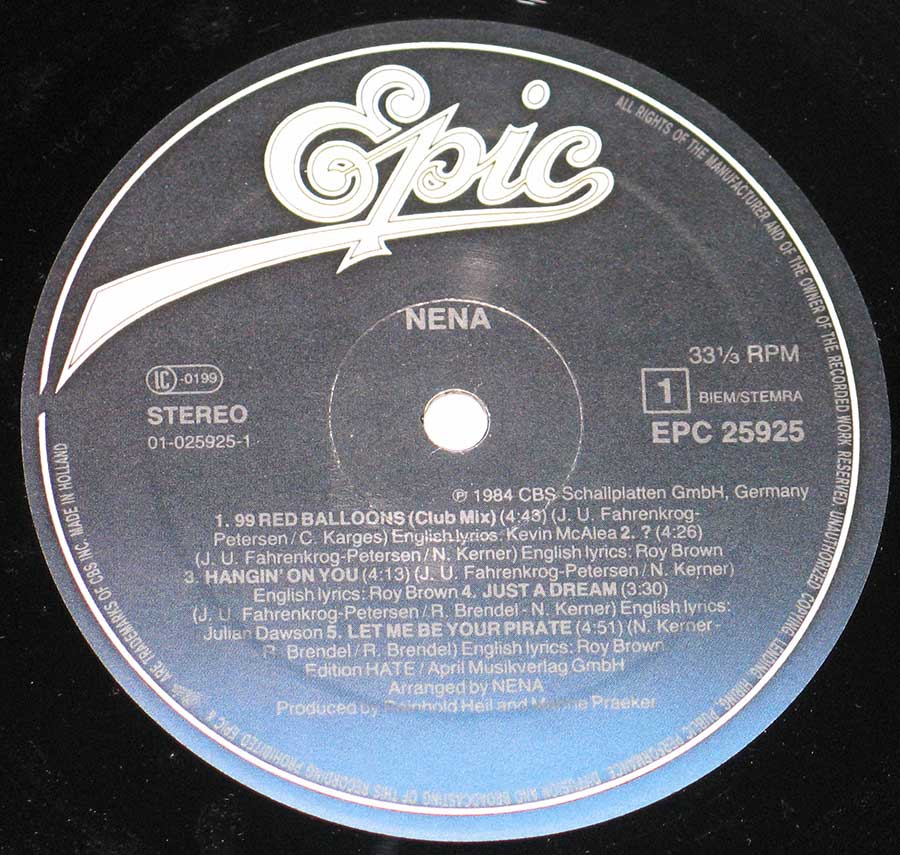
The logic was simple and not particularly romantic: “99 Luftballons” was already exploding across borders, and the industry wanted an English lane it could control. So you get “99 Red Balloons,” plus English versions up front, while the German originals still hover in the track list like a reminder of where the charge really came from. The tension between authenticity and export packaging is part of the record’s personality, whether anyone admits it or not.
Key People Behind the Recording
Nena Kerner’s voice is the anchor: playful, urgent, and capable of turning a pop line into something that sounds like it matters. Carlo Karges supplied the spark that made “99 Luftballons” more than a catchy tune, imagining how a harmless gesture could escalate into panic, then catastrophe. Reinhold Heil and Manne Praeker (the Spliff guys) helped translate that band energy into something crisp enough for international speakers without sanding off the attitude.
Band Formation and the Core Line-Up
The band formed in West Berlin in the early ’80s, built around the chemistry of Nena Kerner and drummer Rolf Brendel, then locked into a tight five-piece with Carlo Karges (guitar), Jürgen Dehmel (bass), and Uwe Fahrenkrog-Petersen (keyboards). That line-up mattered because the songs weren’t assembled by committee; they were written from inside the group, with the synths and guitars treated like equal troublemakers. The unit stayed intact through the peak years, then quietly unraveled by 1987 as relationships and momentum fractured.
Controversies and Friction Points
The biggest controversy wasn’t a scandal; it was the eternal pop argument about translation and intent. The band’s own discomfort with the English lyric rewrite became part of the story, because fans could tell the emotional center lived in the original language. Add in the fact that the song’s structure didn’t even play by classic “big chorus” rules, and you had a record-label push that looked risky on paper and unstoppable in real life.
- English version debate: wider reach vs. losing the song’s original feel.
- Message confusion: some heard “party hit,” others heard Cold War nightmare fuel.
- Industry skepticism: unconventional structure, then massive payoff when audiences didn’t care.
Quick Listening Map
If this record is a short film, it opens with bright motion and ends with a shadow behind the smile. The best entry points are the club mix of “99 Red Balloons” for the rush, “Just a Dream” for the pop heart, and “Kino” for the darker edge that keeps the whole thing from floating away. The German “99 Luftballons” closer is the quiet flex: same idea, sharper sting.