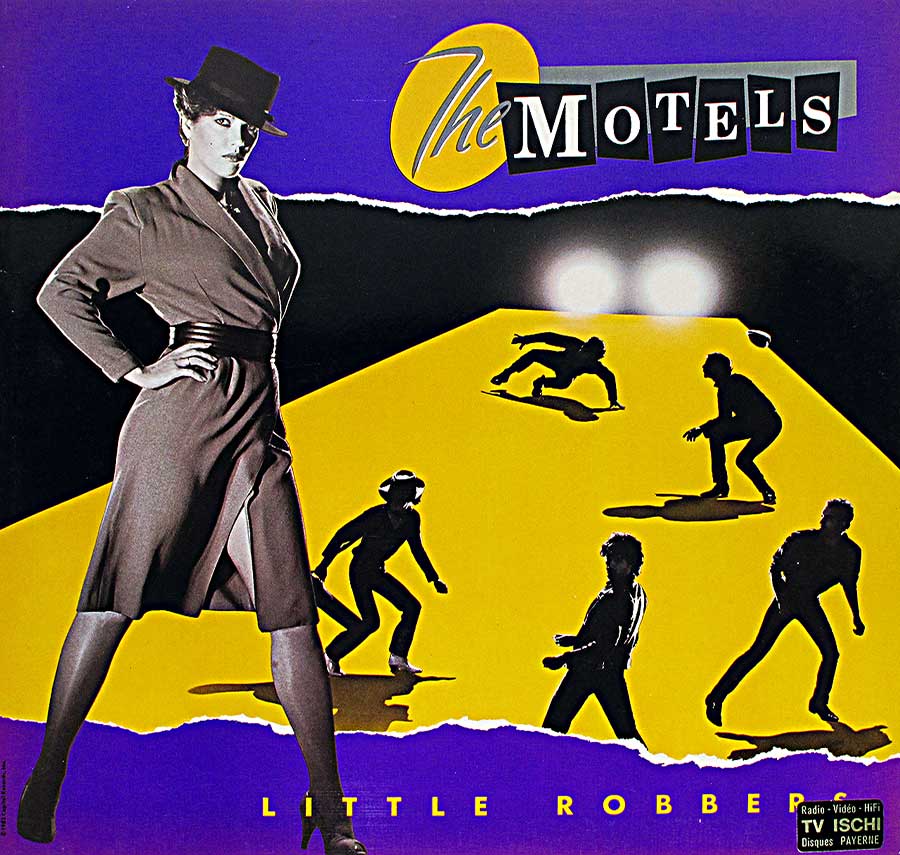
“The Motels’ Little Robbers arrived in 1983, right when New Wave stopped apologizing for its polish. Val Garay was behind the controls, and you can feel the discipline—songs cut clean, synths glowing instead of drifting, nothing wasted. Martha Davis doesn’t hide inside the production; she presses against it, voice slightly worn, like she knows the calm surface is lying. This is the album where The Motels figured out how to use the decade’s machinery without letting it sand them down. It sounds expensive, but not comfortable. The emotions still slip through the cracks.
The first thing Little Robbers does is act like it already knows you’re listening alone. Not “alone” as in tragic—alone as in: the room is quiet, the radio glow is doing all the talking, and you suddenly remember 1983 loved a shiny surface because the inside felt complicated. The Motels didn’t just show up that year; they clicked into place.
Martha Davis isn’t “fronting a band” here. She’s driving. One hand on the wheel, the other casually holding a knife behind her back. The Motels had always had that bruised romantic streak, but on Little Robbers it stops being a mood and turns into a method.
In 1983, everything got cleaner and louder at the same time—synths brighter, drums sharper, emotions dressed up like they were going somewhere important. Germany was swallowing Anglo-American New Wave like it was imported perfume: expensive, modern, slightly cold, irresistible. This record fits that climate in a way that feels almost unfair, like it arrived with the decade’s stamp already pressed into the wax.
You can hear the “working band” reality in the corners: decisions made fast, songs cut to travel, no wandering around for the sake of artistry. Val Garay’s name sits behind the glass, and you can feel the discipline—choruses show up on time, bridges don’t overstay, drama is measured like medicine. The band sounds like they’ve already been on the road too long and still have to look good under bad lights.
The sound is slick, yeah, but it’s not soft. Guitars snap like someone flicking a lighter, keys hang in the air like streetlights in fog, and the rhythm section keeps that steady, slightly nervous stride—like walking home and checking behind you without turning your head.
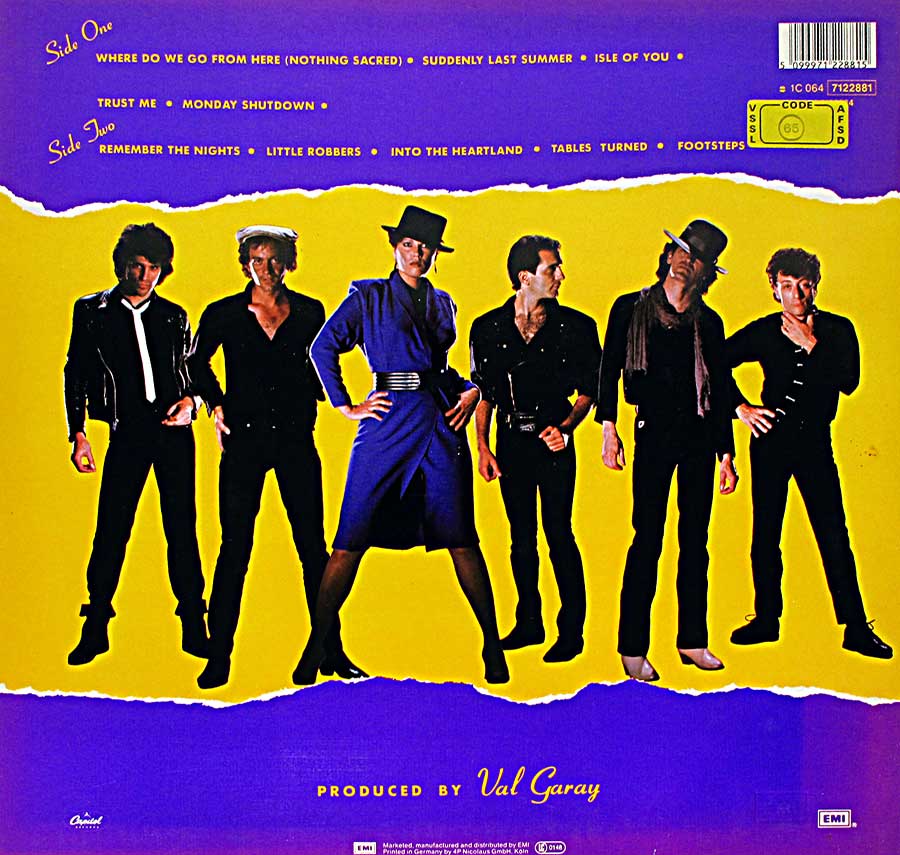
Suddenly Last Summer is the one everybody remembers, and for once the crowd is right: it hits with that slow-motion ache, the kind that makes you stare at nothing until you realize the song ended. The title track Little Robbers moves tighter, sharper—less tears, more teeth. Then Footsteps does the quiet trick: it doesn’t beg for attention, it just keeps tapping until you listen.
If you were buying New Wave in 1983, you were spoiled and you probably didn’t appreciate it enough. Sweet Dreams (Are Made of This) has that icy pop perfection, Speaking in Tongues bounces with nervous art-school swagger, and Power, Corruption & Lies keeps its emotions behind a curtain. Little Robbers sits near all that, but it breathes warmer—less concept, more confession, and not the cute kind.
No real scandal—just the usual rock-guy whining when a record sounds expensive. Some people hear polish and start yelling “sellout” like it’s a personality. Meanwhile everyone else is in the car at night letting the choruses do what choruses are meant to do: take over your brain and refuse to leave.
The performances feel controlled in that way that usually means somebody was counting costs—time, money, patience, maybe even each other. Everything’s locked in, but there’s a haunted edge to it, like the band is holding the shape together because it has to hold. You don’t get this kind of tension by accident.
The record stuck around because the core isn’t a gimmick—it’s mood with hooks sharp enough to draw blood. Critics can argue about “era” all they want; this one keeps sounding current in the way certain anxieties do. Davis sells that ache without polishing it into nothing, and that’s why it still works.
I’ve got louder LPs, rarer LPs, “more important” LPs—the kind you’re supposed to brag about to other collectors like you’re filing a tax return. But Little Robbers is the one that keeps sliding back onto the turntable when the house is too quiet. Decades later it still smells faintly of night air, cheap perfume, and decisions made after the last safe exit.
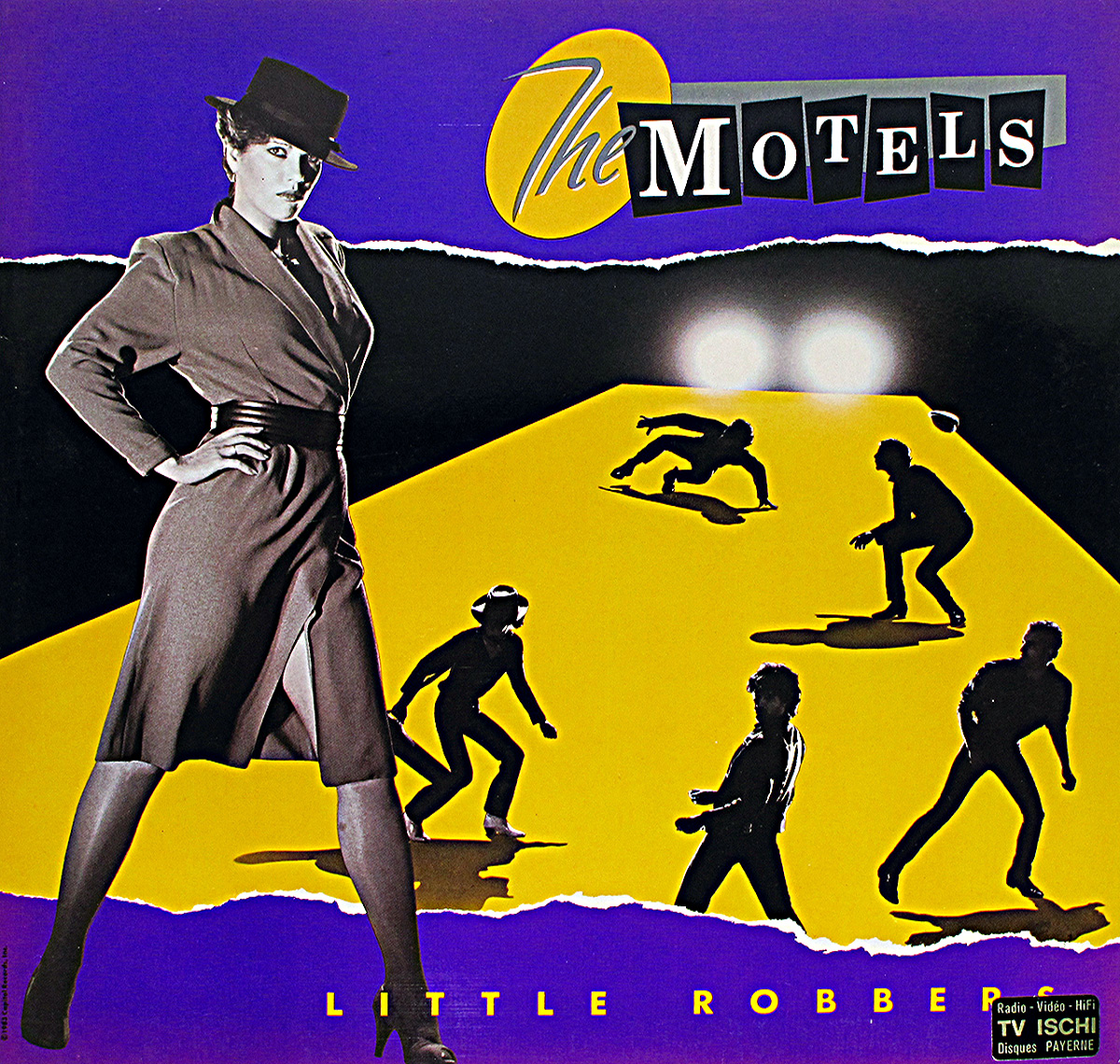
Music Genre: |
New Wave |
Album Production Information: |
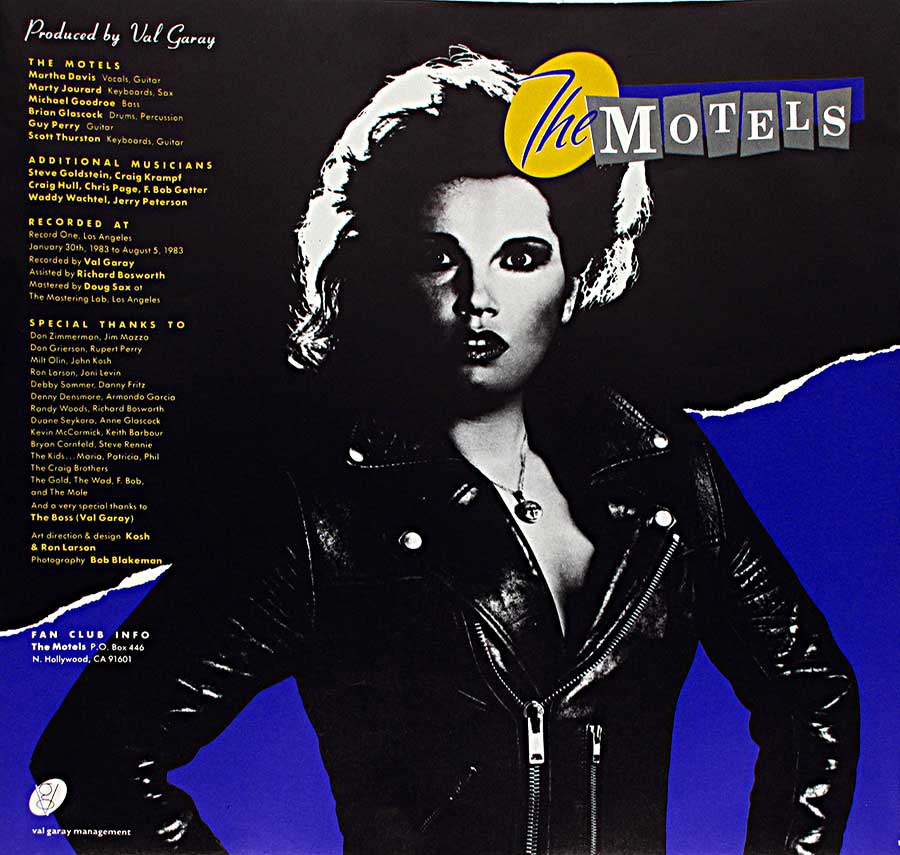
The album: "The Motels - Little Robbers" was produced by: Val Garay |
Record Label & Catalognr: |
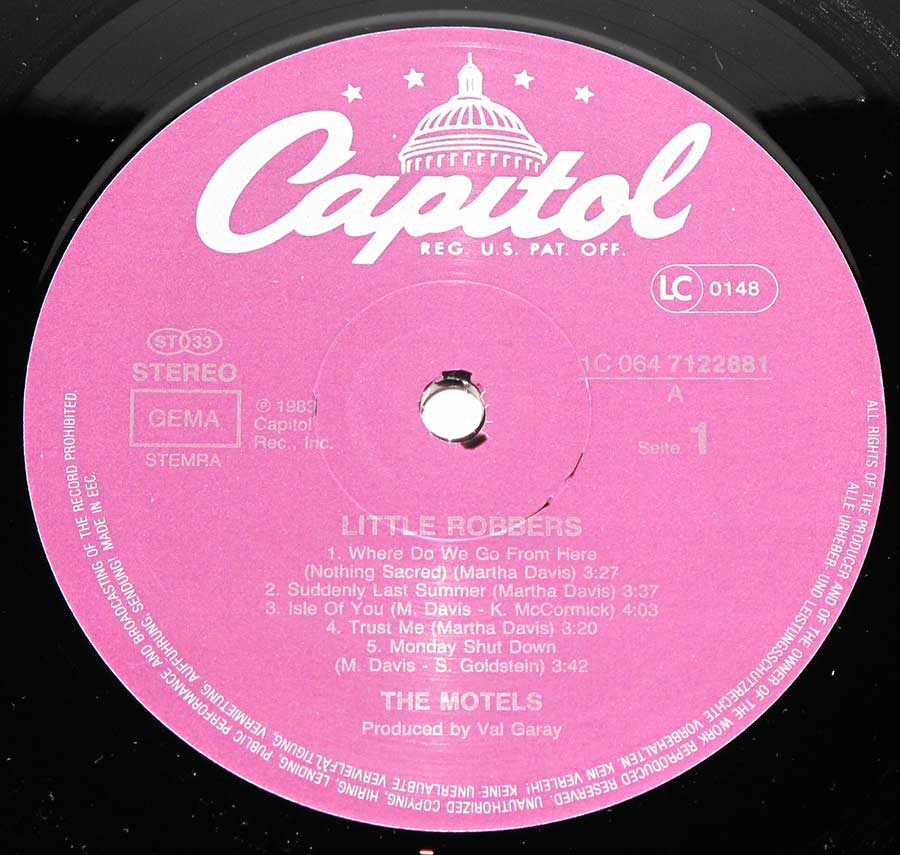
(Pink) Capital 1C 064 7122881 |
Media Format: |
12" 33rpm Vinyl Stereo Gramophone Record Total Album (Cover+Record) weight: 230 gram Packaging: This album "The Motels - Little Robbers" includes the original custom inner sleeve with album details, complete lyrics of all songs by and artwork/photos |
Year & Country: |
Release date: 1983 Release country: Germany |
Personnel/Band Members and Musicians on: The Motels - Little Robbers |
|
Complete Track-listing of the album "The Motels - Little Robbers" |
The detailed tracklist of this record "The Motels - Little Robbers" is:
|
Note: The images on this page are photos of the actual album. Slight differences in color may exist due to the use of the camera's flash. Images can be zoomed in/out ( eg pinch with your fingers on a tablet or smartphone )
Martha Davis is an American singer, songwriter, and musician who gained prominence as the lead vocalist and rhythm guitarist of the band The Motels. Born on January 19, 1951, in Berkeley, California, Martha Davis has had a successful and influential career in the music industry, particularly during the 1980s New Wave Rock era.
Davis formed The Motels in 1971 in Berkeley, California. The band underwent various lineup changes before settling on a stable formation, with Davis as the frontwoman. The Motels achieved commercial success and critical acclaim with their unique blend of New Wave, post-punk, and pop rock sounds.
As the band's creative force, Davis was not only known for her distinct and emotive voice but also for her songwriting skills. She penned many of The Motels' hit songs, showcasing her ability to write thought-provoking and evocative lyrics that resonated with the audience. Davis's songwriting often delved into themes of love, relationships, and introspection, adding depth to the band's music.
The Motels' breakthrough came in 1979 with the release of their self-titled debut album, which included the hit single "Total Control." The success of their debut album laid the foundation for future achievements. In 1982, The Motels released "All Four One," which contained their most commercially successful song, "Only the Lonely," reaching No. 9 on the Billboard Hot 100 chart.
With her distinctive style and charismatic stage presence, Martha Davis became an iconic figure in the New Wave Rock scene. Her fashion sense and unique vocal delivery contributed to The Motels' appeal and made her a role model for many aspiring female musicians.
Despite The Motels going through various lineup changes over the years, Davis remained a constant presence, ensuring the band's continued relevance. She led various incarnations of The Motels and released albums under different lineups while preserving the band's signature sound.
Beyond her work with The Motels, Martha Davis has also explored solo endeavors, showcasing her versatility as an artist. Her solo work allowed her to experiment with different musical styles and showcase her talents outside of the band's context.
Martha Davis's influence extends beyond her music career. She has been an inspiration to many female artists and musicians, breaking barriers in a male-dominated industry. Her legacy as a pioneering frontwoman in the New Wave Rock movement continues to inspire generations of musicians.
Capitol 2C 070 - 86.146 , 1980 , Made in France
"Careful" - The Motels' second studio album, a 12" Vinyl LP Album, showcases their New Wave brilliance. Released in 1980, it features Martha Davis's mesmerizing vocals and introspective lyrics, delivering hits like "Danger" and "Whose Problem?"
Learn more
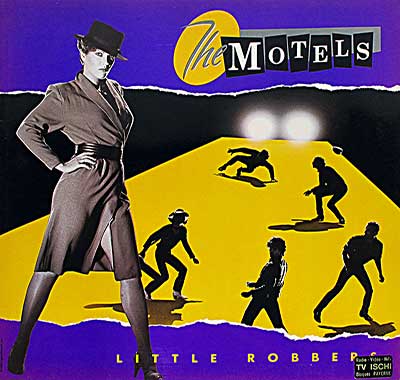
Capital 1C 064 7122881 , 1983 , Germany
"The Motels - Little Robbers" is a 12" LP vinyl album that showcases the unique sound of the band. Released in the 1980s, the album features a blend of new wave, pop, and rock elements. With its catchy hooks, atmospheric melodies, and Martha Davis' captivating vocals, this record captures the essence of The Motels' musical style and stands as a memorable contribution to the era's music scene.
Learn more
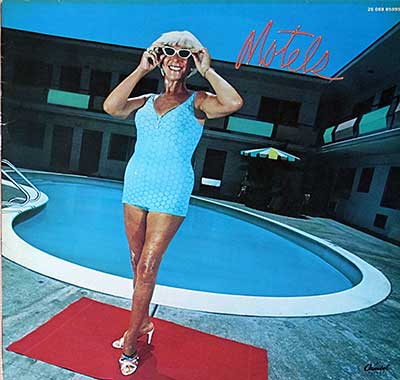
Capitol 2S 068 - 85.999 , 1979 , Made in France
"The Motels" - Debut studio album by The Motels, released in September 1979. Recorded in May the same year, the album showcases Martha Davis's captivating vocals and the band's distinctive post-punk and New Wave sound. Hits like "Total Control" and "Closets and Bullets" established their signature style, making "The Motels" a standout in the late '70s music scene.
Learn more
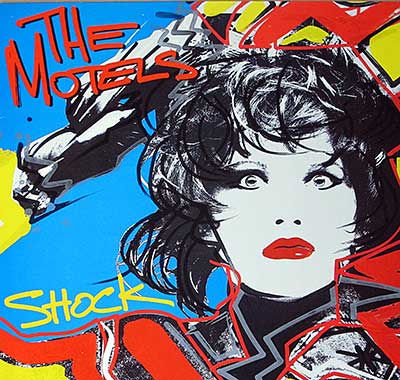
Capitol Records 1A 064-24 0394 DMM , 1985 , Made in EEC / Europe
"Shock" by The Motels - A dynamic New Wave Rock masterpiece on 12" LP Vinyl Album. Released in August 1985, the fifth studio album features Martha Davis's evocative vocals and the band's refined musicianship. Produced by Richie Zito, it delivers hits like "Shame" and "Cries and Whispers," exploring themes of love and vulnerability.
Learn more