KLAUS NOMI Description:
People like to shove Klaus Nomi into the Neue Deutsche Welle drawer because he was German and the early 1980s were basically one long filing-cabinet moment. But Nomi didn't “emerge” from NDW so much as materialize in downtown New York, fully formed, like a glam-opera transmission that picked the wrong planet on purpose.
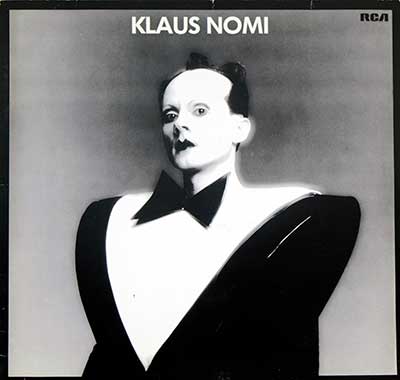
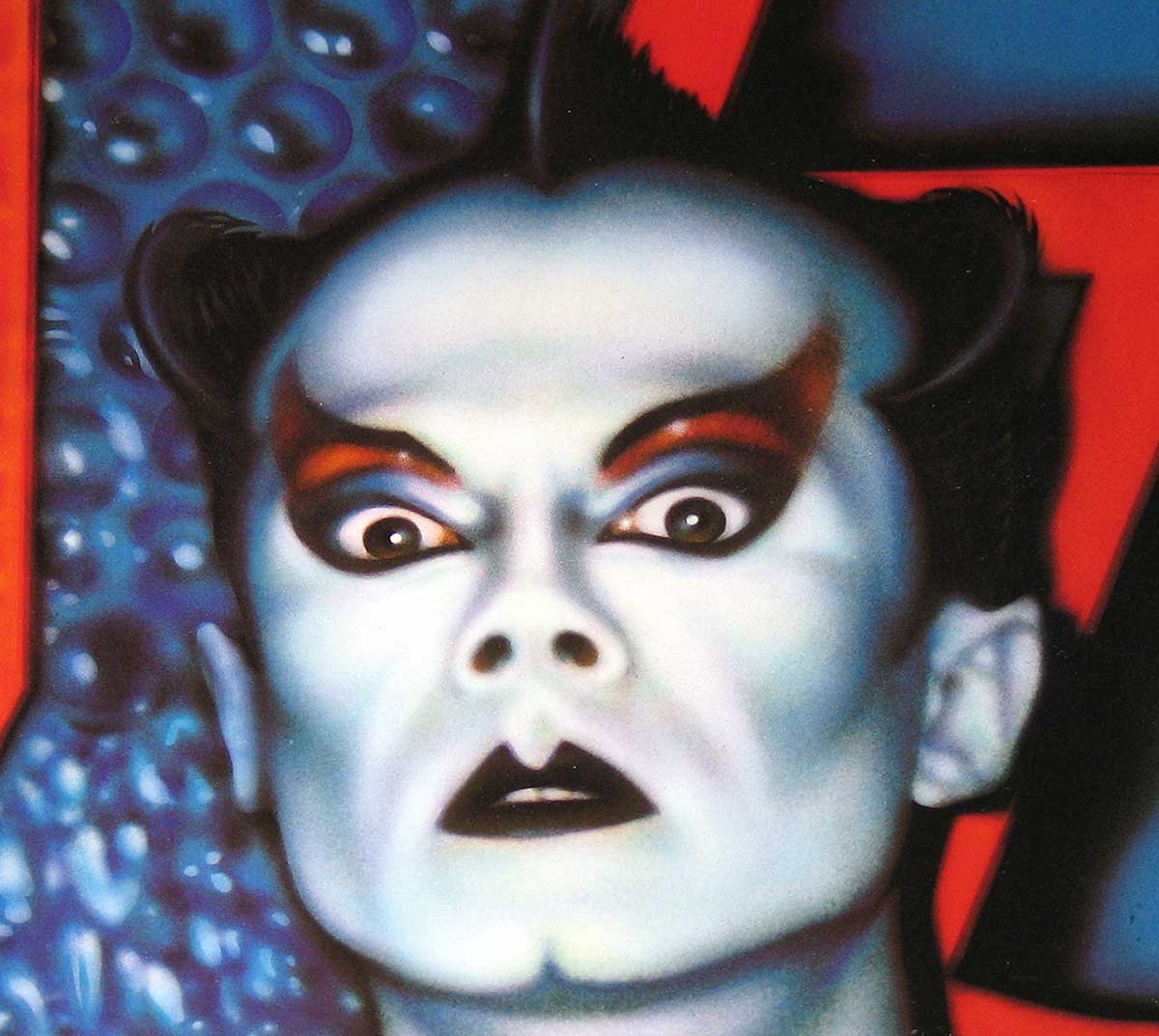
The look hit first. White face. Knife-edge hair. A suit that felt less “tuxedo” and more “warning sign.” Then the voice arrived—an operatic countertenor that didn't politely blend into the synths. It cut through them.
Where he actually comes from
He was born Klaus Sperber on 24 January 1944 in Immenstadt, Bavaria. Not exactly the obvious launchpad for a future cult icon in Manhattan, but that's the whole point. He studied music in Germany, worked around opera, and then—quietly, decisively—moved to New York in 1972. The city didn't tame him. It gave him better lighting.
Downtown in the late '70s wasn't a “scene” the way people say now. It was a pressure cooker with cheap rent and expensive attitudes. Nomi fit because he didn't ask permission. He just stepped onstage and made the room adjust.
That famous TV moment
If you want the clean timestamp: 15 December 1979, Saturday Night Live. David Bowie pulled Nomi (and Joey Arias) into a performance that looked like late-night television had briefly been hijacked by art-school aliens. Nomi didn't “guest.” He hovered. He haunted the frame.
Records you can actually live with
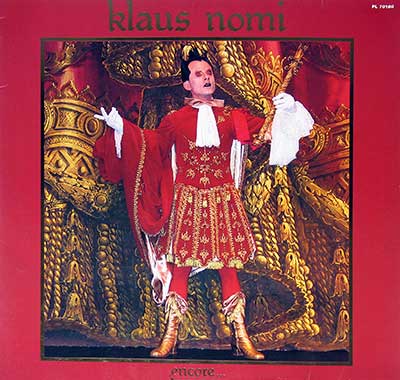
RCA released his debut, “Klaus Nomi”, on 30 November 1981. It's not a “genre blend” in the polite-review sense—more like someone wiring opera to new wave and then refusing to apologize. He takes Chubby Checker's “The Twist” and makes it feel slightly unsafe. Lou Christie's “Lightning Strikes” turns into a glossy little menace. And when he drops into Purcell's “The Cold Song” (from “King Arthur”), the room temperature changes. You notice. Even if you don't want to.
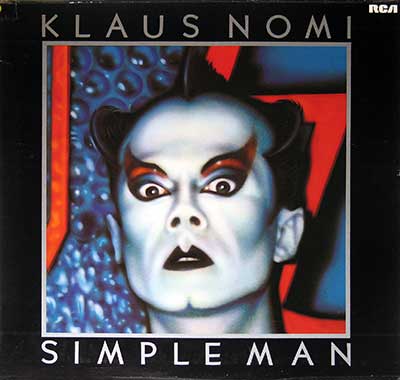
The follow-up, “Simple Man” (1982), pushes further into that odd, elegant imbalance—pop standards, originals, and opera arias sharing the same strange air. It shouldn't work. That's why it does.
One small, everyday truth: I can be halfway through making coffee, needle drops, and suddenly I'm standing still because Nomi is singing like the kitchen just turned into a stage. Annoying. Great. Effective.
The scene around him
The visuals weren't decoration; they were the whole argument. The suit geometry, the makeup like a death-mask, the stiff, deliberate movement—he didn't “perform songs,” he staged them. And downtown being downtown, people like Keith Haring and Jean-Michel Basquiat were in the same orbit, the same clubs, the same nights where art and music kept swapping clothes. Nomi belonged there because he didn't separate any of it.
Short life, long aftertaste
He died on 6 August 1983, age 39, from AIDS-related complications—early enough in the epidemic that the culture barely knew how to speak about it, let alone mourn it properly. The tragedy isn't just “a career cut short.” It's that someone this singular didn't get the boring privilege of growing old and getting misunderstood in new ways.
Nomi still doesn't sit comfortably in anyone's playlist categories, and honestly, good. If a voice like that feels “too much,” that's not his problem. That's the point.
References
- Wikipedia: Klaus Nomi (bio, dates, NYC move, SNL)
- Wikipedia: “Klaus Nomi” (album release details)
- Pitchfork (2015): The Curious Career of Klaus Nomi
- Pitchfork review: “Klaus Nomi” (repertoire context)
- DavidBowieWorld.nl: SNL performance date (15 Dec 1979)
- haring.com: Rolling Stone (1989) interview excerpt (Haring mentions Nomi)