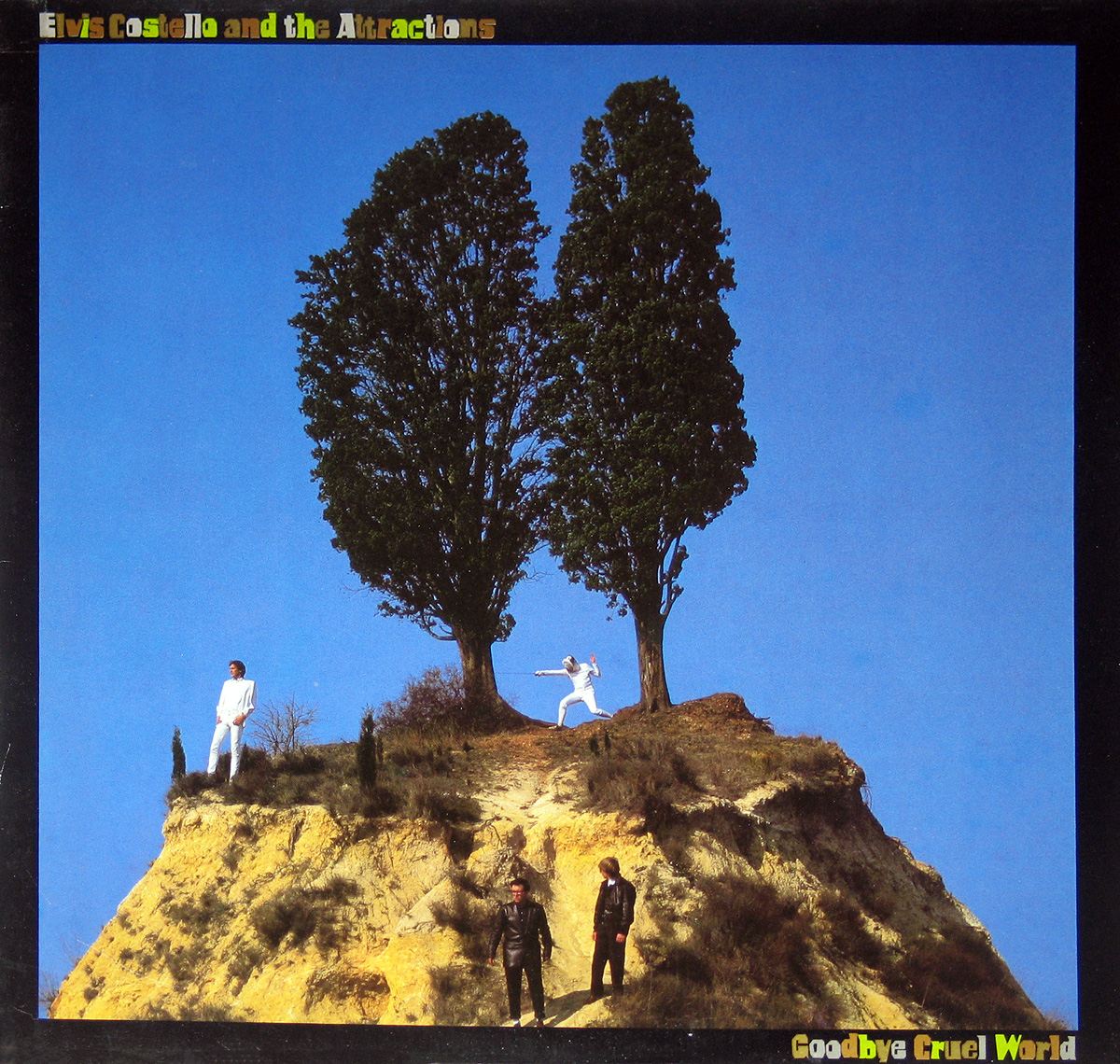
"Goodbye Cruel World" (1984) Album Description:
"Goodbye Cruel World" is one of those records that arrives with a title like a slammed door and then spends forty minutes proving the room was already in bad shape. Elvis Costello and The Attractions were still dressed like a functioning unit in 1984, but the sound here tells a different story: polished surfaces, sharp little hooks, and a nagging feeling that too many hands were trying to force the songs into shape. On paper it ought to have worked. In the grooves, it often sounds like a clever man grinding his teeth through the tail end of a very modern hangover.
That is exactly why this album keeps pulling collectors back in. Not because it is neat, and certainly not because it behaves, but because the cracks are the story. There is a real question hanging over this record every time the needle drops: is this a botched mid-1980s new wave album with a few survivors on it, or is it the sound of a band and a songwriter catching themselves in the mirror at the worst possible moment?
By 1984, British pop and new wave had already lost some of its original sneer and was learning bad habits from the charts. Everything was getting brighter, tighter, shinier, and a little more smug. Around this record you had bands and artists bending the format in different directions: Talking Heads turning rhythm into nervous architecture, XTC making smart pop feel sly instead of stiff, Squeeze sharpening domestic heartbreak into radio bait, The Style Council chasing a cleaner continental cool, and Echo & the Bunnymen keeping one boot in the shadows. Costello, never one to enjoy standing still, sounds here like he is trying to outrun both his own reputation and the decade itself.
The result is a strange, uneasy blend of new wave snap, blue-eyed soul gestures, brass decoration, and studio tidiness that sometimes borders on suffocation. Clive Langer and Alan Winstanley knew how to make records move, and you can hear them trying to keep everything upright, trim the fat, and give these songs some aerodynamic lift. But this album does not really want to glide. It wants to twitch, flinch, mutter, and occasionally bite through the lacquer.
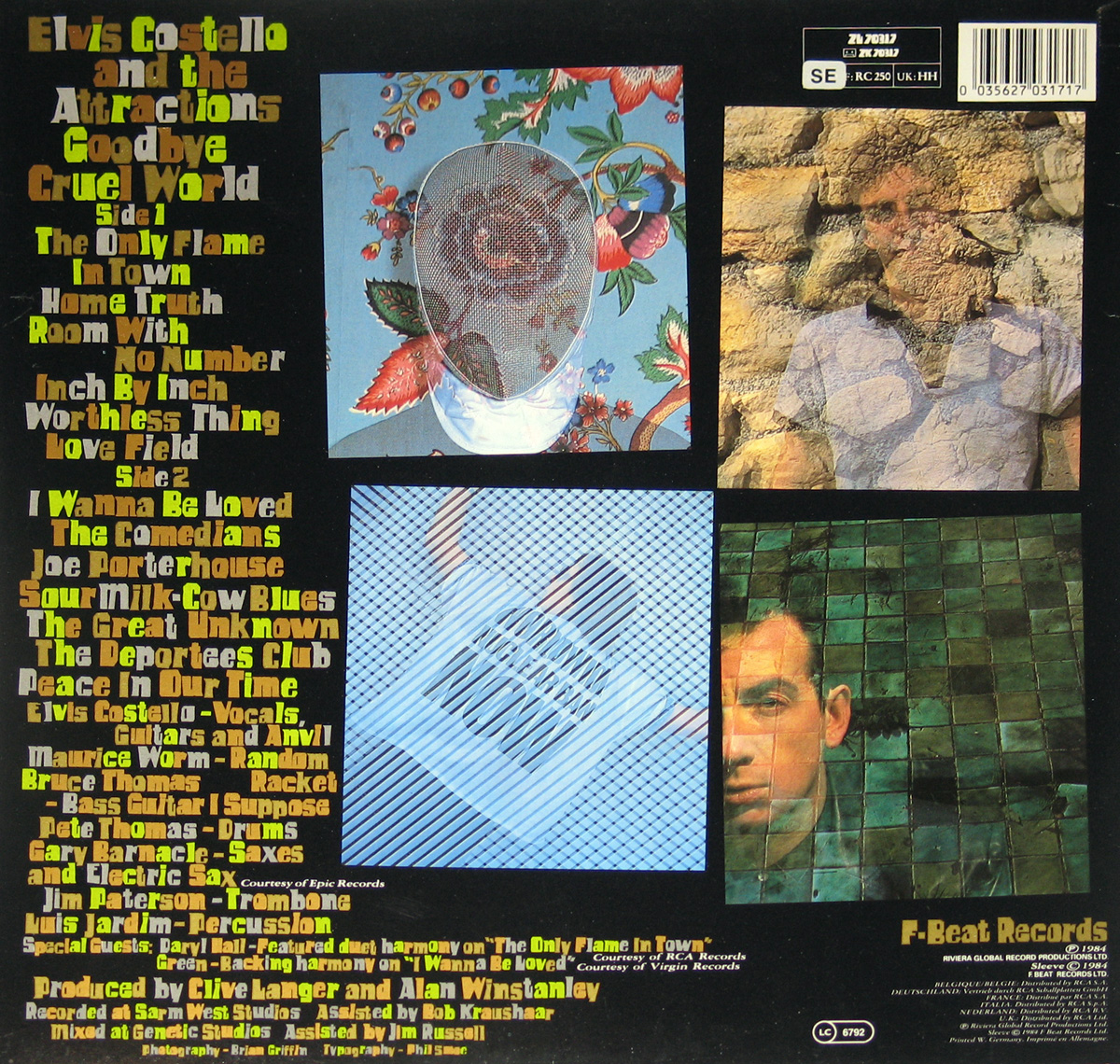
"The Only Flame In Town" is the obvious calling card, and Daryl Hall's presence gives it a sleek, almost too-smooth sheen that lands somewhere between expensive heartbreak and late-night FM compromise. It works, mostly because the tune is too strong to drown. But the album gets more revealing when the smile slips: "Home Truth," "Room With No Number," and "The Comedians" carry that clipped, needled Costello tension where the words seem to arrive half a second before the music can comfortably carry them.
The Attractions still matter here, even when the production tries to file down the evidence. Bruce Thomas keeps things moving with that familiar dry push from the bass, Pete Thomas hits like a man trying to save furniture during a house fire, and Steve Nieve - cheekily credited on the sleeve as "Maurice Worm" - brings the crooked angles and odd little stabs that stop the whole thing from turning into upscale wallpaper. Gary Barnacle, Jim Paterson, and Luis Jardim add colour and motion, but this is not a case of guest players rescuing the room. They just make the tension more visible.
There was no grand scandal attached to the album, no proper public train wreck, nothing that tabloids could dine out on for weeks. The real controversy came later, when the record settled into its reputation as the awkward one, the compromised one, the album even Costello himself was not exactly eager to send flowers to. Fair enough. But people often flatten that into lazy shorthand, as if it is all failure and no nerve. That misses the point. This thing is messy because the people making it were messy, and records like that usually tell you more than the tidy victories do.
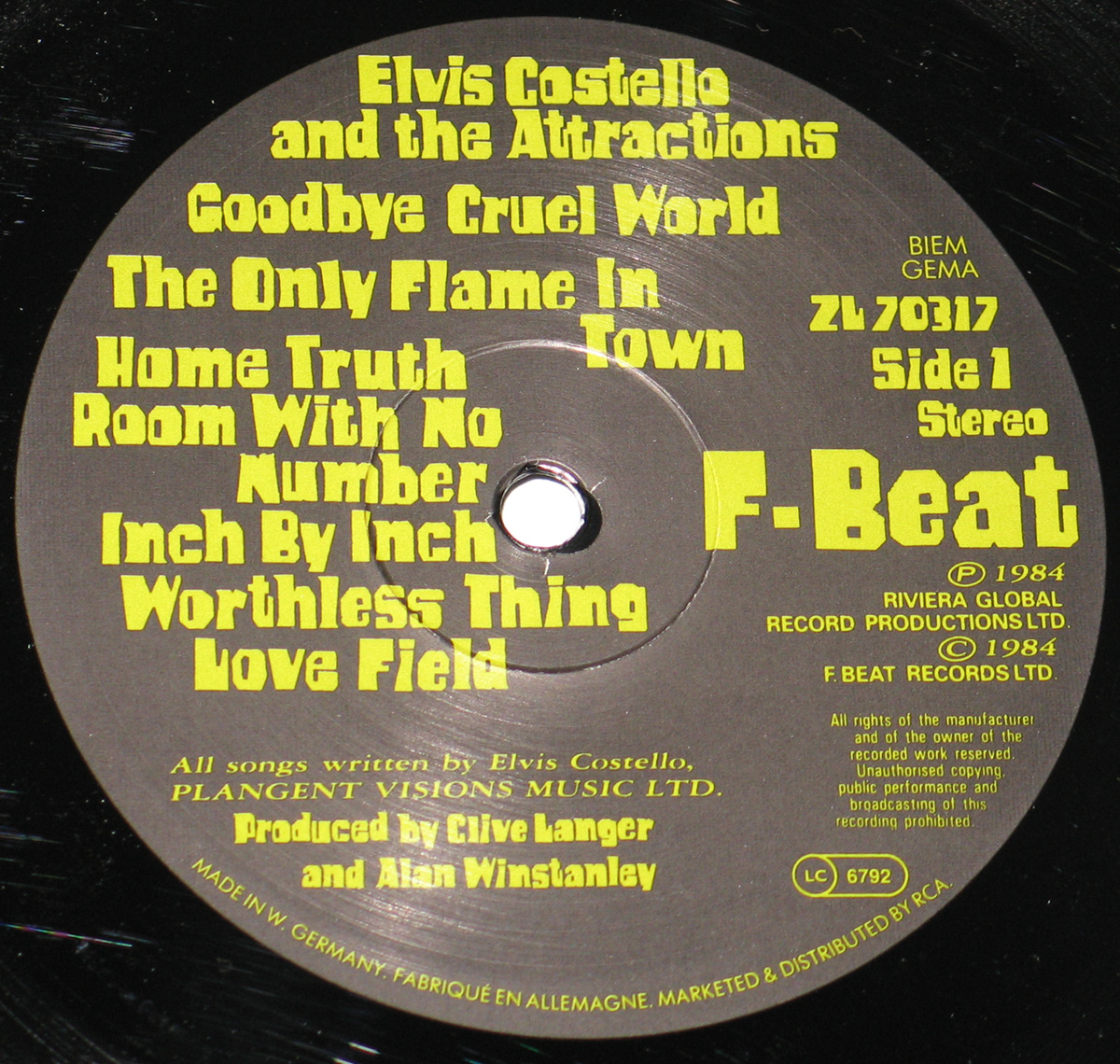
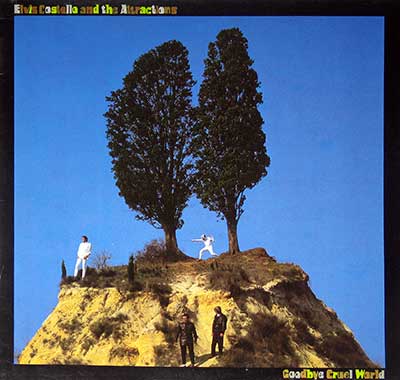
As a physical object, the German pressing has its own quiet appeal: that cool mid-1980s European practicality, less romantic than a battered UK first issue perhaps, but still satisfying in the hands. Pulling it from the shelf late at night, with the room lamp throwing more light on the sleeve than the turntable deserves, you are reminded that some albums earn their keep not by perfection but by leaving fingerprints on your mood. This is one of those records.
I would not rank it with Costello's fiercest work, and pretending otherwise would be collector's vanity dressed up as wisdom. But I would take this uneasy, overworked, emotionally pinched album over plenty of more respectable 1984 releases that now sit there like polished furniture nobody actually uses. "Goodbye Cruel World" still has static in its bloodstream. That counts for something. Maybe more than something.
References
- Vinyl Records Gallery page with high-resolution album cover photos and page details
- Elvis Costello official discography entry for "Goodbye Cruel World"
- Elvis Costello official liner notes for "Goodbye Cruel World"
- Discogs master release data and credits for "Goodbye Cruel World"
- Overview of release date, recording period, personnel and album context