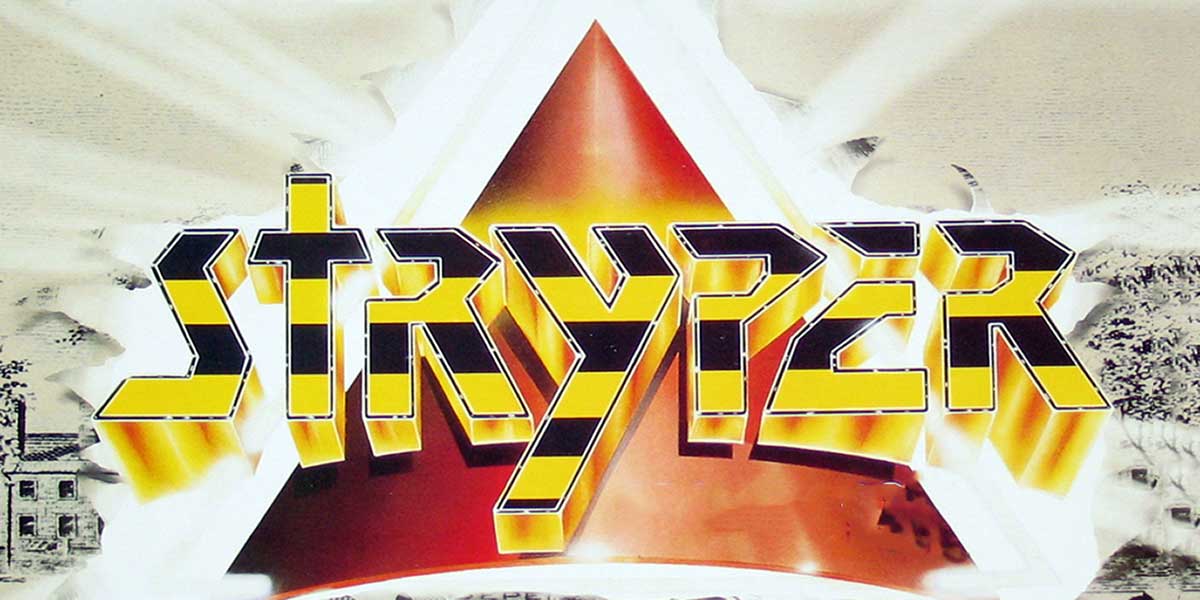
STRYPER Band Information:
STRYPER didn't crawl out of some abstract "Christian metal" textbook. They came out of the early-'80s Southern California sprawl (La Mirada, 1983), when hairspray was basically a building material and every band wanted the chorus to hit like a spotlight. They started as Roxx Regime, then flipped the message and kept the volume. The result was weird, loud, and very, very yellow-and-black.
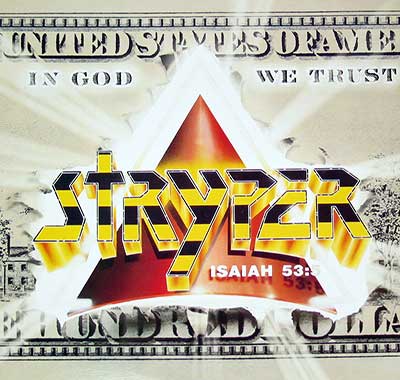
The name isn't just a cute acronym to print on a press release. The whole stripes thing points straight at Isaiah 53:5 ("By His stripes we are healed"), and they leaned into it like it was a uniform. The "Salvation Through Redemption..." line gets repeated a lot, sure, but the stripes-and-verse symbolism is the real spine of it.
Musically, they went for punch first: twin guitars that bite, drums that shove, and Michael Sweet's voice aiming for the ceiling tiles. The hooks are glossy on purpose. This is metal that wants to win you over in the chorus, not lecture you in the footnotes.
The debut EP "The Yellow and Black Attack" landed in 1984 and it already had the blueprint: fast, melodic, a little reckless, and oddly sincere. Early cuts like "From Wrong to Right" (and the punchy "Loud 'N' Clear" on the commonly-circulated tracklists) tell you exactly what decade you're standing in.
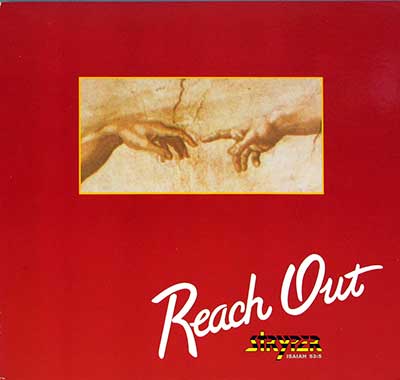
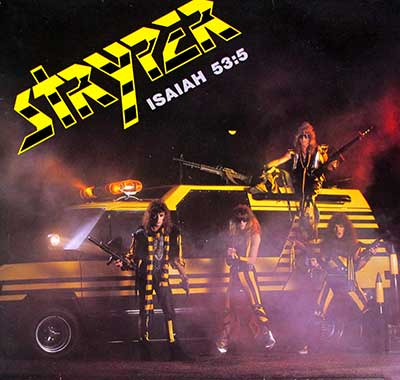
Then came "Soldiers Under Command" in 1985, their first full-length, and it's where the band starts sounding like they belong on bigger stages. The title track has that marching-stomp confidence, and "Reach Out" is pure mid-'80s uplift with amps attached. This is the record where the stripes stopped being a gimmick and started looking like branding genius.
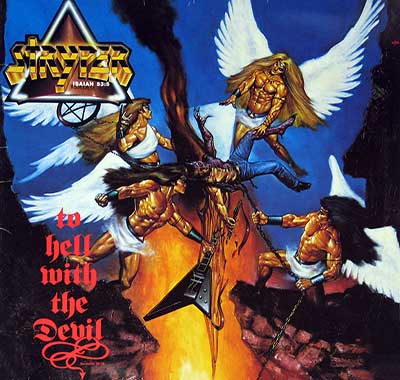
"To Hell with the Devil" (released 24 October 1986) is the real crossover moment: platinum sales, and MTV finally giving them room to swing. "Calling on You", "Free", and especially "Honestly" didn't just show up on TV — they stuck. I still remember "Honestly" popping up on Dial MTV in 1987, sounding suspiciously like a power-ballad designed to hijack your brain and refuse to leave.
Live, they weren't subtle. Yellow-and-black everything, Robert Sweet turning that huge kit sideways so you couldn't ignore him, and Bibles getting tossed into the crowd like other bands throw picks. That move alone guaranteed two kinds of complaints: metal kids calling it preachy, and church folks clutching pearls because the riffs had too much bite.
The scene shifted, the hair-metal air thinned out, and they eventually disbanded in 1993 — then came back in 2003 and kept going. They're still touring and recording, still polishing hooks until they shine, still wearing the stripes like a dare. Love it or roll your eyes, but you can't accuse STRYPER of whispering.