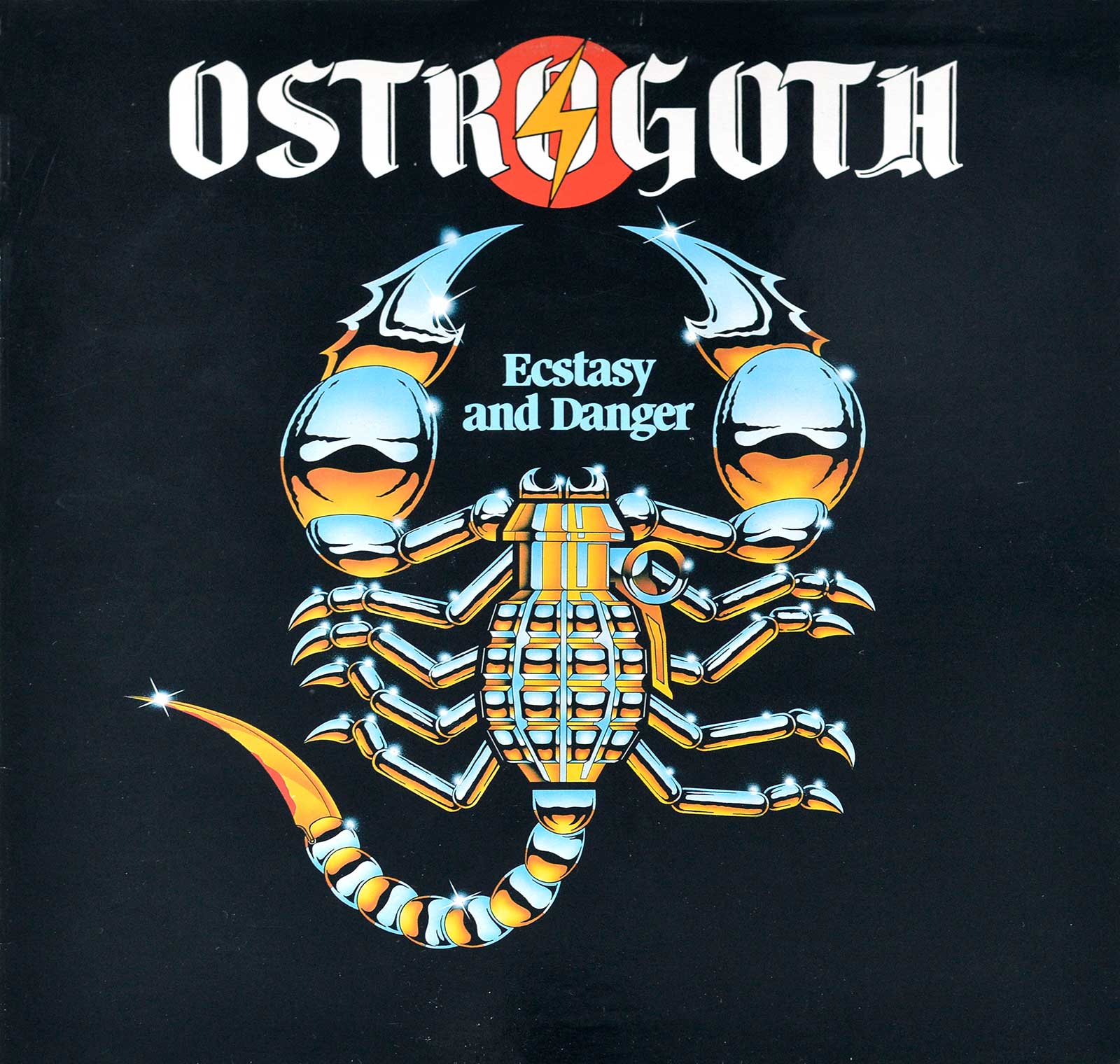
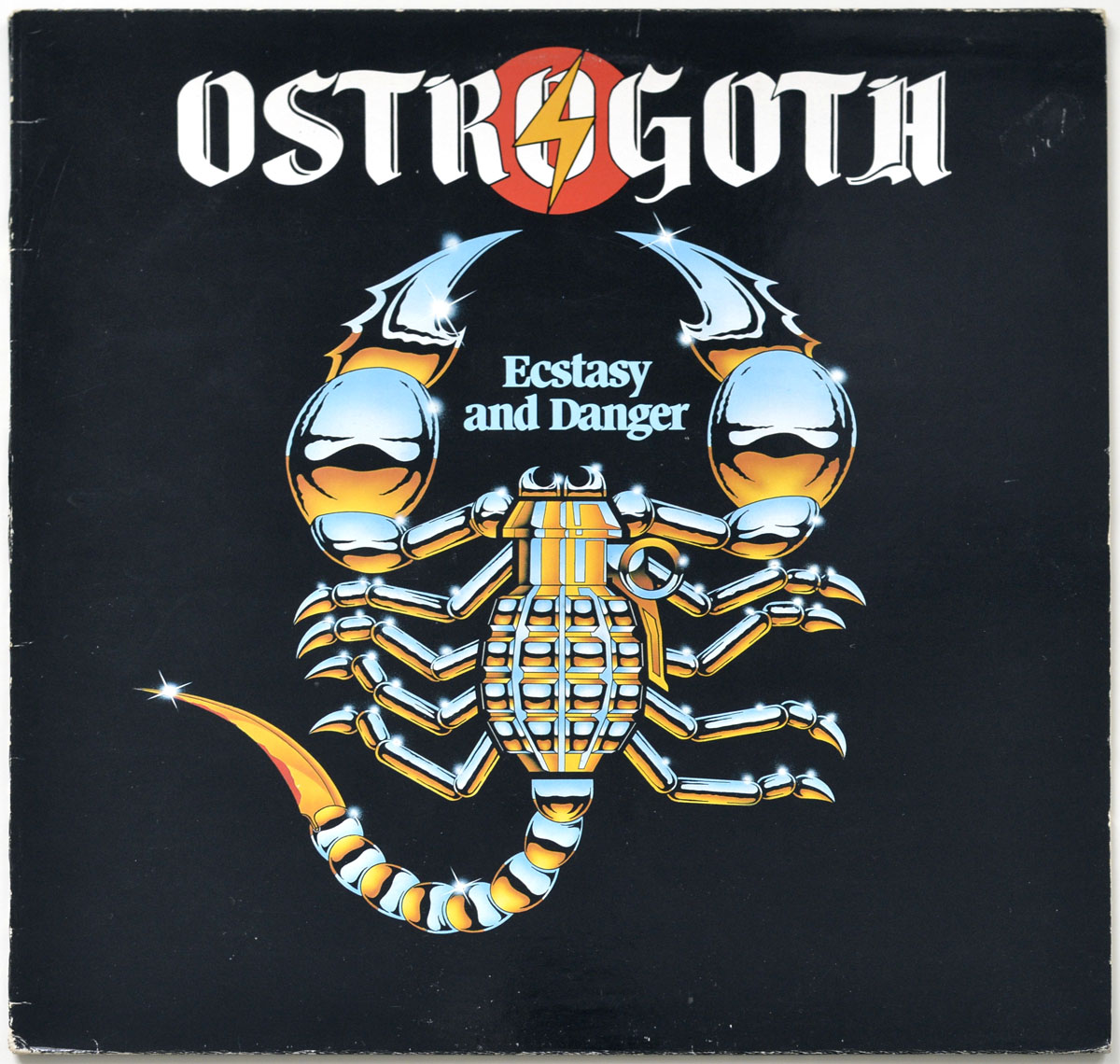
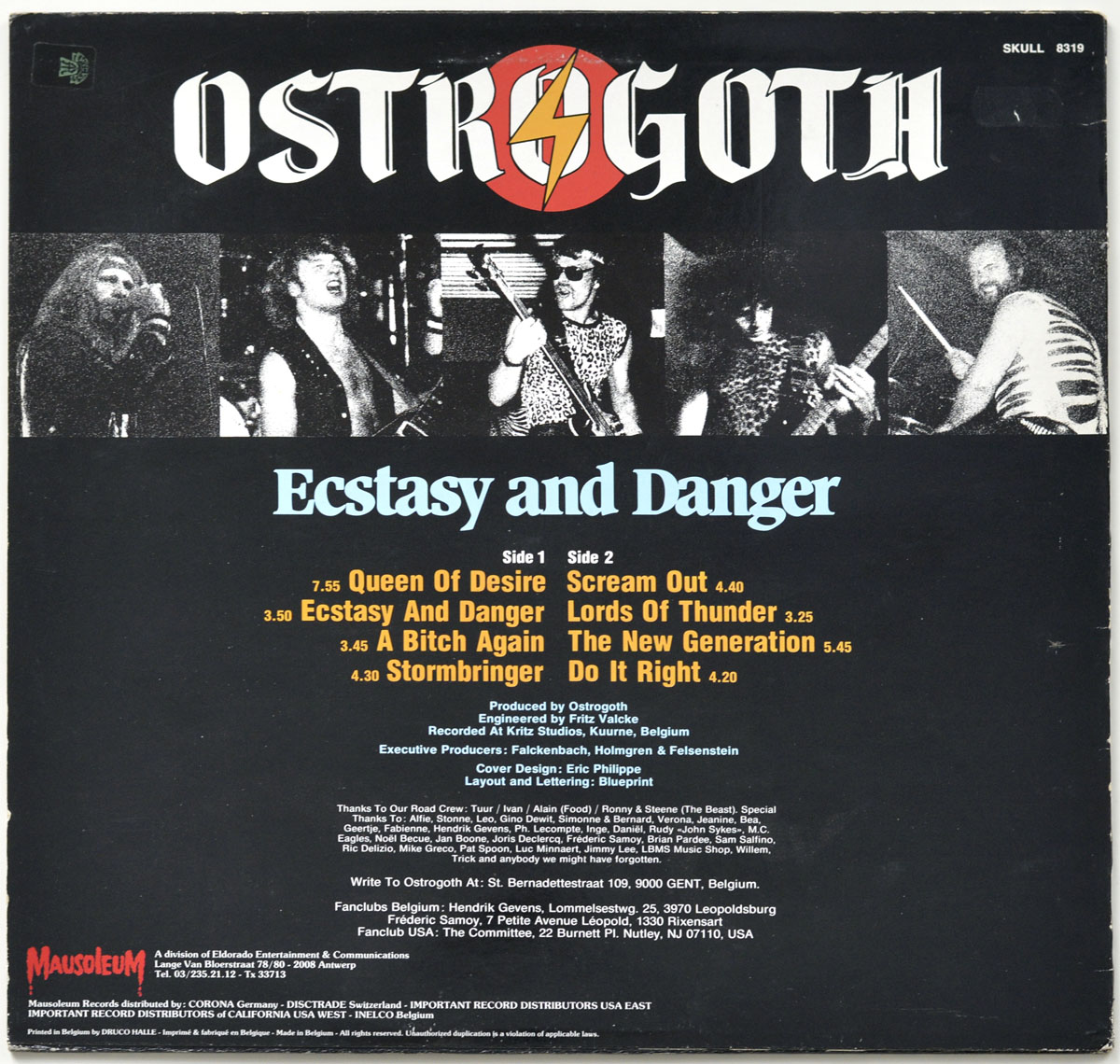
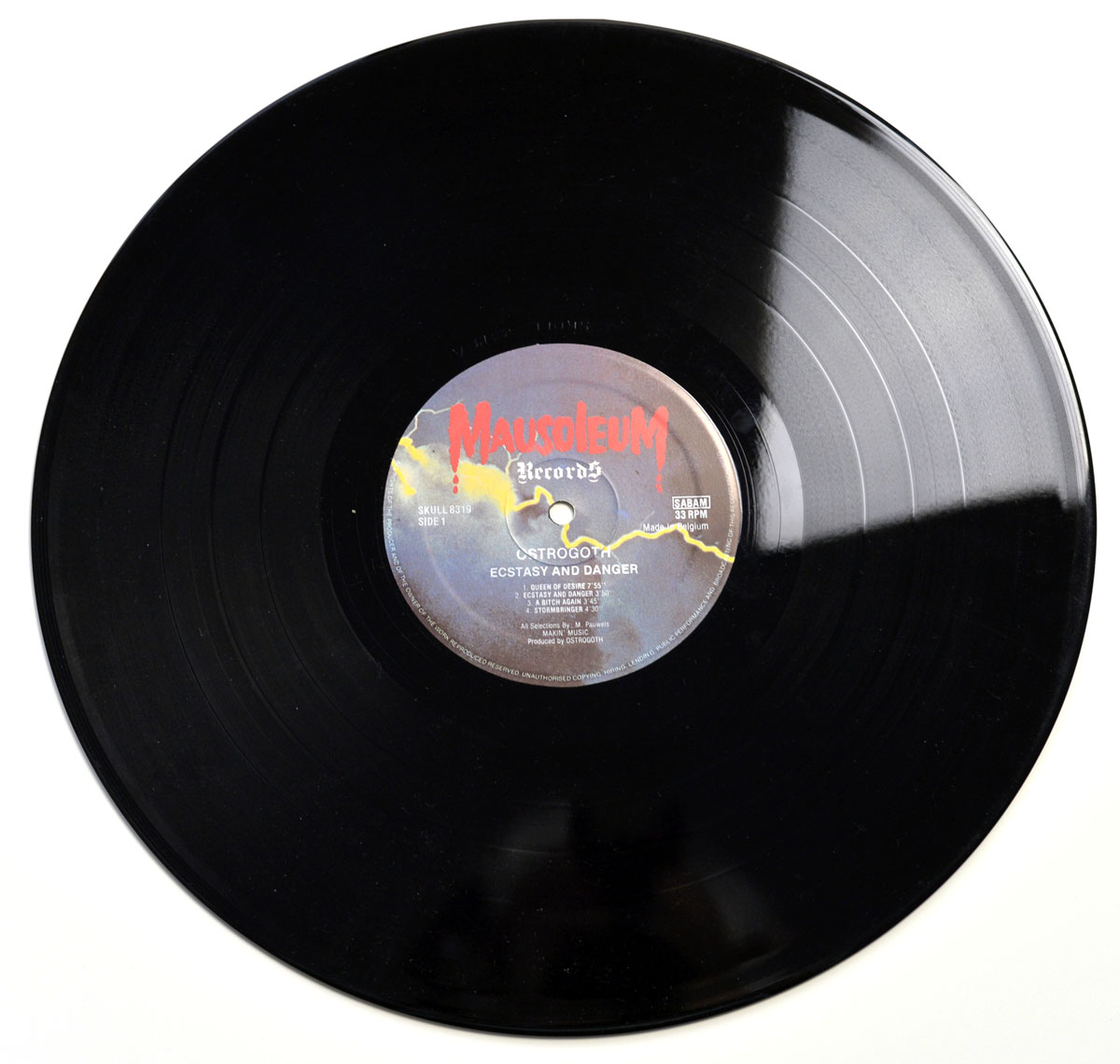
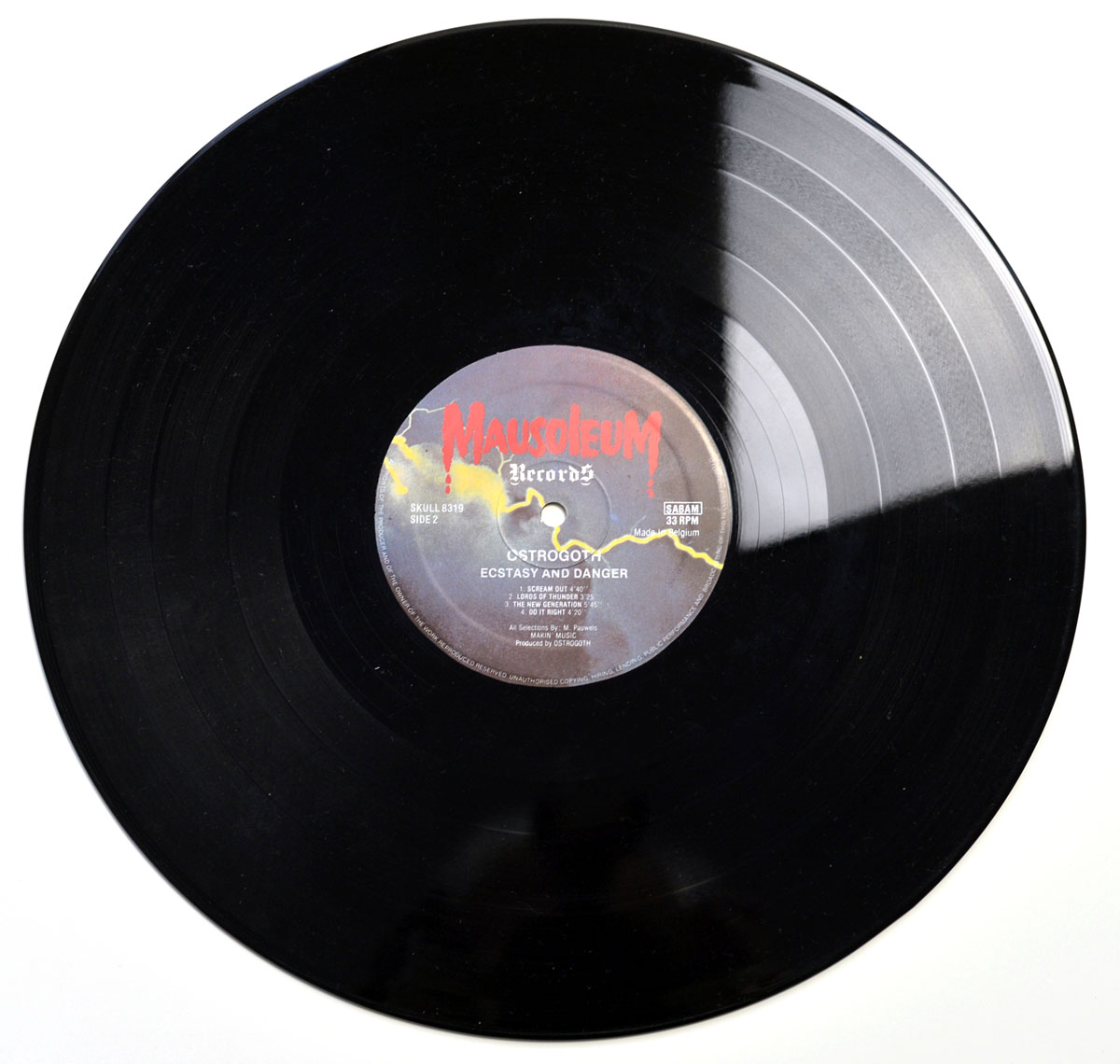
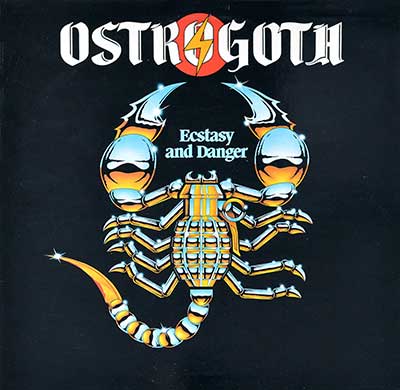
"Ecstasy and Danger" (1984) Album Description:
Ostrogoth’s "Ecstasy and Danger" is the moment Belgian heavy metal stops being “a scene” and starts sounding like a statement. This is their first full-length album, released in 1984, and it hits like a band that knows the door is half-open and intends to kick it off the hinges. You can feel the ambition in every hook, and the title track makes sure you understand the mission fast.
1. Introduction on the band and the album
What grabs me is how confident it is for a debut LP: big riffs, big choruses, and that classic heavy metal sense of drama without the cheese sliding completely off the pizza. It’s Ostrogoth planting their flag with two guitars up front, a rhythm section that doesn’t blink, and vocals that aim for the rafters.
2. Historical and cultural context
In 1984, heavy metal is in its "go bigger or go home" phase, and you can hear that hunger all over this record. Ostrogoth aren’t chasing trends so much as proving Belgium can stand in the same loud room as everyone else. The fact it was made in Belgium for distribution in the USA and Europe says a lot: this wasn’t meant to stay local.
3. How the band came to record this album
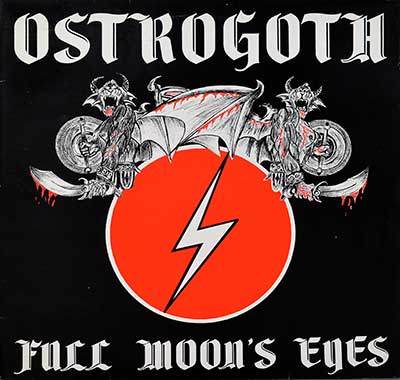
Right before this LP, they’d already fired a warning shot with the 1983 "Full Moon’s Eyes" release, and "Ecstasy and Danger" feels like the next logical escalation. It was recorded at Kritz Studio in 1983, with sound/recording engineer Fritz Falcke helping capture the punch. On the business-and-belief side, the Belgian producer trio Alfie Falckenbach, Stonne Holmgren, and Leo Felsenstein are right there in the credits, like a small metal council making sure this thing lands properly.
4. The sound, songs, and musical direction
The opener "Queen of Desire" is the first grin-moment for me, especially that intro that’s obviously leaning into Eddie Van Halen-style guitar flash. Then the title track "Ecstasy and Danger" snaps everything into focus: anthem structure, clear melodies, and that classic “turn it up and suddenly life improves” effect. By the time you hit songs like "Lords of Thunder" and "The New Generation", the band are balancing speed, weight, and sing-along hooks like they’ve been doing it forever.
There’s also a nice range in how they pace it: some tracks feel built for fists-in-the-air choruses, others lean more melodic and moody without losing the metal spine. It’s the kind of sequencing that makes flipping the record feel like a little ritual instead of a chore.
5. Comparison to other albums in the same genre/year
If you lived through mid-’80s heavy metal (or you’re a collector who time-travels via vinyl), you’ll recognize the ingredients: twin-guitar muscle, big choruses, and that slightly heroic glow around the edges. Ostrogoth sit in that sweet spot between the genre’s epic side and its street-level bite, with enough melody to stick and enough grit to keep it from turning into cosplay.
- Like the era’s best heavy metal, it pairs anthem choruses with sharp, expressive lead guitar.
- It has that classic “band in a room” energy, but with polish that keeps the riffs from turning to mush.
- It feels made for real speakers, not polite background listening.
6. Controversies or public reactions
This album doesn’t scream “scandal,” and honestly that’s kind of refreshing. The most eyebrow-raising thing here is probably the blunt title "A Bitch Again", which some people will side-eye while others will just shrug and hit play. Either way, the music is the point, and the band stay locked on that target.
7. Band dynamics and creative tensions
I’m not going to invent backstage drama that isn’t on the page, but I can hear a band making decisions with purpose. The twin-guitar approach feels coordinated rather than competitive, and the rhythm section plays like it’s sworn an oath. The vibe is “we’re here to be taken seriously,” not “we’re here to win an argument.”
8. Critical reception and legacy
The page itself calls this a milestone for Belgian heavy metal, and that tracks with how it feels: a debut that doesn’t sound like a demo wearing a suit. Decades later, it still reads as a defining early statement for Ostrogoth, and it’s easy to hear why it kept resonating with fans. It’s a record that holds up because it’s built around songs, not gimmicks.
9. Reflective closing paragraph
When I drop the needle on "Ecstasy and Danger," I don’t just hear a set of tracks—I hear a band grabbing 1984 by the collar and demanding a spot on the bigger map. It’s heavy metal with melody, muscle, and a little bit of that dangerous optimism you only get when you still believe the next chorus can change your night. Decades later, the riffs still smell faintly of beer, sweat, and the kind of confidence you only earn by doing it loud.