OSTROGOTH Band Description (Ghent, Belgium):
Ostrogoth doesn’t feel like a “fun fact” from Belgium. It feels like Ghent in cold weather: gray air, hard edges, amps turned up because subtlety is for jazz clubs. This is heavy metal that walks in with wet boots and doesn’t apologize for the footprints.
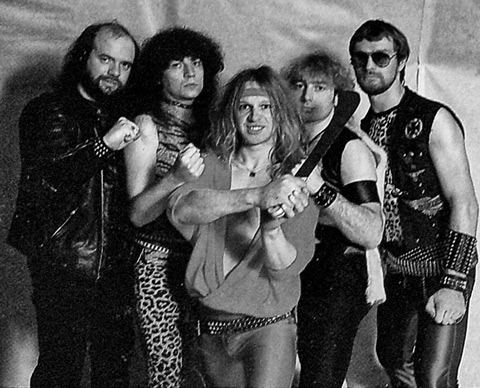
They’ve got roots that go back into the late ’70s under earlier names, but the band the scene remembers as Ostrogoth properly locks in around 1980. Drummer Mario “Grizzly” Pauwels is the spine in the story, with bassist Marnix “Bronco” van de Kauter right there in the early core. The first lineup is documented with Luc Minne on vocals and guitarist Jean-Pierre “Pierke” Dekeghel in the mix. Small-country lineup drama comes later. Of course it does.
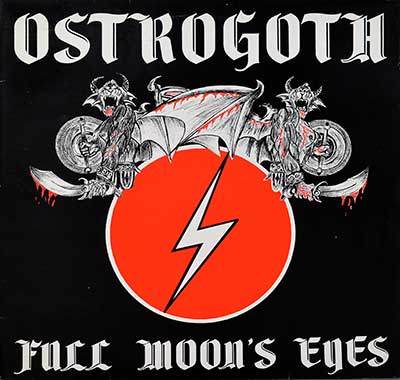
The "Full Moon's Eyes" EP (1983) is where the band starts leaving dents in people’s memory. "Paris By Night" sits on that release like a neon sign in a rainy street: moody, melodic, and stubbornly catchy without turning soft. The riffs don’t “feature” harmony. They lean into it. They insist.
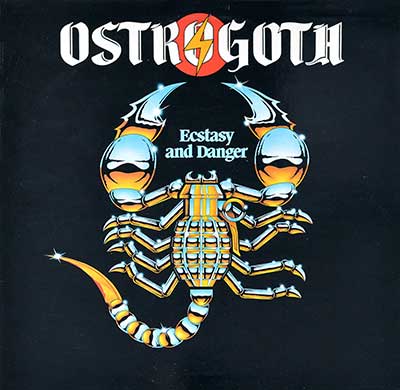
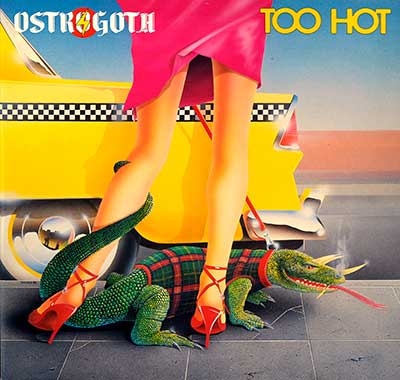
Then comes the classic run: "Ecstasy and Danger" (1984) and "Too Hot" (1985). Here’s my bias: I’ll take "Ecstasy and Danger" when I want them hungry and sharp, still trying to bite through the speaker cloth. "Too Hot" is brighter and cleaner, like they’ve started thinking about bigger stages and tighter hooks. It’s not selling out. It’s aiming. There’s a difference, even if metal people love pretending there isn’t.
By "Feelings of Fury" (1987) the band has shifted again, and the sound comes dressed a bit more “professional.” New faces show up in the documented lineup for that era, including Juno Martins on guitar and Peter De Wint on vocals. The edge is still there, but it’s more spotlight than basement. Some people prefer that. I tolerate it when the riffs stay mean.
About influences: yes, you can hear European metal DNA in there — Scorpions and Accept get mentioned for a reason. But Ostrogoth doesn’t sound like a tribute band. They sound like a Belgian band watching the bigger scenes across the border and deciding to swing anyway, even if the room is smaller and the budget is beer-money. That’s the charm. That’s also the chip on the shoulder.
One quiet personal anchor: I first ran into the name Ostrogoth the way a lot of collectors do — not through some grand “discovery,” but through a stack of records where the sleeve corners are worn and the price sticker has survived three decades out of pure spite. You see “Ghent” and you expect a footnote. Then you put it on, and you get riffs with teeth. That moment never stops being satisfying.
They’ve gone away and come back more than once (2002, then again from 2010 onward), because metal bands are basically boomerangs with amplifiers. The later-era lineup includes Josey Hindrix on vocals for a stretch, and there’s new material documented in the 2010s as well. People love tidy “legacy” narratives. Ostrogoth is messier than that. Better than that, honestly.
References
- Metal Archives: Ostrogoth (formed 1980, Ghent; years active; discography)
- Wikipedia: Ostrogoth (band overview, albums/EPs, lineup eras)
- Bandcamp: "Full Moon's Eyes" (EP, released 21 May 1983; includes "Paris By Night")
- Discogs: Ostrogoth discography (release history and credits)
- vinyl-records.nl (high-resolution album cover photos)