1984. MTV was a neon-drenched, spandex-clad colossus bestriding the pop culture landscape. Big hair, bigger guitars, and pyrotechnics ruled the airwaves. Amidst this sonic maelstrom, Lita Ford, formerly the Runaways' teenage guitar goddess, released her third solo album, "Dancin' on the Edge". This wasn't just another rock record; it was a declaration of independence, a middle finger to conformity, and a testament to Ford's evolution from a rock and roll ingénue to a full-fledged, leather-clad rock queen.
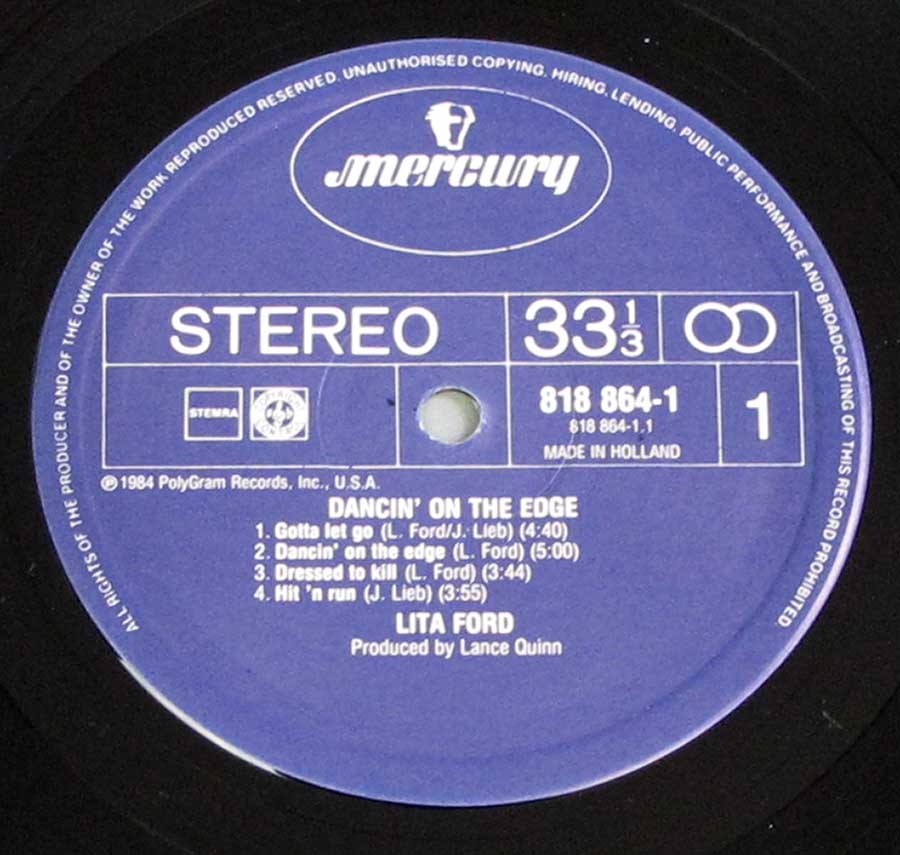
The album explodes out of the gate with the title track, a ferocious hard rock anthem that showcased Ford's powerful vocals and blistering guitar work. It was a shot across the bow, announcing that Lita was no longer content to be a side player; she was ready to take center stage. The rest of the album didn't disappoint, delivering a relentless barrage of hook-laden hard rock anthems like "Gotta Let Go" and "Fire in My Heart".
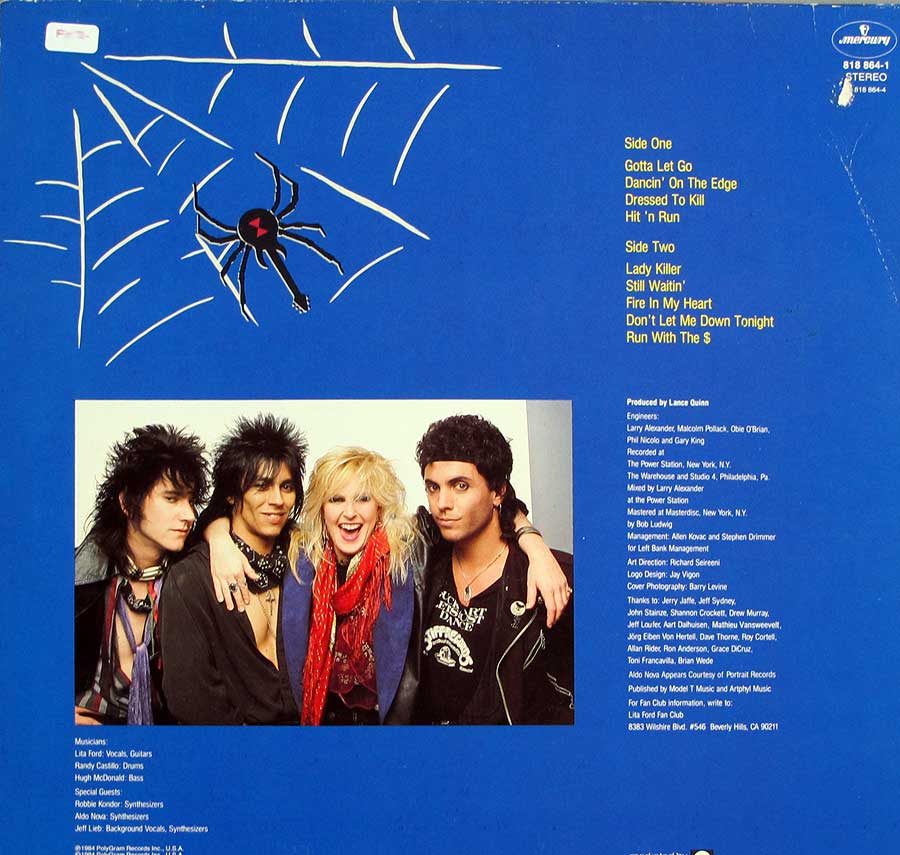
Ford wasn't just another pretty face fronting a band; she was a bona fide guitar hero, and "Dancin' on the Edge" provided ample evidence of her six-string prowess. Tracks like the instrumental "The Runaways" paid homage to her roots, while "Dressed to Kill" showcased her ability to craft memorable, radio-friendly rock anthems. Notably, it also featured the talents of renowned bassist Hugh McDonald, who would later join Bon Jovi, and the late drummer Randy Castillo, recognized for his work with Ozzy Osbourne.
While the album was primarily a hard rock affair, it also showcased Ford's willingness to experiment. The power ballad "Still of the Night" showcased her softer side, a track that would go on to become one of her most beloved songs, while the bluesy "Hit and Run" revealed her affinity for classic rock influences.
The album was produced by the legendary Tom Werman, who had previously worked with acts like Cheap Trick and Mötley Crüe. Werman's slick production perfectly captured the energy and attitude of Ford's music, while also ensuring that the songs had enough commercial appeal to make an impact on the charts.
Recorded at the famed Record Plant studios in Los Angeles, "Dancin' on the Edge" had a raw, powerful sound that perfectly captured the spirit of the 80s hard rock scene. The album wasn't afraid to be loud, brash, and unapologetically in your face.
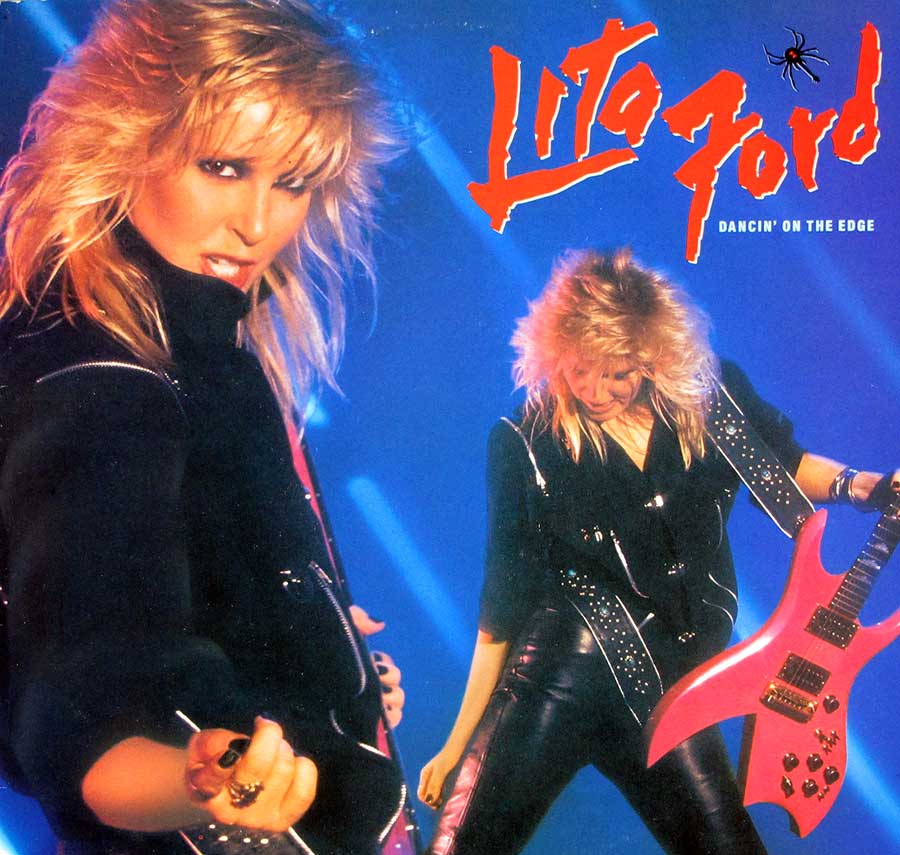
"Dancin' on the Edge" wasn't without its controversies. The album's cover, featuring Ford in a revealing outfit, raised eyebrows and drew accusations of sexism. But Ford was never one to shy away from controversy, and she defended her right to express herself however she saw fit. The album's cover, while provocative, became iconic, further solidifying Ford's image as a strong, independent woman in a male-dominated industry.
In the end, "Dancin' on the Edge" was a triumph for Lita Ford. It cemented her status as a force to be reckoned with in the male-dominated world of hard rock, and it paved the way for her even greater success in the years to come.