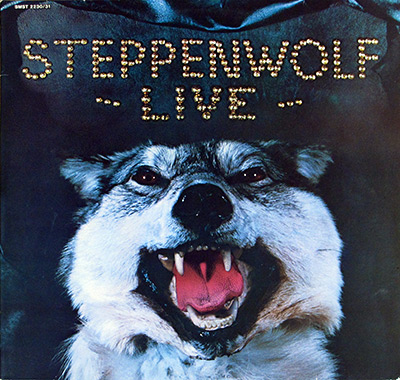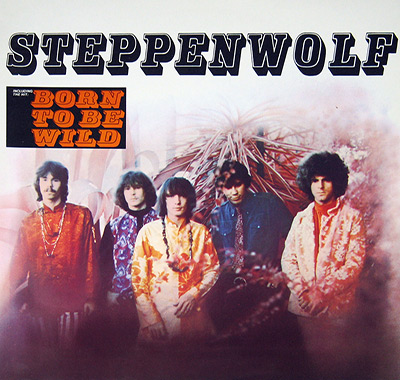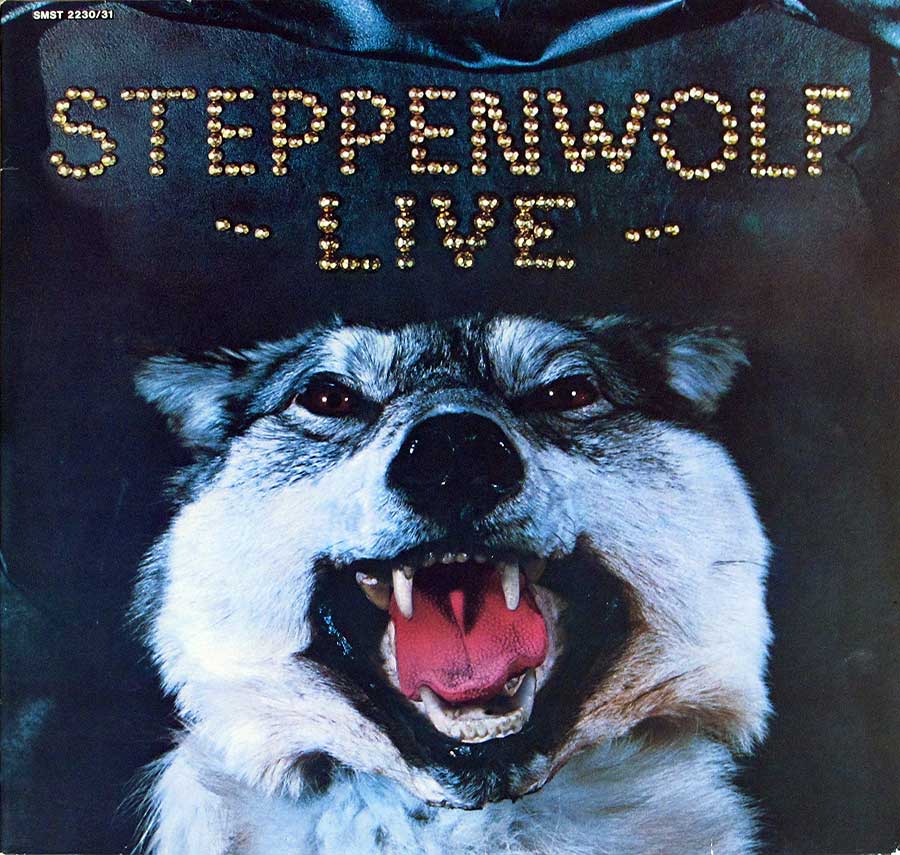
"STEPPENWOLF - Live Stateside" (1970) Album Description:
1. Steppenwolf and Live Stateside: why this one still hits
Some live albums feel like a contract obligation; Live Stateside feels like STEPPENWOLF kicking the club door open and daring the room to blink first. This 2LP gatefold doesn’t chase “perfect” — it chases impact, the kind that makes your speakers sweat a little and your neighbors reconsider their life choices.
2. 1970, pressed for the world: the era it landed in
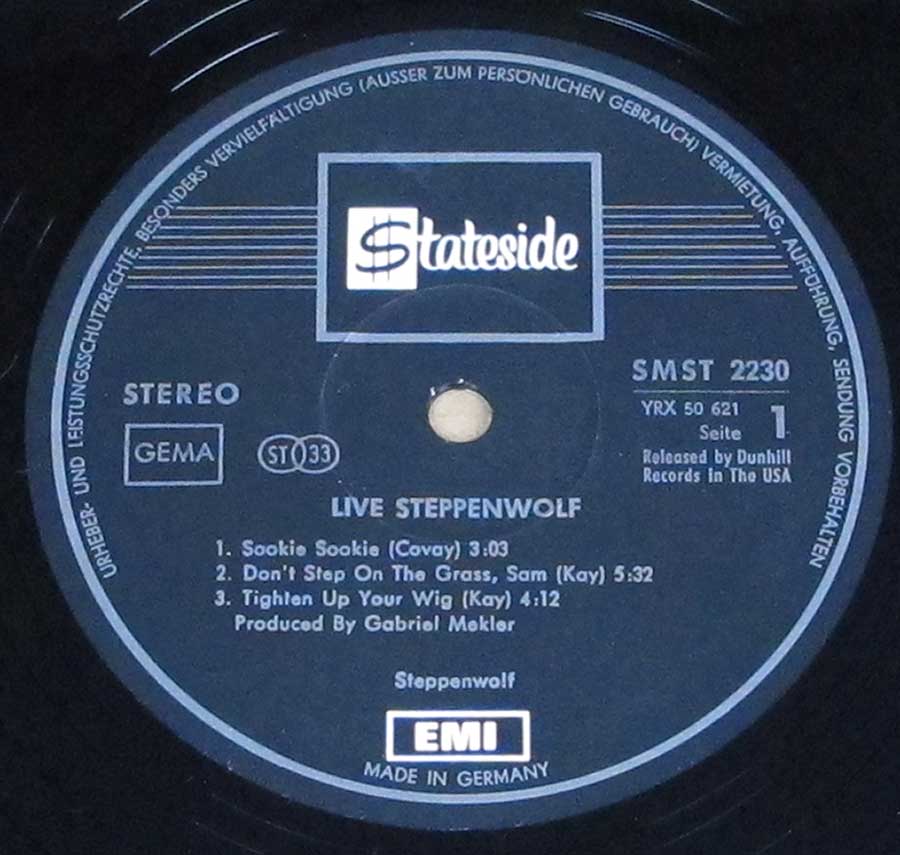
1970 was when rock stopped flirting with heaviness and started dating it seriously — louder amps, longer nights, and crowds who wanted the real thing instead of studio perfume. This Germany-made Stateside/EMI edition carries that international echo: American hard rock attitude, captured in 1970, shipped across borders like contraband for anyone addicted to volume and attitude. {index=1}
3. How it got recorded: not one night, but a whole year of road heat
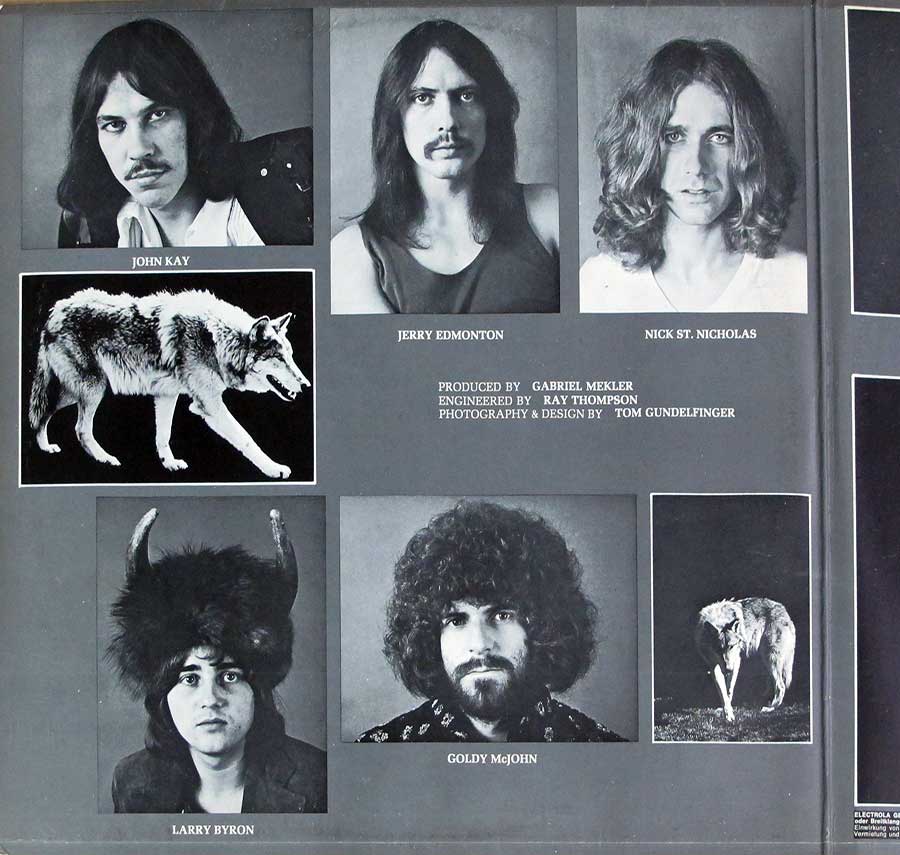
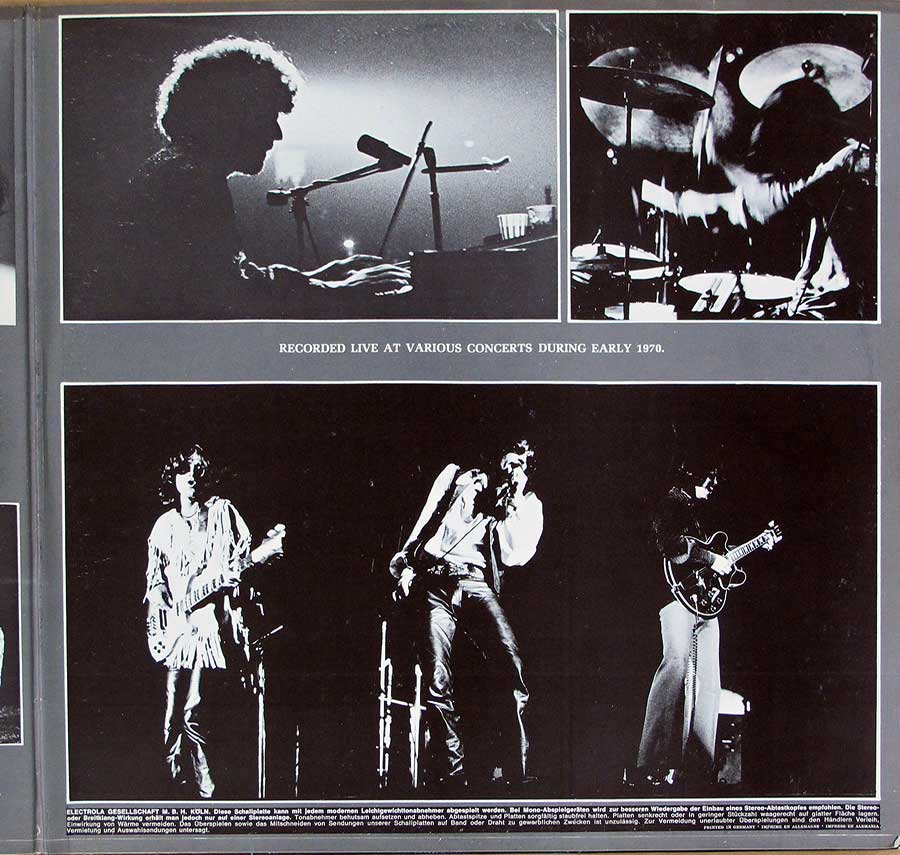
What I love as a collector is the honesty baked into the setup: recorded live at various locations during 1970. That’s the sound of a band living out of cases, learning what actually works on stage, and letting the tape catch the sparks when the crowd pushes back. Gabriel Mekler producing and Ray Thompson engineering keeps the story grounded: capture the band as it was, not as it wished it was.
4. The genre in plain human terms: acid-psych blues hard rock with boots on
On my own vinyl-records.nl write-up, I tag it as Acid Psychedelic Blues Hard Rock, and yep — that’s exactly the stew. Blues gives it grit in the knuckles, psychedelic stretches the shadows, and hard rock slams the whole thing forward like a bike with no brakes. This isn’t “pretty” music; it’s music that smells like hot tubes and spilled beer.
5. The songs that do the damage (and why they matter live)
Born to be Wild and Magic Carpet Ride don’t show up here like museum pieces — they show up like engines, still built for crowds. Then the longer cuts like Monster and The Pusher stretch out and brood, the band letting tension hang in the air the way only a confident live act dares to do.
6. How it stacks up against other 1970 heavy hitters
In the same year as Deep Purple in Rock, Paranoid, and Led Zeppelin III, the whole scene was basically a global contest to see whose riffs could move the most furniture. Those records were carving out the “heavy” blueprint in real time, and Live Stateside sits right beside them as the road-tested proof: Steppenwolf didn’t just have songs — they had a live surge that could actually carry them.
7. Band chemistry: four names, one moving machine
John Kay, Jerry Edmonton, Nick St. Nicholas, Goldy McJohn — the lineup reads clean, but the sound is anything but tidy. The magic is in the push-and-pull: tight enough to hit like a hammer, loose enough to feel dangerous, like the band might take a corner too fast and smile while doing it.
8. Reception and legacy: why collectors still keep this close
On your own vinyl-records.nl album write-up, you call it a landmark and underline Steppenwolf as a powerful live act — and that’s not just hype, it’s the right kind of brag. This record doesn’t try to be a souvenir; it tries to be a time machine, and it mostly succeeds, especially when you play it loud enough to make the room participate.
9. Closing the gatefold: the collector moment
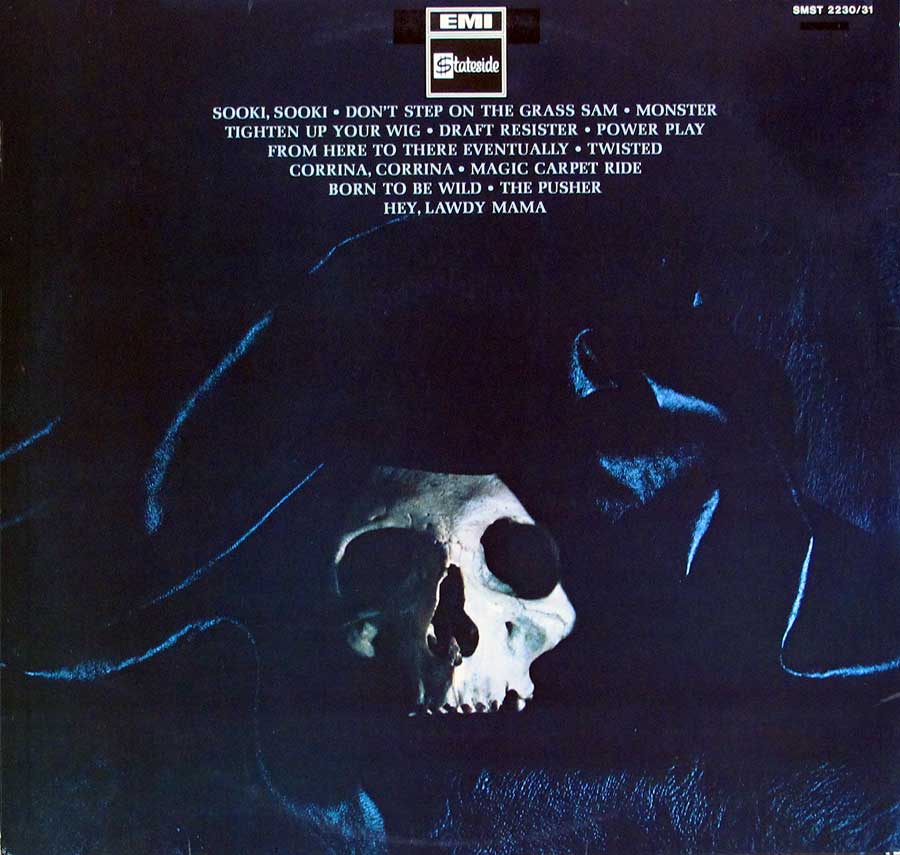
My 1980s music-journalist brain loves the drama, but my record-collector hands love the object: a gatefold double LP that weighs 470 grams and feels like you’re holding a whole night’s worth of noise. Drop the needle on Hey Lawdy Mama or Don’t Step on the Grass Sam, and the decades collapse — riffs still smelling faintly of sweat, denim, and that stubborn optimism only a real live band can justify.