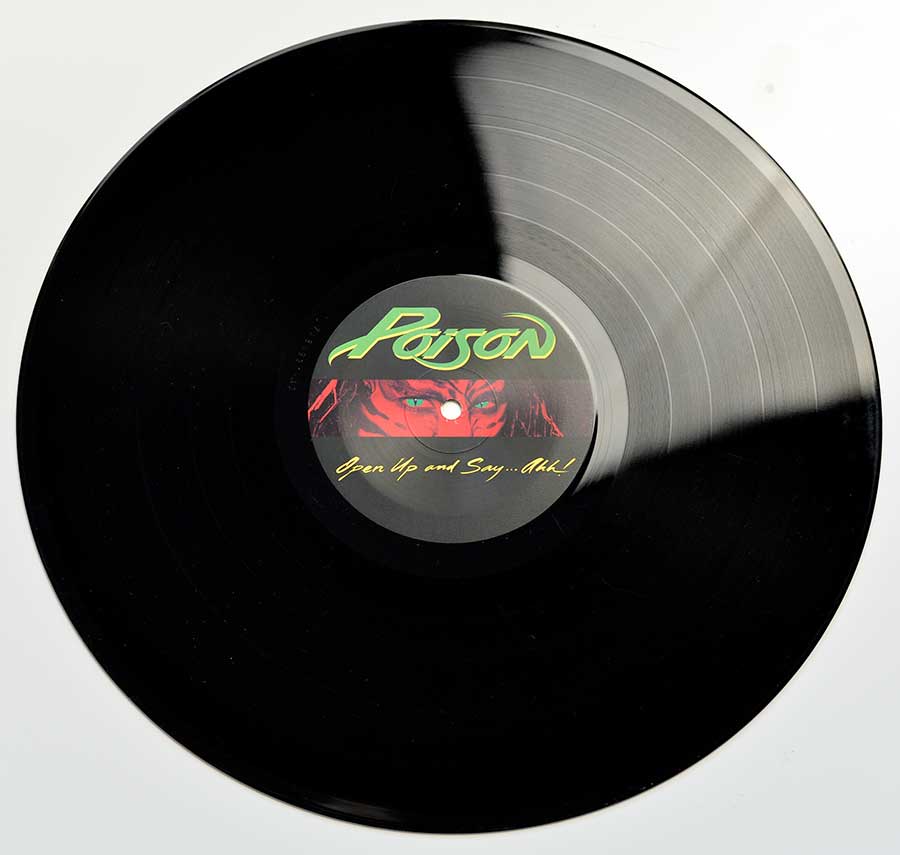
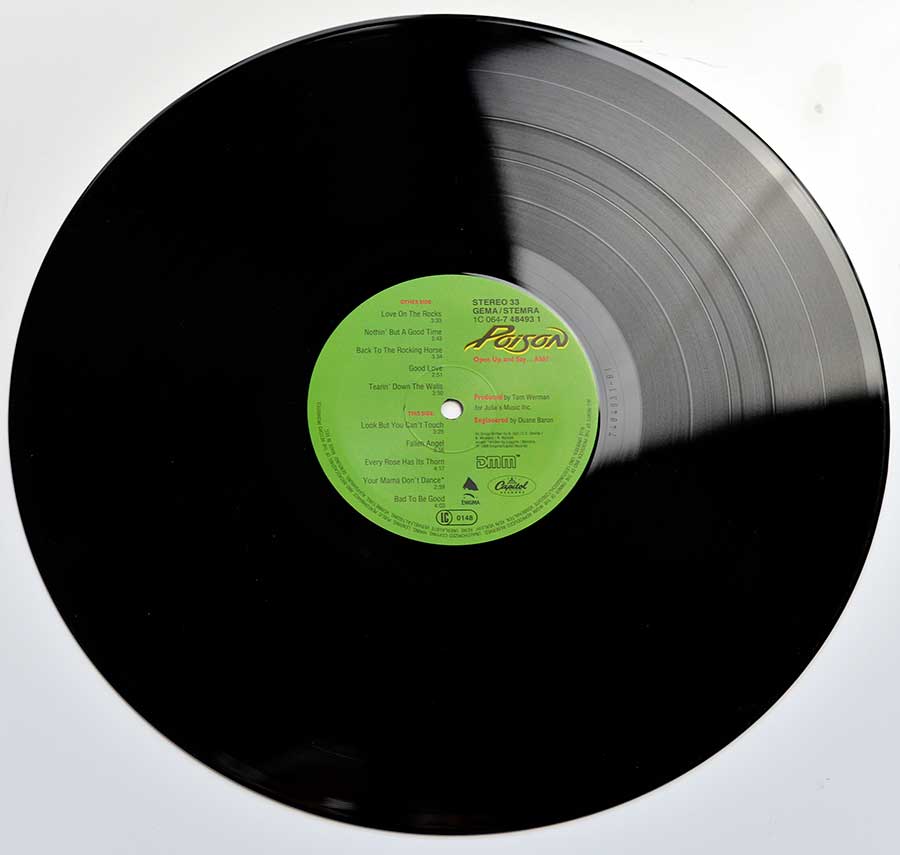
"Open Up and Say... Ahh!" (1988) Album Description:
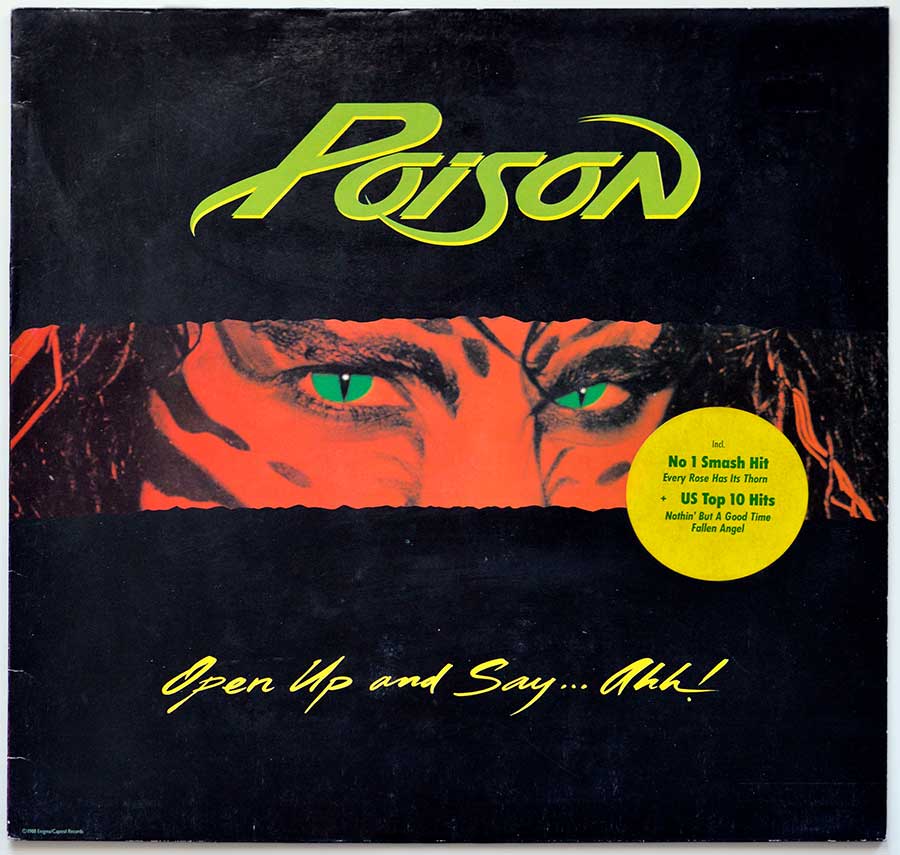
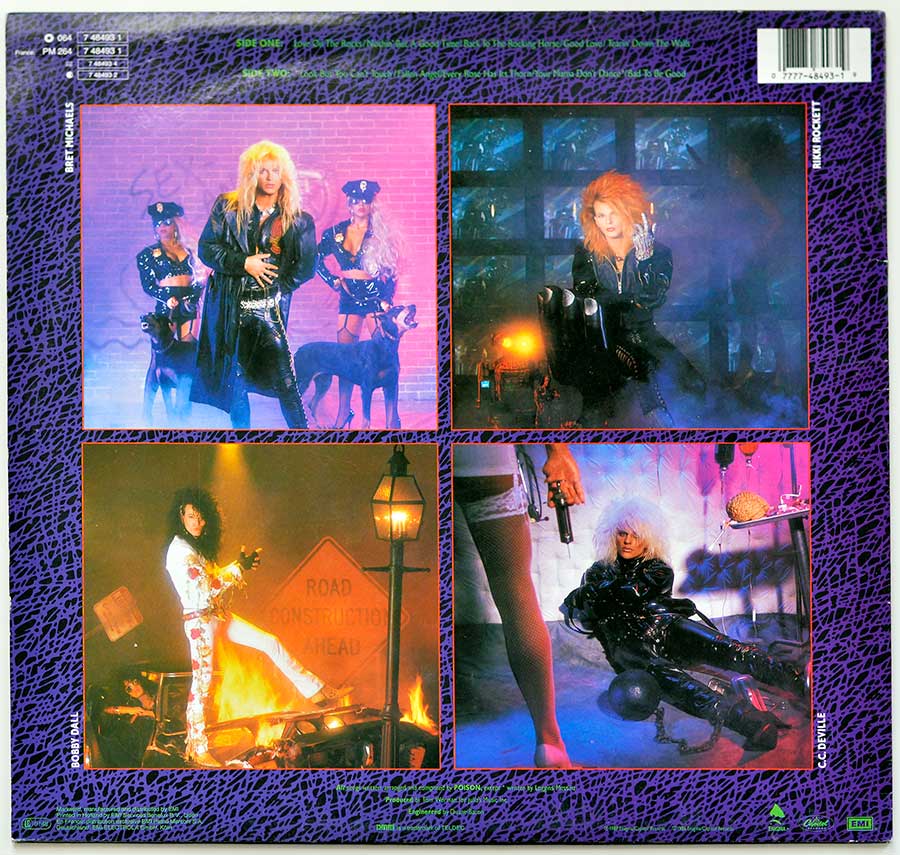
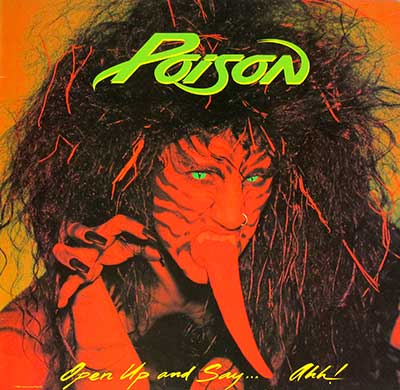
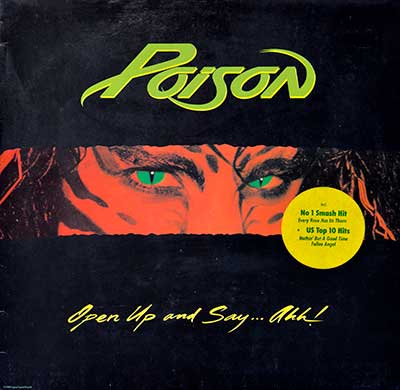
Poison didn’t just follow up their debut here—they cannonballed into the late-’80s mainstream with "Open Up and Say... Ahh!", a record built for loud rooms, loud hair, and louder sing-alongs. This specific Holland / Germany pressing adds its own collector twist with the infamous censored cover, like someone tried to PG-rate a party by throwing a black curtain over it. Either way, the grooves still grin back at you.
Introduction
"Open Up and Say... Ahh!" is Poison at the exact moment they realized hooks could hit as hard as riffs—and then they doubled down. It’s the kind of album that doesn’t ask permission; it kicks the door in, hands you a chorus, and dares you not to shout it back. Decades later, it still plays like a time capsule full of neon, denim, and extremely questionable confidence.
Historical and cultural context
In 1988, hard rock and glam metal were basically running a full-time job on radio and MTV, with big choruses competing for oxygen and ballads sneaking into the charts like guilty pleasures. The scene was shiny, loud, and a little ridiculous—exactly the point—and bands were expected to deliver “hits,” not just attitude. Poison fit right into that wave, but they did it with a wink and a street-level charm that still feels oddly human.
How the band came to record this album
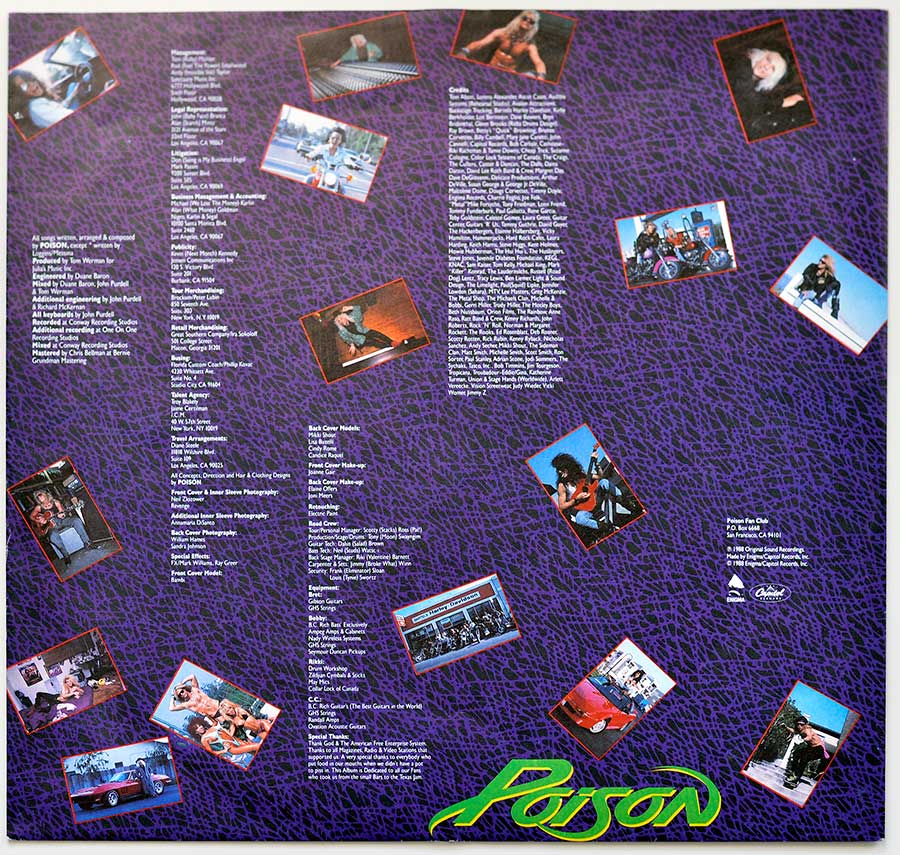
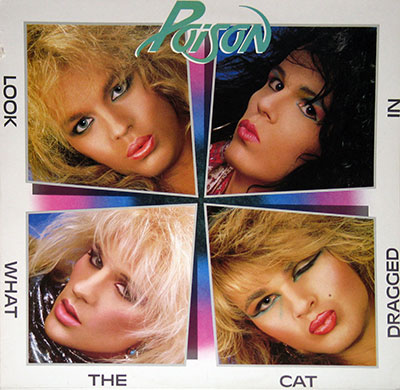
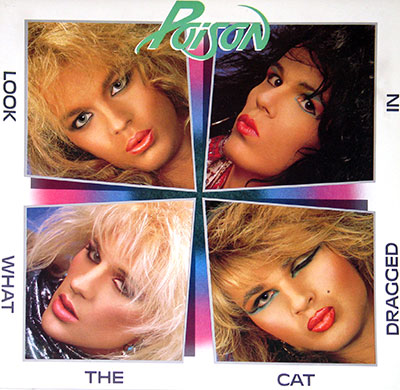
Coming off the momentum of "Look What the Cat Dragged In", the pressure wasn’t subtle: write bigger, sound bigger, sell bigger. That’s where Tom Werman enters the story—someone who knew how to turn a band’s raw energy into a stadium-friendly punch without sanding off all the troublemaker edges. With sessions tied to places like Conway Recording Studios and One on One Recording Studio, it’s got that late-’80s “we’re here to make a statement” sense of scale baked in.
The sound, songs, and musical direction
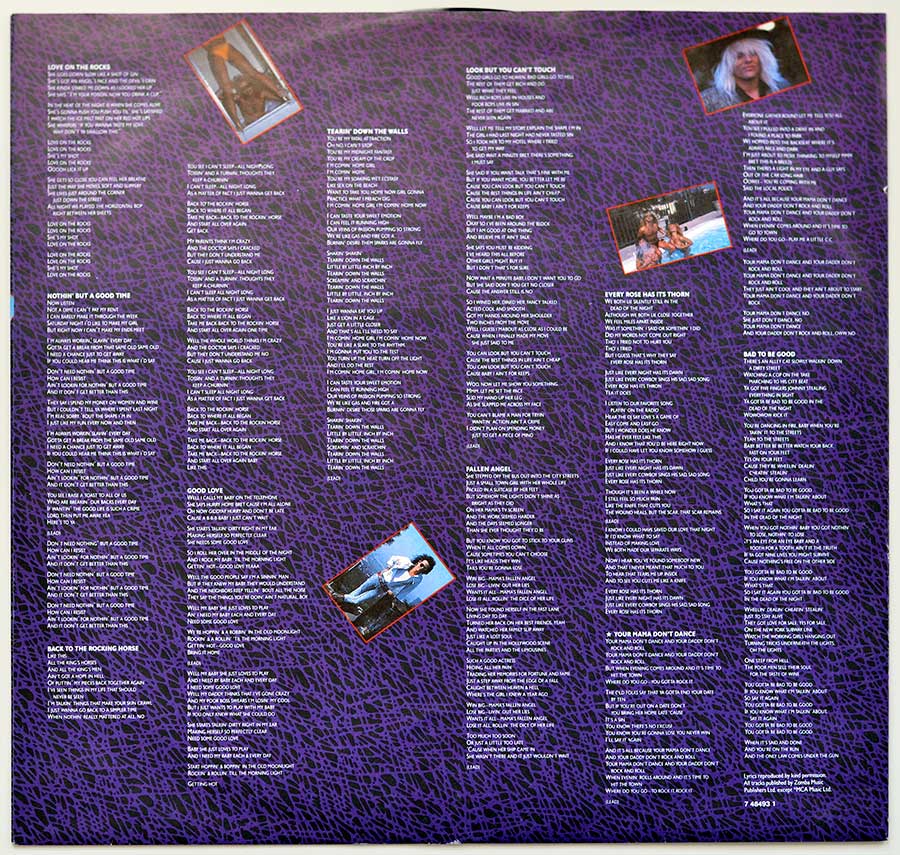
Sonically, this record lives on bright guitars, spring-loaded rhythms, and choruses engineered for maximum damage—in the fun way, not the hospital way. Songs like "Nothin' but a Good Time" and "Fallen Angel" are basically sugar-rush rock: fast, catchy, and impossible to ignore once they’re in your head. Then "Every Rose Has Its Thorn" shows the other side of the band—still glossy, still dramatic, but with that slow-burn emotional pull that made even tough guys pretend they had “dust in their eyes.”
Comparison to other albums in the same genre/year
If you drop this next to other 1988 heavy-hitters—think Bon Jovi’s "New Jersey", Guns N' Roses’ "GN'R Lies", Cinderella’s "Long Cold Winter", or Van Halen’s "OU812"—you can hear the same era-wide obsession with big moments and bigger hooks. What Poison brings that’s uniquely theirs is the grin: the sense that the band is in on the joke, even while they’re selling it like gospel. It’s less “cool pose” and more “party in progress,” and that’s why it aged better than some of its more self-serious peers.
Controversies or public reactions
The loudest controversy wasn’t even the music—it was the cover. Some retailers reportedly found the original artwork too “raunchy,” which is a very polite way of saying “people got nervous,” and that’s how you end up with a censored version that looks like it’s been grounded by a paintbrush. The funny part is that the censorship only added to the album’s legend; nothing sells rock & roll like someone trying to hide it.
Band dynamics and creative tensions
Albums like this don’t happen without a tightrope walk: stay dangerous enough to feel real, but polished enough to dominate airwaves. You can hear that balancing act in how the songs flip between swagger, sweetness, and pure cartoon-level fun—like four guys arguing in the studio, then agreeing on the chorus because the chorus pays the rent. The classic lineup—Bret Michaels, C.C. DeVille, Bobby Dall, and Rikki Rockett—sounds locked in, even when the vibe is half chaos, half calculation.
Critical reception and legacy
Back then, some critics treated glam metal like disposable party glitter; fans treated it like a lifestyle. This album ended up outlasting a lot of the sneering because the songwriting is simply built to stick—especially once "Every Rose Has Its Thorn" became a cultural flashlight song (you know the one: everybody suddenly has feelings). Today it’s widely regarded as a genre cornerstone, and on vinyl it still delivers that full-bodied, room-filling punch that streaming can only imitate.