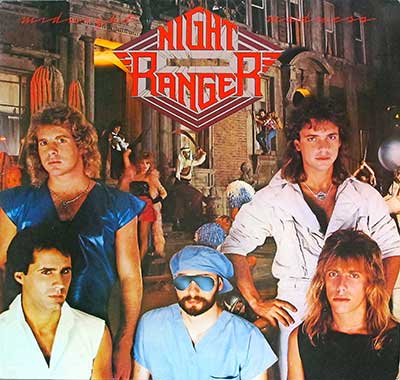
"Midnight Madness" (1983) Album Description:
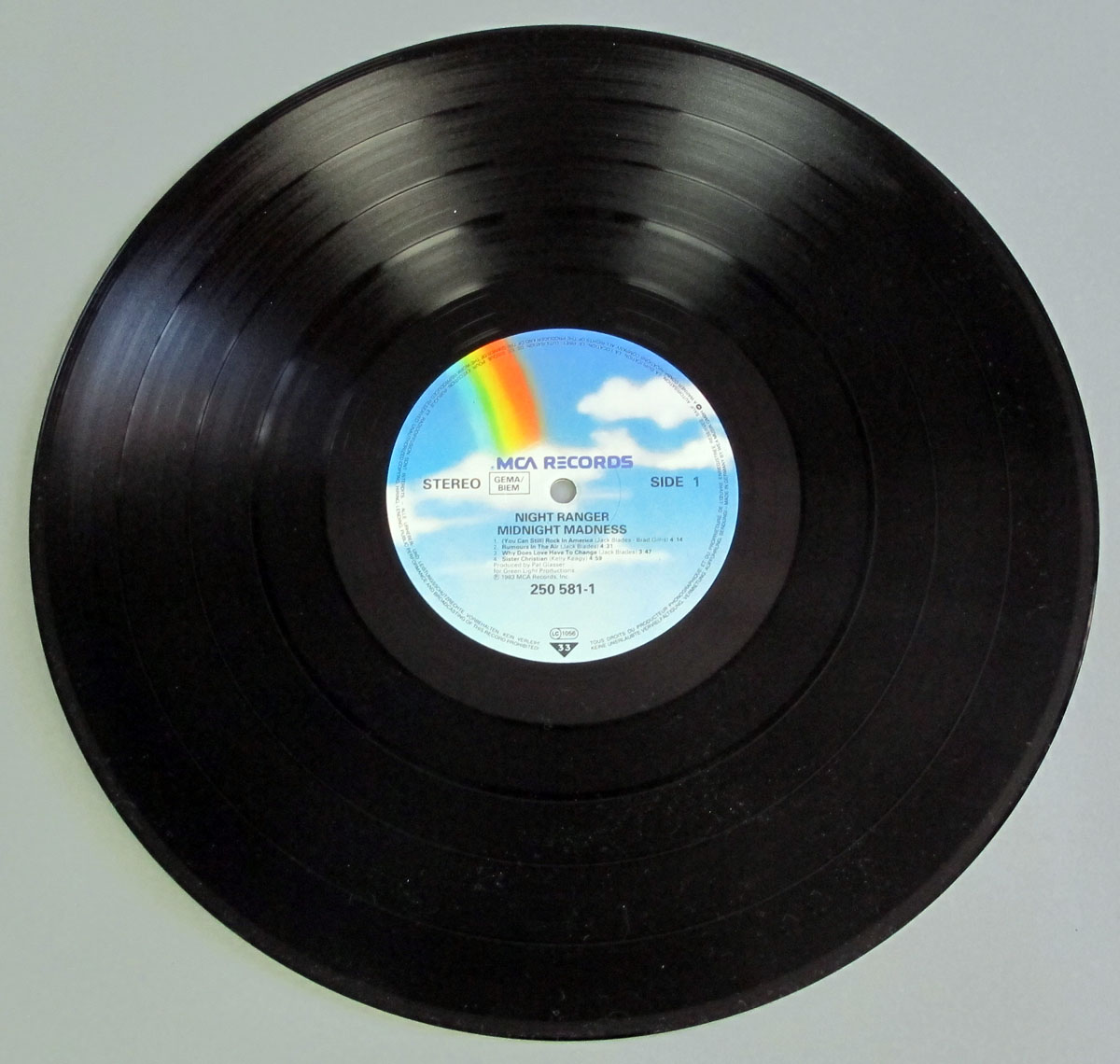
Night Ranger hit 1983 like they had a curfew to break and a chorus quota to meet, and "Midnight Madness" is the record where they stop being “that promising new band” and turn into a full-on arena-sized event. This German original (MCA 250 581, Made in Germany) captures the moment when the twin-guitar sparkle, stacked vocals, and big emotions finally line up in a way that sounds inevitable, like the decade itself just shrugged and said: “Yeah, we’re doing this now.”
Introduction on the band and the album
I always think of Night Ranger as that rare hard rock band that could punch and grin at the same time, and "Midnight Madness" is where that personality locks in. It is their second album, and it plays like a band that has already learned how to work a room, then learned how to work a radio station, and then decided to do both without apologizing.
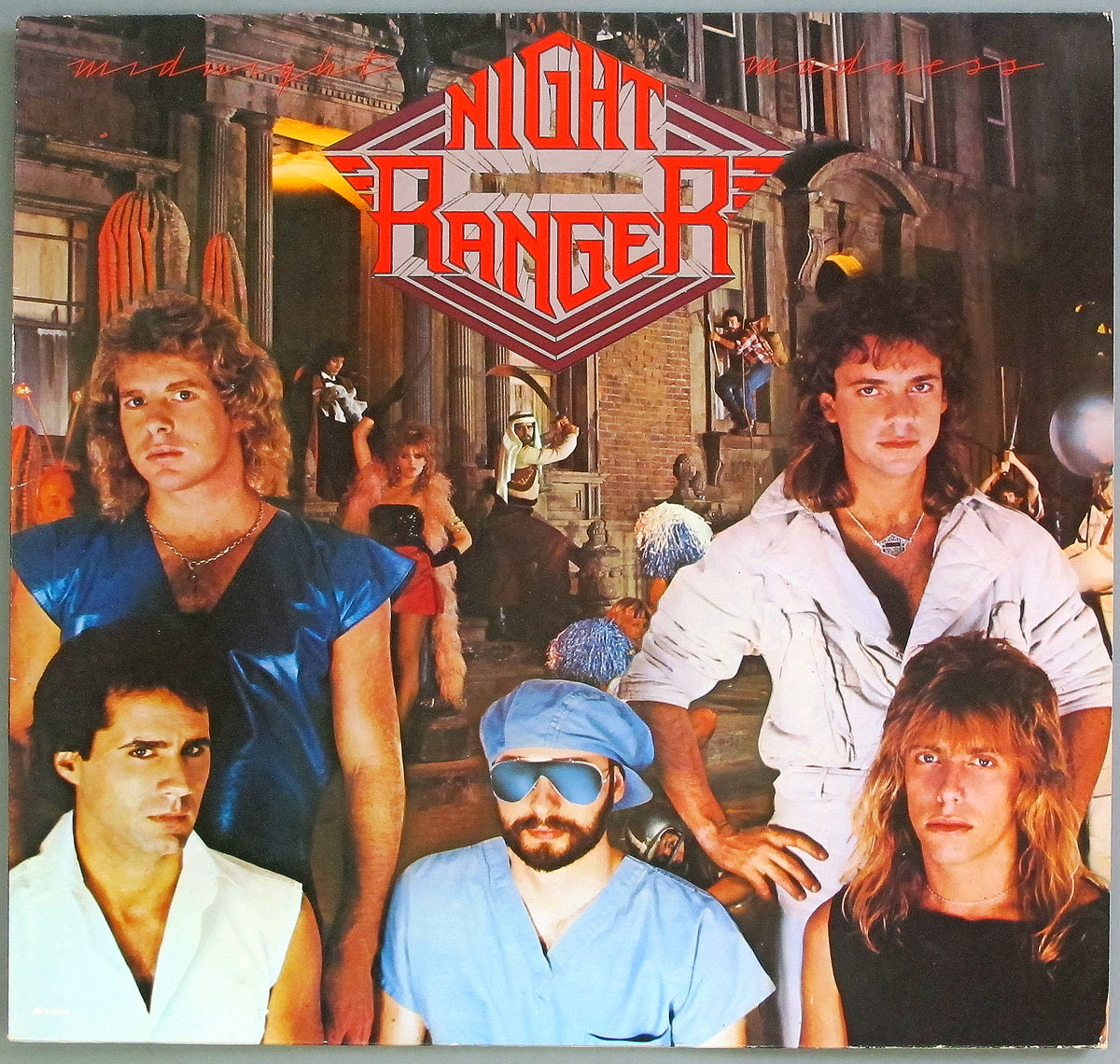
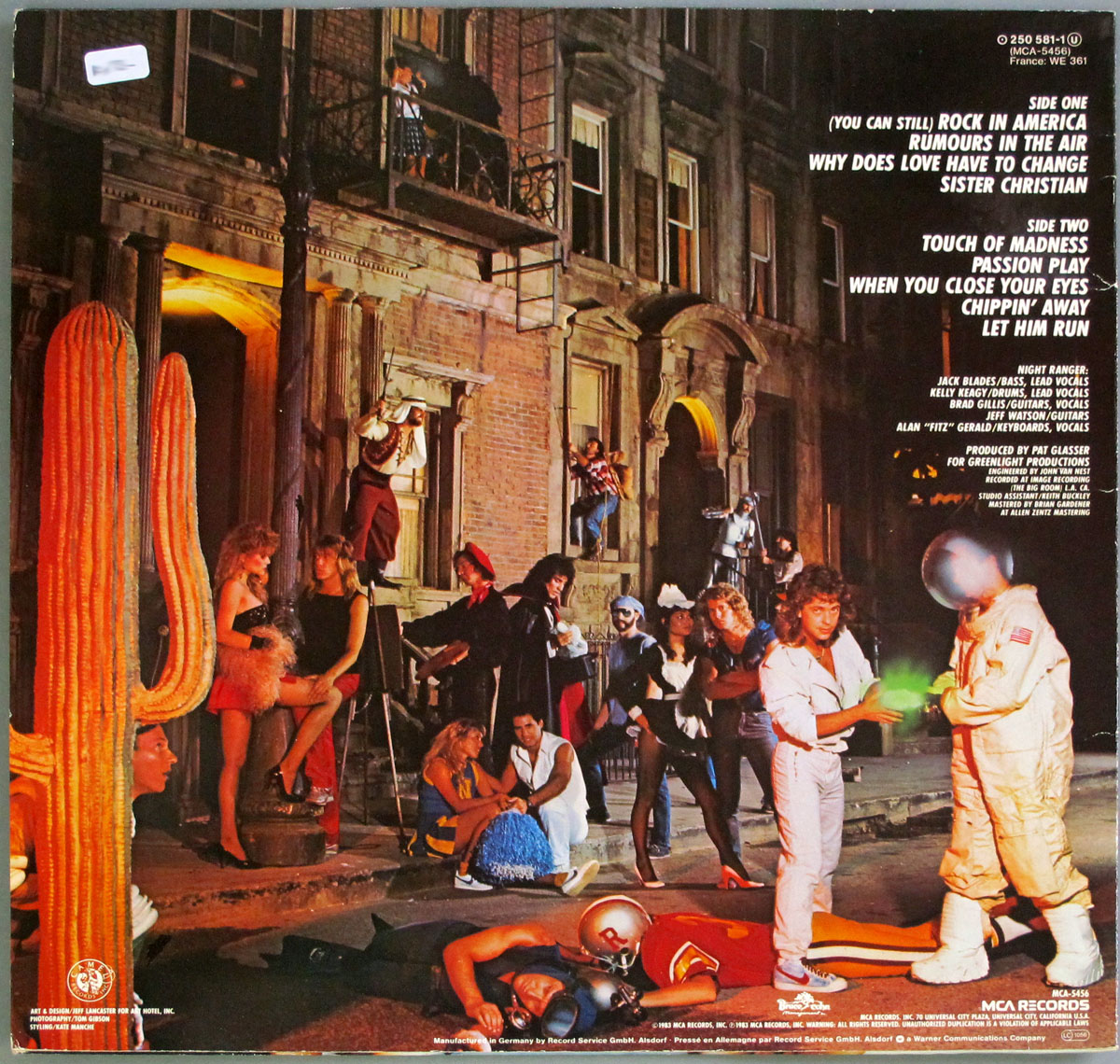
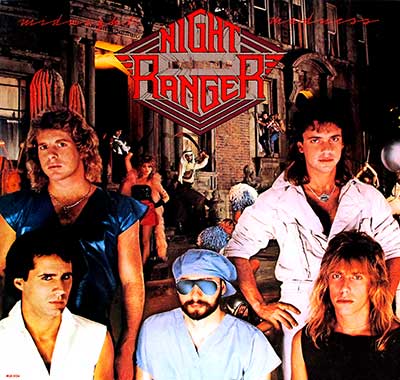
Even the packaging screams “1983 after dark,” with that chaotic street-theatre cover vibe that feels half music video, half costume party, and 100% committed to the bit. As a collector, I love when the visuals match the sound, and here the whole thing looks like it was lit by neon, hairspray, and questionable decisions.
Historical and cultural context
In 1983, hard rock was getting brighter, louder, and way more camera-aware, and the whole scene was learning to speak fluent MTV without losing its guitars. American bands were exporting that shiny, hook-heavy confidence into Europe, and Germany was absolutely in the mood for big choruses, bigger solos, and drama you could sing along with.
This is also a Cold War decade where nightlife culture, pop gloss, and loud escapism weren’t just entertainment, they were therapy with a backbeat. "Midnight Madness" fits that moment perfectly: it is restless, romantic, and wired, like the soundtrack to staying out too late because tomorrow feels complicated.
How the band came to record this album
You can hear a band that has been out on the road, tightening the bolts, testing which parts of the show get the biggest reaction, and bringing that confidence back into the studio. "Midnight Madness" doesn’t sound like a debut scramble; it sounds like a plan executed by people who know exactly where the spotlight is going to hit.
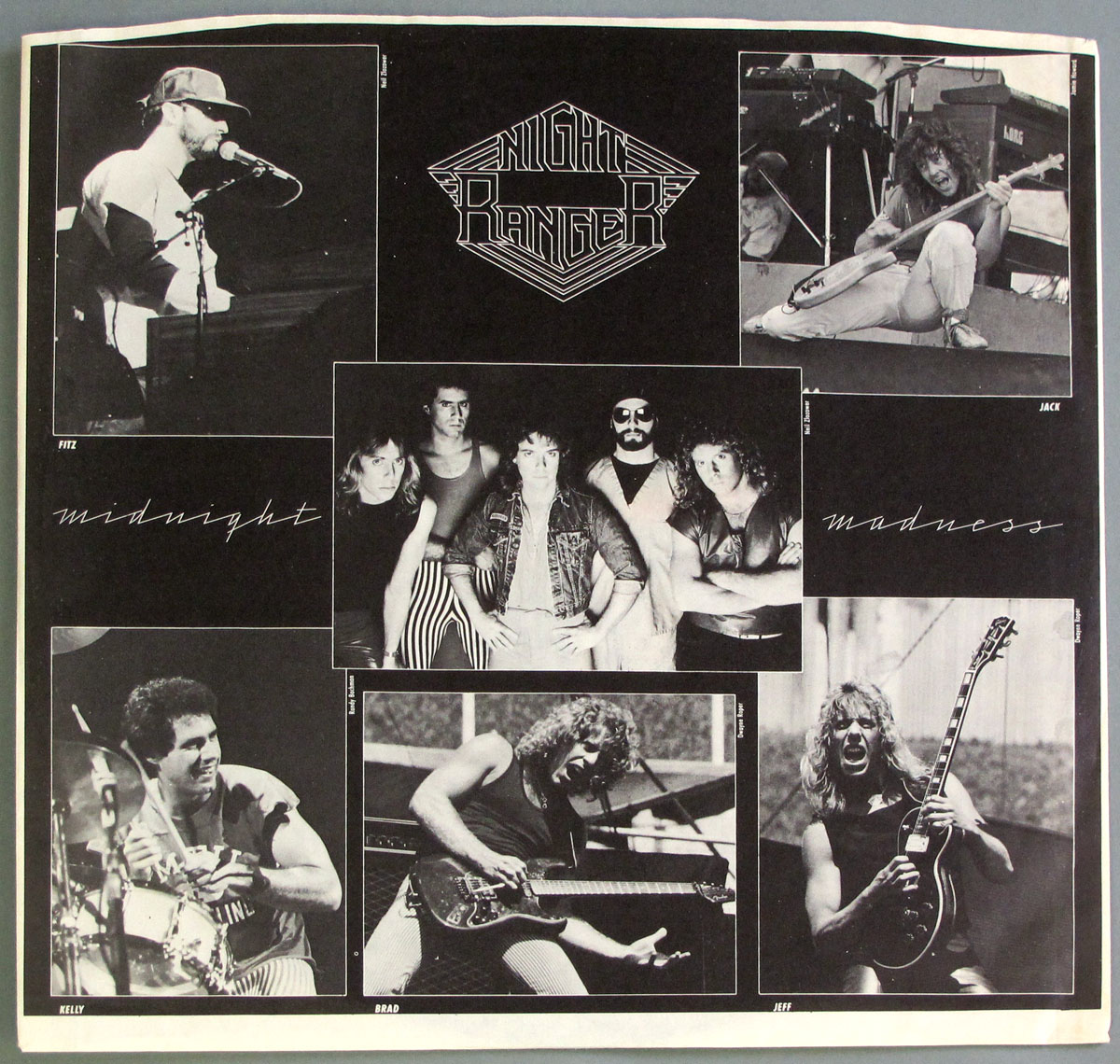
The line-up chemistry matters here because Night Ranger isn’t a “one frontman, everyone else behaves” situation. With shared vocal firepower and two guitars designed for maximum melodic impact, the album feels like five people trying to be memorable at the same time, and somehow not tripping over each other.
The sound, songs, and musical direction
Sonically, this is American hard rock with an AOR brain and a street-fight heart: chunky riffs, polished harmonies, and that satisfying 80s sense of space where every chorus gets a little wider. The guitars don’t just riff, they talk over each other like best friends arguing in perfect harmony.
The album’s emotional center is "Sister Christian", a piano-led slow burn that builds from vulnerable to stadium-sized without losing its human core. It is the kind of power ballad that makes tough guys suddenly stare at the floor like they “have something in their eye,” and the payoff is pure 1980s cinematic release.
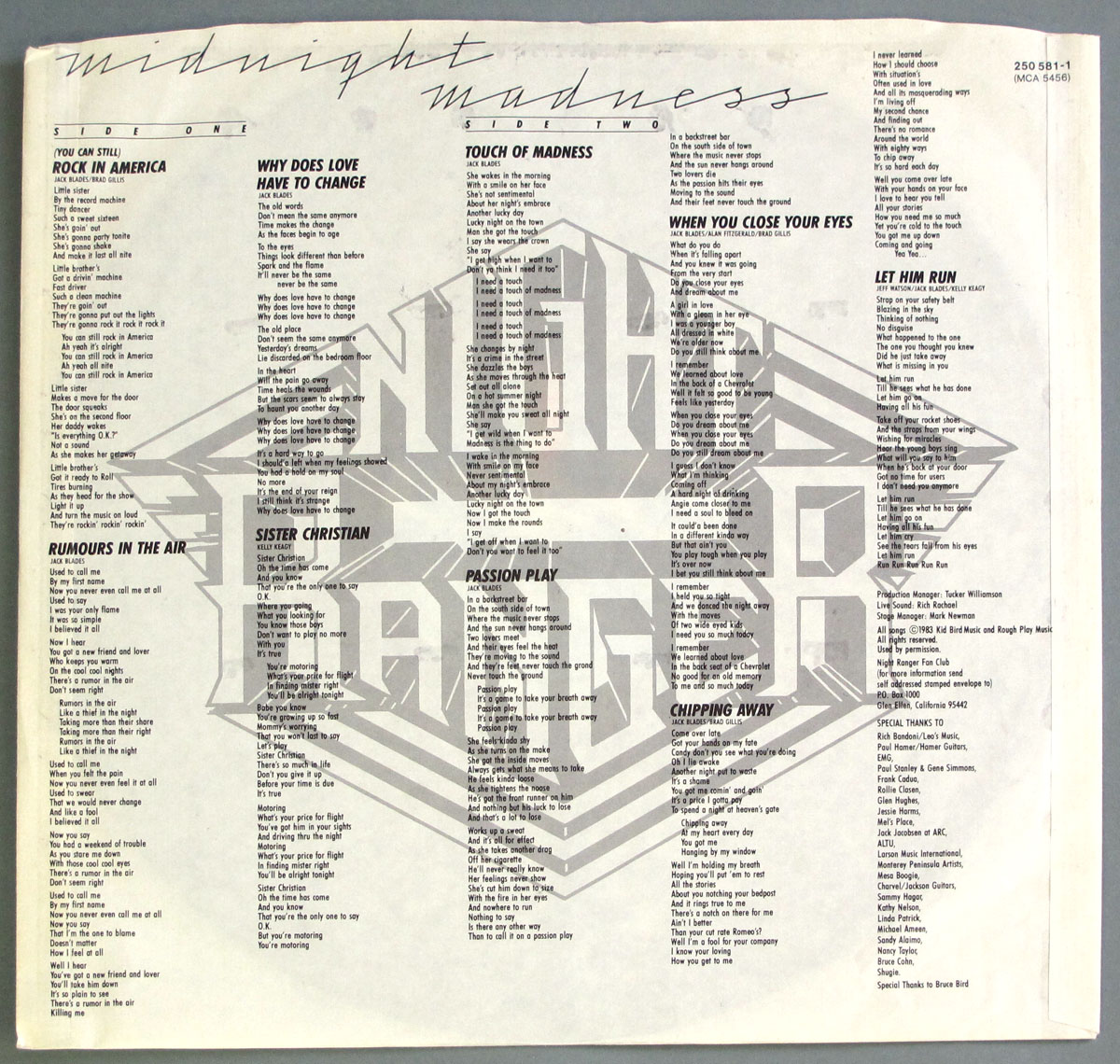
When the record wants to run, it bolts, and "(You Can Still) Rock in America" is the flag-waver with sneakers on. On this page’s credits, Glenn Hughes even drops in with backing vocals on that track, which is the kind of cameo that feels like a wink from the wider rock universe.
Comparison to other albums in the same genre/year
In the same year that hard rock was sharpening its pop instincts on records like Def Leppard’s "Pyromania", Dio’s "Holy Diver", and Quiet Riot’s "Metal Health", Night Ranger landed in a sweet spot: flashy enough to shine, tough enough to bite. They didn’t chase heaviness for its own sake, and they didn’t sand down the guitars into pure pop either.
What Night Ranger brings that a lot of 1983 competitors don’t is the combination of dual-lead energy and genuinely singable emotional writing. It is hard rock that remembers to be melodic, and melody that remembers to keep its boots on.
Controversies or public reactions
There isn’t a big scandal attached to "Midnight Madness", unless you count the eternal rock argument where someone yells “sellout” the moment a chorus gets catchy. A power ballad like "Sister Christian" will always split the room: some people call it soft, others just turn it up and suddenly discover they have feelings.
Band dynamics and creative tensions
The real tension here is creative, not tabloid: how do you keep a hard rock edge while writing songs that could survive outside the club? Night Ranger solves it by letting the guitars stay proud and loud while the vocals handle the emotional heavy lifting, which is harder than it sounds and way easier to mess up.
You can feel the push-and-pull between “riff first” and “hook first,” and that friction is part of why the album breathes. It is not a cold, perfect machine; it is five musicians trying to land the same punchline at the same time, and usually nailing it.
Critical reception and legacy
This album became the band’s breakthrough moment, and the songs have stayed in rotation because they’re built like durable furniture: solid frames, loud finish, and no shame about being useful. Decades later, "Sister Christian" and "(You Can Still) Rock in America" still hit that sweet nerve where nostalgia meets adrenaline.
As a German pressing, this one has extra collector appeal baked into the object itself: MCA 250 581, the Made in Germany manufacture note, and the inner sleeve presentation that makes the whole package feel complete in your hands. It’s the kind of copy you keep not just because of the music, but because the physical thing feels like it belongs to the era it came from.