Bob Daisley is the kind of bassist I learned to read liner notes for. Born in Sydney in 1950, he cut his teeth with Kahvas Jute before landing in England and wiring himself into hard rock history. He locked in with Widowmaker in 1975–76, then slid into Rainbow during 1977–78, right when the dragons still breathed fire. But it was 1979–1981 with Ozzy Osbourne that sealed it: I heard his fingerprints all over “Blizzard of Ozz” and “Diary of a Madman,” not just bass lines but lyrics and structure. He later returned to Ozzy (1983–84, 1989–90) and worked with Uriah Heep (1979–81), Gary Moore, and Black Sabbath’s orbit. Solid, sharp, unflashy. The spine in the storm.
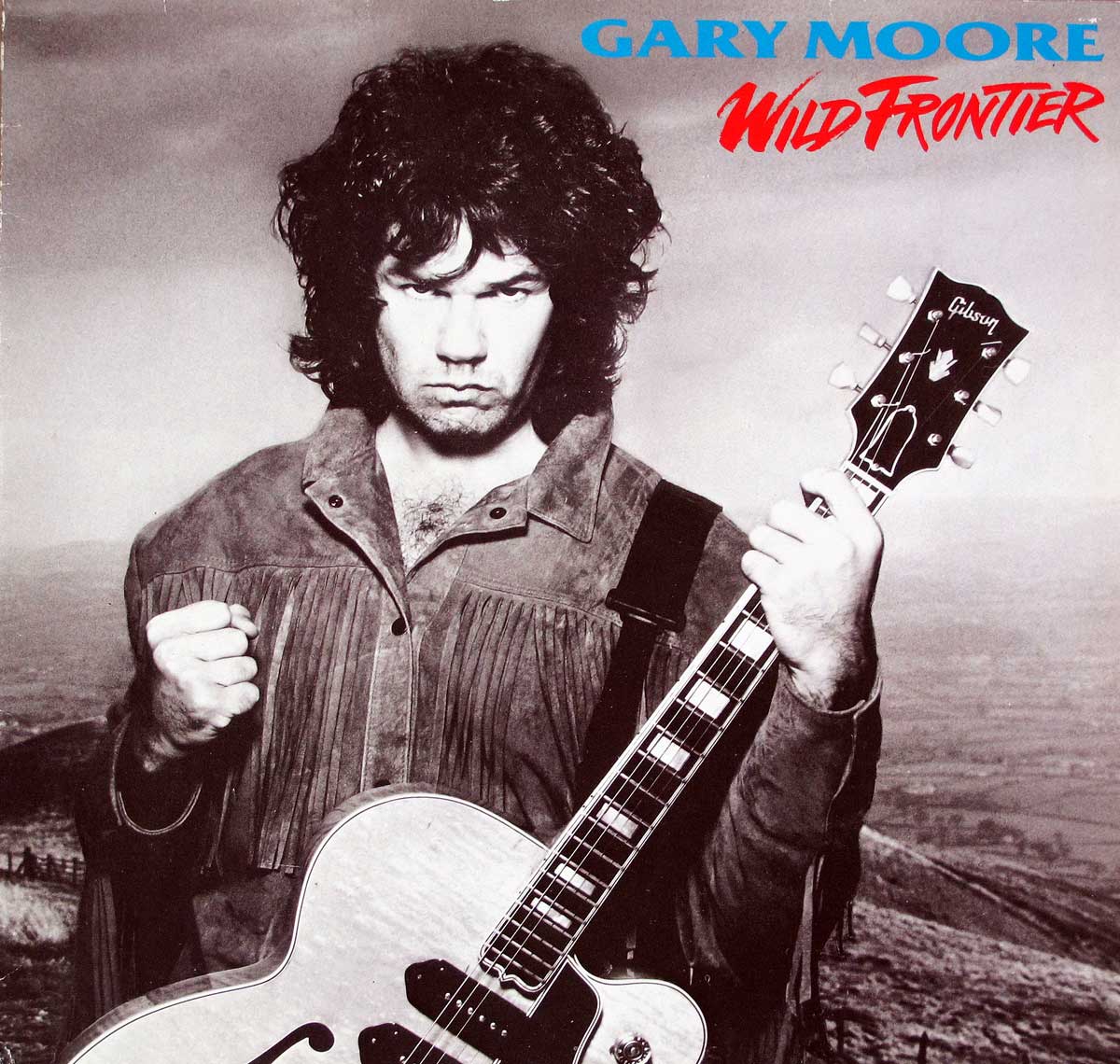
Gary Moore - Wild Frontier 12" Vinyl LP Album
-
Gary Moore's "Wild Frontier" (1987) marked a return to his Belfast roots, infusing his blues-rock style with Celtic melodies. The album explores themes of Ireland's struggles and personal introspection. Moore's iconic guitar work and vocals shine, particularly on "Over the Hills and Far Away." His use of a drum machine fueled debate, but "Wild Frontier" solidifies his legacy as a master of weaving rock power with traditional soundscapes.