How Anvil’s "Metal on Metal" Hit Like a Jackhammer — The 1982 Speed-Metal Record Thrash Kids Pretend They Invented
I didn’t “discover” Anvil in some heroic way. I stumbled into "Metal on Metal" the way you find most good records: half by accident, half because the cover looked like it wanted to fight me. Later, everyone started acting like speed and attitude were patented in California. Cute. This thing was already out there in Canada, released on Attic on 15 April 1982, and it didn’t ask permission.
Canadian Steel, No Apologies
It was recorded in January–February 1982 at Phase One Studios in Toronto, with Chris Tsangarides behind the console. And you can hear that choice immediately: not slick, not polite, not “radio-ready.” It’s the sound of a band pushing the faders into the red and smiling while it happens.
The trio lineup matters here: Steve “Lips” Kudlow on vocals/guitar, Glenn Gauthier on bass, Robb Reiner on drums. No extra bodies, no safety net. Just three people locking in and swinging. That’s why the riffs feel like blunt objects instead of “arrangements.”
Where the Speed Starts to Bite
The title track doesn’t “set a blueprint.” It throws a challenge. Same with “Jackhammer” — it doesn’t pose, it lunges. And “March of the Crabs” has that stomp-and-sprint rhythm that later bands would clean up, sharpen, and market as something new. I’m not saying thrash was born here. I’m saying this record kept leaving fingerprints on the tools.
The funny part is how the album feels both tough and slightly goofy — in a human way. Lips has that grin-in-the-voice thing, the kind that reminds you metal used to be about nerves and noise and showing up, not just branding and “era-defining statements.” It’s heavy, sure. It’s also alive.
Metallica, the Documentary, and the Awkward Truth
The influence story gets repeated so often it turns into a slogan. The cleaner, provable bit: the 2008 documentary "Anvil! The Story of Anvil" lines up a whole parade of famous admirers (including Lars Ulrich) talking about what the band meant to them. That’s not mythology — that’s footage. And it’s oddly satisfying watching major names admit they were fans first, gatekeepers later.
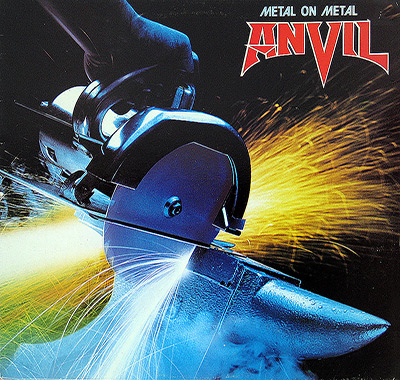
Another real-world detail I love: the cover art. It won the 1983 Juno Award for Best Album Graphics. Not because it’s “important,” but because it looks exactly like the music sounds: hard edges, chrome glare, zero interest in being tasteful.
Why It Still Works on Vinyl
On a turntable, "Metal on Metal" has that early-’80s muscle: loud transients, dry punches, and a little grit that feels earned, not “vintage-modeled.” You don’t listen to it to be educated. You listen because it wakes the room up. Sometimes it even wakes you up. Annoying, really.
References
- Wikipedia — "Metal on Metal" (release date, studio, producer, credits)
- Encyclopaedia Metallum — recording details & identifiers (incl. LAT 1130)
- Discogs — master release overview (pressings/cat. numbers vary by country)
- Wikipedia — "Anvil! The Story of Anvil" (2008 documentary, featured interviewees)
Collector’s Note: For original Canadian vinyl, watch for Attic with catalogue number LAT 1130. Pressing details vary across countries and reissues, so I treat “definitive” claims like I treat hype stickers: entertaining, occasionally useful, and not legally binding.