Grateful Dead: The Legacy of the Legendary Band:
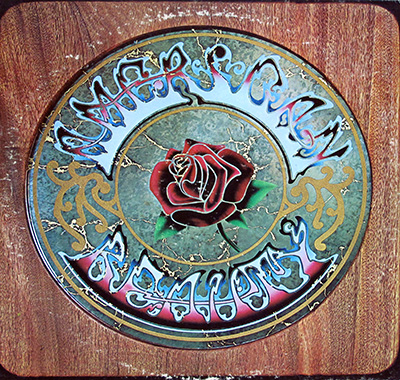
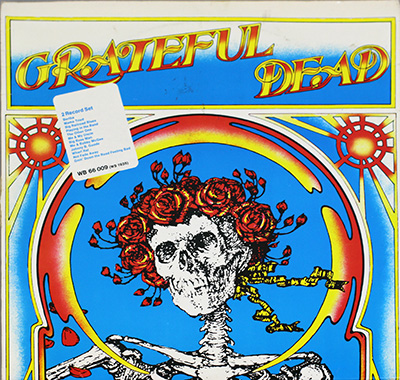
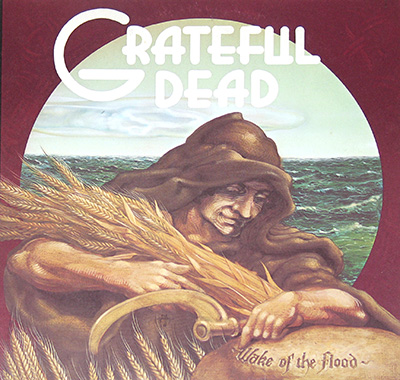
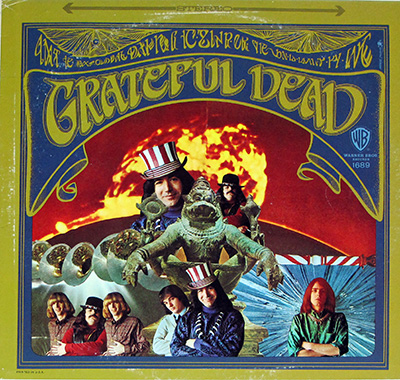
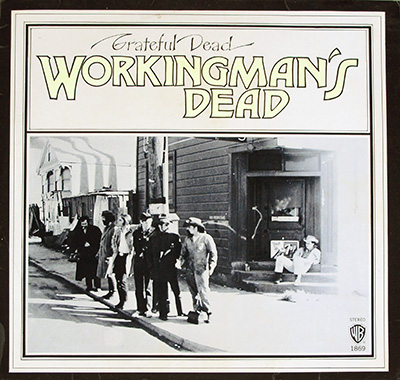
Grateful Dead was an American rock band formed in 1965 in Palo Alto, California (they started out under the name The Warlocks). The band became famous for marathon improvisation and a genre mash-up that pulled from rock, folk, blues, country, and jazz, all filtered through the psychedelic era that basically melted everyone’s brains in the late 1960s and beyond.
The original core lineup was Jerry Garcia, Bob Weir, Ron “Pigpen” McKernan, Phil Lesh, and drummer Bill Kreutzmann. Mickey Hart joined later in September 1967, giving the band their “two drummers” era — but he left in February 1971 and returned in October 1974, so he wasn’t continuously in the group throughout the whole run.
Grateful Dead’s music was built for the stage: long jams, nightly reinvention, and setlists that treated songs like launchpads instead of museum pieces. Their concerts became legendary experiences, and their fans — the “Deadheads” — formed one of the most dedicated followings in American music history.
Musically, they drew heavily from blues and folk traditions, but they never stayed in one lane. The band’s sound evolved through multiple lineups and eras (including key members like keyboardists Tom Constanten, Keith Godchaux, Brent Mydland, and Vince Welnick), while the live improvisation remained the beating heart of what they did.
After Jerry Garcia’s death in 1995, the Grateful Dead ended as an active band. The surviving members continued performing in various later projects and reunions, keeping the music alive without pretending it was still the exact same thing.
Grateful Dead’s legacy isn’t just a pile of albums — it’s a whole ecosystem: the jam-band blueprint, the touring culture, the taping/trading community, and the idea that a rock show can be a one-night-only experiment. Whether you’re in it for the songs, the solos, or the weird beautiful scene around it, the ripple effect is still very much happening.