"If It's Loud, We're Proud" (1983) Album Description:
Introduction
If It's Loud, We're Proud landed in 1983 like a clenched fist wrapped in cheap denim, a split mini-LP that captured Belgian heavy metal right before it either leveled up or burned out. This wasn’t about polish or crossover dreams — it was about volume, conviction, and getting these bands onto wax while the amps were still smoking. Listening now, it feels less like a compilation and more like a time capsule with bruises.
Historical and Cultural Context
In early-80s Belgium, heavy metal lived in rehearsal rooms, youth clubs, and small labels like Mausoleum Records that moved faster than the majors ever would. 1983 was peak underground momentum: NWOBHM was booming across the Channel, Germany was sharpening its steel, and Belgian bands were done waiting for permission. This record sits right in that moment where ambition outran infrastructure — and that tension is half the charm.
How This Record Came Together
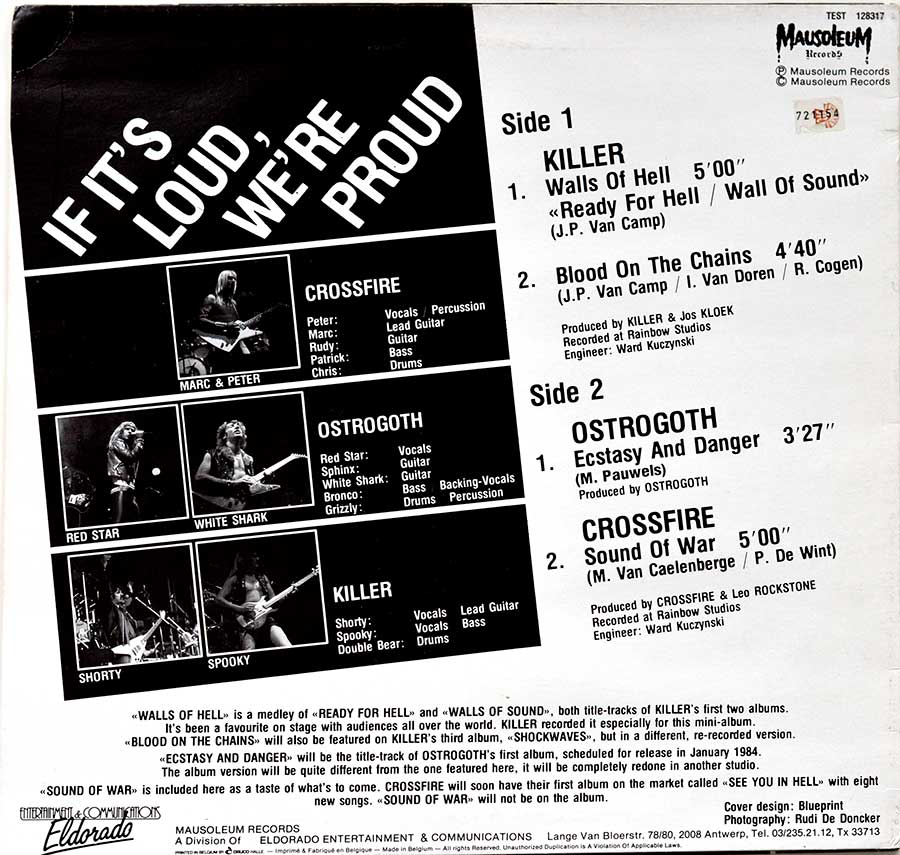
This mini-LP exists because Mausoleum had several bands under contract and enough sense to put them on one slab of vinyl instead of gambling on full albums. Killer, Ostrogoth, and Crossfire were all pushing forward, touring hard, writing fast, and recording whenever studio time could be scraped together. The result feels immediate, almost impatient, like everyone knew the clock was ticking.
The Sound, Songs, and Direction
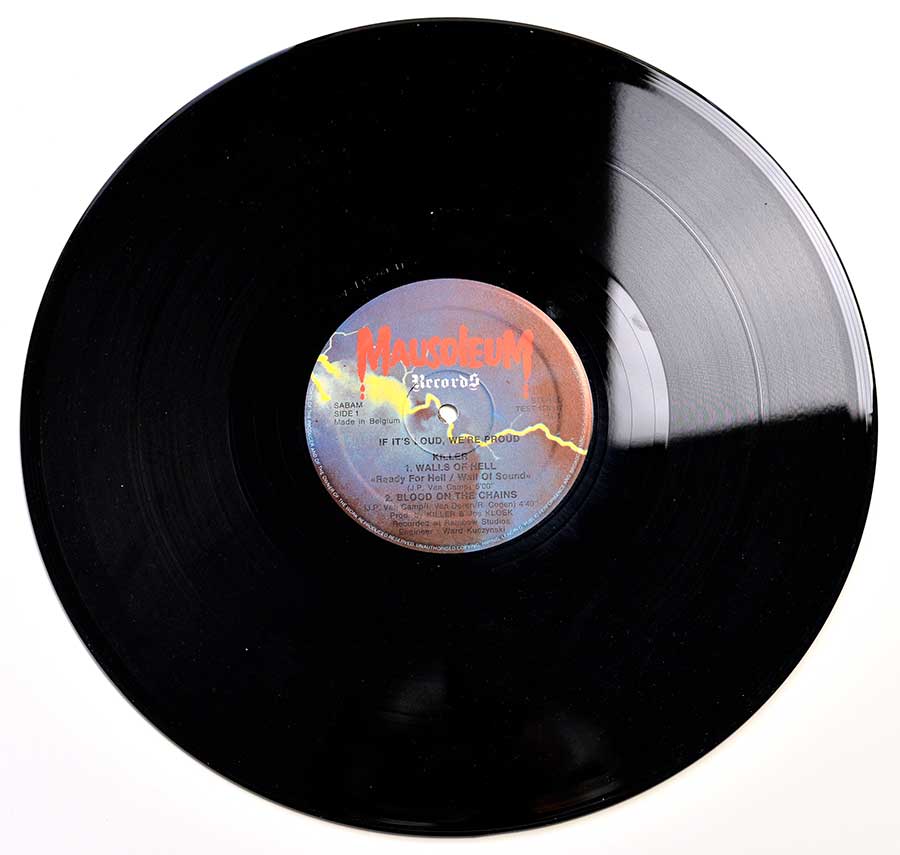
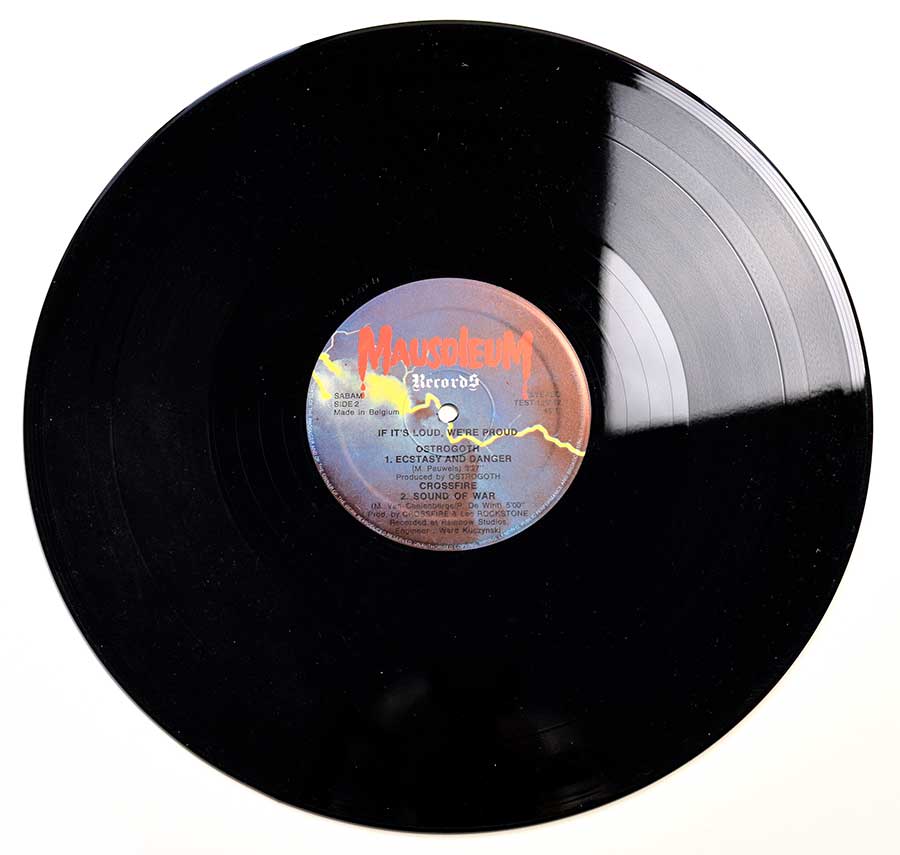
Sonically, this is raw European heavy metal with no safety rails: sharp riffs, galloping rhythms, and vocals that sound like they were recorded five minutes after rehearsal ended. Walls Of Hell and Blood On The Chains hit with pure speed and grit, while Ecstasy And Danger and Sound Of War widen the frame with darker moods and heavier stomp. It’s not refined — it’s honest, and loud on purpose.
Placed Among Its Peers
In the same year that Europe was absorbing records like Killers by Iron Maiden or Metal Heart was still a year away, this EP feels closer to rehearsal-room realism than arena ambition. Compared to slicker UK releases, it’s rougher; compared to German precision, it’s more reckless. What these bands brought was urgency — less strategy, more sweat.
Controversies or Public Reactions
No real scandals here, unless you count critics who dismissed compilations as filler. Some probably shrugged and waited for full albums, others turned it up and got the point immediately. Calling this a “sampler” misses the mark — it’s more like a warning shot from a scene that refused to stay local.
Band Dynamics and Creative Tensions
You can hear bands still defining themselves, balancing speed against heaviness, ambition against limited resources. These tracks feel like statements made mid-stride, not final answers. That restless energy is baked into the grooves, and it’s why none of this sounds cautious or overthought.
Critical Reception and Legacy
At the time, this record quietly did its job: spreading names, proving Belgium had something worth exporting. Decades later, collectors treat it with more respect than it ever got in reviews, because it documents a scene before hindsight smoothed the edges. It’s not flawless, but it’s real — and that counts for more.