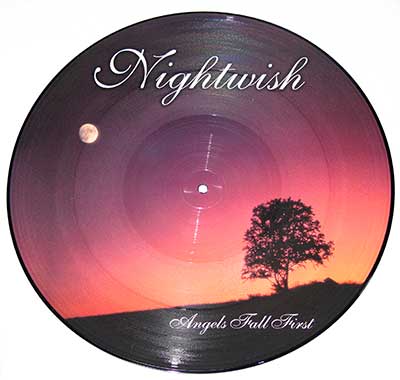
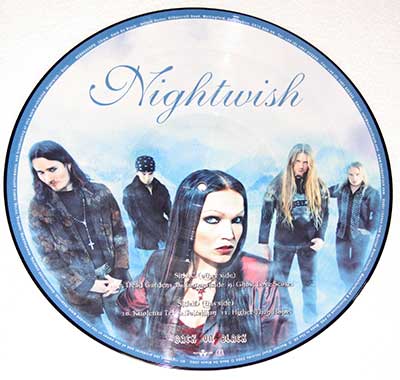
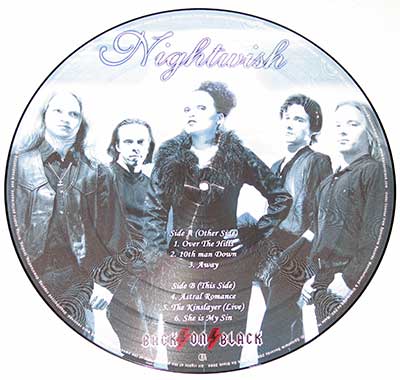
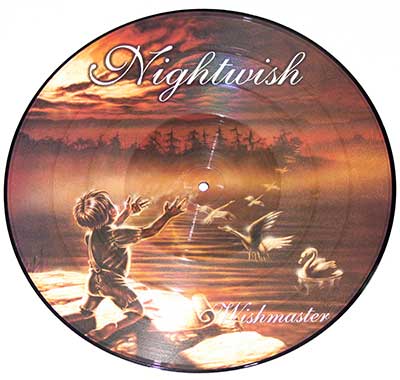
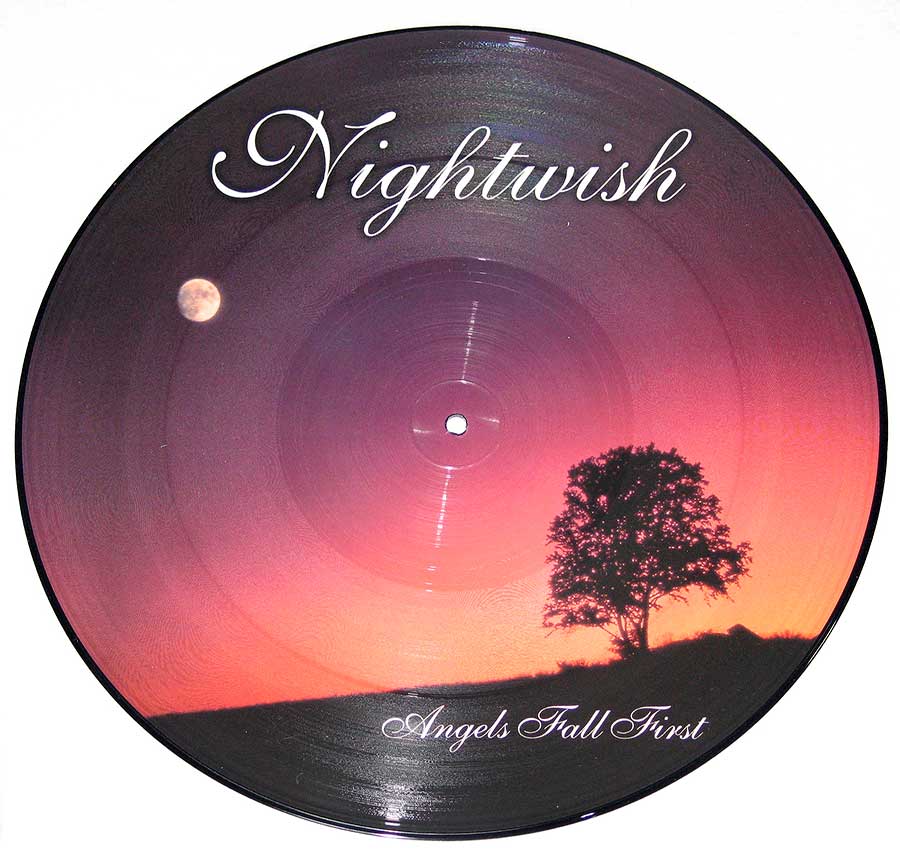
"Angels Fall First" (1997) Album Description:
Nightwish did not arrive in 1997 fully formed; they arrived hungry, theatrical, and already thinking in widescreen. "Angels Fall First" is the debut where symphonic metal is still half-dream, half-dare, with Tarja Turunen's classically trained voice sitting on top of riff grit and keyboard fog like it belongs there. It is scrappy in spots, bold in others, and it makes the important promise: this band is going to build cathedrals out of amps.
Where Finland Was in 1997
Finland in the late 1990s was rebuilding confidence after the bruising early-decade recession and settling into a new European identity after joining the EU in 1995. For young musicians, the cultural mood was a mix of discipline and escape: long winters, small-town ceilings, and a national talent for turning gloom into precision. Metal thrived because it gave that pressure a soundstage.
What Metal Was Doing That Year
In 1997, Finnish heavy music was splitting into sharp new lanes: power metal chased speed and melody, extreme metal got more technical, and a cinematic strain of keyboard-driven metal was starting to look inevitable. You can hear a scene learning to compete internationally without sanding off its frostbite. Nightwish were not alone, but they were early in making the symphonic angle feel like the point, not decoration.
So What Is This Genre, Really?
Symphonic metal is basically metal that refuses to stay in the garage: it borrows the drama, harmony, and arrangement thinking of classical music and treats keyboards like an orchestra, not a background pad. Power metal contributes the gallop and the bright, forward momentum, while gothic shading adds the nocturnal mood. In 1997, this blend still felt experimental, which is why "Angels Fall First" sometimes sounds like it is discovering itself in real time.
Peers in the Same Neighborhood
Across Europe, bands like Therion were already pushing operatic and choral weight into metal, while the gothic side was developing its own stagecraft and romantic darkness. The Netherlands and Scandinavia were feeding the same appetite for melody plus atmosphere, even if everybody argued about labels. Nightwish's twist was making the keyboard-led storytelling feel central and letting the vocal become the lead instrument, not just the singer.
Formation and the Early Lineup
Nightwish began in 1996 in Kitee as Tuomas Holopainen's project, initially built around acoustic textures and mood more than pure volume. Emppu Vuorinen and Tarja Turunen completed the core triangle, and drummer Jukka Nevalainen locked the music into a more metal frame as the idea expanded. The early period is all momentum: a demo becomes a band, a band becomes a recording plan, and the aesthetic becomes a world.
Key People Behind the Recording
Holopainen and the band handled production, which matters because this record sounds like a group controlling its own mythmaking from the first chapter. Engineer Tero Kinnunen captured it at Huvikeskus in Kitee, keeping the sound clear enough for the keyboards to matter and tough enough for the guitars to still bite. In a genre that can drown in gloss, this one wears its learning curves openly.
Musical Exploration: What They Tried and Why It Works
The album moves between punchy metal drive and folk-tinged, scenic detours, as if the band is testing how far it can stretch the frame without tearing it. The keyboards are not just atmosphere; they outline scenes and mood shifts, the way film scoring does. Turunen's voice supplies the contrast: operatic clarity against distorted texture, beauty used like a blade.
How the Songs Tell the Story
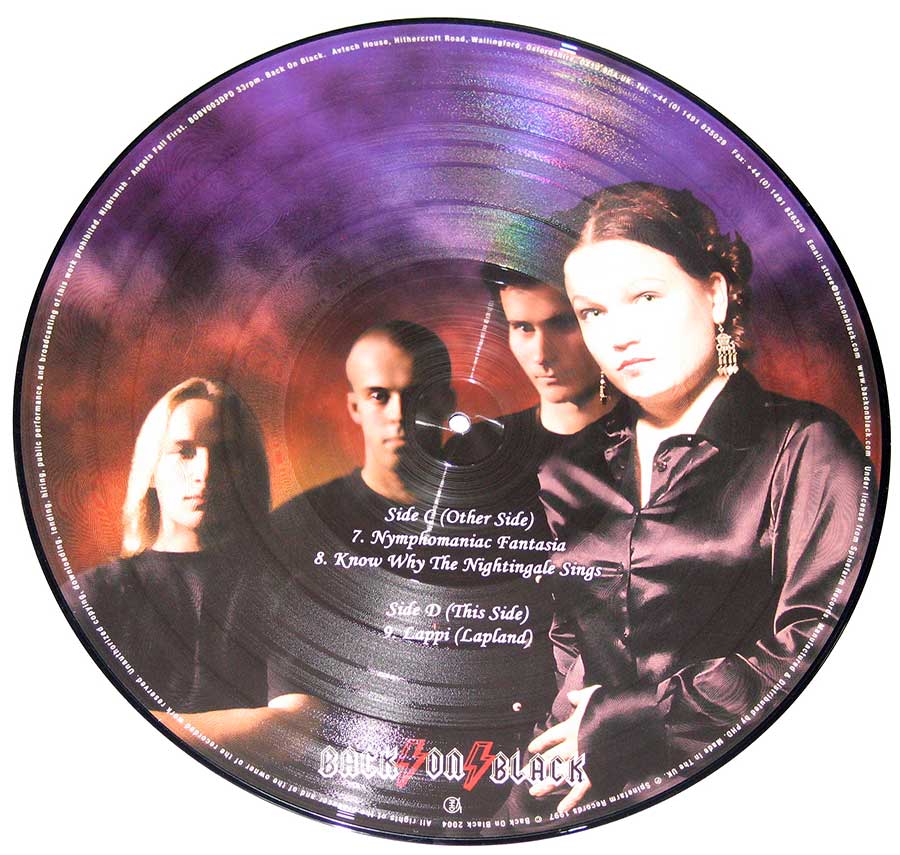
Even in this stripped-down track selection on your page, the intent is obvious: dramatic imagery, melodic hooks, and a willingness to go weird when the mood calls for it. "Nymphomaniac Fantasia" throws a wink and a provocation, "Know Why The Nightingale Sings" leans into that bright, storybook drive, and "Lappi (Lapland)" opens the horizon into something folkloric and panoramic. These are not just tunes; they are early drafts of a bigger language.
The Sound in Plain English
Think cold air, bright melodies, and keyboards that paint depth behind the riffs instead of politely staying out of the way. The guitars keep things grounded, the drums push forward, and the vocals soar above it all like the ceiling got removed. When it hits, it feels like a small-town band reaching for the sky and getting a handhold.
Fast Facts You Can Scan
- Band: Nightwish (Finland)
- Release year: 1997
- Style on this record: symphonic metal with power metal drive and gothic/folk shading
- Core contributors: Tuomas Holopainen, Tarja Turunen, Emppu Vuorinen, Jukka Nevalainen
- Recorded in: Kitee (Huvikeskus)
Band Changes Happening Around This Era
The early live period was practical and transitional, because bands are always practical before they are legendary. A bass player was not permanently in place at first, and the lineup stabilized further after the debut as the group geared up for the next recording phase. That early churn shows up in the music too: ambition first, infrastructure second.
Controversies and Eyebrow-Raisers
This album did not cause some giant national scandal, but it did generate the kind of fan debate that follows a band that is still inventing itself. The title and lyric attitude of "Nymphomaniac Fantasia" has long been a lightning rod for eye-rolls and laughs, depending on the listener's tolerance for teenage provocation. The record also features moments that feel like experiments the band would later outgrow, which is exactly what debut albums are for.
"Angels Fall First" sounds like a band building a stage while already performing on it.
Why This Debut Matters in the Moment
In 1997, symphonic metal was still negotiating how to be heavy without losing its sense of wonder. Nightwish put the classical voice up front, treated keyboards as narrative machinery, and let the songs chase atmosphere like it was a competitive sport. The result is imperfect, but it is vivid, and it makes the next step feel inevitable.