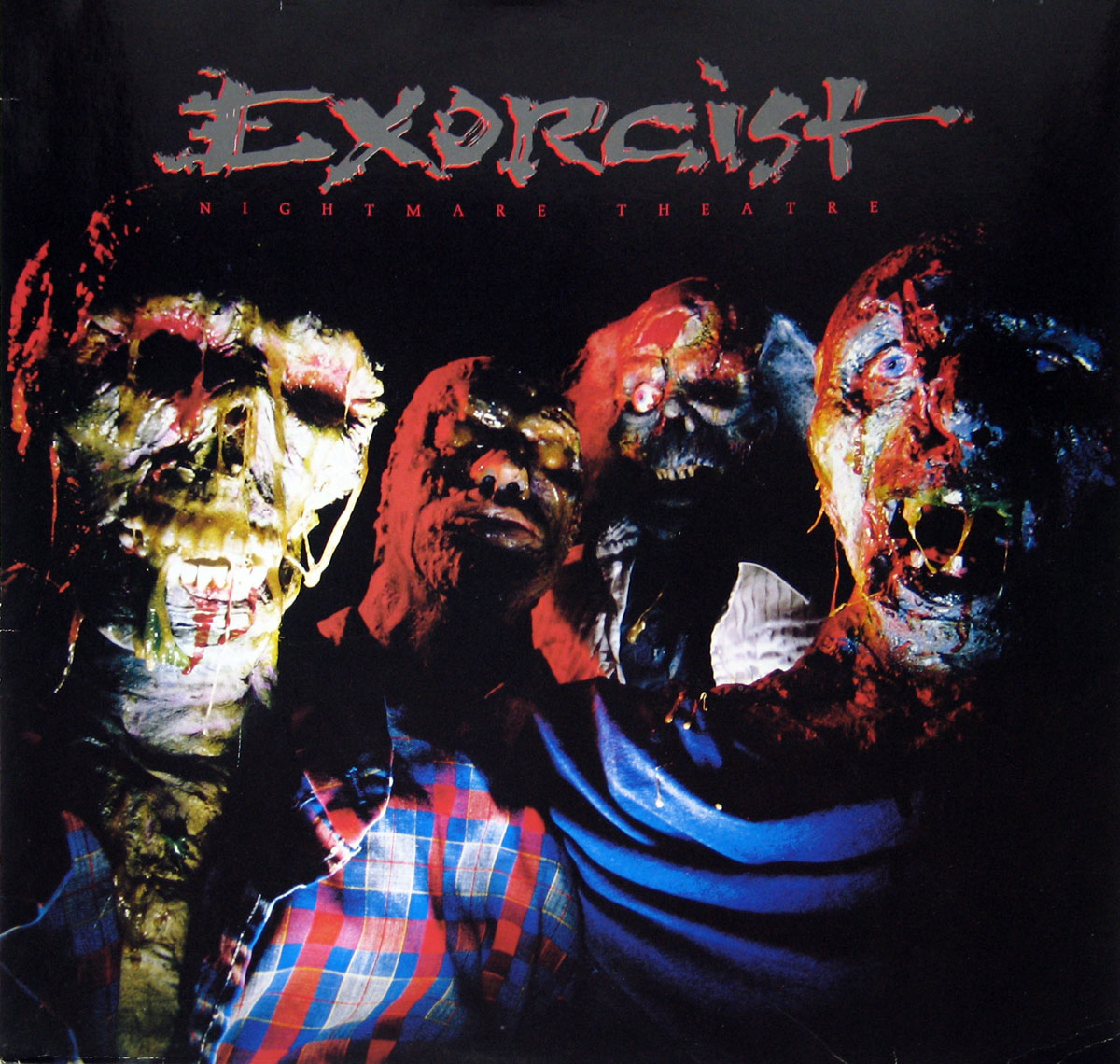
Before they became the legendary power metal outfit known as Virgin Steele, the band briefly operated under a different and little-known moniker: Exorcist. This name was used for a one-off album project that remains a fascinating piece of heavy metal history. The album was released in 1986 and showcased a raw, speed-metal sound that contrasted sharply with the grandiose style Virgin Steele would later become famous for. Here’s a deeper dive into this enigmatic release and its significance.
The Birth of Exorcist
The story of Exorcist is rooted in the mid-1980s, a time when heavy metal was evolving into subgenres like thrash, speed, and power metal. Virgin Steele, formed in 1981, was already gaining traction with albums like Guardians of the Flame (1983) and Noble Savage (1985), which leaned towards melodic and epic metal. However, as legend has it, a combination of creative curiosity and contractual obligations led to the creation of the Exorcist project.
Operating under the pseudonym “Exorcist,” the band members reportedly explored a darker, grittier sound. The exact lineup of the project has been the subject of speculation, but it’s widely believed that David DeFeis, Virgin Steele’s charismatic frontman, and Edward Pursino, the band’s guitarist, were heavily involved in crafting Exorcist.
The Album: A Raw Speed-Metal Assault
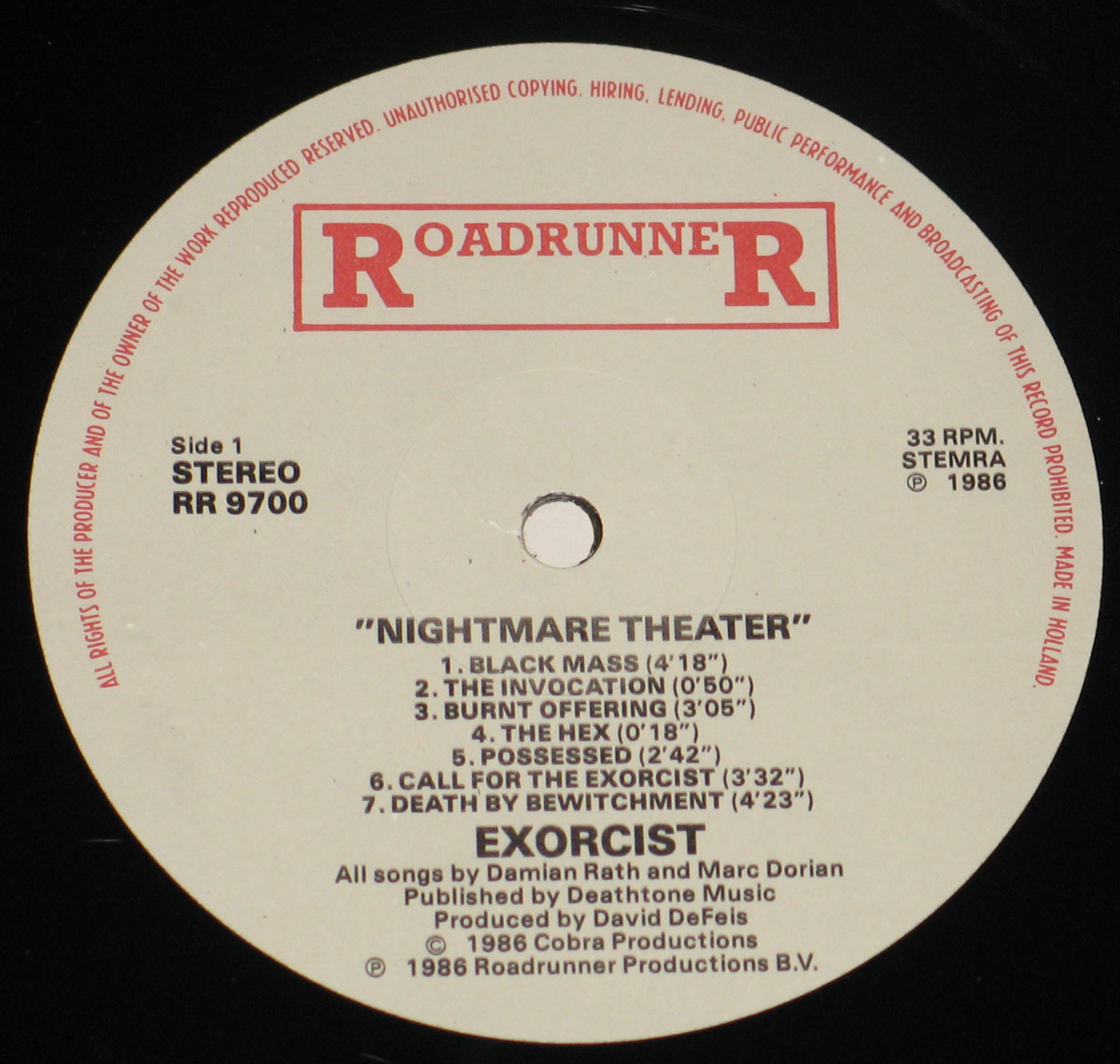
Released in 1986, Exorcist was a striking departure from Virgin Steele’s signature style. The album’s raw production, breakneck speed, and occult-themed lyrics placed it firmly in the realm of speed metal. Tracks like ‘Black Mass,’ ‘The Trial,’ and ‘Riding to Hell’ channeled an unrelenting energy that echoed the likes of Slayer, Venom, and early Metallica. The vocals, harsher and more aggressive than DeFeis’ usual operatic style, added to the sense of menace.
The album’s themes of demonic possession, black magic, and apocalyptic visions were a far cry from the mythological and romantic concepts Virgin Steele fans were accustomed to. Yet, these elements gave Exorcist a cult appeal among fans of the burgeoning extreme metal scene.
Why “Exorcist”?
The choice to use the Exorcist name was strategic. Virgin Steele’s label at the time, Cobra Records, allegedly sought to tap into the growing demand for darker, heavier metal. By creating a side project under a new name, the band could experiment with a different style without alienating their core audience. The Exorcist album also allowed Virgin Steele to fulfill certain contractual commitments without interfering with their main body of work.
Legacy of Exorcist
Though Exorcist never became a household name, the album has achieved cult status among metal collectors and enthusiasts. Its raw energy and uncompromising heaviness remain a testament to the band’s versatility and willingness to push boundaries. Over time, the album has been reissued on CD and vinyl, keeping its legacy alive.
For Virgin Steele, the Exorcist project was a stepping stone. It demonstrated their ability to master diverse styles within the metal genre, foreshadowing the innovation and ambition that would define albums like Age of Consent (1988) and The Marriage of Heaven and Hell (1994-1995).