Kalle Trapp was the studio alchemist who helped give German metal its hard edge and roomy, iron-walled punch. From my side of the glass, he looks like one of the quiet architects of the scene: first a late-1960s bassist in Wonderland, then the man behind Karo Studio in the 1980s. I hear his stamp on Mad Max from 1984 to 1987, on Destruction in 1987, on Assassin and Violent Force in 1987, on Pestilence, Grinder and Sieges Even in 1988, and most famously on Blind Guardian from 1988 to 1993, from "Battalions of Fear" through "Tokyo Tales". He later turned up with Saxon in 1990, 1995 and 1997, proof that his production style had both muscle and staying power.
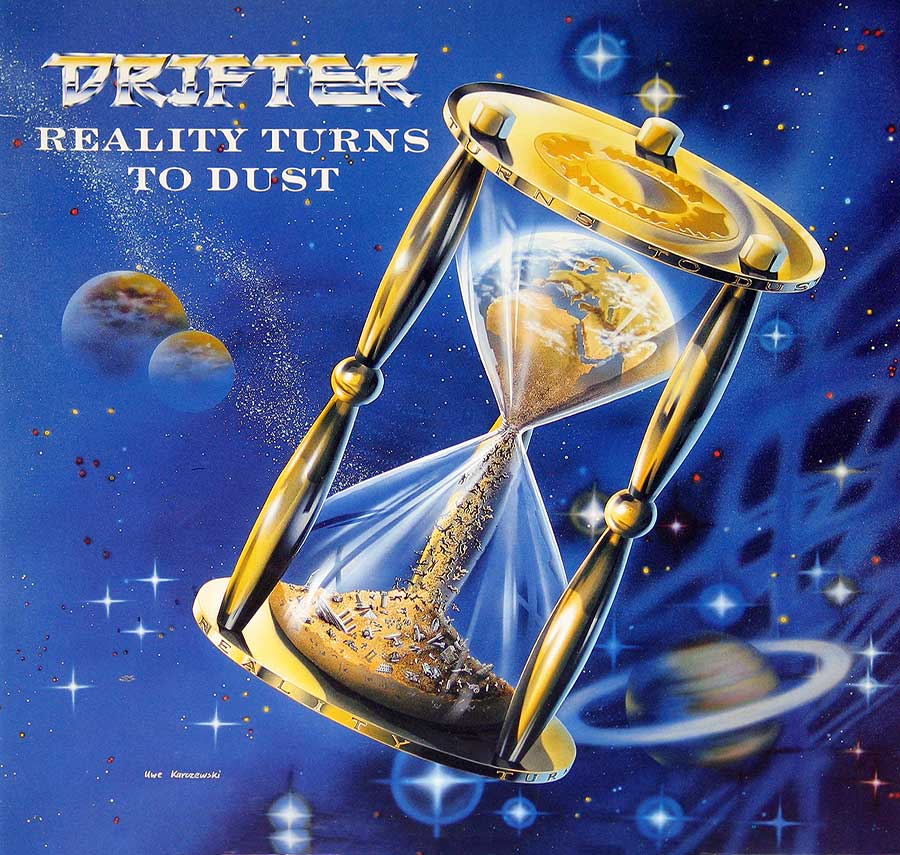
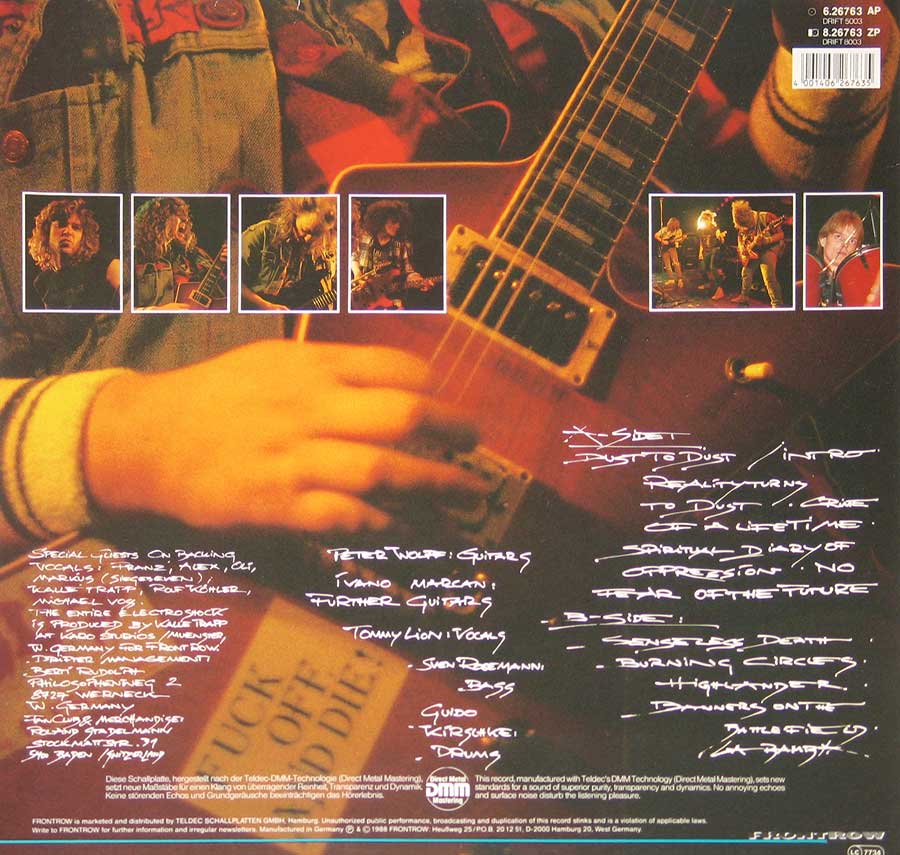
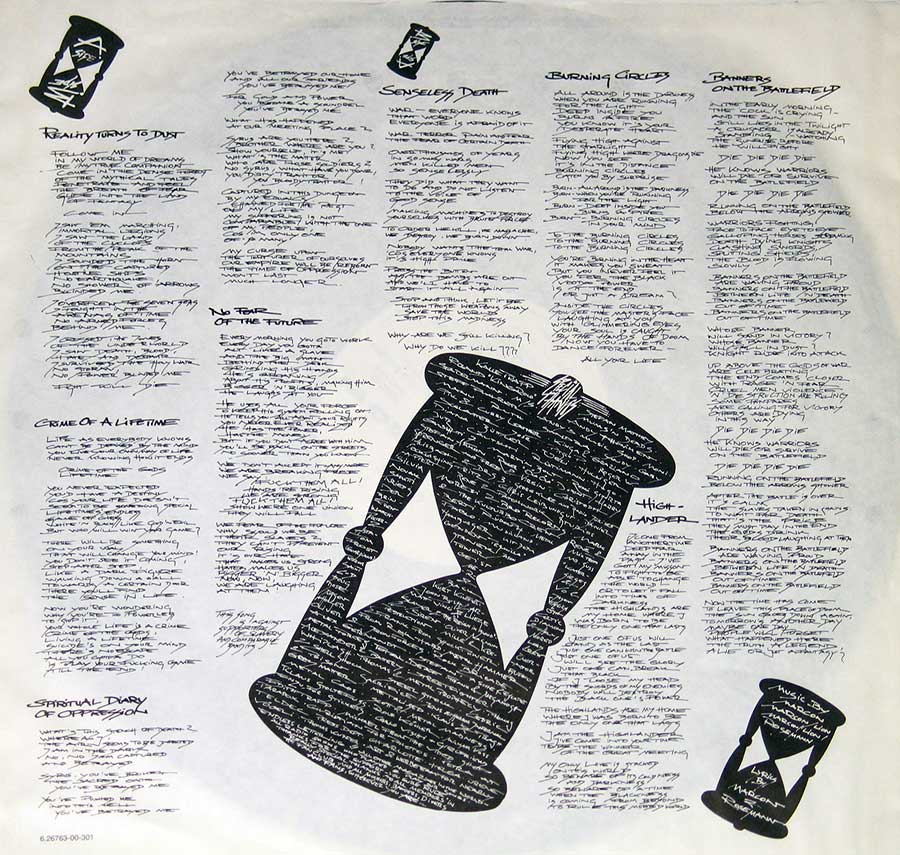
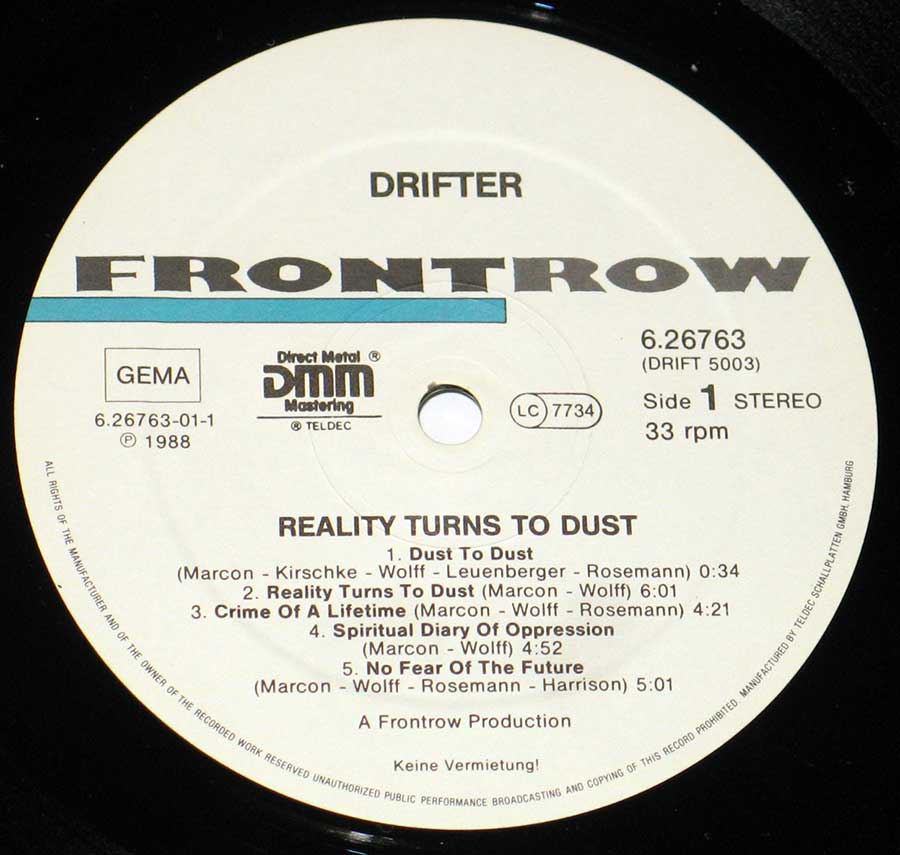
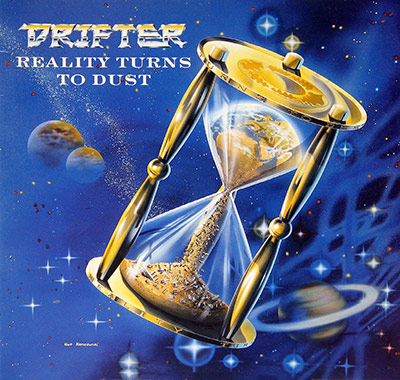
Drifter - Reality Turns to Dust 12" Vinyl LP Album
"Reality Turns To Dust" is the first/debut studio album by the Swiss Power / Thrash Metal band "DRIFTER", the album was produced by "Kalle Trap" and released in 1988. The illustration on the album front cover was by Edda & Uwe Karczewski. This web-page has hi-res photos of the album covers, record label and a detailed description.