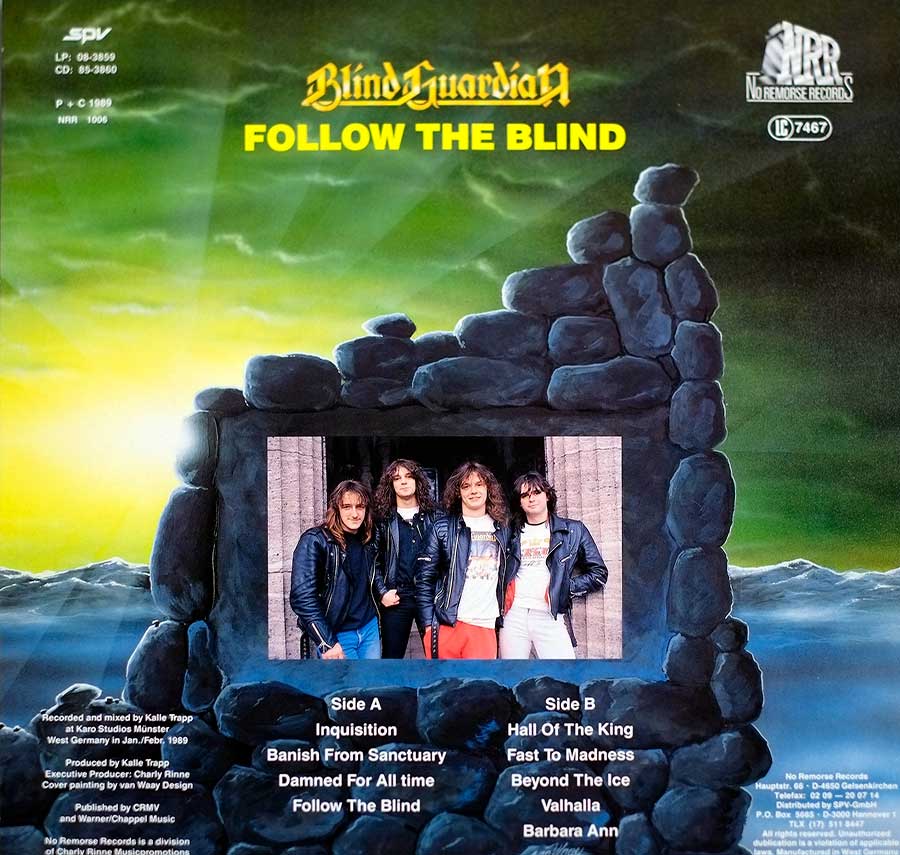
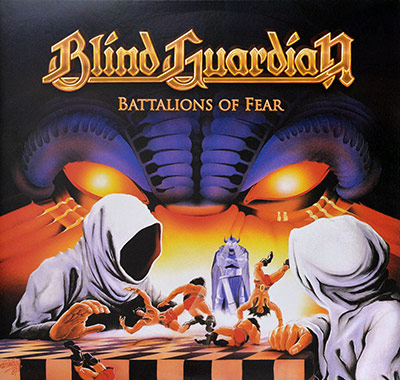
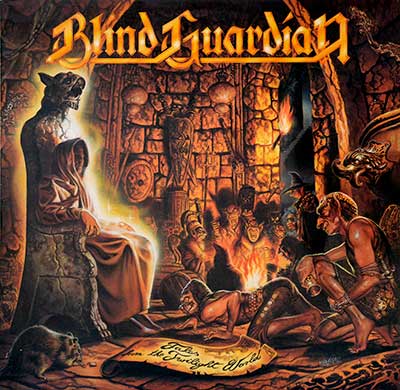
Kalle Trapp was the studio alchemist who helped give German metal its hard edge and roomy, iron-walled punch. From my side of the glass, he looks like one of the quiet architects of the scene: first a late-1960s bassist in Wonderland, then the man behind Karo Studio in the 1980s. I hear his stamp on Mad Max from 1984 to 1987, on Destruction in 1987, on Assassin and Violent Force in 1987, on Pestilence, Grinder and Sieges Even in 1988, and most famously on Blind Guardian from 1988 to 1993, from "Battalions of Fear" through "Tokyo Tales". He later turned up with Saxon in 1990, 1995 and 1997, proof that his production style had both muscle and staying power.
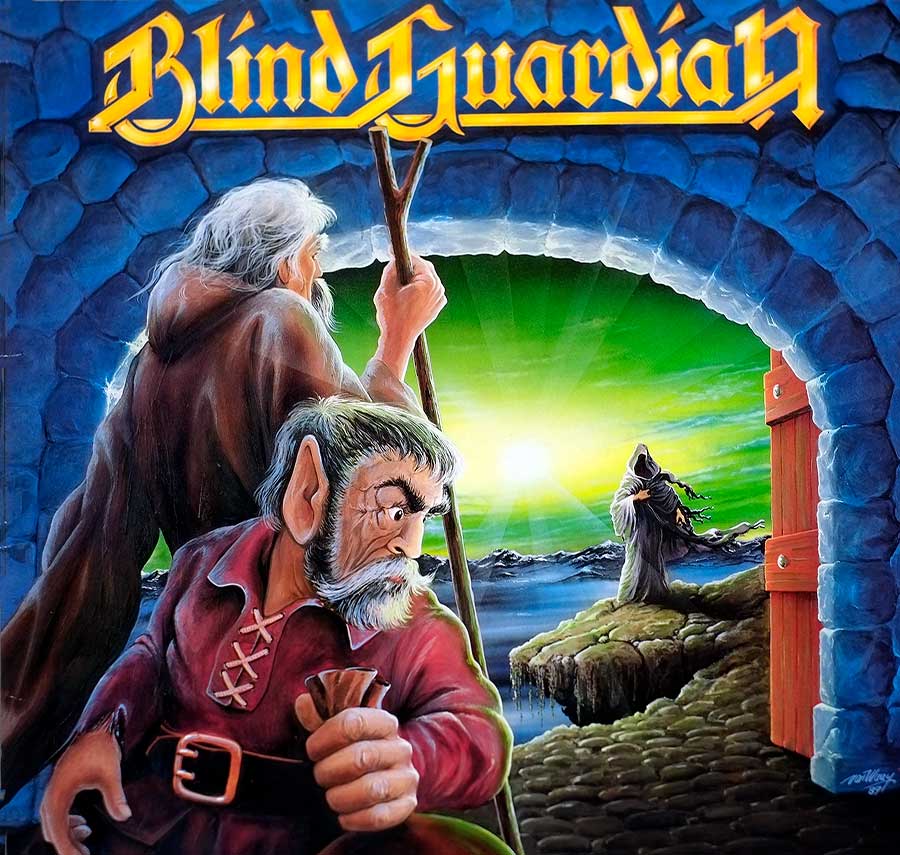
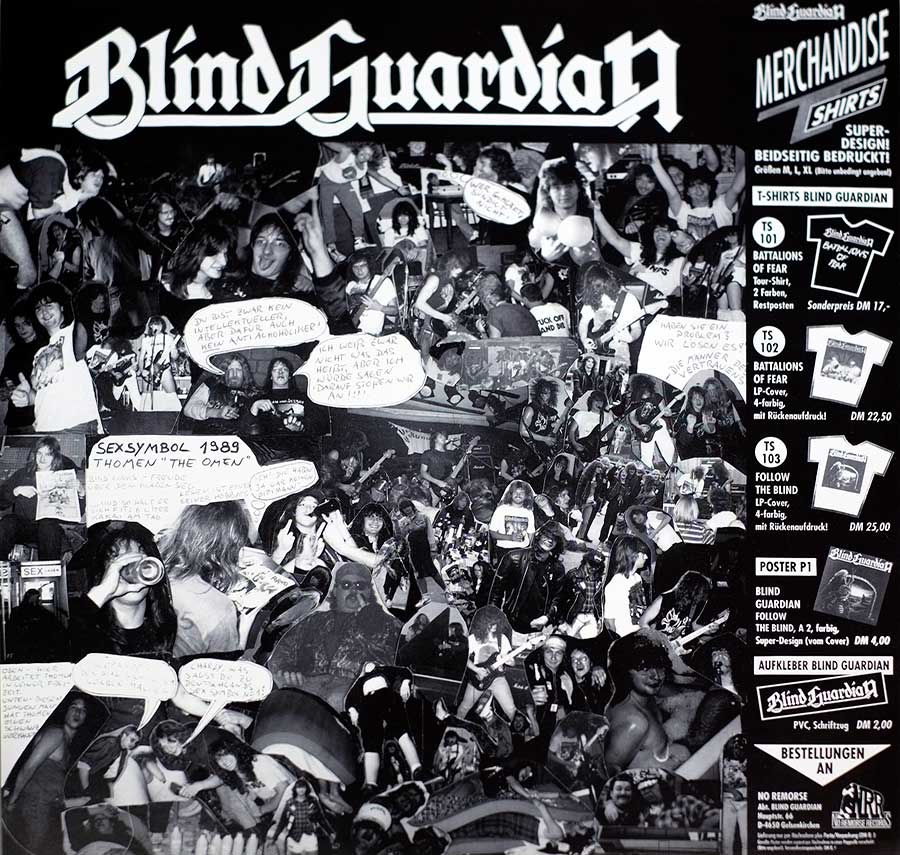
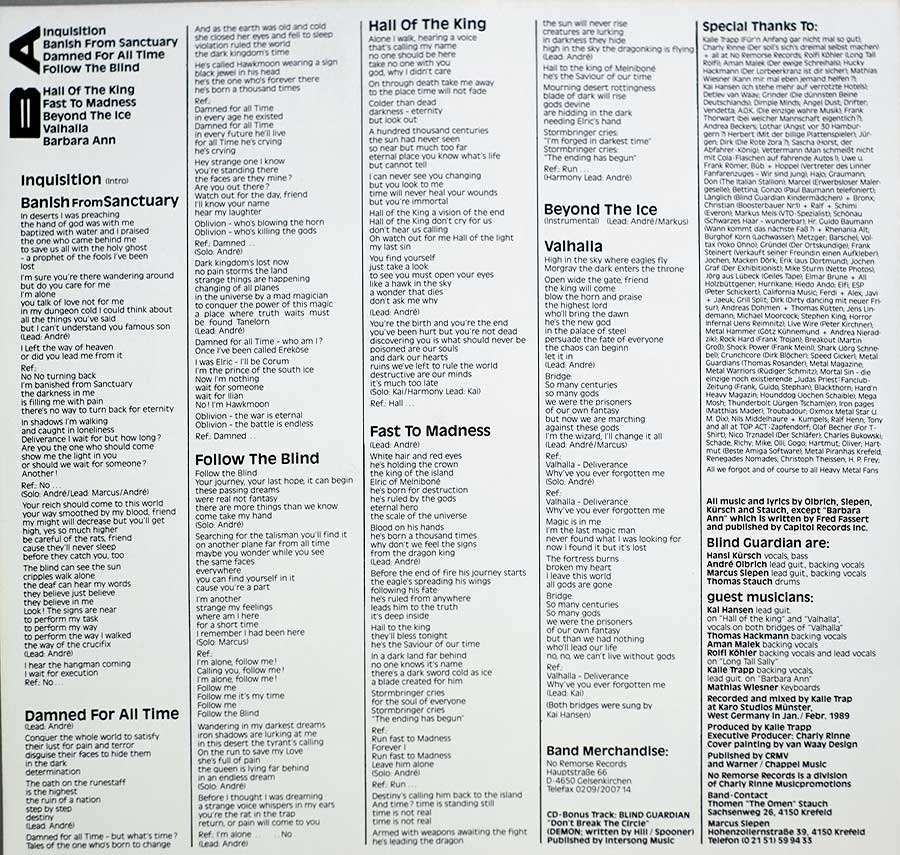
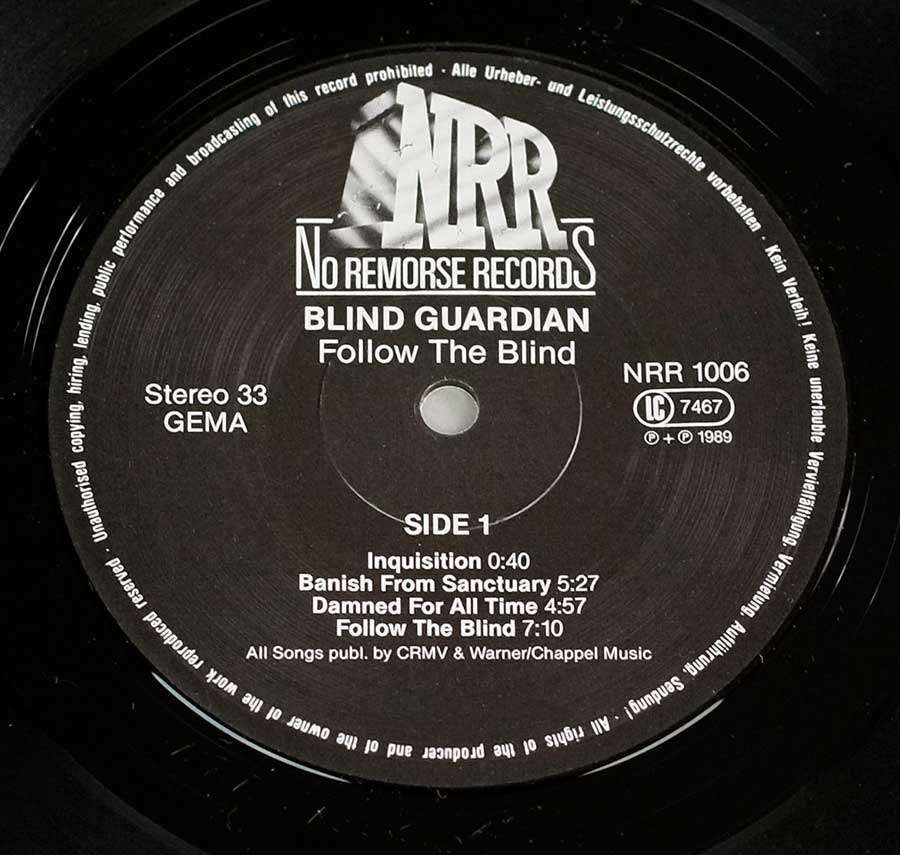
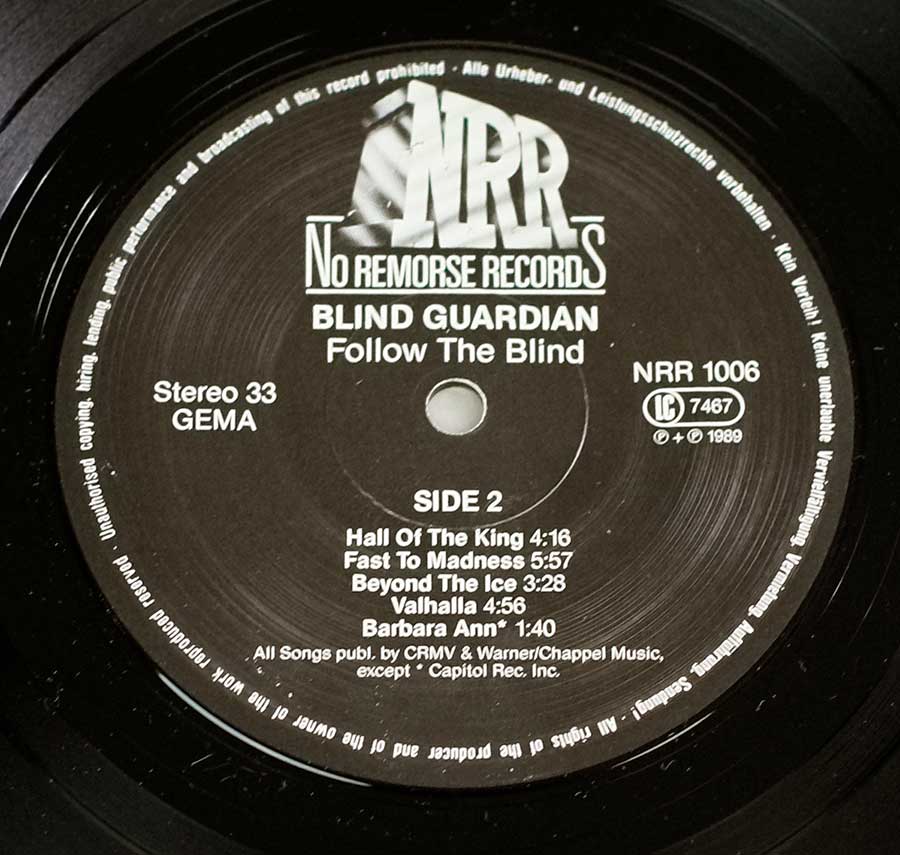
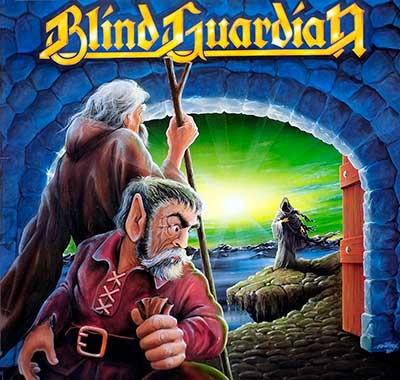
BLIND GUARDIAN - FOLLOW THE BLIND 12" Vinyl LP Album
"Follow the Blind" is the second full-length album from the German metal band Blind Guardian. It was released in 1989 and is more in the vein of speed metal, compared to the style that would later define the band's unique sound. According to guitarist Marcus Siepen, "When we were doing "Follow the Blind" we were listening to a lot of thrash metal bands like Testament or Forbidden, and that's why Follow the Blind was a bit heavier".