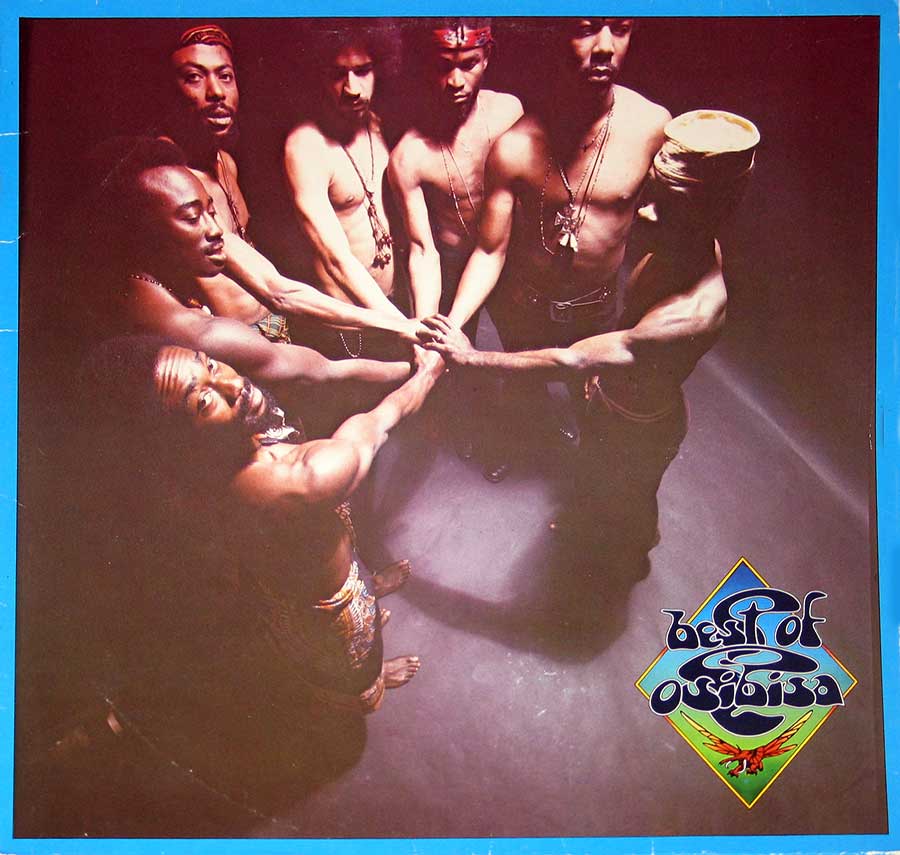
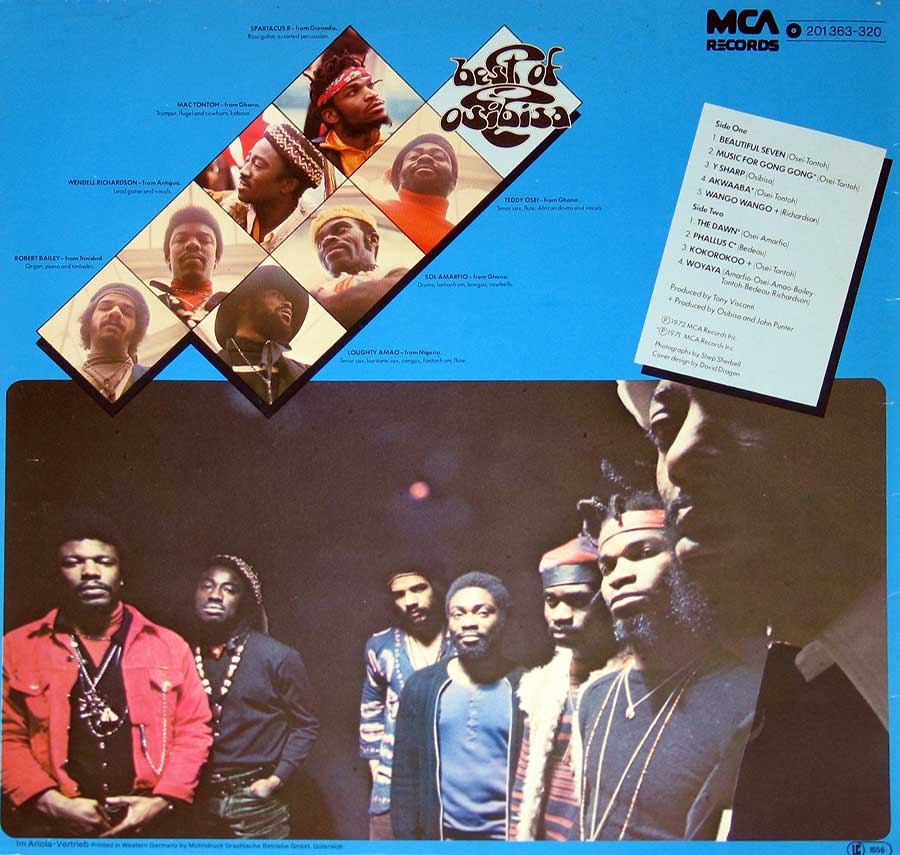
In the vibrant music scene of late 1960s London, a groundbreaking band emerged, destined to redefine musical boundaries and leave an enduring legacy. Osibisa, a collective of talented musicians from Ghana, Trinidad and Tobago, and Grenada, ignited a cross-cultural fusion that would come to be known as Afro-rock. Their innovative sound, blending African rhythms, jazz sensibilities, and rock energy, captivated audiences worldwide and cemented their position as pioneers of a new musical genre.
Formation and Early Years:
Osibisa's story began in 1969 when Teddy Osei, a Ghanaian saxophonist and flautist, and Spartacus R, a Trinidadian guitarist, joined forces with other like-minded musicians in London. This diverse group, united by a shared passion for music and cultural exploration, set out to create something truly unique. Their early performances, held in small clubs and venues across London, quickly garnered attention for their energetic stage presence and eclectic sound.
Pioneering Afro-Rock:
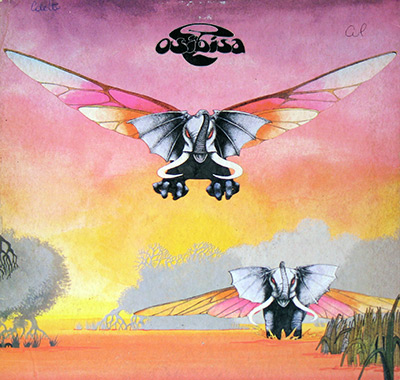
Osibisa's music was a revelation, seamlessly fusing traditional African rhythms with Western rock instrumentation. Teddy Osei's distinctive flute melodies, combined with the band's intricate percussion and horn arrangements, created a sound that was both familiar and exotic. Their debut album, released in 1971, solidified their position as pioneers of Afro-rock, a genre that would go on to inspire countless artists around the world.
Cross-Cultural Fusion:
Osibisa's music transcended cultural boundaries, incorporating elements of highlife, jazz, funk, and rock. This cross-cultural fusion resonated with a generation seeking new sounds and experiences. Their lyrics, often sung in a mix of English and Ghanaian languages, touched upon themes of unity, social justice, and cultural identity. Osibisa's concerts were a celebration of diversity, featuring elaborate costumes, choreographed dance routines, and an infectious energy that drew audiences into a shared experience of musical exploration.
Global Recognition and Legacy:
Osibisa's popularity soared throughout the 1970s, as they toured extensively across Europe, North America, and Asia. Their music appeared in films and television shows, further amplifying their reach and influence. Their iconic song "Woyaya," an anthem of hope and perseverance, became a global hit, solidifying their place in music history.
Osibisa's legacy extends far beyond their commercial success. They were instrumental in introducing African music to a wider audience, fostering cross-cultural understanding, and paving the way for a wave of world music artists. Their innovative sound and commitment to cultural exchange continue to inspire musicians today, ensuring that their music remains a vibrant and enduring force in the global soundscape.