UK82 Punk Rock Movement Explained
The way I remember UK82: the moment punk stopped smirking and started swinging. Early ’80s Britain felt like closed factories, cops with short fuses, and tomorrow getting cancelled again. The music didn’t “respond to socioeconomic hardship” — it spat on it, then hit play. Faster. Harsher. Less clever. More real.
People call it a “second wave,” sure. I call it the era when the gig turned into a shove, a pogo, and a chorus screamed with your whole gob. Buzzsaw guitars. Drums like a boot stamping a wet floor. Vocals that sounded like they’d been dragged through a pub car park. Not pretty. That was the point.
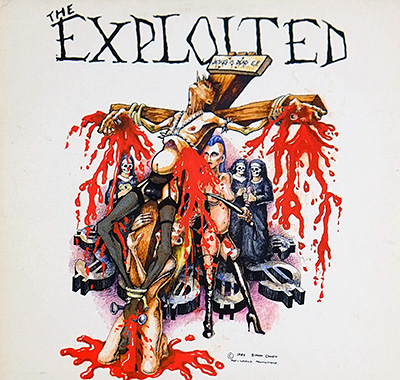
Speed & aggression: Discharge, GBH, The Exploited, Chaos UK — different flavors, same intent: push the tempo until the room can’t stand still. You didn’t “listen” so much as brace. Some nights it felt like the amps were trying to crawl off the stage and start a fight.
D-beat: Everybody loves the neat definition, but here’s the lived version: Discharge lit the fuse, and suddenly half the underground copied that marching, relentless kick-snare grind until it became its own language. “D-beat” is basically shorthand for “Discharge did this to us.” You hear it, you know it, you can’t un-hear it.
DIY: This wasn’t branding. This was necessity with studs on it. Self-released singles, photocopied fanzines, hand-scrawled gig flyers, shows in whatever room would tolerate the noise. The “scene” was a stack of 7-inches, a battered leather, and someone’s mate who knew a place with a plug socket.
Grit over gloss: The recordings often sounded like they were made in a hurry because they were. No polishing, no safety rails. You get that raw, slightly blown-out edge that feels closer to standing in front of the speakers than sitting politely between them.
Themes & context: UK82 lyrics didn’t posture as “social commentary.” They accused. Government. Police. War. Dead-end jobs. The whole “no future” thing, but without the art-school wink — more street, more pressure, more clenched jaw.
Anti-establishment: Not a slogan — a reflex. If authority walked in, the room stiffened. Songs didn’t ask questions. They threw bottles (metaphorically… usually).
Working-class bite: Unemployment and boredom weren’t abstract ideas; they were the wallpaper. UK82 turned that into chants you could yell with your mates until your throat felt like sandpaper.
War & violence: Discharge especially pushed the war imagery hard — bleak, brutal, unromantic. It wasn’t “anti-war messaging” in a brochure sense. It was dread with distortion.
Legacy: Here’s the funny bit: UK82 didn’t just stay in punk. It leaked. The speed and heaviness helped shape hardcore offshoots, crusty corners, and the kind of extreme scenes that prefer their music like their coffee: too strong and slightly alarming.
Hardcore punk: UK82’s blunt-force approach fed into hardcore’s obsession with speed, simplicity, and impact. Not “innovation.” More like escalation.
Thrash metal: The early thrash crowd didn’t invent speed in a vacuum — this stuff was in the air. UK82’s tempo and ugliness helped normalize the idea that heavy music could move like a riot, not a head-nod. If you wonder why thrash got meaner, well… punk was already sharpening the knives.
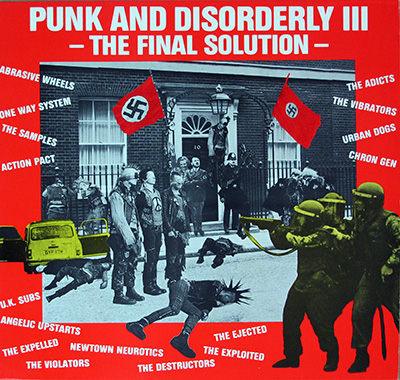
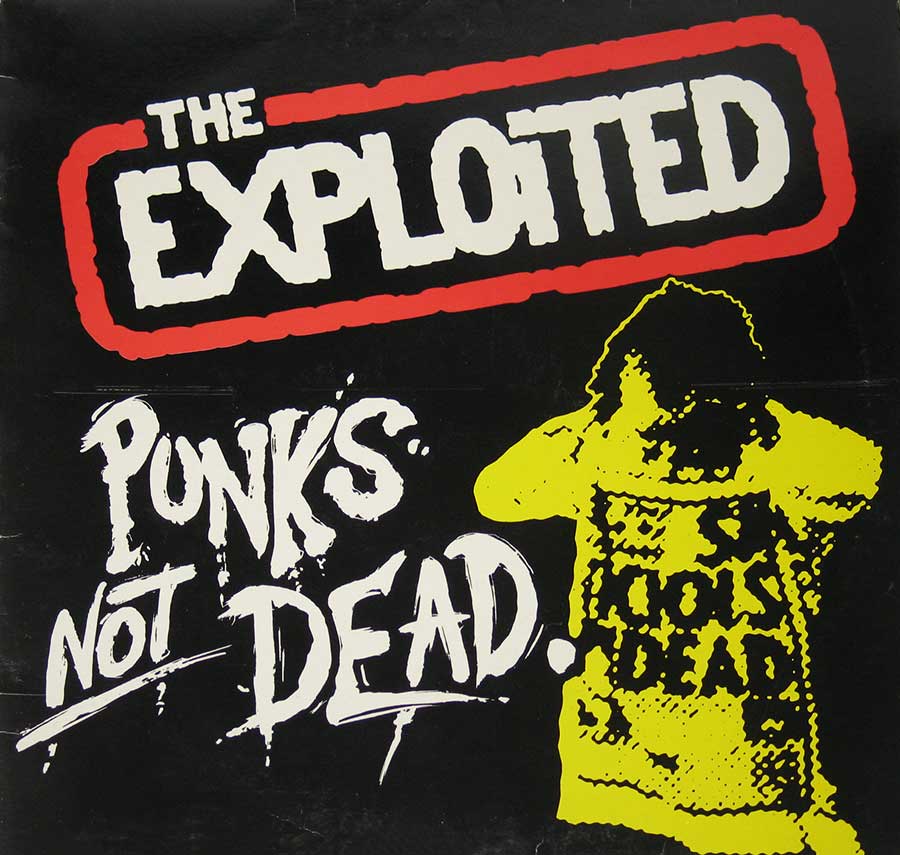
The name “UK82”: It’s retrospective, and it comes from The Exploited’s “UK 82.” Which is perfect, really: punk naming its own mess after a song title, then everyone arguing about the label for the next forty years. Very on-brand.
So yeah — UK82 wasn’t a “testament.” It was a noise complaint with a heartbeat. And if it still sounds a bit ugly today… good. Let it stay ugly.